



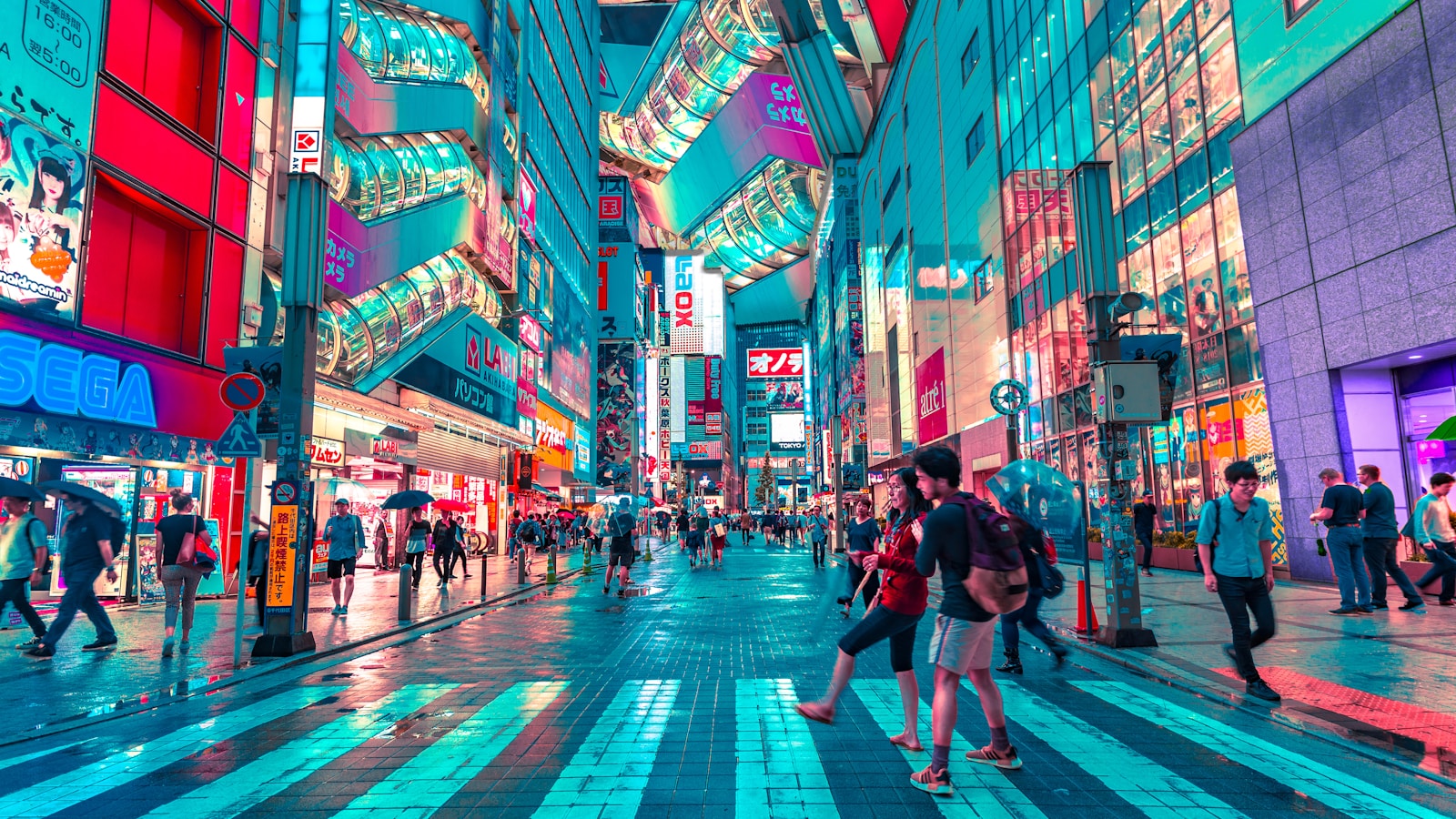
A three-day Tokyo itinerary designed for families with children ages 5-12, featuring stroller-friendly parks, interactive museums, kid-approved dining, and early evenings. Prioritizes Ueno, Asakusa, Shibuya, and Harajuku neighborhoods with built-in rest breaks. Budget travelers can expect $2,400-2,800 total for a family of four; mid-range around $3,800-4,200.
At a Glance
Day 1 — Ueno Park & Traditional Asakusa
Begin at Ueno Park, Tokyo's largest green space with wide, paved paths perfect for strollers. Kids can feed the ducks at Shinobazu Pond, run freely on open lawns, and enjoy playground equipment near the park's southern entrance. The Tokyo National Museum offers a family-friendly introduction to samurai armor and ancient pottery if weather turns poor, though most families prefer outdoor exploration. Plan two to three hours here, arriving around 9:00 AM to beat crowds. Vending machines and clean restrooms are plentiful throughout the park grounds.
Head to a conveyor-belt sushi spot near Ueno Station where kids can pick colorful plates as they pass by. These restaurants offer visual entertainment alongside familiar options like cucumber rolls, tamago sweet egg, and edamame. Budget $35-50 for a family of four.
Take the Ginza Line two stops to Asakusa. Explore Sensoji Temple's approach along Nakamise Shopping Street, where stalls sell sweet rice crackers, small toys, and traditional crafts. The temple grounds are entirely stroller-accessible with smooth stone pathways. Kids enjoy the giant red lantern photo opportunity and feeding carp in the temple ponds. Nearby Sumida Park along the river provides benches and open space for an energy break. The entire area is compact and walkable, requiring minimal stamina from little legs.
Return to your hotel by 4:30 PM for rest time. For dinner, seek out a family-style izakaya or casual Japanese restaurant near your accommodation offering yakitori skewers, rice bowls, and fried chicken karaage that appeal to most children. Many establishments provide high chairs and children's chopsticks. Aim for a 6:00 PM dinner followed by bath and bedtime by 8:00 PM to reset everyone's internal clocks after potential jet lag.
Stay in Ueno or Asakusa for Day 1 proximity. Both neighborhoods offer excellent transit connections, numerous family restaurants, and a traditional Tokyo atmosphere. Hotels here typically provide more space per dollar than central districts.
Day 2 — Shibuya Fun & Harajuku Exploration
Travel to Yoyogi Park, adjacent to Harajuku Station, arriving around 9:30 AM. This expansive park features wide paths, fountains, and dedicated play areas where children can burn energy safely. On Sundays, street performers and musicians add entertainment. The park connects to Meiji Shrine via a peaceful forested walkway suitable for strollers, though the shrine's gravel paths require all-terrain wheels. Kids enjoy the shrine's massive torii gate and the tradition of writing wishes on wooden plaques. Budget ninety minutes to two hours for this combined experience.
Walk to Harajuku's Takeshita Street for lunch at a crepe stand offering both savory and sweet options, or find a hamburger restaurant serving Japanese-style burgers with creative toppings. The area has multiple Western-friendly cafes with pasta and sandwiches if needed. Expect $40-60 for family lunch including treats.
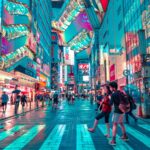
Cross to Shibuya, just one station away or a twenty-minute walk if everyone has energy. Visit the Shibuya Scramble Crossing from the second-floor Starbucks for the famous pedestrian intersection view, then walk to the Hachiko statue for photos. Shibuya's Miyashita Park, a rooftop complex, offers play spaces and city views. Alternatively, visit nearby Shibuya Sky observation deck if your budget allows, though the $70-80 family admission adds up. The area's department stores have excellent toy floors and clean nursing rooms.
Head back to your hotel by 5:00 PM for downtime. Dinner tonight could be at a ramen shop where kids enjoy watching noodle preparation, or a casual teppanyaki spot with table-side cooking entertainment. Many shopping districts have food courts with multiple vendors, allowing each family member to choose preferred options. Keep dinner early, around 6:00-6:30 PM, maintaining the no-late-nights approach essential for this age group.
Shibuya or Shinjuku accommodations work well for Day 2's itinerary, offering central access to multiple subway lines. Both neighborhoods have 24-hour convenience stores and family-friendly chain restaurants for easy morning breakfast or emergency snack runs.
Day 3 — TeamLab Digital Art & Odaiba Waterfront
Depart for Odaiba, a man-made island in Tokyo Bay accessible via the automated Yurikamome Line, which kids love for its driverless front-car views. Visit teamLab Borderless or teamLab Planets, immersive digital art museums designed for interaction. Children can touch projections, walk through water installations, and explore colorful light rooms. Reserve timed tickets online in advance; weekday mornings around 10:00 AM see lighter crowds. Plan two hours here. Note that strollers must be checked at entry, so bring a baby carrier for younger children who tire easily.
Odaiba's DiverCity Tokyo Plaza and Aqua City malls house numerous restaurants including food courts with Japanese curry, udon noodles, and familiar fast-food chains. The waterfront plaza between malls offers outdoor seating with bay views. Budget $45-65 for lunch with the higher-priced mall dining.
Explore Odaiba Seaside Park's beach area where kids can play in sand and wade in shallow water during warmer months. The park is entirely stroller-friendly with paved promenades. Visit the life-size Gundam statue at DiverCity for photos, or ride the giant Ferris wheel at Palette Town for aerial views of Tokyo Bay and Mount Fuji on clear days. The Science Museum Miraikan offers hands-on exhibits, though it may overwhelm after teamLab's sensory experience. Keep activities light and flexible based on energy levels.
Return to central Tokyo by 4:00 PM, allowing time for packing and final rest before departure day. For your last dinner, choose a restaurant near your hotel serving comfort food everyone enjoyed earlier in the trip, or visit a department store basement food hall to purchase prepared bento boxes for an in-room picnic. This low-key evening ensures everyone ends the trip relaxed rather than overstimulated.
Return to your original hotel base or stay near Tokyo Station if departing via Narita Express the next morning. The station area offers excellent transport links and multiple shopping options for last-minute souvenir purchases in climate-controlled comfort.
Where to Stay
Budget-conscious families should consider business hotels in Ueno or Asakusa, where family rooms sleep four with two double beds, often including basic breakfast. These neighborhoods offer authentic Tokyo experiences at $120-180 per night based on typical partner pricing. Mid-range travelers benefit from Shibuya or Shinjuku hotels with larger Western-style rooms, coin laundries, and English-speaking staff, running $200-280 nightly. Properties near major stations provide convenience for tired families. Luxury seekers can find high-end hotels in Roppongi or near Tokyo Station with spacious family suites, concierge services for restaurant reservations, and premium amenities including kids' welcome gifts. Expect $400-600 per night in this category. Regardless of budget tier, prioritize neighborhoods with direct subway access, nearby convenience stores, and family restaurants within a five-minute walk. Properties advertising connecting rooms or suites give parents essential space after full sightseeing days.
What to Skip
Tokyo Tower often disappoints families given the long elevator waits and similar views available from free observation decks in metropolitan government buildings. The tourist-packed lower floors offer little for children.
Tsukiji Outer Market's chaotic crowds, uneven pavement, and early-morning timing clash with family schedules and stroller navigation needs. Kids rarely enjoy seafood-focused shopping.
Shinjuku's Robot Restaurant, despite seeming kid-friendly, runs loud shows with late evening showtimes poorly suited to young children's sleep schedules and noise tolerance.
Ginza's luxury shopping district offers minimal child appeal with expensive boutiques, limited playgrounds, and few casual dining options welcoming to families with energetic kids.
Akihabara's electronics and anime focus targets teen and adult collectors rather than elementary-age children, while the neighborhood's sensory overload exhausts young travelers quickly.
Budget Breakdown (Per Person)
Pricing reflects partner data and traveler review patterns. Actual costs vary by season, currency, and category. Flights not included.
Map of the Itinerary
Day 1 keeps movement minimal within north-central Tokyo. Ueno Park to Asakusa requires just a five-minute subway ride on the Ginza Line, with the temple area walkable in a compact zone. Day 2 shifts southwest to Yoyogi Park and Harajuku, then one station or twenty-minute stroll to Shibuya, all connected via the JR Yamanote loop line. Walking between Harajuku and Shibuya saves subway time for families with stamina. Day 3 ventures to Odaiba via the scenic Yurikamome Line from Shimbashi Station, roughly thirty minutes. Odaiba's attractions cluster within walking distance or short free shuttle buses between malls. The entire island is stroller-accessible with smooth paths. Returning to central Tokyo requires the same automated line back to the subway network, creating a loop that minimizes backtracking.
Frequently Asked Questions
What's the best way to navigate Tokyo's subway with strollers?
Most major stations have elevator access, though finding them requires looking for signage with wheelchair symbols or asking station staff. Download the Tokyo Metro app which indicates accessible routes. Compact umbrella strollers navigate crowded trains more easily than full-size models. Avoid rush hours between 7:30-9:00 AM and 5:30-7:30 PM when trains pack tightly. Baby carriers work well as backup for subway navigation, particularly on older station lines lacking elevator infrastructure. Major tourist stations like Shibuya, Shinjuku, and Tokyo Station have the most comprehensive accessible routes.
Are Tokyo restaurants accommodating to children with picky eating habits?
Japanese family restaurants and chain establishments commonly offer kids' menus with familiar items like chicken nuggets, pasta, rice curry, and fried rice. Conveyor-belt sushi allows children to visually select preferred items. Many restaurants provide high chairs, children's utensils, and bibs without requesting. Convenience stores stock packaged snacks, sandwiches, and onigiri rice balls as reliable backup options. American fast-food chains exist throughout Tokyo for emergencies. Staff at family-oriented restaurants generally show patience with children, though some traditional establishments prefer quieter atmospheres. Department store restaurants typically welcome families most enthusiastically.
How much walking should we expect each day with young children?
This itinerary designs each day around two main locations to minimize transit time and walking distance. Expect roughly three to four miles daily of actual walking, spread across morning and afternoon sessions with midday breaks. Ueno and Asakusa cluster attractions densely. Harajuku to Shibuya offers a manageable twenty-minute walk or quick one-stop train ride. Odaiba's layout allows short distances between teamLab, malls, and the beach area. Strollers reduce fatigue for children under eight. Build in rest periods at hotels between 3:00-5:00 PM daily, allowing everyone to recharge. This pacing prevents the meltdowns that plague families attempting too many destinations.
What are the actual costs for activities and admissions for a family of four?
Ueno Park and most temple grounds are free. TeamLab Borderless or Planets runs approximately $100-120 for two adults and two children based on standard ticket pricing. The Shibuya Sky observation deck costs around $75 for families but is optional. Yoyogi Park and Meiji Shrine are free. The Odaiba Ferris wheel costs roughly $25-30 for a family. Most activities in this itinerary emphasize free or low-cost options like parks and public spaces. The $280 activity budget assumes one paid museum experience, one observation point or special attraction, and contingency for unexpected child requests like arcade games or souvenir purchases throughout three days.
Should we purchase rail passes or individual subway tickets?
For three days within Tokyo's 23 wards, individual tickets or rechargeable Suica/Pasmo IC cards prove more economical than JR passes. IC cards work across all subway lines and buses, simply tapping at gates. Children ages 6-11 qualify for half-price fares; under-6 ride free when accompanied by adults. A family of four typically spends $35-45 daily on subway travel for this itinerary's routing. Load cards with $30-40 per person at the airport or any station. The cards also work for convenience store purchases. JR passes make sense only if adding day trips to places like Nikko or Hakone beyond these three Tokyo days.