




A three-day Tokyo escape for couples blending quiet mornings at traditional gardens, intimate neighborhood dining, and iconic sunset viewpoints. Unhurried pacing emphasizes moments over checklist tourism. Budget travelers can manage around $1,800 total; mid-range couples should plan for $2,800. Best enjoyed spring or autumn when weather suits long walks.
At a Glance
Day 1 — Traditional Gardens & Asakusa Twilight
Sleep in and enjoy a late breakfast at your hotel or a nearby kissaten—traditional coffee house—where the morning light filters through wooden lattice. Around 10 a.m., head to Hamarikyu Gardens, a tidal pond garden offering quiet paths, historic teahouses, and surprisingly few crowds before noon. The contrast between manicured pines and the Shiodome skyscrapers beyond creates a uniquely Tokyo tableau. Stroll hand-in-hand along gravel paths, pause for matcha at the floating teahouse, and let the city wake up without you.
Walk north to Tsukiji Outer Market for a casual lunch at one of the standing sushi counters or a small tempura spot tucked along the narrow lanes. Go mid-afternoon when the breakfast rush has cleared but vendors remain lively.
Take the metro to Asakusa. Explore Senso-ji Temple and the surrounding streets at your own rhythm—skip the main Nakamise-dori crowd and duck into side alleys where artisan shops sell handmade combs, incense, and paper goods. Wander west toward the Sumida River and cross to the opposite bank for less-touristed views of the temple's pagoda. If energy permits, walk south along the river promenade as late afternoon light warms the water.
Return to Asakusa's quieter backstreets for dinner at a small kaiseki-style restaurant or an izakaya with private booth seating. After dinner, walk to the Sumida River again to see Tokyo Skytree illuminated across the water. The evening view from the riverbank—free, unhurried, and romantic—often surpasses the tower observation deck itself. Return to your hotel by 9 p.m. to rest for tomorrow.
Stay in Asakusa or Nihonbashi for access to both old Tokyo charm and efficient metro connections. Both neighborhoods offer mid-rise hotels with neighbourhood cafés and quieter evening streets suited to couples.
Day 2 — Harajuku Backstreets & Shibuya Sunset
Begin lazily around 9:30 a.m. with breakfast at a small bakery or French-style café near your hotel. Metro to Harajuku and walk directly to the forested paths of Meiji Jingu shrine. Arrive before 10:30 a.m. when tour groups flood in. The gravel approach through towering torii gates and dense evergreens feels miles from the city. Explore the inner shrine grounds, then exit via the north gate toward Yoyogi Park. If weather cooperates, grab a bench under the zelkova trees and simply watch Tokyo locals jog, practice music, or picnic.
Walk into the Omotesando backstreets—away from the main boulevard—and find a cozy bistro-style restaurant or ramen shop along the residential lanes. These quieter blocks between Harajuku and Omotesando offer better food and calmer ambiance than the tourist strips.
Stroll down Omotesando's tree-lined avenue, window-shopping the architecture as much as the boutiques. Turn into Cat Street, a pedestrian lane connecting to Shibuya, lined with small galleries and vintage shops. Take your time—this is browsing, not buying. Arrive in Shibuya by 4 p.m. and walk up to the Shibuya Sky observation deck or, for a quieter alternative, head to Shibuya Hikarie's upper-floor free observation area. Time your arrival to catch the sunset over the sprawling cityscape and Mount Fuji's silhouette if skies are clear.
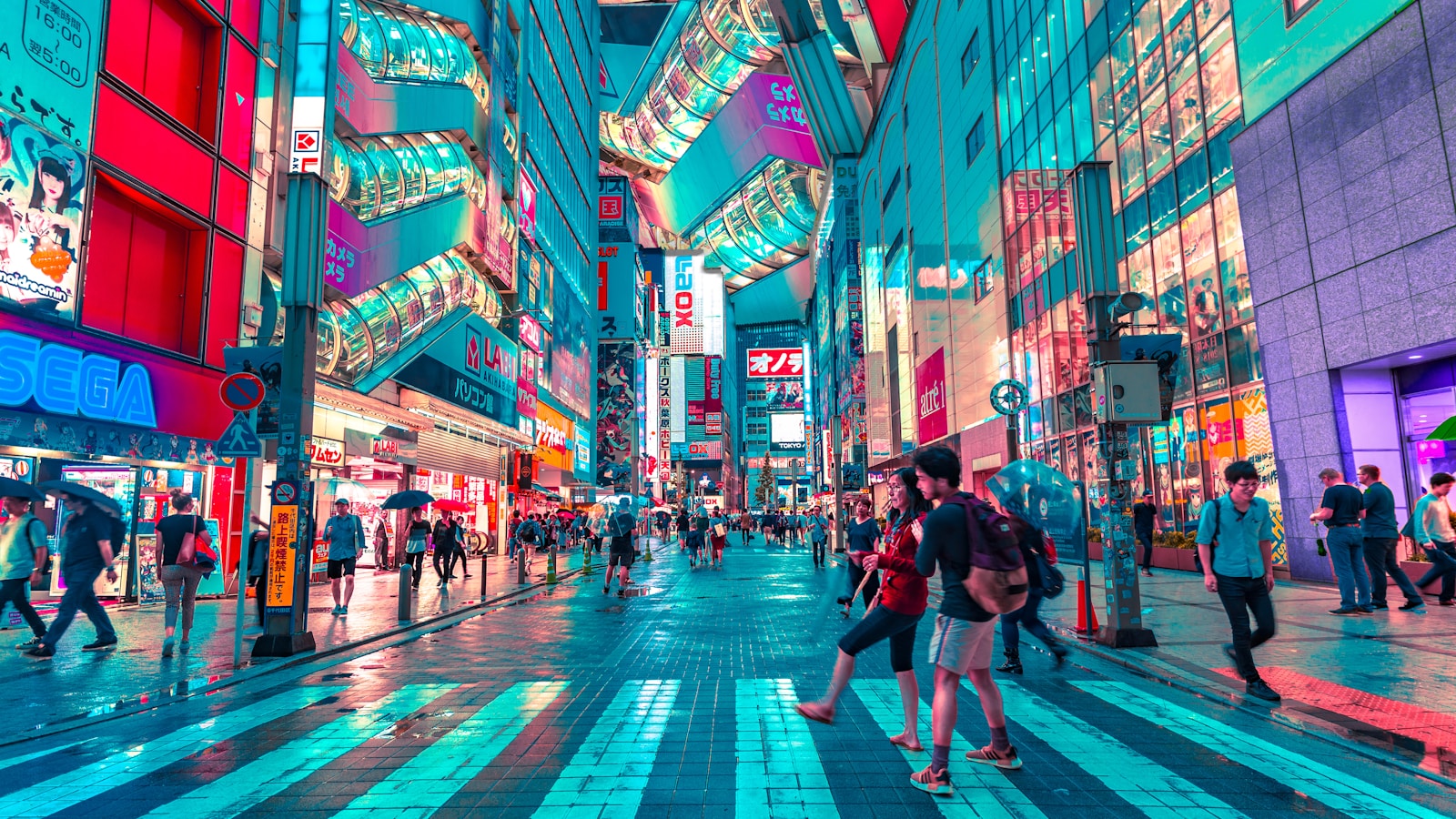
Descend into Shibuya's backstreets—neighborhoods like Dogenzaka or Nonbei Yokocho—for an intimate dinner at a yakitori grill, a small French wine bar, or a modern izakaya with counter seating. The tight quarters and warm lighting create natural intimacy. After dinner, take one last look at Shibuya Crossing from the Starbucks overlook or simply walk the neon-lit streets holding hands before heading back to your hotel by 10 p.m.
Continue in Asakusa or Nihonbashi, or upgrade to a hotel near Roppongi or Shibuya if you prefer to be closer to nightlife. Couples often appreciate Roppongi's mix of quiet residential blocks and easy access to late dining.
Day 3 — Imperial Gardens & Ginza Elegance
Another unhurried start. Enjoy breakfast at a hotel lounge or nearby café, then metro to Tokyo Station. Enter the East Gardens of the Imperial Palace around 10 a.m. These free public gardens offer wide lawns, historic stone walls, and peaceful walking circuits. Climb to the old Edo Castle foundations for surprisingly open views across central Tokyo. The gardens close by 4 p.m. most days, so morning visits ensure you have ample time without rushing. Benches beneath cherry or plum trees invite lingering.
Walk south into Ginza. Choose a tempura specialist on an upper floor with window seating, or find a soba restaurant tucked along Ginza's side streets. Lunch here trends upscale but portion sizes and set menus keep costs manageable if you avoid dinner pricing.
Spend the afternoon wandering Ginza's wide boulevards and smaller cross streets. Visit the flagship Sony Park for futuristic design, browse the Itoya stationery emporium's nine floors of paper goods, or simply enjoy the district's polished elegance. Around 4 p.m., walk toward the Marunouchi side of Tokyo Station to admire the restored red-brick façade. If weather permits, the nearby Wadakura Fountain Park offers waterside seating for a quiet moment before evening.
Return to Ginza for your final Tokyo dinner. Splurge on a teppanyaki counter where chefs prepare Wagyu beef inches from your seats, or opt for an intimate sushi bar with omakase service. Either choice rewards couples seeking a memorable close to the trip. After dinner, walk through Ginza's illuminated streets one last time, perhaps stopping at a cocktail bar with low lighting and jazz. Return to your hotel by 10 p.m. to pack and rest before departure.
Same as previous nights, or if departing early the next morning, consider a hotel near Tokyo Station in Marunouchi for direct airport access and a final taste of central Tokyo's elegance.
Where to Stay
Budget couples should look to Asakusa's mid-rise business hotels along Kaminarimon-dori or near Tawaramachi Station. Rooms are compact but clean, breakfast is often included, and the neighborhood's traditional feel adds character without premium pricing. Mid-range travelers will find excellent value in Nihonbashi or Kyobashi, where newer chain properties offer larger rooms, sleek design, and walkability to Ginza and Tokyo Station. For luxury, seek out boutique properties in Marunouchi or Roppongi that emphasize design, rooftop bars, and personalized service. These neighborhoods position couples near fine dining and late-night options while maintaining quieter daytime streets. Avoid Shinjuku's mega-hotels unless you prioritize transit access over romantic ambiance—those towers cater to tour groups, not couples.
What to Skip
Shibuya Crossing's Scramble Square observation deck charges admission for a view you can enjoy free from street level or Hikarie—save the ticket cost for dinner instead.
Harajuku's Takeshita Street on weekends becomes a shoulder-to-shoulder crush of teenagers and souvenir stalls; walk it on a weekday morning if curiosity strikes, but it offers little for couples seeking intimacy.
TeamLab Borderless (currently relocated) and similar digital art exhibits draw massive crowds and require timed tickets booked weeks ahead—romantic in theory, but the reality involves jostling for photo ops.
Roppongi Hills Mori Tower's observation deck duplicates what you'll see from Shibuya Sky or free city viewpoints; the surrounding mall feels generic.
Odaiba's waterfront appeals mainly to families; the beach is artificial, shopping is chain-heavy, and the trek from central Tokyo eats hours better spent in historic or intimate neighborhoods.
Budget Breakdown (Per Person)
Pricing reflects partner data and traveler review patterns. Actual costs vary by season, currency, and category. Flights not included.
Map of the Itinerary
This itinerary keeps you within central Tokyo's compact core. Day one flows south to north—Hamarikyu to Tsukiji to Asakusa—primarily via the Oedo and Asakusa subway lines with one 15-minute walk along the river. Day two moves west: Harajuku to Omotesando to Shibuya forms a gentle 2.5-kilometer walking arc punctuated by cafés and shops, requiring just one metro ride from your hotel. Day three stays within the Imperial Palace, Marunouchi, and Ginza triangle—all walkable in under 20 minutes per segment. Expect about 8,000-10,000 steps daily, mostly on flat pavement. Metro rides rarely exceed 20 minutes, and you'll use the Yamanote, Ginza, and Marunouchi lines most frequently.
Frequently Asked Questions
Do we need to book restaurants in advance for this itinerary?
For casual lunch spots like sushi counters in Tsukiji or ramen shops near Harajuku, walk-ins work fine, especially if you dine slightly off-peak—around 1 p.m. or 2:30 p.m. For your final evening splurge in Ginza, reservations are strongly recommended, particularly for teppanyaki or omakase sushi restaurants where seating is limited. Many accept reservations through hotel concierges or services like Pocket Concierge. Book three to seven days ahead to secure evening slots. Mid-range izakayas and bistros in Shibuya and Asakusa typically accommodate walk-ins but may have waits after 7 p.m. on weekends.
Is three days enough to feel relaxed rather than rushed in Tokyo?
Yes, if you resist the urge to overschedule. This itinerary intentionally clusters activities within three geographic zones—Asakusa, Harajuku-Shibuya, and Marunouchi-Ginza—to minimize transit time and maximize strolling. Unhurried mornings mean you start sightseeing around 10 a.m., avoiding early alarm fatigue. Three days won't cover all of Tokyo, but it delivers the essence: traditional gardens, neon energy, and intimate dining. Couples who try to add Nikko day trips or bounce between ten neighborhoods inevitably feel rushed. Depth over breadth makes short trips memorable.
What's the best way to handle transportation for two people?
Purchase a single rechargeable Suica or Pasmo IC card per person at any metro station upon arrival. Tap on, tap off—no ticket machines or route planning required. Daily metro costs run about 800-1,000 yen per person, far cheaper and simpler than tourist passes unless you plan multiple long-distance trips. Tokyo's subway lines interconnect efficiently, and Google Maps provides real-time directions in English. Taxis make sense late at night from Shibuya or Roppongi back to your hotel, costing roughly 2,000-3,000 yen for short rides. Walking between adjacent neighborhoods—Ginza to Marunouchi, Harajuku to Shibuya—saves money and reveals streetscapes you'd miss underground.
Should we plan activities around cherry blossoms or autumn foliage?
Only if your dates already fall during peak windows—late March through early April for sakura, mid-November for autumn color. Both seasons bring stunning beauty but also hotel price surges and crowded parks. If you're flexible, aim for shoulder periods: early May after Golden Week or late October before the leaf-peeping rush. Gardens like Hamarikyu and the Imperial East Gardens remain beautiful year-round with seasonal plantings. This itinerary's focus on intimate experiences means you'll enjoy Tokyo regardless of foliage, though spring and fall offer the most comfortable walking temperatures between 15-22°C.
How much Japanese do we need to know?
Very little, but learning basic phrases—hello, thank you, excuse me—enhances interactions and shows respect. Tokyo's metro signage, major restaurants, and hotels operate bilingually. Google Translate's camera function reads menus instantly. Smaller izakayas and neighborhood spots may have staff with limited English, but pointing, gestures, and translation apps bridge gaps easily. Challenges arise more with cultural norms—removing shoes at certain restaurants, proper chopstick etiquette—than language barriers. Couples who embrace occasional confusion as part of the adventure report richer experiences than those who stick exclusively to English-speaking establishments.