








Quick Answer
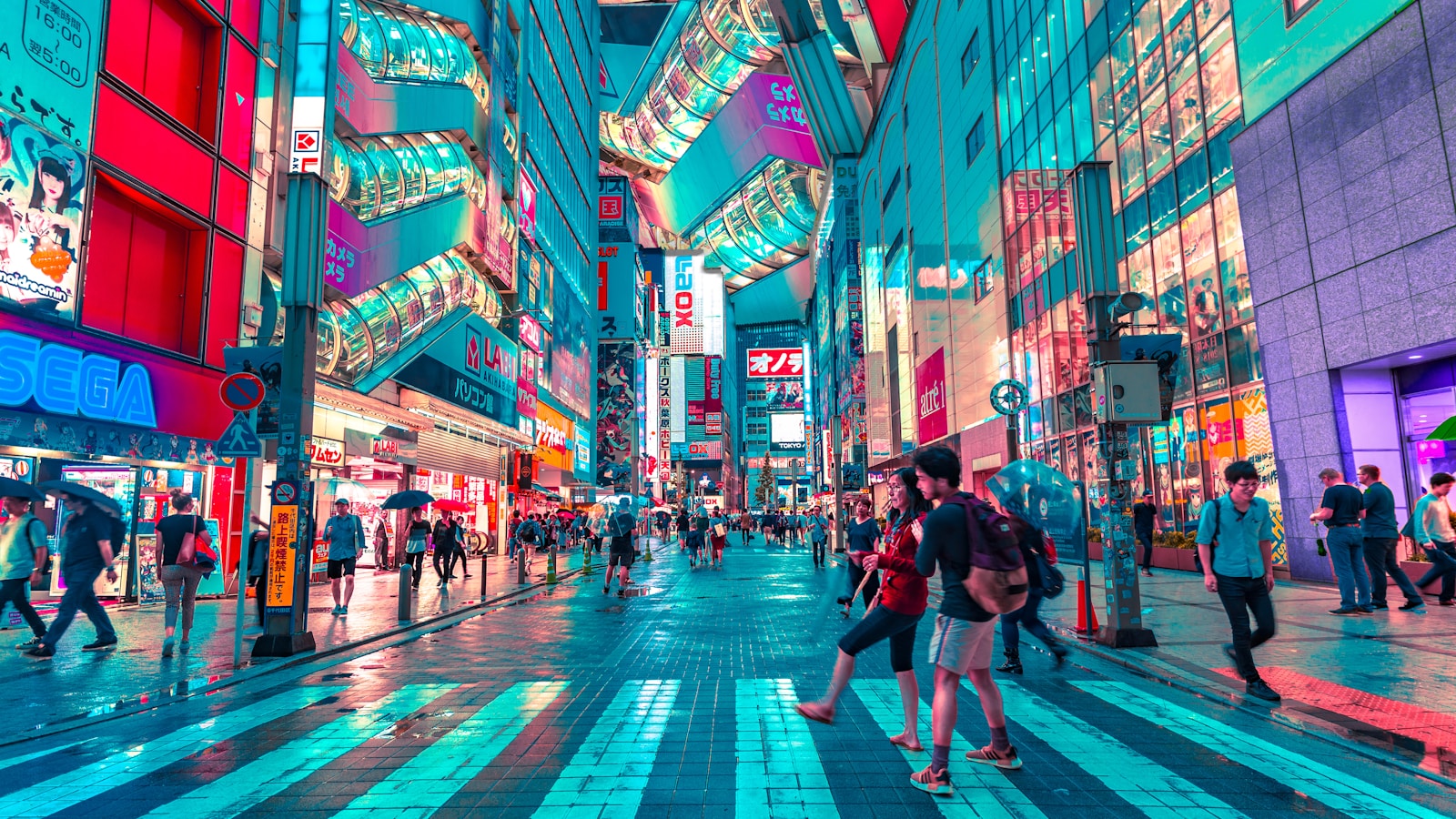
Tokyo's contradiction is what makes it work. You will be standing in a neon canyon in Shinjuku that looks like science fiction, then walk five minutes and find a 400-year-old shrine where nobody is talking. The trains run on the second, the convenience stores are better than most restaurants back home, and the politeness is real. Hotels start from $130/night and spring or fall are unbeatable.
Explore Tokyo in Detail
Find Hotels in Tokyo
Hotel listings for Tokyo are currently being updated.
Top Tours in Tokyo

Tsukiji Outer Market Food Tour
Eat your way through the famous outer market with a local guide. Try tamago, sashimi, wagyu skewers, sake, and matcha treats at family-run stalls.
Book This Tour →
Mount Fuji and Hakone Day Trip
Bullet train to Mount Fuji's 5th station, cable car over volcanic hot springs, a cruise on Lake Ashi, and return by shinkansen. Iconic Japan in one day.
Book This Tour →
TeamLab Borderless Digital Art Museum
Immersive digital art installation that has become Tokyo's must-do experience. Wander through rooms of projected light, mirrors, and interactive forests.
Book This Tour →Top Things to Do in Tokyo
The experiences travelers come back to Tokyo for, year after year.
Itineraries for Tokyo
Day-by-day plans built by travelers who actually went.
Tokyo in 3 Days
The essential first-time itinerary — the must-sees you came for, plus the local moments you came home talking about.
Tokyo for Couples
Quiet mornings, slow dinners, and the views the brochures don't show. Built for two.
Tokyo with Kids
Activities everyone enjoys, restaurants that welcome little ones, and downtime built into the plan.
Getting Around Tokyo
Renting a car is one of the best ways to explore Tokyo at your own pace. Compare rates from all major suppliers in one search.
Best Time to Visit Tokyo
Best months to visit Tokyo: April–June and September–October offer mild weather and fewer crowds. July–August is peak season. December–February is coldest but cheapest.
Why Visit Tokyo?
Tokyo does not feel like one city. It feels like thirty cities stitched together that happen to share a train system. You can spend a morning in Asakusa with the incense and the 1,400-year-old temple, then take a 12-minute train to Akihabara and be surrounded by eight-story electronics stores and arcades that have not closed since 1985.
That range is what makes it the trip. The food alone justifies the flight. A perfect $9 ramen at a six-seat counter where the chef has not changed his recipe in 30 years. A convenience store egg sandwich that ruins you for breakfast forever. Sushi at a place you booked four months ago that costs as much as a weekend in Vegas and is somehow still worth it. And running underneath all of it is the politeness, the cleanliness, the trains that arrive within 20 seconds of when they are supposed to. Tokyo is the most foreign city most travelers will ever visit, and also somehow one of the easiest.
Frequently Asked Questions — Tokyo
How much does a hotel in Tokyo cost per night?
Tokyo hotels range from $130 per night for a clean business hotel like APA or Tokyu Stay up to $825 for luxury properties like the Mandarin Oriental. Mid-range hotels in Shinjuku, Shibuya, and Ginza average $200-$320 per night. Capsule hotels run $35-$60 if you want the experience. Book 90 days ahead for cherry blossom season in late March and early April.
What is the best time to visit Tokyo?
Late March through early April for cherry blossoms is iconic but crowded and expensive. October and November deliver cool weather, foliage, and lower prices. May is another sweet spot with comfortable temperatures before the rainy season. Avoid late June through August when humidity is brutal and typhoons are possible. February is cold but cheap with clear views of Mount Fuji.
How many days do you need in Tokyo?
Five to seven days lets you cover the city properly. That includes Shinjuku and Shibuya for the famous neon, Asakusa and Yanaka for traditional Tokyo, Akihabara for electronics and anime, Harajuku for fashion, Tsukiji or Toyosu for fish markets, and a day trip to Mount Fuji or Nikko. Three days is enough for a first taste but you will leave wanting more.
Is Tokyo safe for tourists?
Tokyo is consistently ranked among the safest major cities in the world. Violent crime is extremely rare, lost wallets routinely get returned with cash intact, and women can walk alone at night in most neighborhoods. Standard precautions still apply. Watch for pickpockets in crowded train stations, be aware of touts in Roppongi nightlife districts, and follow earthquake guidance if you feel a tremor.
What is the best area to stay in Tokyo?
Shinjuku is the easiest base with massive train connections, restaurants, and nightlife. Ginza is upscale and central, great for shopping and Michelin dining. Shibuya is younger and more chaotic. Asakusa is traditional and quiet at night. Tokyo Station area is convenient for day trips. Avoid Roppongi unless nightlife is your main goal.
How do I get around Tokyo?
The train and subway system is the best in the world but initially overwhelming. Buy a Suica or Pasmo IC card on arrival and tap through gates. Google Maps gives accurate train directions including platform numbers. A 72-hour subway pass costs about $11 and is excellent value. Taxis are expensive ($5 just to start) but spotless and well-driven. Rideshares barely exist.
Do I need to speak Japanese to visit Tokyo?
No, but it helps more than in most major cities. English is common in major hotels, tourist attractions, and large restaurants, but less so in small izakayas, neighborhood shops, and outside central Tokyo. Train station signs are in English. A translation app handles 90 percent of situations. Learning sumimasen (excuse me) and arigato gozaimasu (thank you very much) goes a long way.