
This three-day Tokyo itinerary covers the city's essential highlights for first-timers: historic temples, cutting-edge neighborhoods, culinary markets, and neon-lit entertainment districts. Efficiently routed to minimize backtracking, it balances iconic landmarks with authentic local experiences. Budget approximately $850-1100 per person, excluding flights.
At a Glance
Day 1 — Central Tokyo Classics
Start at Tsukiji Outer Market by 8:00 AM for breakfast and people-watching among vendors selling premium seafood, pickles, and tamagoyaki. The energy here reveals Tokyo's culinary soul. Walk fifteen minutes east to Hamarikyu Gardens, a traditional landscape garden with tidal ponds and a teahouse offering matcha overlooking the water. The contrast between serene greenery and surrounding skyscrapers captures Tokyo's dual nature. Spend ninety minutes wandering the manicured paths before heading north via Yurikamome line toward Ginza, Tokyo's upscale shopping district, for a brief stroll through polished department stores and architectural showcases.
Choose a tonkatsu specialist or tempura counter in Ginza's side streets. Expect beautifully fried pork cutlets with shredded cabbage or delicate vegetable and shrimp tempura over rice. These lunch sets typically run $12-18 and demonstrate Tokyo's mastery of comfort food elevation.
Take the metro to Asakusa, Tokyo's most traditional neighborhood. Sensoji Temple, the city's oldest Buddhist temple, anchors the district with its dramatic Kaminarimon gate and bustling Nakamise shopping arcade. Explore the temple grounds, snap photos of the iconic red lantern, and browse stalls selling traditional snacks and crafts. Cross the Sumida River via water bus or walk to Tokyo Skytree, Japan's tallest structure. Ascend to the observation decks for 360-degree views spanning the entire metropolitan area, Mount Fuji on clear days, and the urban sprawl that defines this megacity.
Return to Asakusa for dinner at an izakaya-style gastropub or a traditional kushikatsu spot serving skewered, breaded meats and vegetables. As evening settles, the temple and surrounding streets take on a quieter, more atmospheric character. Walk along the riverside promenade as lights illuminate Skytree across the water. If energy permits, explore the narrow lanes behind Sensoji for mom-and-pop shops and small eateries frequented by locals. Return to your accommodation by 9:00 PM to rest for tomorrow's busy schedule.
Stay in Asakusa or Ueno for proximity to Day 1 sites and excellent metro connections. These neighborhoods offer mid-range business hotels and guesthouses at reasonable rates, plus authentic local dining and morning market access.
Day 2 — Shibuya, Harajuku & Shinjuku
Begin at Meiji Shrine by 8:30 AM, before tour groups arrive. This Shinto sanctuary sits within a dense forest of 100,000 trees, providing a peaceful counterpoint to the urban intensity ahead. Walk the gravel paths to the main hall, observe purification rituals, and read wooden wish plaques left by visitors. Exit the shrine's southern gate directly into Harajuku, Tokyo's youth fashion epicenter. Stroll Takeshita Street, a narrow pedestrian lane packed with crêpe stands, vintage clothing boutiques, and accessory shops showcasing Japan's kawaii culture. The chaotic energy and bold street fashion provide endless people-watching opportunities.
Find a ramen shop near Harajuku Station specializing in rich tonkotsu or shoyu broth. A hearty bowl with chashu pork, soft-boiled egg, and noodles runs $9-14. Alternatively, try an okonomiyaki restaurant where savory pancakes are grilled tableside, layered with cabbage, protein, and tangy sauce.
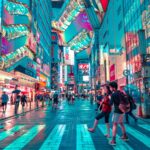
Walk fifteen minutes south to Shibuya Crossing, the world's busiest pedestrian intersection. Time your arrival for mid-afternoon crowds and watch from the second-floor Starbucks or street level as hundreds surge across in choreographed chaos every light cycle. Explore Shibuya's department stores, record shops, and the Hachiko statue commemorating Japan's most loyal dog. By 4:00 PM, metro to Shinjuku and navigate to the Tokyo Metropolitan Government Building's free observation decks on the 45th floor. Sunset views here rival paid observatories, offering western vistas toward Mount Fuji and the sprawling cityscape bathed in golden light.
Descend into Shinjuku's labyrinthine streets for dinner in Omoide Yokocho, a narrow alley lined with tiny yakitori joints grilling skewered chicken over charcoal. The smoky, nostalgic atmosphere captures post-war Tokyo's spirit. Each stall seats six to ten people maximum, creating intimate encounters with locals and fellow travelers. Afterward, explore Kabukicho, Tokyo's neon-drenched entertainment district. While avoiding touts and host clubs, admire the cinematic streetscapes and perhaps visit a themed café or arcade. Return via Shinjuku Station, Japan's busiest transport hub, navigating its controlled chaos back to your hotel.
Remaining in Asakusa or Ueno maintains your base while keeping costs predictable. Both areas connect directly to Shinjuku and Shibuya via the Ginza Line and JR Yamanote Line, with travel times under thirty minutes.
Day 3 — Imperial Tokyo & Akihabara
Visit the East Gardens of the Imperial Palace by 9:00 AM. These former castle grounds showcase traditional Japanese landscaping, stone walls, and the foundations of Edo Castle's main keep. The gardens are meticulously maintained and offer historical context for Tokyo's transformation from feudal stronghold to modern capital. Wander the paths for sixty to ninety minutes, noting seasonal plantings and the contrast between preserved heritage and the contemporary office towers surrounding the moat. Exit toward Tokyo Station, one of Japan's grandest railway terminals, to admire its restored red-brick facade and vaulted interior halls.
Tokyo Station's basement and first floors house depachika food halls and restaurant streets serving every regional Japanese cuisine. Choose a soba noodle shop for buckwheat noodles in hot broth or cold with dipping sauce, or a katsudon specialist for breaded pork cutlet over rice with egg and onion. Lunch sets run $10-16.
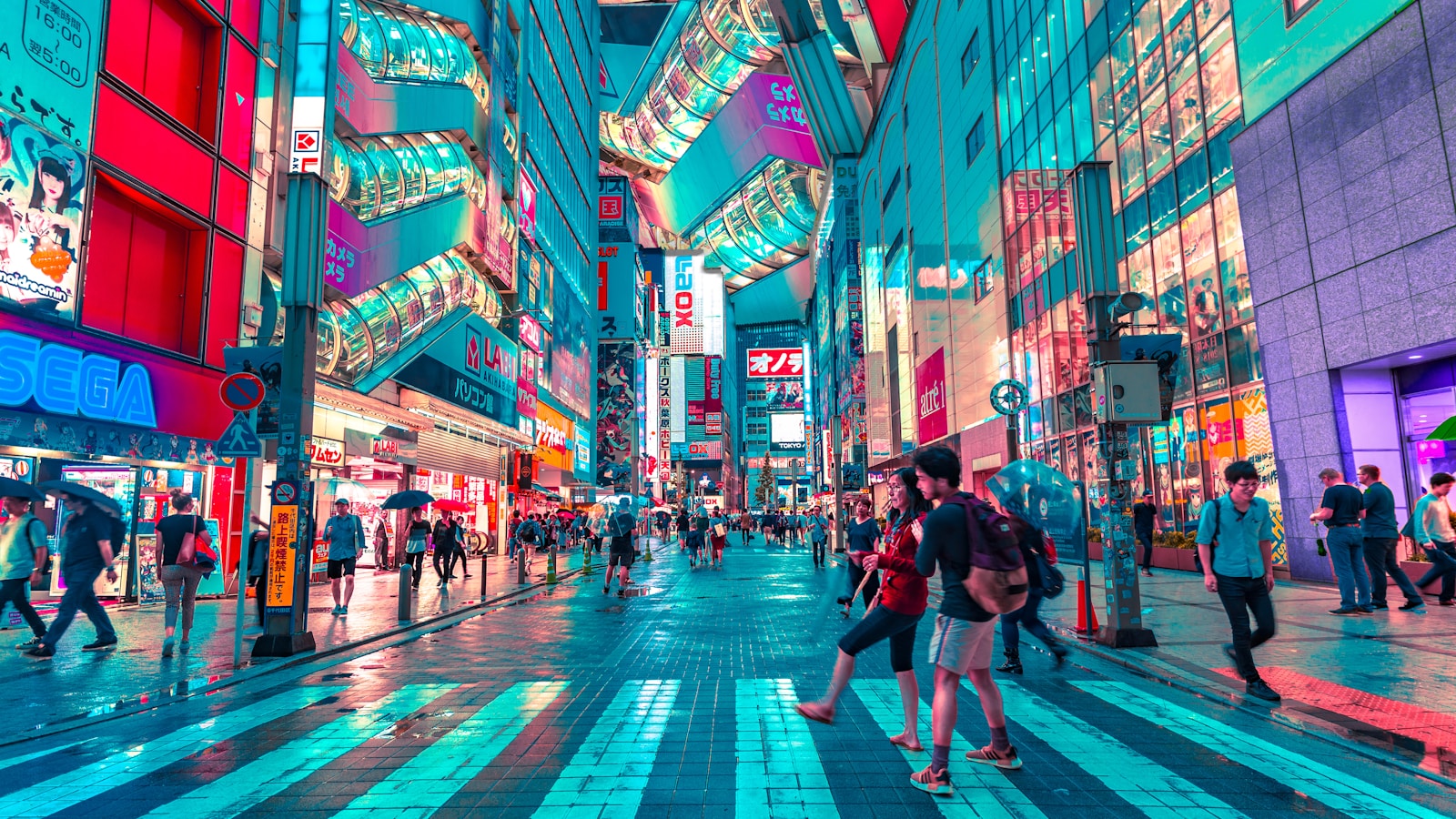
Metro to Akihabara, Tokyo's electronics and anime epicenter. Even non-fans appreciate the sensory overload of multi-story electronics retailers, vintage game shops, maid cafés, and figurine emporiums. Browse floors of cameras, audio equipment, and gadgets at discount prices, or explore used manga and collectible toy stores. The neighborhood represents Japan's pop culture export engine and technological obsession in concentrated form. Spend two hours wandering between Chuo-dori's main drag and the backstreet specialist shops. If time permits, visit nearby Ueno Park to stroll the pond and temple grounds or explore one of its excellent museums.
Return to your hotel area for a farewell dinner at a neighborhood sushi counter or a soba restaurant specializing in handmade noodles. Choose establishments where chefs work in view and the menu focuses on perfecting a narrow repertoire. After dinner, take a final walk through your neighborhood's side streets, perhaps stopping at a convenience store for Japanese snacks and drinks to sample. Reflect on three days that introduced you to Tokyo's layered identity: ancient temples beside neon jungles, quiet gardens within megacity sprawl, and culinary craftsmanship at every price point. Early bedtime recommended if departing tomorrow.
Your established Asakusa or Ueno base works perfectly for Day 3, with direct connections to the Imperial Palace area and Akihabara. Staying put avoids checkout hassles and allows you to leave luggage at the hotel during final explorations.
Where to Stay
Budget travelers should consider Asakusa's guesthouses and capsule hotels, which offer clean, efficient accommodation with shared facilities from $35-60 nightly. The neighborhood provides authentic local atmosphere and excellent transport links. Mid-range visitors will find business hotels throughout Ueno and Asakusa offering compact private rooms with en-suite bathrooms, typically $80-130 per night. These properties emphasize functionality over luxury but include breakfast and often have coin laundries. Travelers seeking comfort should explore Ginza or Marunouchi business hotels, where $180-280 secures larger rooms in modern towers, premium bedding, and locations steps from major stations. These areas trade neighborhood character for polish and convenience, with lobby bars and concierge services catering to international guests.
What to Skip
Robot Restaurant in Shinjuku delivers overpriced spectacle with deafening music, flashy lights, and minimal substance beyond the gimmick. The $60-90 ticket rarely justifies two hours of sensory assault. TeamLab Borderless and Planets, while visually impressive, demand advance tickets, significant travel time to Odaiba or Toyosu, and often disappoint visitors expecting deeper engagement beyond Instagram backdrops. Harajuku's overcrowded crêpe stands charge $8-12 for mediocre sweet crêpes that distract from better food nearby. Roppongi Hills and Tokyo Tower draw crowds despite offering less compelling views than free observation decks at the Metropolitan Government Building. Finally, themed cafés beyond one quick visit drain budgets without adding meaningful cultural insight, typically charging $15-25 for average food and a photo opportunity.
Budget Breakdown (Per Person)
Pricing reflects partner data and traveler review patterns. Actual costs vary by season, currency, and category. Flights not included.
Map of the Itinerary
This itinerary creates an efficient loop through Tokyo's geographic zones. Day 1 traces the eastern waterfront from Tsukiji north through Ginza to Asakusa and Skytree, requiring two to three metro rides with minimal backtracking. Day 2 crosses to the western core, connecting Harajuku, Shibuya, and Shinjuku along the Yamanote Line in a natural south-to-north flow with fifteen-minute walking segments between stations. Day 3 anchors around central Tokyo Station before heading northeast to Akihabara, then returning to your eastern accommodation base. Total daily walking ranges from five to seven miles, but metro hops break up distances into manageable twenty-minute segments. The routing minimizes cross-city slogs while hitting Tokyo's essential neighborhoods in logical geographic progression.
Frequently Asked Questions
Do I need a JR Pass for this three-day Tokyo itinerary?
No. The JR Pass becomes cost-effective only when making multiple long-distance trips between cities. For three days within Tokyo, purchase a rechargeable Suica or Pasmo IC card for $5-10 and load it with $30-40. These cards work on all metro lines, JR trains, buses, and even convenience store purchases. Your daily transport costs will run $8-12 depending on routing, far below the $80+ daily cost of a JR Pass. The IC card eliminates ticket-buying friction and simply deducts fares as you tap through gates.
How much cash should I carry daily in Tokyo?
Carry $50-80 in yen daily, obtained from 7-Eleven or post office ATMs which accept most international cards. While credit cards work at hotels, major restaurants, and department stores, many smaller eateries, shrines, market stalls, and local shops remain cash-only. Coins are heavily used for vending machines, lockers, and temple donations. Visit an ATM every other day rather than exchanging large sums at once. Japan has extremely low crime rates, making cash carrying safer than in most destinations, but use hotel safes for excess amounts.
What's the best time to visit Tokyo for first-timers balancing weather and crowds?
Late March through May and September through November offer ideal conditions. Spring brings cherry blossoms, mild temperatures, and manageable crowds outside peak hanami weekends. Autumn delivers comfortable weather, fall foliage in parks and gardens, and generally clearer skies for Mount Fuji views. Avoid late July through August's oppressive humidity and crowds, plus Golden Week in early May and Obon in mid-August when domestic tourism peaks. Winter can work if you accept shorter days and occasional cold snaps, but indoor attractions and excellent heating systems keep exploration comfortable.
Is the language barrier manageable for English-only travelers in Tokyo?
Yes, with preparation. Major stations, tourist sites, and hotels have English signage and staff with basic English skills. Download Google Translate with Japanese language pack for offline use and learn basic phrases like 'sumimasen' for excuse me. Restaurant picture menus are common, and pointing works. Carry your hotel's business card in Japanese for taxi drivers. The Tokyo Metro app provides English navigation. Most challenges involve reading menus at local spots, but photo menus, plastic food displays, and translation apps bridge gaps. Japanese people typically go out of their way to help confused tourists, even with limited shared language.
Can I realistically see Mount Fuji during my three-day Tokyo trip?
Viewing from Tokyo's observation decks is possible on clear days, typically in cooler months with lower humidity, but never guaranteed. The mountain sits sixty miles away and disappears behind haze most summer days. For reliable Fuji views, book a fourth day for a dedicated trip to Hakone, Kawaguchiko, or take the shinkansen toward Osaka with strategic seating. Your three-day itinerary prioritizes Tokyo's urban attractions over day-tripping because train time would consume four to five hours, leaving little for the city itself. If Fuji is essential, extend your stay or accept distance viewing as a bonus rather than expectation.