








Quick Answer
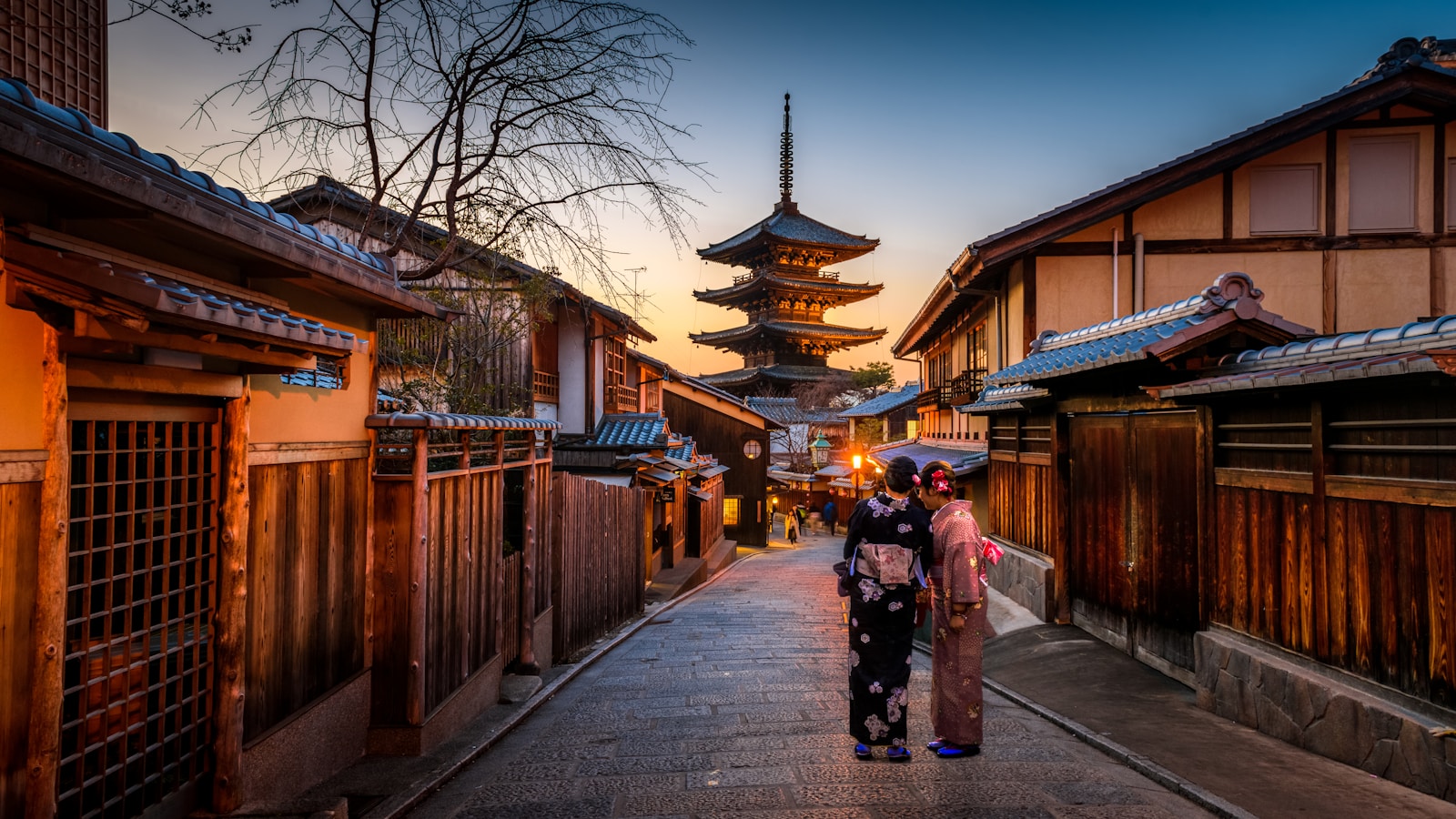
Kyoto is what Japan looked like before Tokyo got reinvented by steel and neon. 1,600 Buddhist temples, geisha quarters where you might actually see a maiko at dusk, and the bamboo forest at Arashiyama that does sound a particular way when the wind moves through it. Hotels start from $140/night and April (cherry blossoms) and November (fall colors) are unbeatable but expensive.
Explore Kyoto in Detail
Find Hotels in Kyoto
Hotel listings for Kyoto are currently being updated.
Top Tours in Kyoto

Arashiyama Bamboo Grove and Monkey Park
Walking tour of the bamboo forest, the Iwatayama monkey park, and the Sagano scenic railway with a traditional lunch.
Book This Tour →
Gion Geisha District Evening Walk
Small-group walking tour at dusk through the wooden machiya streets of Gion with the chance to glimpse a maiko on her way to a teahouse.
Book This Tour →
Fushimi Inari and Kiyomizu-dera Tour
Half-day temple tour of the orange tori gate path up Mount Inari and the wooden Kiyomizu-dera with panoramic city views.
Book This Tour →Top Things to Do in Kyoto
The experiences travelers come back to Kyoto for, year after year.
Itineraries for Kyoto
Day-by-day plans built by travelers who actually went.
Kyoto in 3 Days
The essential first-time itinerary — the must-sees you came for, plus the local moments you came home talking about.
Kyoto for Couples
Quiet mornings, slow dinners, and the views the brochures don't show. Built for two.
Kyoto with Kids
Activities everyone enjoys, restaurants that welcome little ones, and downtime built into the plan.
Getting Around Kyoto
Renting a car is one of the best ways to explore Kyoto at your own pace. Compare rates from all major suppliers in one search.
Best Time to Visit Kyoto
Best months to visit Kyoto: April–June and September–October offer mild weather and fewer crowds. July–August is peak season. December–February is coldest but cheapest.
Why Visit Kyoto?
Kyoto is where you go to feel the older Japan that Tokyo paved over. The 1,600-year-old temples are not museum pieces, they are working religious sites where monks sweep the courtyards at dawn and tourists fall silent.
Fushimi Inari is the orange tori gates climbing the mountain forever. Kinkaku-ji is the gold pavilion floating on a pond like a painting. Arashiyama is the bamboo grove and the monkey park and the boat rides on the river. The geisha district of Gion at 5pm has a small chance of an actual maiko hurrying to an appointment in full kimono, the most photographed and most respected sight in the city. Kyoto food is its own thing. Kaiseki at a 200-year-old machiya restaurant is one of the great culinary experiences of the world. Yudofu (tofu hot pot) is what Buddhist monks eat. Stay near Gion or Karasuma for walkability. Three full days is enough to scratch the surface. Combine with two days in Osaka or two days in Tokyo (40 min by bullet train).
Frequently Asked Questions — Kyoto
How much does a hotel in Kyoto cost per night?
Kyoto hotels run $140-$985 per night depending on category and season. Mid-range properties average $200-$380 per night. Book 60-90 days ahead during peak season for the best rates.
What is the best time to visit Kyoto?
April (cherry blossoms) and November (fall colors) delivers the best weather and value combination in Kyoto. Shoulder months offer lower prices with decent conditions. Avoid major holidays and local events when rates spike.
How many days do you need in Kyoto?
3 to 5 days is the sweet spot for Kyoto. That gives you enough time to hit the main sights, a day trip or two, and a buffer day to slow down.
Is Kyoto safe for tourists?
Kyoto is among the safest cities in the world. Risks are heatstroke in August, slippery temple steps in rain, and the photo etiquette confrontation in Gion (tourists harassing geisha became a real problem; signs are everywhere).
What is the best area to stay in Kyoto?
Gion for the wooden machiya district and walkable temple access. Karasuma or downtown near Nishiki Market for shopping and transit. Northern Higashiyama for quieter streets near the philosophical path. Avoid hotels far from a subway or JR station.
How do I get around Kyoto?
Buses are the workhorse but get packed during cherry blossom and fall color seasons. The two subway lines cover north-south and east-west. JR Sagano Line for Arashiyama. Walking is wonderful in the temple districts. Taxis are pricey but excellent.
Do I need to speak the local language to visit Kyoto?
Some Japanese helps but is not required. English is widely available at hotels, major restaurants, and temple visitor centers. Translation apps and pre-printed cards help in the older shops.