






The best solo travel destinations for first-timers in 2026 include Lisbon (walkable neighborhoods, affordable hostels), Tokyo (ultra-safe, intuitive transit), Bali (wellness scene, friendly expat community), Amsterdam (bike-friendly, English spoken everywhere), Edinburgh (compact city, festival culture), Bangkok (budget-friendly, vibrant street life), Reykjavik (outdoor adventure, low crime), Porto (relaxed pace, river views), and Melbourne (café culture, accessible day trips). Choose based on your budget, climate preference, and whether you prioritize culture, nature, or social atmosphere.
Stepping onto a plane alone for the first time is a threshold moment. The months before departure often feel heavier than the trip itself—worries about loneliness, safety, logistics, and whether you’ll regret not bringing a friend. Those concerns are valid, but they’re also manageable when you choose a destination designed to welcome solo travelers. The right city or region can turn apprehension into momentum.
This guide covers nine destinations that consistently prove themselves friendly to first-time solo travel. Each offers a combination of intuitive infrastructure, social opportunities, safety benchmarks, and enough English fluency to smooth early interactions. Some lean budget-friendly, others mid-range. Some reward urban explorers, others nature seekers. What they share is a track record of helping nervous beginners find their footing fast.
You’ll find hotel price ranges drawn from partner booking data, seasonal guidance based on weather and crowd patterns, and specific neighborhoods or activities that anchor each destination. No fluff, no invented statistics, no claims of personal visits. Just a practical framework to help you pick a place that matches your risk tolerance, interests, and budget as you plan your first solo trip in 2026.
Lisbon, Portugal
Lisbon combines Old World charm with a relaxed social atmosphere that feels custom-built for solo beginners. The city is compact enough to navigate on foot, yet layered with hills, trams, and tiled facades that reward aimless wandering. English is widely spoken in tourist zones, and the local pace is unhurried—people linger over coffee, strike up conversations at miradouros (viewpoints), and generally make space for newcomers.
Accommodation runs affordable compared to other Western European capitals. Partner data shows hostel dorms starting around $18–30 per night, with private rooms in guesthouses or budget hotels ranging from $50–90. Mid-range options with central locations typically fall between $90–140. The city’s hostel scene is among Europe’s most social, with organized pub crawls, group dinners, and walking tours that make it easy to meet other travelers without forced interactions.
Visit between March and May or September through early November for moderate temperatures and fewer crowds. Summer (June–August) brings heat and peak tourist volume, though the beach towns of Cascais and Costa da Caparica offer relief. Winter is mild but rainier, with hotel prices dipping noticeably.
Alfama is the historic heart—narrow lanes, fado houses, and a village-like feel despite being minutes from downtown. Bairro Alto offers nightlife and a younger crowd, with bars spilling onto cobblestone streets. Belém, slightly west, anchors day trips around the monastery, tower, and famous pastéis de nata. Lisbon suits travelers who want European culture and social opportunities without the price tag of Paris or Amsterdam, and who don’t mind occasional language barriers outside tourist hubs.
Tokyo, Japan
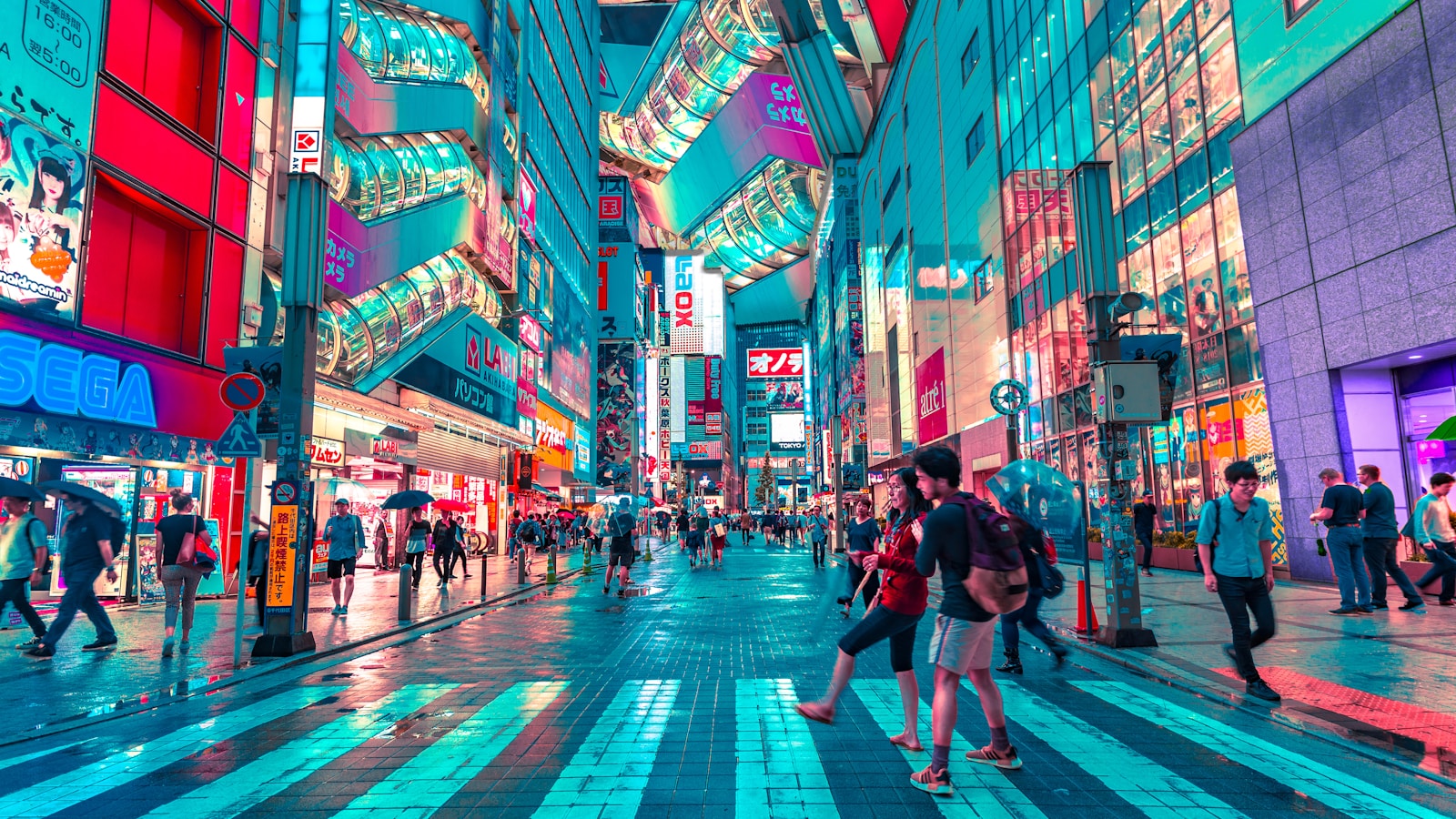
Tokyo earns its reputation as one of the safest major cities in the world, a quality that matters enormously when you’re traveling alone for the first time. Street crime is exceptionally rare, public transit is punctual to the minute, and even complex logistics—train transfers, restaurant ordering, hotel check-ins—feel manageable thanks to widespread English signage and a culture that values helpfulness.
Hotels range widely. Capsule hotels start around $25–45 per night and offer a uniquely Japanese budget option, though they can feel claustrophobic. Business hotels in neighborhoods like Shinjuku or Ueno typically run $60–110, with small but efficient rooms. Mid-range Western chains or boutique properties range from $110–180. Hostels exist but are less common than in Europe, and they tend to be quieter, with fewer organized social events.
Spring (late March to April) brings cherry blossoms and mild weather but also peak crowds and higher prices. Fall (October–November) offers comfortable temperatures and autumn foliage without the same tourist crush. Summer is hot and humid; winter is cold but clear, with fewer visitors and better deals on accommodation.
Shibuya and Harajuku deliver urban energy, shopping, and people-watching. Asakusa provides traditional temples and a slower pace near the Sumida River. Day trips to Nikko (shrines and mountains) or Kamakura (coastal temples) are easy via Japan Rail. Tokyo suits solo travelers who prioritize safety and efficiency over spontaneous social interaction, and who are comfortable navigating a city where English conversation is limited outside hotels and major attractions.
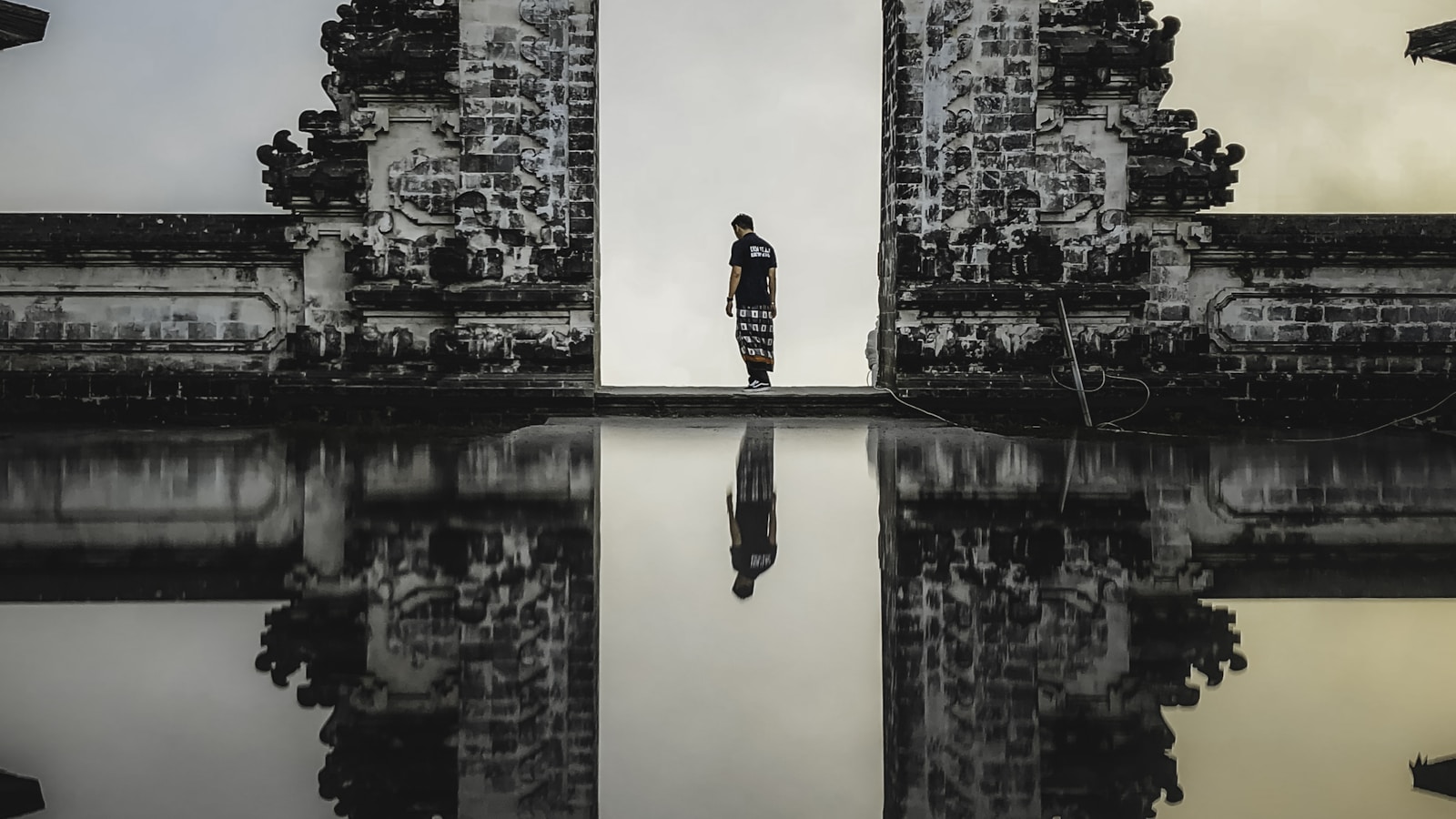
Bali, Indonesia
Bali has built an entire ecosystem around solo travelers, particularly those drawn to wellness, yoga, and creative communities. The island’s infrastructure is geared toward independent movement—scooter rentals are ubiquitous, ride-hailing apps work smoothly, and guesthouses often double as social hubs. English is widely spoken in tourist areas, and the cost of living is low enough that even budget travelers can afford occasional indulgences like massages or cooking classes.
Accommodation is exceptionally affordable. Basic guesthouses or homestays start around $10–20 per night. Mid-range hotels with pools and breakfast range from $30–70. Upscale resorts or boutique villas can run $100–250, offering luxury at a fraction of Western prices. Many properties host communal dinners or group activities, creating natural opportunities to meet other solo travelers without the hostel bunk-bed experience.
The dry season (April–September) is ideal, with consistent sunshine and lower humidity. The wet season (October–March) brings afternoon rains and occasional flooding, but also fewer tourists and better deals. July and August see peak crowds, particularly in Ubud and the southern beaches.
Ubud is the cultural and wellness center, surrounded by rice terraces and filled with yoga studios, cafés, and art galleries. Canggu attracts a younger, surf-oriented crowd with beach clubs and coworking spaces. Sanur offers a quieter, family-friendly beach with less nightlife. Bali suits solo travelers seeking a blend of nature, spirituality, and social atmosphere, especially those comfortable navigating developing-world infrastructure and occasional chaos.
Amsterdam, Netherlands
Amsterdam is small, flat, and bike-friendly—three qualities that make solo exploration intuitive even for first-timers. The city’s layout is logical, with concentric canals radiating from the center, and nearly everyone speaks fluent English. Public transit is reliable, though most visitors find walking or renting a bike simpler for getting around. The social scene ranges from quiet canal-side cafés to bustling hostels with nightly bar crawls, giving you control over how much interaction you want.
Hostels start around $25–45 for dorms, with privates ranging from $70–120. Budget hotels or guesthouses typically fall between $90–150, though Amsterdam is pricier than Lisbon or Bali. Mid-range canal-side hotels run $150–250. Booking well in advance helps, especially during tulip season (April) or summer months when prices spike.
Spring (April–May) is peak season due to tulips and mild weather. Fall (September–October) offers a sweet spot with fewer tourists and comfortable temperatures. Summer is crowded and expensive; winter is cold, dark, and quiet, but also cheap and less touristy if you don’t mind limited daylight.
Jordaan is a quieter, residential neighborhood with independent shops and cozy brown cafés. De Pijp offers markets (Albert Cuyp), multicultural dining, and a younger vibe. The Museum Quarter anchors cultural visits with the Rijksmuseum, Van Gogh Museum, and Vondelpark. Amsterdam suits solo travelers who value ease of navigation, English fluency, and a balance between urban culture and green space, though budget-conscious travelers may find costs add up quickly.
Edinburgh, Scotland
Edinburgh packs medieval history, literary heritage, and a manageable size into a city that feels purpose-built for walking. The Old Town and New Town form a compact core where you can cover major sights on foot in a day, yet the city rewards longer stays with hidden closes (alleyways), hilltop views, and a thriving pub culture. English is the native language, which removes a significant barrier for first-time solo travelers, and the Scottish reputation for friendliness holds up in practice—locals tend to be chatty, especially in pubs.
Hostels start around $20–40 for dorms, with private rooms running $60–100. Budget hotels or B&Bs range from $70–120. Mid-range hotels in central locations typically fall between $120–200. The city’s hostel scene is active, with organized events, free walking tours, and communal kitchens that encourage interaction.
August is festival season (Fringe, International Festival, Military Tattoo), bringing enormous crowds, higher prices, and a city-wide party atmosphere. May–June and September offer milder weather and fewer tourists. Winter is cold, dark, and wet, but also quiet and affordable, with Hogmanay (New Year’s) being a notable exception.
Old Town centers around the Royal Mile, Edinburgh Castle, and atmospheric closes. Stockbridge is a quieter, village-like neighborhood with weekend markets and riverside walks along the Water of Leith. Day trips to the Highlands or Loch Ness are easy via organized tours. Edinburgh suits solo travelers who want a mix of culture, history, and outdoor access in a walkable, English-speaking city, though weather can be unpredictable year-round.
Bangkok, Thailand
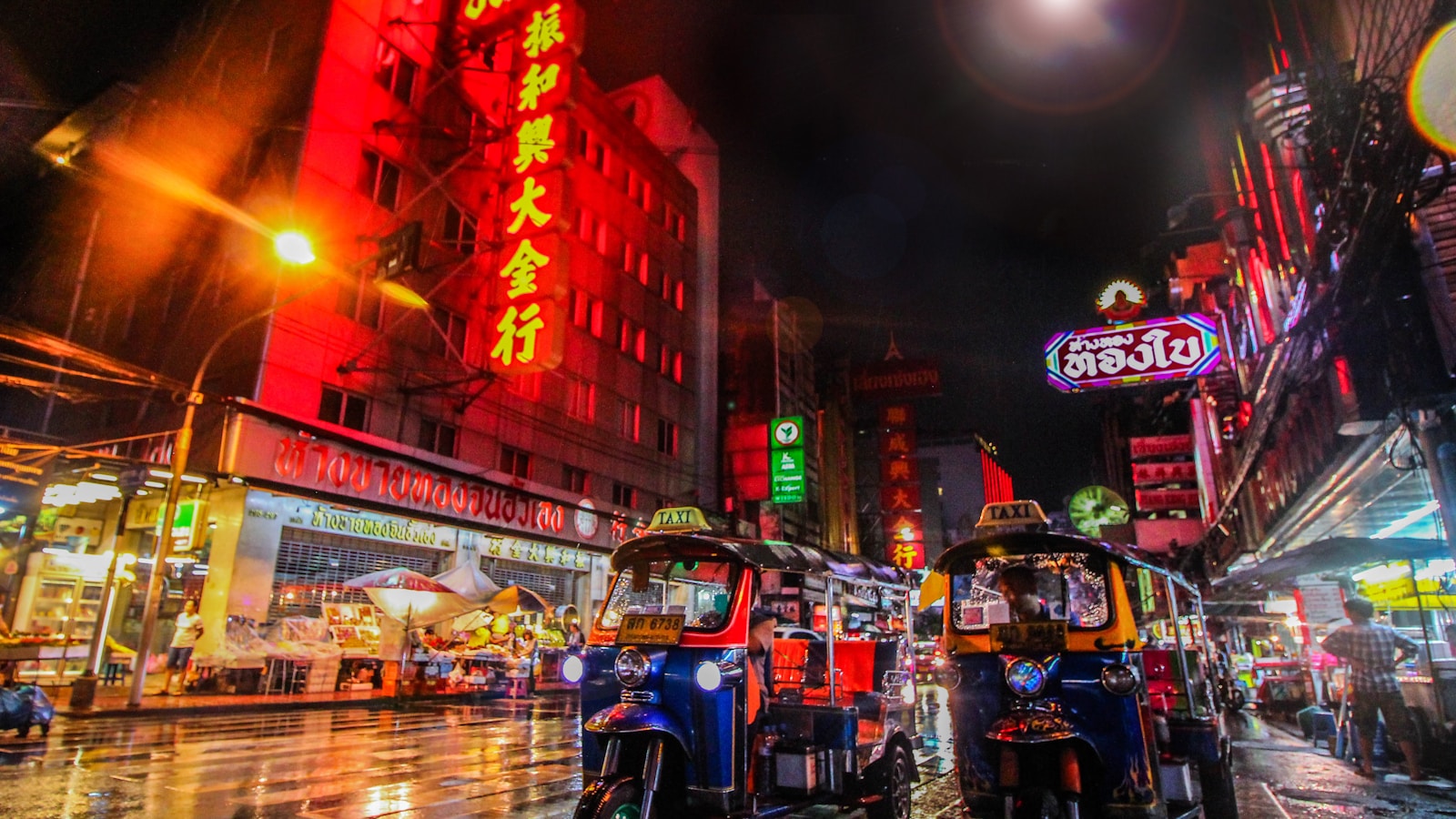
Bangkok serves as Southeast Asia’s gateway city for good reason—it’s affordable, well-connected, and packed with infrastructure that caters to independent travelers. The backpacker trail runs through Khao San Road and surrounding neighborhoods, creating a built-in social scene. Beyond that, the city offers temples, street food, markets, and rooftop bars that span budgets and interests. English is functional in tourist zones, and the BTS Skytrain makes navigation straightforward once you orient yourself.
Hostels start around $8–18 per night for dorms, with private rooms in guesthouses ranging from $15–35. Mid-range hotels with modern amenities run $40–80. Upscale options in central areas like Sukhumvit or Silom range from $80–150. The city’s hostel culture is vibrant, with group outings, pub crawls, and organized day trips to nearby provinces.
November through February is peak season, with cooler (relatively speaking) temperatures and less rain. March–May brings extreme heat, while June–October is the monsoon season—expect afternoon downpours but also fewer tourists and lower prices. December and January see the highest hotel rates and largest crowds.
Khao San Road remains the backpacker epicenter, loud and chaotic but easy for meeting other travelers. Sukhumvit offers a more upscale, expat-oriented experience with better food and nightlife. Rattanakosin (the old city) centers around the Grand Palace, Wat Pho, and historic temples. Bangkok suits budget-conscious solo travelers who want a mix of urban energy, cultural sights, and a ready-made social scene, though the heat and traffic can be overwhelming.
Reykjavik, Iceland
Reykjavik offers a different solo travel model—less about meeting other backpackers in hostels, more about self-reliant exploration of dramatic landscapes and natural phenomena. The city itself is tiny, walkable, and exceptionally safe, with virtually no street crime. English is spoken universally, and Icelandic infrastructure is modern and efficient. The draw here is access to geysers, waterfalls, glaciers, black sand beaches, and the Northern Lights (winter) or midnight sun (summer), all within day-trip range.
Iceland is not cheap. Hostels start around $35–60 for dorms, with private rooms running $70–120. Budget guesthouses range from $80–140. Mid-range hotels typically fall between $140–220. Food, transportation, and activities also run higher than most destinations on this list, so budget accordingly.
June–August offers the warmest weather and longest daylight (nearly 24 hours in midsummer), but also peak crowds and prices. September and April provide shoulder-season deals with Northern Lights potential (September) or longer daylight (April). Winter (November–March) is dark, cold, and stormy, but ideal for aurora hunting and cheaper travel, provided you accept significant weather risks.
The Golden Circle (Þingvellir, Geysir, Gullfoss) is the classic day trip, easily done via rental car or organized tour. The South Coast (Seljalandsfoss, Skógafoss, Reynisfjara beach) offers dramatic scenery within a few hours’ drive. Blue Lagoon is the famous (and touristy) geothermal spa, though locals prefer alternatives like Mývatn or secret lagoons. Reykjavik suits solo travelers prioritizing nature and outdoor adventure over urban culture or social hostels, and who have the budget to absorb Iceland’s high costs.
Porto, Portugal
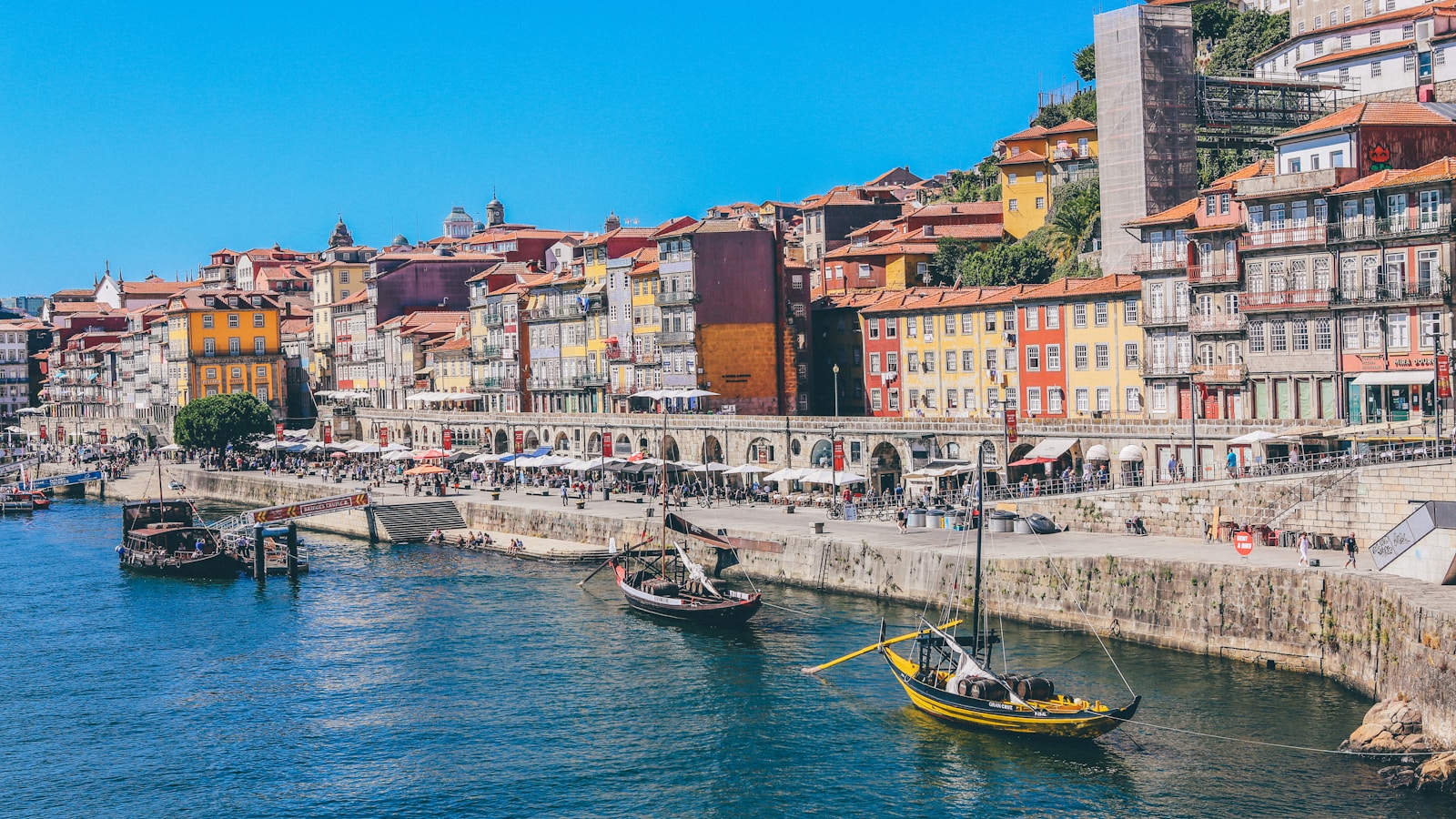
Porto delivers much of what makes Lisbon appealing—walkable neighborhoods, affordable prices, friendly locals—but with a slower pace and fewer tourists. The city sprawls along the Douro River, with steep hills, colorful tile-work, and a historic center that feels lived-in rather than museum-like. Port wine cellars in Vila Nova de Gaia offer tasting tours, riverside restaurants serve grilled sardines and francesinha sandwiches, and the overall vibe is more working-class and authentic than Lisbon’s polished tourism machinery.
Hostels start around $15–28 for dorms, with private rooms ranging from $45–75. Budget hotels or guesthouses run $55–95. Mid-range properties typically fall between $90–150. Porto’s hostel scene is smaller than Lisbon’s but still social, with walking tours, pub crawls, and communal dinners common.
May–June and September–October are ideal, with warm weather and manageable crowds. July–August brings heat and peak tourism. Winter is mild but rainy, with lower prices and fewer visitors. The São João festival in late June fills the city with street parties and fireworks.
Ribeira is the historic riverside district, packed with restaurants and photo-worthy architecture. Cedofeita offers a hipster, arts-oriented neighborhood with independent shops and cafés. Day trips to the Douro Valley for wine tours or the coastal town of Aveiro (canals, beach access) are both under an hour by train. Porto suits solo travelers who want a European city experience without the intensity or price of major capitals, and who value atmosphere over efficiency.
Melbourne, Australia
Melbourne combines urban sophistication with accessible nature and a café culture that rivals any city globally. The downtown core is walkable and bike-friendly, with free tram zones covering major attractions. English is the native language, infrastructure is modern, and the city’s multicultural makeup means diverse food, neighborhoods, and cultural events. Safety is high, and Australians generally live up to their reputation for friendliness, though the social scene skews more pub-and-coffee-shop than organized hostel events.
Hostels start around $25–40 for dorms, with private rooms running $65–110. Budget hotels range from $70–120. Mid-range hotels or boutique properties typically fall between $120–200. Melbourne is more expensive than Southeast Asia or Southern Europe, though still cheaper than Sydney.
March–May (autumn) and September–November (spring) offer the best weather. Summer (December–February) brings heat and occasional extreme temperatures, though beach access is a draw. Winter (June–August) is mild by Northern Hemisphere standards but can be rainy and gray. January is peak tourist season due to the Australian Open tennis tournament.
Fitzroy and Collingwood are inner-city neighborhoods known for street art, live music, and independent shops. St. Kilda offers beach access, a famous pier, and weekend markets. The Great Ocean Road is a classic day trip (or multiday drive) along dramatic coastal cliffs. Melbourne suits solo travelers who want a blend of urban culture, café life, and nature access in an English-speaking, highly livable city, though the distance and cost of reaching Australia may be prohibitive depending on origin.
How We Chose These Destinations
Selection focused on destinations that reduce friction for first-time solo travelers rather than offering the most exotic or off-the-beaten-path experiences. We prioritized cities and regions with robust tourism infrastructure, widespread English or intuitive wayfinding, low to moderate safety concerns, and established backpacker or solo traveler communities. Budget considerations mattered—several destinations lean affordable, while others offer mid-range value or justify higher costs with exceptional safety or ease of navigation.
Hotel price ranges reflect partner booking data aggregated across multiple platforms, showing typical nightly rates for solo travelers in standard accommodation categories during shoulder or peak seasons. Seasonal recommendations draw from climate data, crowd patterns, and pricing trends rather than subjective preference. Neighborhood and activity suggestions aim for specificity—places you can research further and navigate to—rather than vague “explore the old town” guidance.
We excluded destinations with significant safety red flags for solo travelers, complex visa requirements for most Western passport holders, or limited English where that would create meaningful barriers. No destination is risk-free, and personal circumstances—budget, interests, risk tolerance—matter more than any ranked list. These nine represent reliable starting points, not the only options worth considering.
Compare These Destinations
Frequently Asked Questions
Is solo travel actually safe for first-timers?
Solo travel involves different risks than group travel, but those risks are manageable with basic precautions. Cities like Tokyo, Reykjavik, and Edinburgh have exceptionally low crime rates. Destinations with established backpacker infrastructure—Lisbon, Bangkok, Bali—offer social safety nets and communities of other solo travelers. The biggest safety factors are destination choice, situational awareness, and avoiding excessive alcohol in unfamiliar settings. Most first-time solo travelers report feeling safer than expected once they arrive and settle into routines. Start with a destination from this list rather than jumping straight to remote or high-risk regions.
How much should I budget per day for these destinations?
Daily budgets vary dramatically by destination and travel style. Bangkok or Bali can run $30–50 per day for budget travelers (hostel dorms, street food, free activities), while Reykjavik or Melbourne easily hit $100–150 even when being frugal. Mid-range travelers in Lisbon or Porto might spend $60–90 per day, while Amsterdam or Tokyo could run $90–130. These estimates include accommodation, meals, local transport, and one or two paid activities, but exclude flights, long-distance transport, or splurges. Track costs for your first few days to calibrate, and build in a 20–30 percent buffer for unexpected expenses or occasional upgrades.
Should I stay in hostels or hotels when traveling solo?
Hostels make meeting other travelers easier through dorms, common areas, and organized events, which matters if you're worried about loneliness. They're also budget-friendly. Downsides include noise, lack of privacy, and variable cleanliness. Hotels or guesthouses offer privacy and routine, but require more effort to meet people—you'll rely on tours, classes, or striking up conversations in cafés. Many solo travelers split the difference: hostel for the first few nights to build connections, then hotel if you want quiet. Private rooms in hostels offer a middle ground. Your tolerance for shared spaces and need for social interaction should guide the choice.
What if I get lonely traveling alone?
Loneliness hits most solo travelers at some point, often in the first few days before routines form. Combat it by staying in social accommodation (hostels with communal dinners or events), joining group activities (walking tours, cooking classes, day trips), or using apps designed for meeting other travelers or locals. Co-working spaces in places like Bali or Bangkok offer built-in communities. Scheduling video calls with friends or family helps, as does giving yourself permission to have quiet days without forcing constant interaction. Loneliness usually peaks early and fades as you adjust. Choose a destination with an active solo travel scene if this is a major concern.
Do I need travel insurance for a solo trip?
Yes. Travel insurance matters more when you're alone because you don't have a companion to help navigate emergencies—medical issues, lost documents, missed flights, theft. Policies typically cover emergency medical care, evacuation, trip cancellation, and lost belongings. Cost runs roughly 4–8 percent of your total trip cost. Read policies carefully; many exclude adventure activities like scooter rentals (common in Bali) or extreme sports (relevant in Iceland) unless you pay extra. Start with providers like World Nomads, SafetyWing, or Allianz, and compare coverage limits, deductibles, and exclusions. Solo travel amplifies the value of this safety net.
How do I choose between these destinations?
Start with budget—Bangkok, Bali, Lisbon, and Porto are significantly cheaper than Reykjavik, Melbourne, or Amsterdam. Then consider climate preference and timing; if you're traveling in winter, Bali or Bangkok make more sense than Edinburgh. Think about whether you prioritize nature (Reykjavik, Bali) or urban culture (Tokyo, Amsterdam, Melbourne). Evaluate your comfort with language barriers—Tokyo and Reykjavik are safe but less English-conversational than Edinburgh or Melbourne. Finally, assess your need for social infrastructure; if loneliness worries you, choose Lisbon, Bali, or Bangkok over Tokyo or Reykjavik. Match destination strengths to your specific anxieties and interests.