





Quick Answer
Melbourne is famous for its laneway cafe culture, street art, and a food scene that draws heavily from its multicultural communities. Hotels start from $180/night, and the best time to visit is March through May or September through November, when temperatures are mild and the city's arts and food festivals are in full swing.
Explore Melbourne in Detail
Find Hotels in Melbourne
Hotel listings for Melbourne are currently being updated.
Top Tours in Melbourne

Melbourne Laneways and Street Art Walking Tour
A guided walk through Hosier Lane, AC/DC Lane, and the CBD's hidden arcades, covering the history of Melbourne's street art culture and the cafe scene that grew around it.
Book This Tour →
Fitzroy and Collingwood Food and Culture Tour
Explore Fitzroy's Smith Street and Collingwood's cafe strips with tastings including house-made pastries, natural wine, and small-batch coffee roasted locally in the inner north.
Book This Tour →
Great Ocean Road Full-Day Trip from Melbourne
Departs central Melbourne for the Twelve Apostles limestone stacks and the rainforest sections of the Great Otway National Park, covering roughly 300 kilometres of dramatic coastal scenery.
Book This Tour →Top Things to Do in Melbourne
The experiences travelers come back to Melbourne for, year after year.
Itineraries for Melbourne
Day-by-day plans built by travelers who actually went.
Melbourne in 3 Days
The essential first-time itinerary — the must-sees you came for, plus the local moments you came home talking about.
Melbourne for Couples
Quiet mornings, slow dinners, and the views the brochures don't show. Built for two.
Melbourne with Kids
Activities everyone enjoys, restaurants that welcome little ones, and downtime built into the plan.
Getting Around Melbourne
Renting a car is one of the best ways to explore Melbourne at your own pace. Compare rates from all major suppliers in one search.
Best Time to Visit Melbourne
Best months to visit Melbourne: April–June and September–October offer mild weather and fewer crowds. July–August is peak season. December–February is coldest but cheapest.
Why Visit Melbourne?
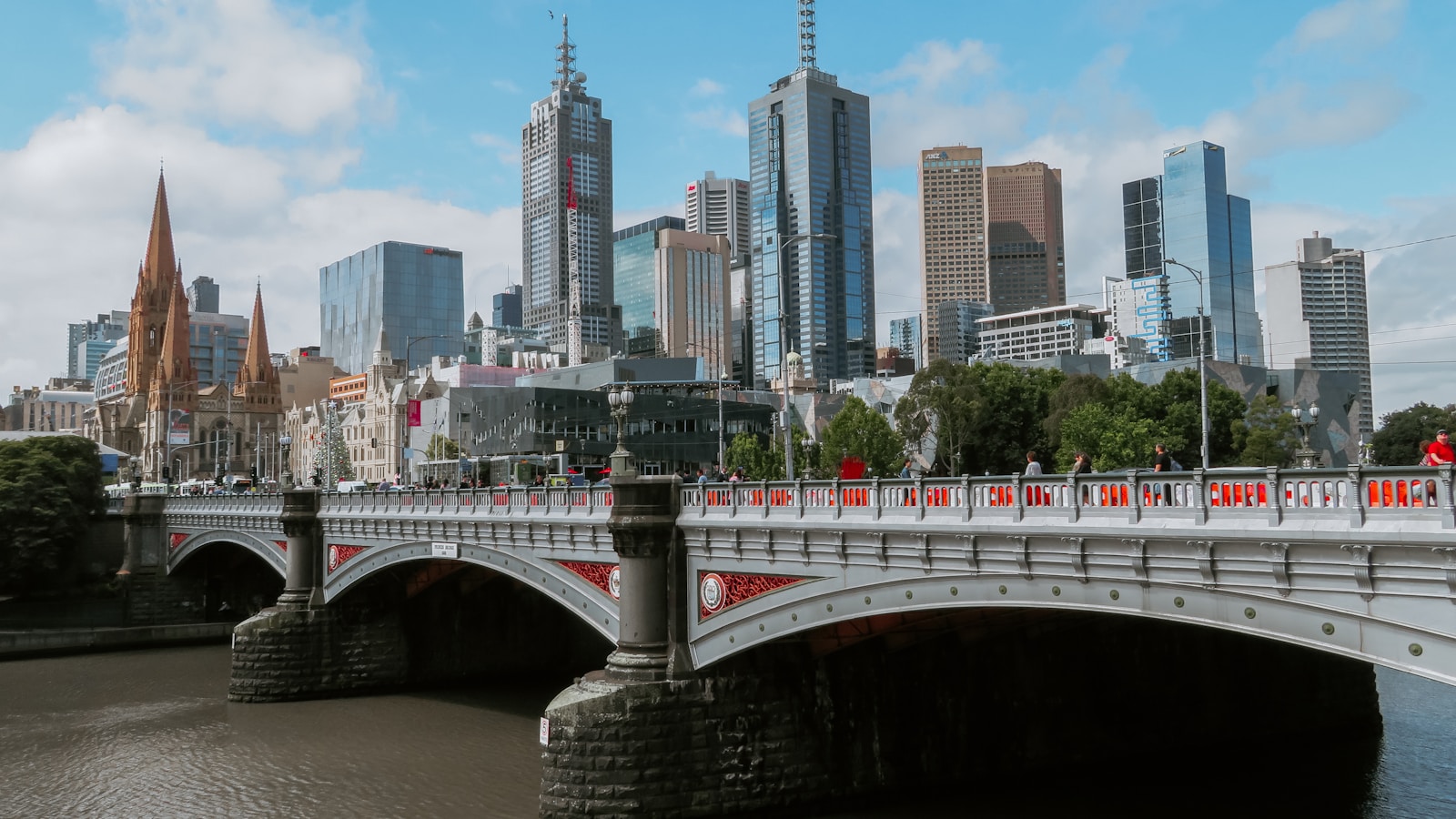
Travelers find Melbourne rewards slow exploration more than most Australian cities. The CBD’s network of laneways — particularly Hosier Lane, covered floor-to-ceiling in rotating street murals, and Degraves Street, lined with espresso bars serving single-origin flat whites — gives the city a texture that’s hard to replicate. The Melbourne Museum in Carlton houses the skeleton of Phar Lap, the legendary racehorse, and entry costs around AUD 15 for adults. Federation Square, sitting on the Yarra River, anchors the cultural calendar and is home to the Ian Potter Centre: NGV Australia, which holds an extensive collection of Indigenous and Australian art and is free to enter most days.
The inner suburbs are where Melbourne’s food identity becomes clearest. Richmond’s Victoria Street is a concentrated strip of Vietnamese restaurants where a bowl of pho costs around AUD 14 and the kitchens stay busy well past midnight. Fitzroy, just north of the CBD, mixes natural wine bars with Ethiopian injera restaurants and record stores in a way that feels genuinely lived-in rather than staged for visitors. The Queen Victoria Market, operating since the 1870s, runs Tuesday through Sunday and is worth an early morning visit for its deli hall, where you can pick up imported cheeses, cured meats, and fresh pasta for a fraction of restaurant prices.
For day trips, the Dandenong Ranges sit about 35 kilometres east of the city and offer a sharp contrast to urban Melbourne — temperate rainforest, walking tracks through mountain ash trees, and small towns like Belgrave with cafes that lean heavily into the area’s English village aesthetic. Back in the city, the Melbourne Cricket Ground, known locally as the MCG, offers stadium tours on non-match days for around AUD 25 and holds genuine cultural weight for anyone trying to understand how sport functions in Australian life. Travelers who stay at least four or five days tend to feel they’ve moved past the surface; fewer days and you risk spending most of your time in the CBD without touching the neighborhoods where Melbourne’s real character lives.
Frequently Asked Questions — Melbourne
How much do hotels in Melbourne cost?
Budget hotels and ibis-style properties in the CBD start around $130 to $180 per night. Mid-range four-star options in Southbank or Flinders Lane typically run $180 to $260 per night. Luxury five-star hotels like the Park Hyatt or Crown Towers sit above $380 per night, particularly during the Australian Open in January or major AFL finals weekends.
When is the best time to visit Melbourne?
March through May and September through November are generally the most comfortable windows, with temperatures between 14 and 22 degrees Celsius and fewer weather extremes. Summer in Melbourne, December through February, is unpredictable — the city is known for four seasons in one day — and January brings large crowds and inflated prices around the Australian Open tennis tournament. Winter, June through August, is mild by international standards but can be grey and rainy.
How many days do I need in Melbourne?
Four to five days gives enough time to cover the CBD laneways, at least two or three inner suburbs like Fitzroy, Richmond, and St Kilda, and one day trip outside the city. A long weekend of three days works if you stay focused on the central city and one or two neighborhoods. Travelers who want to do both the Great Ocean Road and the Dandenong Ranges day trips alongside city exploration should plan for at least six days.
Is Melbourne safe for tourists?
Melbourne is generally considered a safe city for tourists, including solo travelers. The CBD, Southbank, and most inner suburbs are well-lit and busy at night. As in any large city, it pays to stay alert around late-night entertainment strips on weekends, particularly on King Street in the CBD. Public transport is reliable and well-monitored, and the city ranks consistently low for violent crime compared to other cities of similar size.
What area should I stay in?
The CBD and Southbank put you within walking distance of Federation Square, the Yarra River, and the major tram network. Fitzroy and Collingwood suit travelers who want a more neighborhood feel with independent restaurants and bars on their doorstep, though they sit about 3 kilometres from the CBD. St Kilda on Port Phillip Bay is popular for its beach esplanade and Acland Street cafe strip, roughly 6 kilometres south of the city and accessible by tram on route 96.
How do I get around Melbourne?
Melbourne's tram network is extensive and covers most of the inner city, with a free tram zone operating throughout the CBD. Myki is the reusable transit card used across trams, trains, and buses, and a daily fare cap applies so you won't overpay on a long day of travel. Trains connect the CBD to suburbs like St Kilda Road, Fitzroy North, and Flinders Street Station. Ride-share apps including Uber and DiDi are widely available for late nights or trips to areas with less frequent public transport.
What food should I try in Melbourne?
Melbourne's coffee culture is taken seriously — a well-made flat white or batch brew at a specialty cafe on Flinders Lane or in Fitzroy is worth seeking out as a genuine local ritual. Richmond's Victoria Street is the place to go for Vietnamese pho and banh mi, while Lygon Street in Carlton remains the city's Italian corridor for wood-fired pizza and hand-rolled pasta. The Queen Victoria Market deli hall is good for grazing on Australian and European smallgoods, and Chinatown on Little Bourke Street has Cantonese yum cha restaurants that start filling up before 11am on weekends.