








Quick Answer
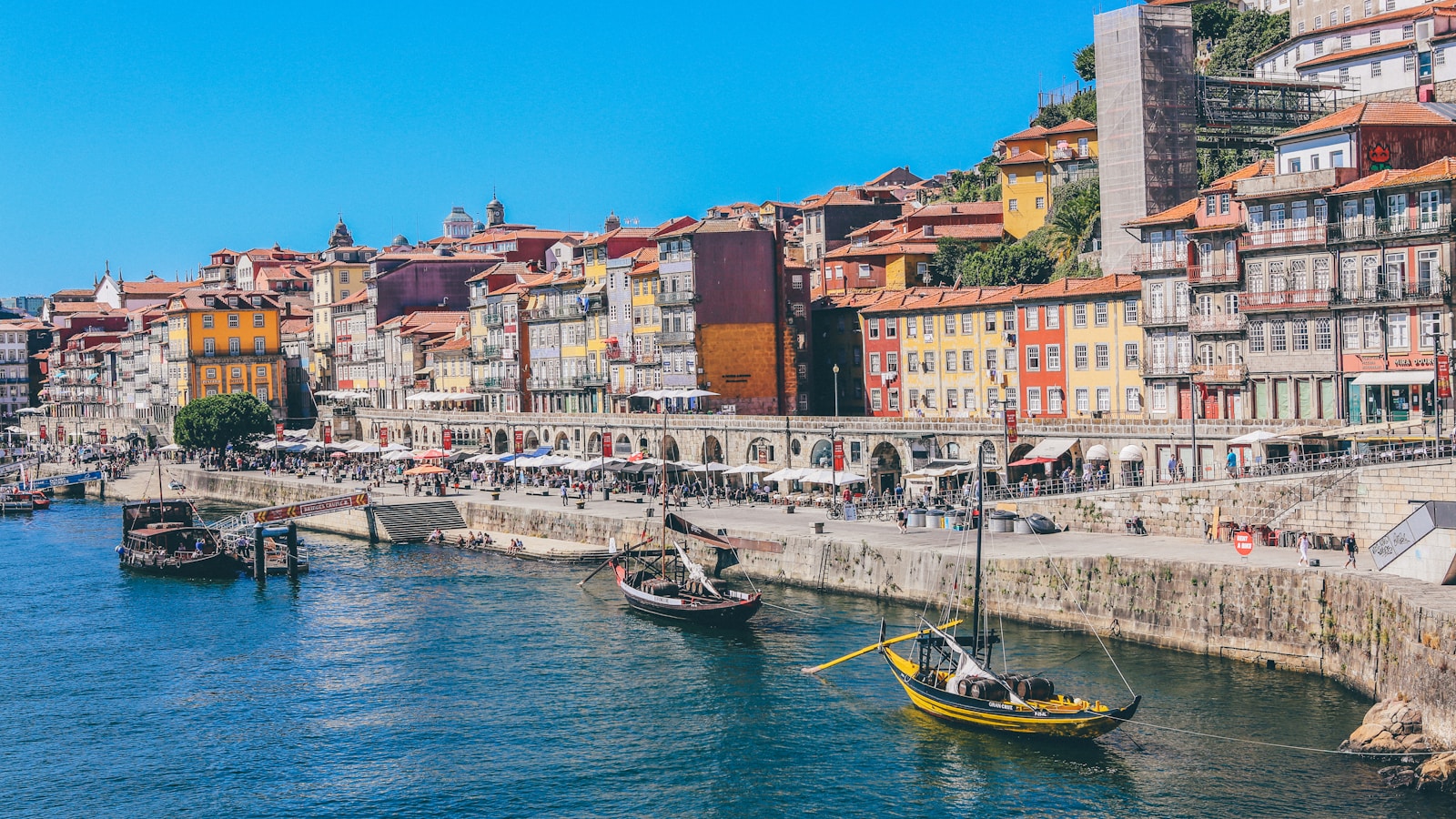
Porto is famous for its port wine cellars, azulejo-tiled facades, and the Douro riverfront. Hotels start around $85/night, and the sweet spot for visiting is late April through June or September through October, when crowds are thinner and the weather is warm without the peak-summer prices.
Explore Porto in Detail
Find Hotels in Porto
Hotel listings for Porto are currently being updated.
Top Tours in Porto

Porto Francesinha and Food Market Walk
A guided walk through Bolhao Market and Bonfim neighborhood sampling francesinha, local cheeses, and bifanas, with stops at family-run tascas most visitors pass without noticing.
Book This Tour →
Douro Valley Wine and Vineyard Day Trip
A coach trip east along the Douro River into the UNESCO-listed wine terraces, including two vineyard visits with tastings of regional wines and a traditional Portuguese lunch.
Book This Tour →
Ribeira and Gaia Port Cellars Walking Tour
Crosses the Dom Luis I bridge on foot, explores the Ribeira lanes, and finishes with a guided tasting session inside one of the historic port lodges in Vila Nova de Gaia.
Book This Tour →Top Things to Do in Porto
The experiences travelers come back to Porto for, year after year.
Itineraries for Porto
Day-by-day plans built by travelers who actually went.
Porto in 3 Days
The essential first-time itinerary — the must-sees you came for, plus the local moments you came home talking about.
Porto for Couples
Quiet mornings, slow dinners, and the views the brochures don't show. Built for two.
Porto with Kids
Activities everyone enjoys, restaurants that welcome little ones, and downtime built into the plan.
Getting Around Porto
Renting a car is one of the best ways to explore Porto at your own pace. Compare rates from all major suppliers in one search.
Best Time to Visit Porto
Best months to visit Porto: April–June and September–October offer mild weather and fewer crowds. July–August is peak season. December–February is coldest but cheapest.
Why Visit Porto?
Porto is a working city that happens to be beautiful, and that distinction matters. The Ribeira district along the Douro River gives you narrow medieval lanes, laundry strung between buildings, and tascas serving grilled sardines and francesinha sandwiches for under 15 euros. The francesinha itself is worth the trip — a layered meat sandwich drenched in a spiced beer-and-tomato sauce, originating in Porto and found throughout the city at spots like Cafe Santiago on Rua Passos Manuel. Across the river in Vila Nova de Gaia, the port wine lodges — Taylor’s, Graham’s, Sandeman — offer cellar tours for around 15 to 20 euros that end with a proper tasting of aged tawny and vintage reserves. The Dom Luis I bridge connecting the two banks is double-decked iron, designed by a student of Gustave Eiffel, and walking its upper level gives you one of the more dramatic urban views in western Europe.
Beyond the riverfront, the Bonfim neighborhood has become a hub for independent restaurants and natural wine bars without the tourist markup. The Livraria Lello bookshop in the city center charges a 5-euro entry fee (redeemable against a book purchase) and its neo-Gothic interior genuinely earns the attention it gets. The São Bento train station, a short walk away, is covered in over 20,000 painted azulejo tiles depicting scenes of Portuguese history — it costs nothing to walk in and look. Travelers exploring further out can reach the Serralves Foundation, a contemporary art museum set in a large Art Deco park, for around 20 euros, roughly a 20-minute metro ride from the city center.
For romance, the miradouros — hilltop viewpoints — scattered across the city deliver at dusk. Jardim das Virtudes is quieter than the more photographed Miradouro da Vitória and sits above the Ribeira with wooden benches and locals having wine from plastic cups. Foodies find that Porto rewards slow eating: a leisurely lunch of bacalhau à brás (salt cod scrambled with eggs and matchstick potatoes) followed by a pastel de nata from a local pastelaria is the kind of afternoon the city seems designed for. Budget travelers can manage comfortably on 80 to 100 euros a day including a mid-range hotel, meals, and a wine tasting, which makes Porto unusually good value for a western European city of its quality.
Frequently Asked Questions — Porto
How much do hotels in Porto cost?
Budget hotels and ibis-style properties in Porto start around $85 per night. Mid-range four-star hotels in the city center typically run $120 to $180 per night, while luxury options like The Yeatman in Vila Nova de Gaia can exceed $400. Prices rise noticeably in July and August, so booking shoulder-season dates in May or October saves money.
When is the best time to visit Porto?
Late April through June and September through October offer the most comfortable balance of warm weather, manageable crowds, and reasonable hotel rates. July and August are peak season with higher prices and more tourists at major sites like Livraria Lello and the Ribeira. Porto's winters are mild by northern European standards but can be rainy, making it a viable year-round destination if you pack accordingly.
How many days do I need in Porto?
Three full days covers the Ribeira, a port lodge tour in Gaia, Serralves, and enough meals to get a real sense of the food scene. Four to five days allows a day trip into the Douro Valley wine region or north to Guimaraes, a UNESCO-listed medieval town about an hour away by train. Porto is compact enough that you rarely feel rushed with three days.
Is Porto safe for tourists?
Porto is generally considered safe for tourists, including solo travelers and couples. Petty theft such as pickpocketing can occur in crowded areas like Ribeira and near São Bento station, so basic precautions with bags and phones apply. The Bonfim and Cedofeita neighborhoods are comfortable to walk at night and have a strong local presence that discourages opportunistic crime.
What area should I stay in?
The Ribeira district puts you closest to the riverfront and the historic core but can be noisy on weekends. The Aliados and Bolhao area is central, quieter at night, and well connected to the metro. Bonfim is a 15-minute walk east of the center and offers better value with a more local atmosphere. Vila Nova de Gaia across the river is ideal if you want river views and are staying somewhere like The Yeatman.
How do I get around Porto?
Porto's metro system connects the airport to the city center in about 35 minutes for around 2 euros and covers most major neighborhoods efficiently. Trams are slower but scenic, particularly Line 1 running along the Douro waterfront. The city is hilly, so walking requires energy but most attractions in the historic center are within a 30-minute walk of each other. Taxis and ride-share apps like Bolt are inexpensive by western European standards for longer distances.
What food should I try in Porto?
The francesinha is the city's signature dish — a meat-layered sandwich in spiced sauce served with fries, found at Cafe Santiago and dozens of other spots for around 12 to 15 euros. Bacalhau in its many forms, particularly bacalhau à brás and bacalhau com natas, appears on almost every traditional menu. Grilled sardines are a simple and affordable lunch option along the Ribeira, and a pastel de nata from a local pastelaria rounds out the standard Porto food checklist. Pairing meals with a glass of local vinho verde, produced just north of the city, is the practical local choice.