








Quick Answer
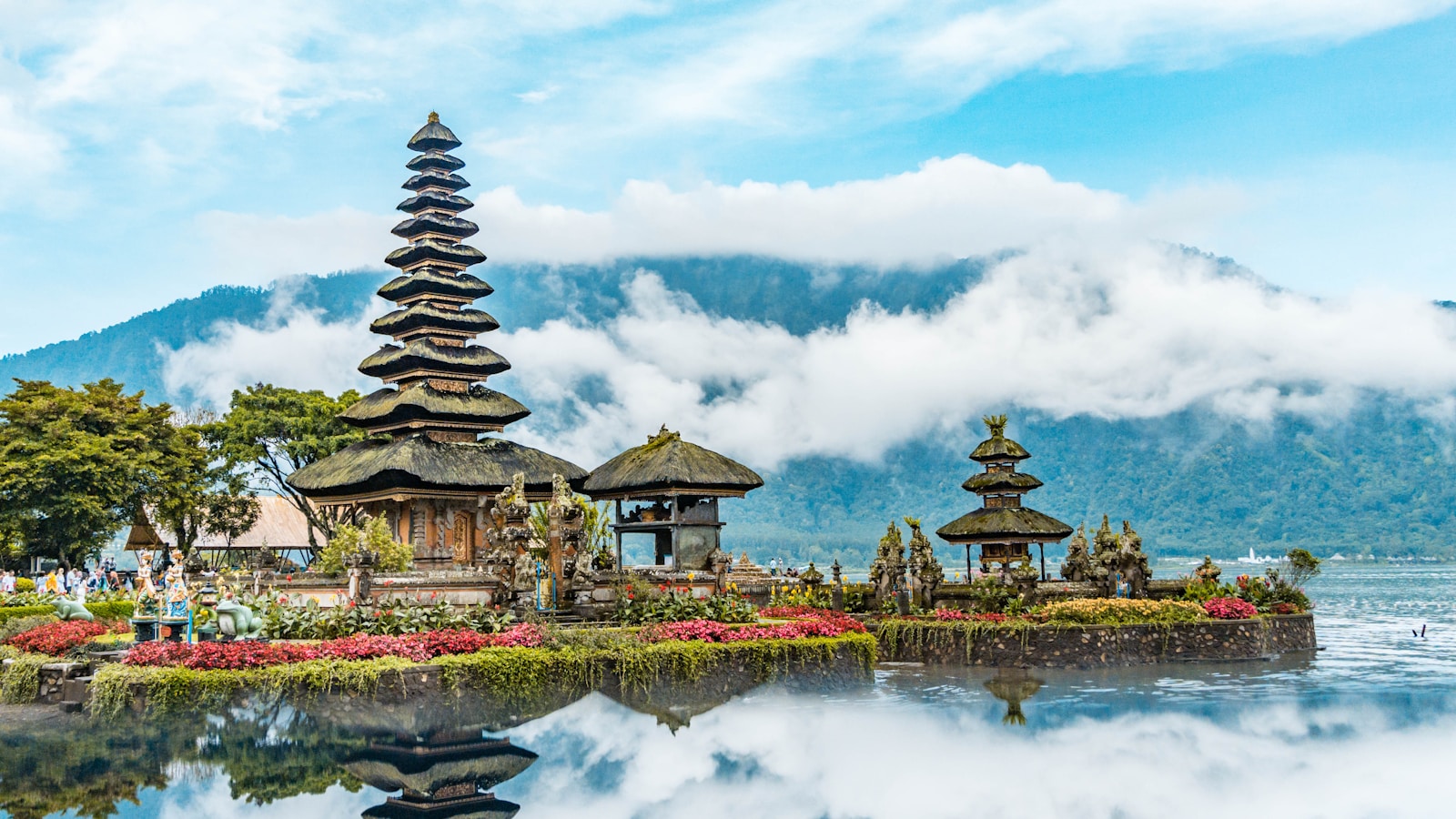
Ubud is Bali's cultural and wellness hub, known for rice terraces, Hindu temples, and a thriving yoga and healing scene. Hotels start from $50/night. The best time to visit is April through October during the dry season, when outdoor walks and ceremonies are most enjoyable.
Explore Ubud in Detail
Find Hotels in Ubud
Hotel listings for Ubud are currently being updated.
Top Tours in Ubud

Ubud Morning Market and Balinese Cooking Class
Shop for local spices and produce at the Ubud Traditional Market before heading to a family kitchen to cook nasi campur and lawar from scratch. Includes a temple visit and a full sit-down meal.
Book This Tour →
Tegallalang Rice Terrace and Waterfall Guided Walk
Walk the terraced fields at Tegallalang with a local guide who explains the subak irrigation system, then descend to Tibumana Waterfall for a swim. Transport from central Ubud is included.
Book This Tour →
Sacred Temples and Kecak Fire Dance Evening Tour
Visit Tirta Empul temple for the holy spring ritual, then watch a Kecak and Fire Dance performance at Uluwatu or the Ubud Palace as the sun sets over the gorge.
Book This Tour →Top Things to Do in Ubud
The experiences travelers come back to Ubud for, year after year.
Itineraries for Ubud
Day-by-day plans built by travelers who actually went.
Ubud in 3 Days
The essential first-time itinerary — the must-sees you came for, plus the local moments you came home talking about.
Ubud for Couples
Quiet mornings, slow dinners, and the views the brochures don't show. Built for two.
Ubud with Kids
Activities everyone enjoys, restaurants that welcome little ones, and downtime built into the plan.
Getting Around Ubud
Renting a car is one of the best ways to explore Ubud at your own pace. Compare rates from all major suppliers in one search.
Best Time to Visit Ubud
Best months to visit Ubud: April–June and September–October offer mild weather and fewer crowds. July–August is peak season. December–February is coldest but cheapest.
Why Visit Ubud?
Ubud sits roughly 25 kilometers north of Kuta in Bali’s inland highlands, and travelers find it operates at a completely different pace from the beach towns. The Tegallalang Rice Terraces, about 10 kilometers north of the town center, are genuinely worth the trip — the tiered paddies drop into a river gorge, and local farmers still use the traditional subak irrigation system. Entry involves a small donation of around 10,000 to 20,000 IDR (roughly $1 to $1.50). Nearby, the Tirta Empul temple in Tampaksiring draws visitors and local Balinese for purification rituals in its holy spring pools. Non-Hindu visitors can respectfully observe or participate in the water blessing after renting a sarong at the entrance for around 15,000 IDR.
The town center around Jalan Hanoman and Monkey Forest Road is walkable and packed with detail without feeling overwhelming. The Sacred Monkey Forest Sanctuary at the south end of town houses three temples within a forested reserve and charges around $4 USD for foreign adults. It’s crowded in peak hours but quieter in the early morning. The Ubud Palace (Puri Saren Agung) on the main intersection hosts traditional Kecak and Legong dance performances most evenings starting around 7:30 PM, with tickets typically running $10 to $15 USD — these are real ceremonial art forms, not watered-down tourist shows.
For wellness travelers, the Yoga Barn in the Penestanan area offers drop-in classes from around $12 USD and multi-day programs covering everything from vinyasa to sound healing. Cooking classes run by local families in the Sayan or Penestanan neighborhoods typically cost $35 to $50 USD and teach dishes like nasi campur (mixed rice with small portions of various sides), babi guling (spit-roasted pork), and lawar (a minced meat and coconut salad). Romantic travelers find that the valley-side resorts along the Ayung River, concentrated around the Kedewatan area, offer some of Bali’s most atmospheric settings — jungle canopy views, open-air bathing pavilions, and near-total quiet after dark.
Frequently Asked Questions — Ubud
How much do hotels in Ubud cost?
Budget guesthouses and small losmen in areas like Jalan Bisma or Penestanan start from around $50 per night. Mid-range boutique hotels with pool access typically run $100 to $200 per night, while luxury resorts along the Ayung River valley can exceed $500 per night. Prices rise noticeably in July, August, and around major Balinese holidays.
When is the best time to visit Ubud?
April through October is Ubud's dry season and the most reliable window for outdoor activities like rice terrace walks and temple visits. July and August are the busiest and most expensive months. November through March brings regular afternoon rain, which can make unpaved paths slippery, though the landscape turns a deeper green and crowds thin out considerably.
How many days do I need in Ubud?
Three to four days gives you enough time to explore the town center, visit Tegallalang, catch an evening dance performance, and do a cooking class or a day trip to Tirta Empul. A full week works well for wellness travelers doing multi-day yoga or meditation programs at places like The Yoga Barn. Day-trippers from the coast often feel rushed and miss most of what makes Ubud distinctive.
Is Ubud safe for tourists?
Ubud is generally considered safe for solo travelers, couples, and families. Petty theft can occur in crowded market areas like the Ubud Art Market near the palace, so keep valuables secured. Traffic on the narrow main roads can be chaotic, especially around Monkey Forest Road, so pedestrians should stay alert. The monkeys at the Sacred Monkey Forest will grab loose bags and food, so secure both before entering.
What area should I stay in?
Staying near central Ubud around Jalan Hanoman or Jalan Dewi Sita puts you within walking distance of restaurants, the Ubud Palace, and the market. Penestanan and Sayan are quieter residential neighborhoods favored by longer-stay wellness visitors and artists. Kedewatan and Payangan, further north, suit travelers wanting resort seclusion with valley views, though you will need transport for everything.
How do I get around Ubud?
Ubud has no metered taxis and no public bus network worth relying on. Most visitors hire a private driver for half or full-day trips, which typically costs $35 to $60 USD depending on distance. App-based services like Grab and Gojek work in Ubud for shorter trips at lower prices. Renting a scooter is an option for confident riders but the roads are narrow and traffic is unpredictable.
What food should I try in Ubud?
Babi guling, Bali's spit-roasted pork dish seasoned with turmeric and lemongrass, is a local staple and available at simple warungs around the market area for under $5 USD. Nasi campur — a plate of rice surrounded by small servings of meat, vegetables, and sambal — varies by stall and gives a good overview of Balinese flavors. Bebek betutu is slow-cooked duck wrapped in banana leaf, usually ordered a day ahead at traditional restaurants. Jalan Dewi Sita and Jalan Hanoman both have a strong concentration of local and international dining options.