







Off-season travel unlocks better prices and fewer crowds at top destinations. Visit Paris in November-March, Bali in January-March, Barcelona in November-February, Morocco in November-March, Vietnam in May-September, or Amsterdam in November-March. Expect hotel savings of 30-60% compared to peak periods, with rates typically $60-180/night depending on the destination.
Timing transforms travel budgets. The same hotel room that costs $300 in August might run $120 in November. The same beach that requires reservations months ahead sits half-empty during shoulder season. Smart travelers know that when to go matters as much as where—and the savings extend far beyond accommodation.
Off-season and shoulder-season travel means visiting destinations when demand drops but quality remains high. You’ll encounter shorter lines at museums, better service at restaurants, and locals with more time to talk. Weather may be less predictable, but the tradeoffs—financial and experiential—often favor travelers willing to pack an extra layer or dodge occasional rain.
This guide identifies destinations where the off-season delivers genuine value without sacrificing the core experience. We’ve focused on places where infrastructure stays open year-round, where seasonal price gaps are substantial, and where cooler or wetter weather remains manageable for most travelers.
Paris: November Through March
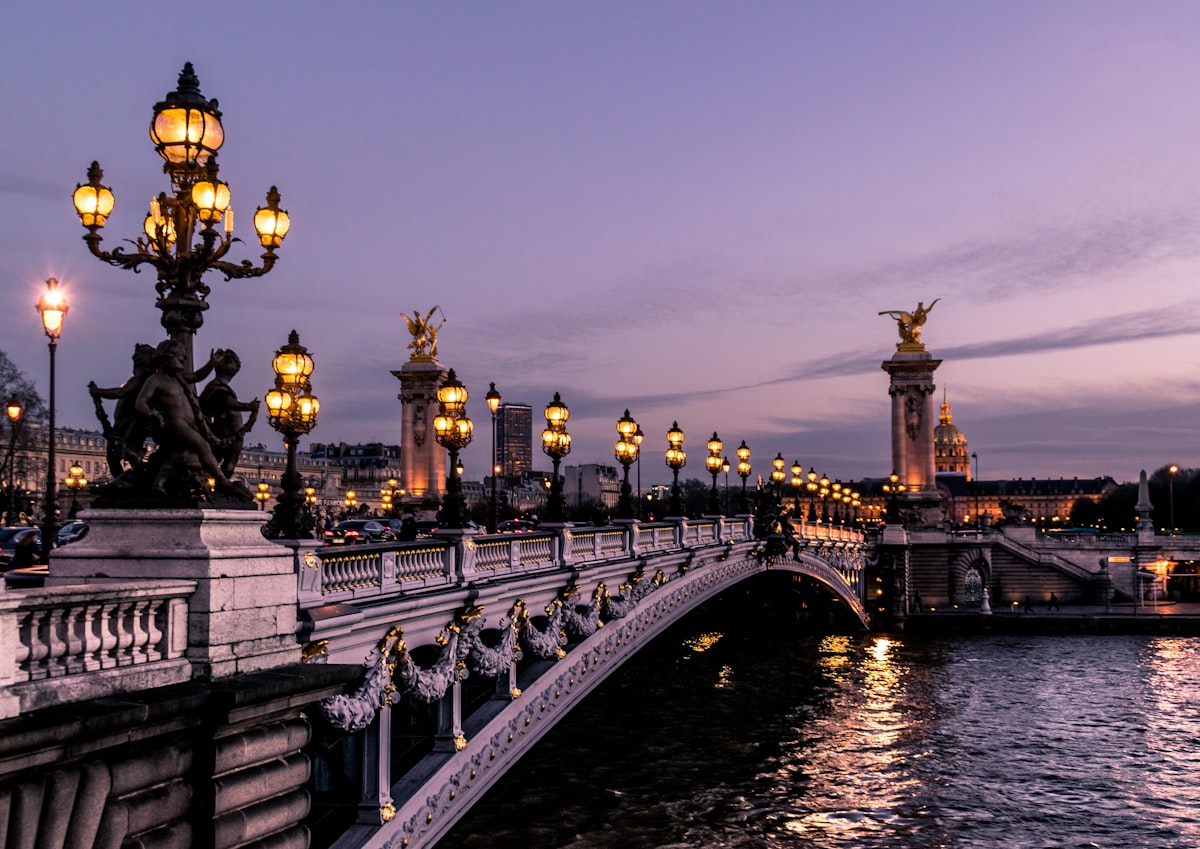
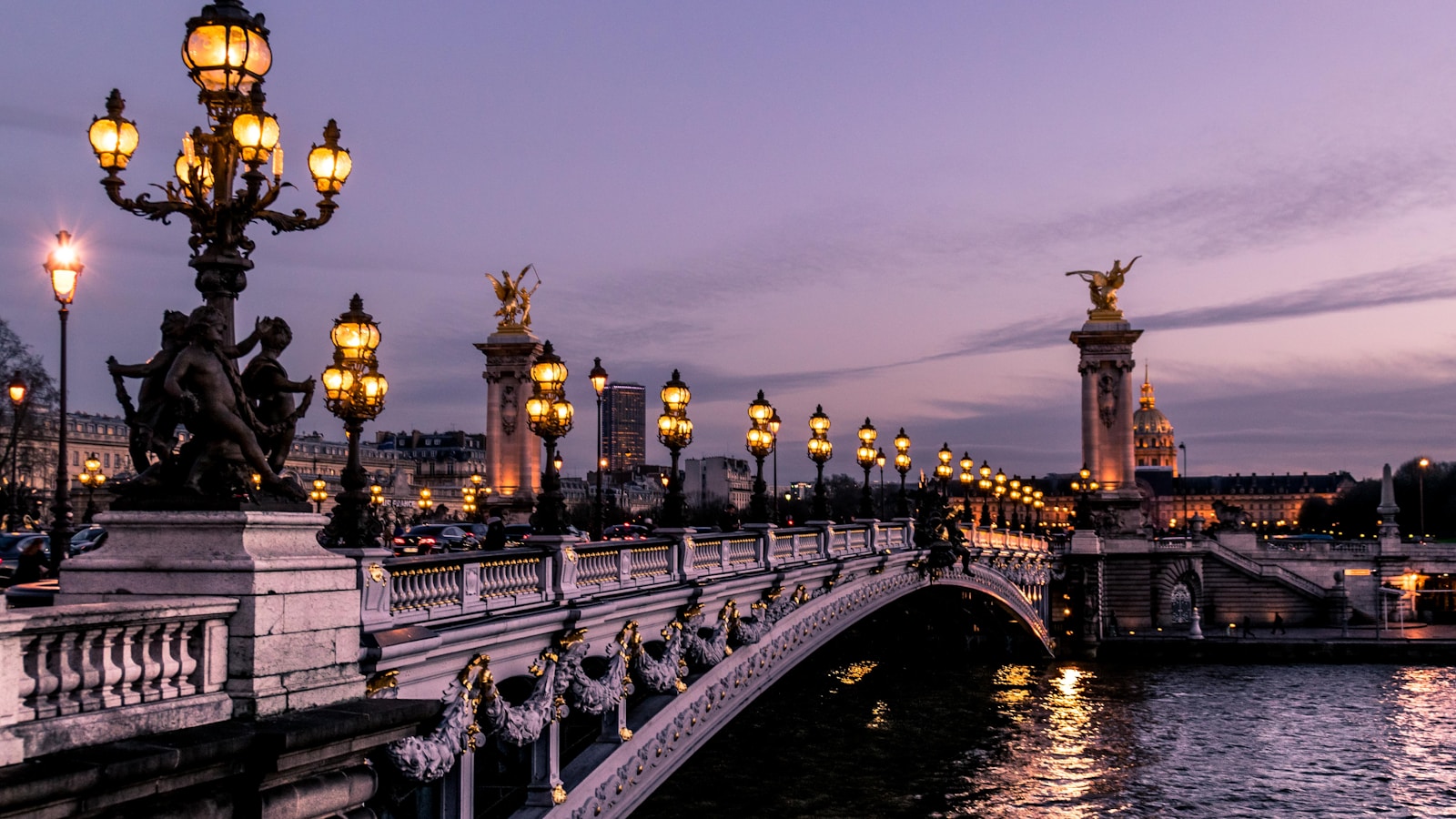
Paris in winter sheds its crowds but keeps its elegance. Museums like the Louvre and Musée d’Orsay become navigable without advance planning. Bistros welcome walk-ins. Hotels in the Marais or Latin Quarter that command $250-350 in spring often drop to $110-180 in January and February.
The city’s indoor offerings—cafés, covered passages, world-class museums—insulate travelers from cold weather. Christmas markets run through early January, adding seasonal charm. By late February, days lengthen and early bulbs appear in Luxembourg Gardens. Rain is frequent but rarely torrential; a good umbrella and waterproof jacket handle most conditions.
November and March represent shoulder months with milder weather and moderate pricing. December brings holiday atmosphere but higher rates around Christmas and New Year’s. January and February offer the deepest discounts, with hotel rates sometimes 50% below summer peaks.
This window suits museum lovers, food-focused travelers, and anyone prioritizing budget over beach weather. Families with school-age children find February breaks workable. Solo travelers appreciate the ease of navigating a less-crowded city.
Bali: January Through March and October
Monsoon season in Bali runs January through March, bringing afternoon thunderstorms and dramatically lower prices. Hotels in Ubud, Seminyak, and Canggu that charge $180-280 in July often list at $70-130 during these months. Mornings typically stay clear, allowing temple visits and market exploration before clouds build.
The landscape turns vivid green during rainy season. Rice terraces near Tegallalang reach peak photogenic potential. Waterfalls flow stronger. Tourist sites like Tanah Lot and Uluwatu temples remain accessible, just less congested. Humidity rises, but coastal breezes moderate the discomfort.
October marks a shoulder month as the dry season resumes but Australian school holidays haven’t yet started. Prices sit between monsoon lows and peak-season highs—expect $100-180 for quality mid-range hotels. Weather reliability improves significantly compared to January-March.
Rainy season suits flexible travelers who can adjust daily plans around weather, digital nomads working from cafés, and wellness-focused visitors using resort facilities. October appeals to travelers wanting weather security with some savings. Beach lovers should note that surf conditions actually improve during wetter months on certain coasts.
Barcelona: November Through February
Barcelona maintains its architectural drama and culinary scene year-round, but winter brings manageable temperatures (50-60°F) and slashed prices. Hotels in Eixample or Gothic Quarter neighborhoods drop from $200-300 in summer to $90-160 in winter months. Museums, Gaudí sites, and tapas bars all operate normal schedules.
The Mediterranean climate keeps winter mild compared to northern Europe. Sunny days are common enough for terrace dining at lunch. Las Ramblas loses its overwhelming summer crush. La Boqueria market remains vibrant without the tour-group bottlenecks. Sagrada Família tickets become available with shorter advance booking windows.
January and February see the lowest prices and smallest crowds. November and early December offer more reliable weather with moderate savings. Late December around holidays sees a slight price bump but nothing approaching summer rates.
This period works well for architecture enthusiasts who want time to study Gaudí’s details, food lovers exploring the restaurant scene without reservations made months ahead, and budget-conscious travelers accepting cooler beach conditions. The city stays walkable and active—just pack layers for evening chill.
Morocco: November Through March
Morocco flips the script on winter travel—cooler months provide relief from intense summer heat. Marrakech, Fes, and coastal cities like Essaouira see daytime temperatures in the 60s and 70s (Fahrenheit), ideal for medina exploration and day trips. Riads and hotels that charge $150-250 in spring often drop to $80-140 in January and February.
The Atlas Mountains receive snow, creating dramatic backdrops and enabling winter sports at Oukaimeden. Desert trips to Merzouga remain feasible with warmer layers for cold nights. Coastal areas stay mild, though Atlantic waters remain brisk for swimming. Cities feel less frantic without peak tourist volumes.
November and March bracket the season as shoulder months with warmer weather and moderate pricing. December through February delivers coolest temperatures and best hotel values. Occasional rain occurs but rarely disrupts itineraries significantly.
This window attracts travelers seeking cultural immersion without extreme heat, hikers and trekkers comfortable with mountain cold, and photographers wanting dramatic light and empty kasbahs. Riads with interior courtyards showcase their architectural purpose during cooler months. Hammams become especially appealing after chilly days exploring medinas.
Vietnam: May Through September
Vietnam stretches north to south, creating weather complexity, but May through September generally marks the wet season across most of the country. This translates to afternoon storms rather than all-day rain and hotel discounts of 30-50%. Properties in Hanoi, Ho Chi Minh City, and beach areas like Nha Trang often run $60-110 compared to $120-180 in dry season.
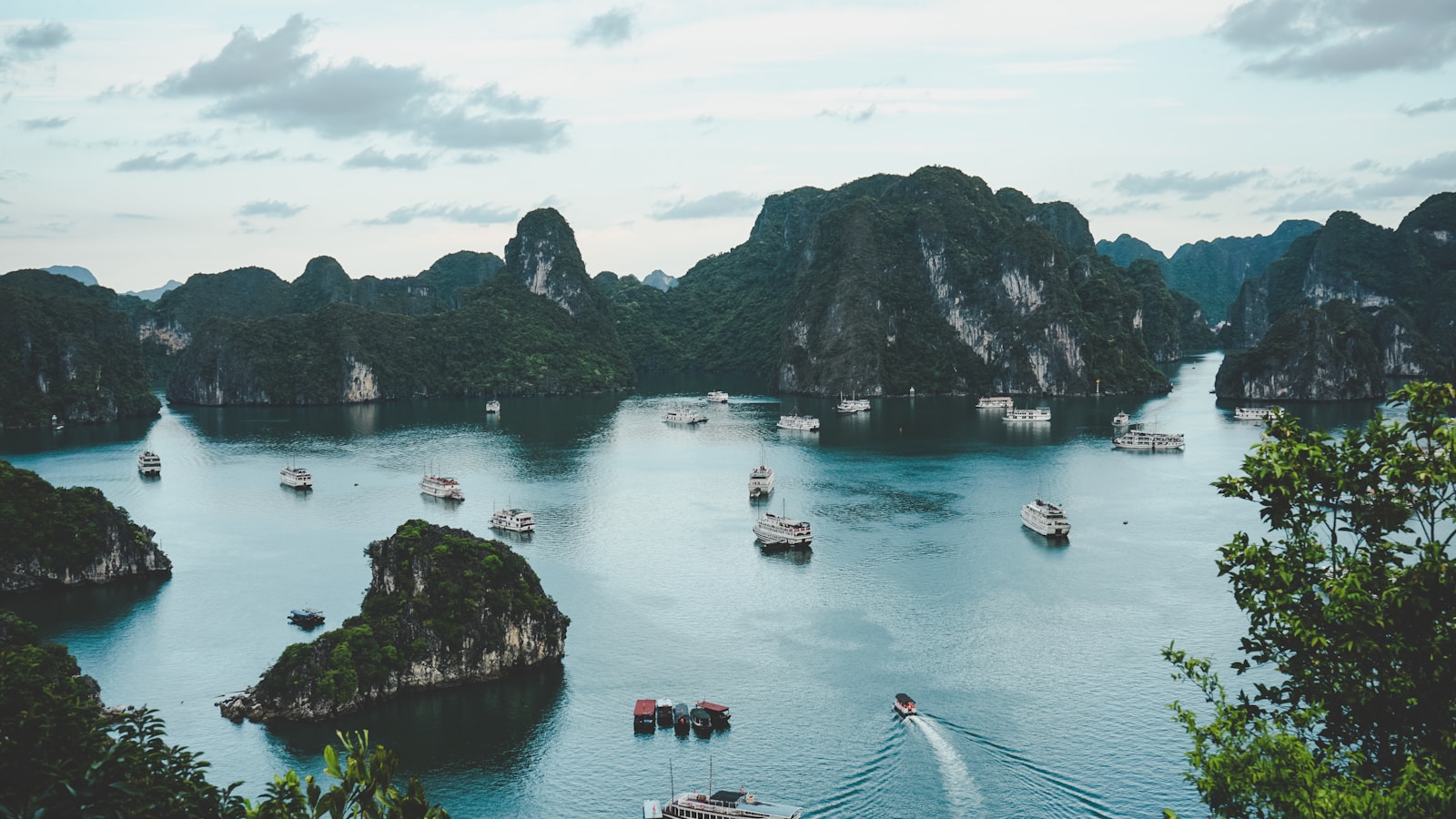
Ha Long Bay tours operate year-round with occasional weather cancellations built into flexible itineraries. Hoi An’s charm persists through rain showers—lantern-lit streets look even more atmospheric in mist. Hanoi’s street food scene continues regardless of weather, with covered markets providing shelter. Southern beaches see more rain than central regions during this period.
September marks a transition month with improving weather but lingering low-season prices. May and June see less rain than July and August. Regional variations mean travelers can sometimes chase better weather by adjusting their route—central Vietnam’s dry season runs roughly opposite to the north and south.
This timing works for food-focused travelers spending time in cities rather than beaches, adventurous visitors comfortable with weather variability, and budget travelers maximizing savings. The humidity climbs during wet season, so lightweight, quick-dry clothing becomes essential. Indoor attractions like museums and temples remain fully accessible.
Amsterdam: November Through March
Amsterdam in winter trades tulips and outdoor canal cruises for museum season and brown café culture. Hotels in Jordaan or near Museum Quarter that charge $220-320 in spring tulip season often list at $100-170 in January and February. Major museums—Rijksmuseum, Van Gogh, Anne Frank House—maintain full schedules with dramatically shorter entry lines.
Winter weather brings gray skies and frequent drizzle, but temperatures rarely drop much below freezing. The city’s compact size and excellent public transit minimize weather exposure. Gezelligheid—Dutch coziness—peaks during cold months in cafés and restaurants. Ice skating occasionally appears on canals during especially cold snaps, though climate change has made this less reliable.
November and March offer shoulder-season advantages: longer daylight, milder temperatures, and prices between winter lows and spring peaks. December brings holiday markets and festive lighting but higher rates around Christmas. January and February deliver deepest discounts and quietest streets.
This period suits museum enthusiasts who want time with Vermeer and Rembrandt without summer crowds, café culture devotees happy to explore Amsterdam’s interior life, and travelers comfortable navigating rain with proper gear. The city’s art, architecture, and food scene operate at full capacity regardless of weather.
Lesser-Known Shoulder Season Strategies
Beyond specific destinations, several strategies help identify off-season value. Mediterranean islands like Malta and Cyprus see dramatic price drops from November through March while maintaining mild weather. Central European cities—Prague, Budapest, Krakow—offer Christmas market charm in December with prices well below summer peaks.
Latin America’s shoulder seasons often align with North American travel patterns differently than Europe. Mexico’s Caribbean coast sees lower prices during September and October (hurricane season, with associated weather risks). Peru’s shoulder months of April-May and September-October deliver decent weather at Machu Picchu with fewer crowds than June-August.
Flight prices often determine total trip costs more than hotels. Tracking routes to destinations during shoulder periods reveals when airlines drop fares to stimulate demand. Flexibility with travel dates—even by a few days—can shift trips from peak to shoulder pricing.
Package deals sometimes offer better value during off-peak periods than booking components separately. Tour operators and hotels bundle inventory to maintain occupancy, creating opportunities for travelers willing to book set itineraries. This works especially well for beach destinations during shoulder seasons where weather risk makes some travelers hesitant.
How We Evaluated These Destinations
We selected destinations where off-season travel delivers measurable financial advantages without eliminating core attractions. Our criteria prioritized year-round infrastructure—cities and regions where hotels, restaurants, and major sites remain open regardless of season. We excluded destinations where off-season means widespread closures or significantly compromised experiences.
Price ranges reflect typical mid-range three-star and boutique hotel rates based on aggregated booking platform data from the past year. We compared shoulder and off-season rates against peak-season pricing for equivalent properties. Ranges account for neighborhood variations and booking timing—advance reservations typically secure better rates than last-minute booking.
Weather assessments draw from historical climate data rather than subjective experience claims. We noted precipitation patterns, temperature ranges, and daylight hours to help travelers make informed decisions. “Manageable” weather means conditions most travelers can handle with appropriate clothing and flexible daily planning.
Destination selection balanced geographic diversity, accessibility from major airline hubs, and appeal across different travel styles. We included both established favorites and emerging options to serve various interests—from museum-focused city breaks to nature-oriented escapes. Each destination offers substantially more than weather-dependent beach time, ensuring value even during less predictable seasons.
Compare These Destinations


Frequently Asked Questions
How much can I realistically save traveling during off-season?
Off-season savings typically range from 30-60% on accommodations compared to peak periods, with some destinations offering even deeper discounts during their lowest months. A hotel charging $250 nightly in summer might drop to $100-150 in winter. Flight savings vary more widely but can reach 20-40% on popular routes. Combined savings on a week-long trip often total $500-1,500 depending on destination and travel style. Shoulder seasons usually split the difference with 15-30% savings and better weather reliability.
Will attractions and restaurants be closed during off-season?
In major cities and year-round destinations, most attractions and restaurants maintain normal operations during off-season. Paris, Barcelona, and Amsterdam see virtually no closures. Seasonal beach destinations may have reduced restaurant hours or closed beach clubs, but core dining and cultural sites stay open. Smaller European towns sometimes close tourism infrastructure November through March. Research specific destinations beforehand—tourism board websites typically list seasonal closures. The destinations in this guide were chosen specifically because infrastructure remains accessible year-round.
Is off-season weather too risky for vacation planning?
Off-season weather brings more variability but rarely ruins entire trips. Mediterranean destinations see more rain but typically brief showers rather than all-day storms. Cold-weather off-seasons in cities offer indoor alternatives—museums, restaurants, shopping—that don't depend on sunshine. Tropical monsoons usually mean afternoon thunderstorms with clear mornings. Pack versatile layers and waterproof gear. Build flexible itineraries that can shift indoor or outdoor activities based on conditions. Weather apps provide reliable short-term forecasts for daily adjustments. Many travelers find crowds and prices matter more than perfect weather.
When exactly is shoulder season versus off-season?
Shoulder season typically falls between peak and off-season—the transitional periods when weather improves or worsens and crowds build or thin. Spring (April-May) and fall (September-October) represent common shoulder periods for many Northern Hemisphere destinations. Off-season means the lowest-demand period, usually winter for beach destinations or summer for ski resorts. Shoulder seasons offer compromise: better weather than off-season, lower prices than peak season. Specific timing varies by destination—Europe's shoulder season differs from Southeast Asia's. Check destination-specific travel patterns to identify these windows accurately.
Are tour groups and cruise ships still crowding destinations in off-season?
Major tour groups and cruise ships dramatically reduce operations during off-season, particularly November through March in Europe. Venice, Barcelona, and Greek islands see 50-70% fewer cruise passengers in winter. Museum lines shrink significantly—the Louvre in January versus July represents a completely different experience. Restaurant reservations become easier to secure. Popular photo spots sit empty during times they'd be packed in summer. This crowd reduction often matters more to traveler satisfaction than weather considerations. Some destinations actually feel more authentic without peak-season tourism volumes overwhelming local character.
How far in advance should I book off-season travel?
Off-season booking windows are more flexible than peak season. Hotels often offer good rates even 2-4 weeks before arrival since demand is lower. However, booking 2-3 months ahead typically secures better selection and sometimes early-booking discounts. Flights follow different patterns—fares often drop closer to departure during off-peak periods, but popular routes may not discount significantly. Monitor prices and book when rates meet your budget rather than rushing. Cancellable reservations let you lock in prices while maintaining flexibility. Holiday periods within off-season (Christmas, New Year's) require earlier booking despite being technically off-peak.