








Quick Answer
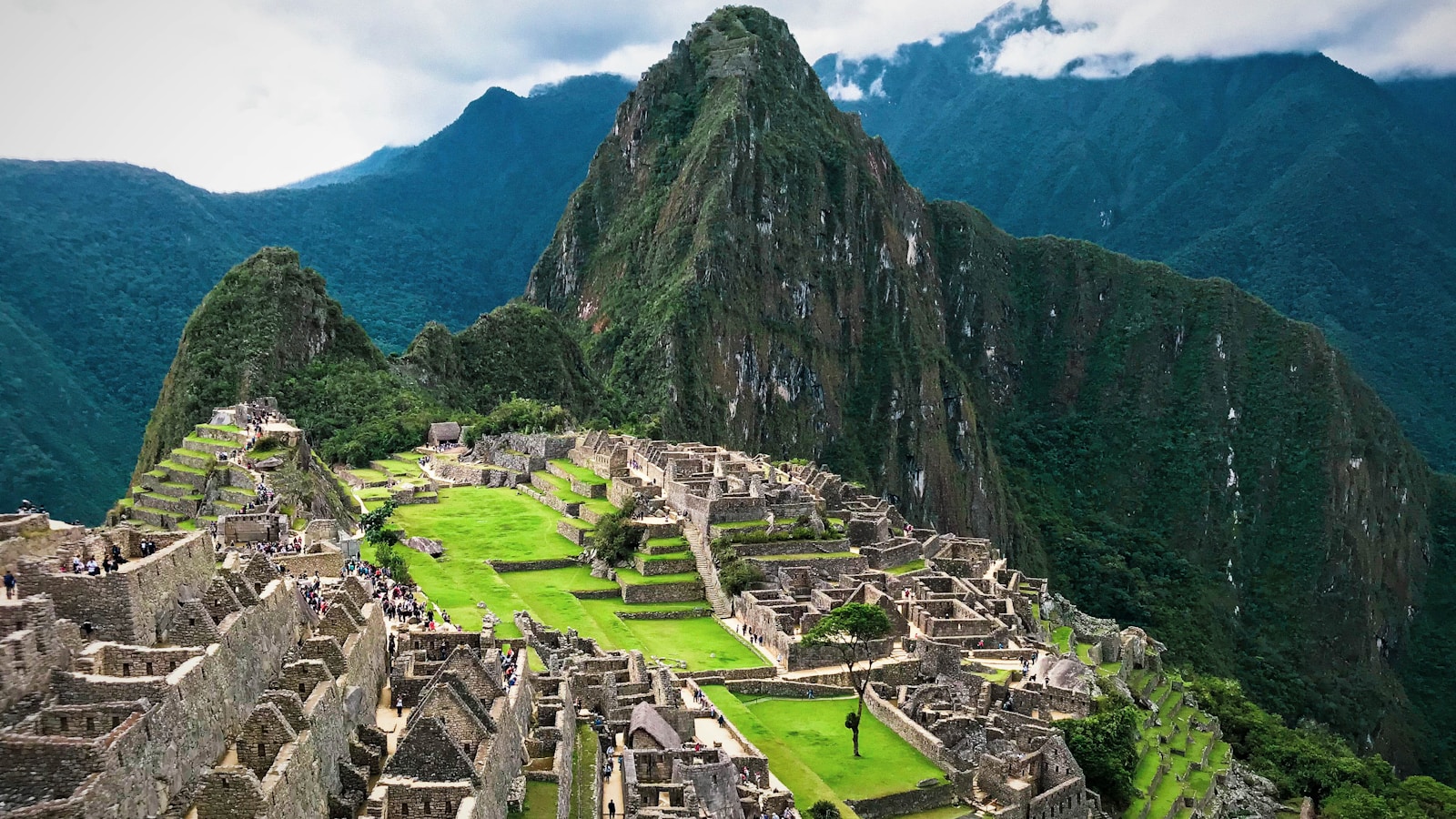
Machu Picchu is famous for its 15th-century Inca citadel perched high in the Andes above the Urubamba River valley. Hotels start around $120/night in Aguas Calientes, the gateway town below the ruins. The driest, clearest window to visit runs May through October, with June through August being the most popular stretch.
Explore Machu Picchu in Detail
Find Hotels in Machu Picchu
Hotel listings for Machu Picchu are currently being updated.
Top Tours in Machu Picchu

Machu Picchu Citadel Guided Walking Tour with Sun Gate Hike
A licensed guide walks you through the Temple of the Sun, the Intihuatana stone, and the agricultural terraces before leading a hike up to Inti Punku for sweeping views of the citadel and Urubamba valley below.
Book This Tour →
Aguas Calientes Street Food and Market Walk
Explore the Mercado Central and Avenida Imperio de los Incas market stalls, sampling chupe de camarones, anticuchos, and chicha morada with a local guide who explains the Andean ingredients behind each dish.
Book This Tour →
Classic Inca Trail 4-Day Trek to Machu Picchu
Depart from the Km 82 trailhead outside Ollantaytambo and pass through Inca ruins at Llactapata and Wiñay Wayna before arriving at the Sun Gate for a sunrise view over the citadel on the final morning.
Book This Tour →Top Things to Do in Machu Picchu
The experiences travelers come back to Machu Picchu for, year after year.
Itineraries for Machu Picchu
Day-by-day plans built by travelers who actually went.
Machu Picchu in 3 Days
The essential first-time itinerary — the must-sees you came for, plus the local moments you came home talking about.
Machu Picchu for Couples
Quiet mornings, slow dinners, and the views the brochures don't show. Built for two.
Machu Picchu with Kids
Activities everyone enjoys, restaurants that welcome little ones, and downtime built into the plan.
Getting Around Machu Picchu
Renting a car is one of the best ways to explore Machu Picchu at your own pace. Compare rates from all major suppliers in one search.
Best Time to Visit Machu Picchu
Best months to visit Machu Picchu: April–June and September–October offer mild weather and fewer crowds. July–August is peak season. December–February is coldest but cheapest.
Why Visit Machu Picchu?
Travelers find Machu Picchu unlike any other archaeological site in the world, not because of superlatives, but because of sheer physical drama. The Inca citadel sits at roughly 2,430 meters above sea level, ringed by cloud-draped peaks and steep terraced hillsides that drop into the Urubamba gorge below. The site itself covers around 325 square kilometers of protected land, and within the main entrance, key structures like the Temple of the Sun, the Intihuatana stone, and the Room of the Three Windows reward anyone who reads a little about Inca cosmology beforehand. The Intihuatana is a carved granite ritual stone believed to have functioned as an astronomical calendar, and standing near it on a clear morning, with mist still burning off the surrounding peaks, is a genuinely affecting experience.
The town of Aguas Calientes, officially called Machu Picchu Pueblo, sits about 8 kilometers downhill from the citadel and serves as the main base for visitors. It is accessible only by train from Ollantaytambo or Cusco, which takes roughly 1.5 to 3.5 hours depending on your departure point, or by a multi-day hike along routes like the Classic Inca Trail or the less-trafficked Salkantay Trek. In Aguas Calientes, the main plaza and the street markets along Avenida Imperio de los Incas offer local craft shopping and sit-down meals. A bowl of chupe de camarones, a hearty Andean shrimp chowder made with aji amarillo and fresh cheese, costs around 25 to 40 Peruvian soles at restaurants near the plaza. Lomo saltado, the stir-fried beef and potato dish that has become a staple across Peru, is equally easy to find and usually runs similar prices.
For travelers who want more than the main citadel, the Sun Gate, known as Inti Punku, is a roughly 1.5-hour hike from the main site entrance and provides the elevated panoramic view that most postcard images are taken from. Huayna Picchu mountain, the dramatic peak that appears in the background of classic site photos, requires a separate ticket that sells out weeks in advance and costs an additional 200 soles beyond the standard entry fee. Entry to the main citadel itself costs 152 soles for adults as of recent years, and timed entry slots are now mandatory, so booking through the official Peruvian Ministry of Culture portal well ahead of your trip is genuinely necessary rather than just advisable.
Frequently Asked Questions — Machu Picchu
How much do hotels in Machu Picchu cost?
In Aguas Calientes, the main gateway town, budget guesthouses and three-star options start around $120 per night. Mid-range four-star properties like the Inkaterra Machu Picchu Pueblo Hotel run $300 to $400 per night, while the Belmond Sanctuary Lodge, the only hotel directly adjacent to the ruins, can exceed $1000 per night. Booking at least two to three months ahead is advisable during the dry season from May through October.
When is the best time to visit Machu Picchu?
The dry season from May through October offers the clearest skies and the best conditions for hiking routes like the Inca Trail and the Salkantay Trek. June through August is the peak period, meaning the citadel entrance slots and Huayna Picchu mountain tickets sell out fastest during those months. The wet season from November through April sees fewer crowds and lower prices but brings daily rain, which can make the stone paths slippery and obscure mountain views.
How many days do I need in Machu Picchu?
Two full days in Aguas Calientes gives you enough time to tour the main citadel on one day and add an optional hike to the Sun Gate or Huayna Picchu mountain on the second. If you plan to arrive via the four-day Classic Inca Trail, factor in the trek itself plus at least one recovery day. Visitors combining Machu Picchu with Cusco and the Sacred Valley typically budget five to seven days for the broader region.
Is Machu Picchu safe for tourists?
The citadel and Aguas Calientes are considered generally safe for international visitors, and the town center around the main plaza and Avenida Imperio de los Incas sees consistent tourist foot traffic throughout the day. Standard precautions apply: keep bags secure in crowded market areas, use official licensed taxis or the regulated bus service to the site, and stay on marked paths within the ruins. Altitude sickness is a more practical concern than crime, as Aguas Calientes sits at around 2,040 meters and the citadel is at 2,430 meters, so allow a day in Cusco to acclimatize before arriving.
What area should I stay in?
Aguas Calientes is the only realistic base for visiting the ruins, as no private vehicles can reach the site and the town is the terminus for both the train lines and the official bus service up to the citadel entrance. The area around the main plaza and the streets near the train station offer the highest concentration of restaurants and guesthouses. If budget allows, staying closer to the riverbank along the Urubamba tends to be quieter than the blocks immediately adjacent to the market stalls.
How do I get around Machu Picchu?
The only way to reach Aguas Calientes from Cusco or the Sacred Valley is by train, with Peru Rail and Inca Rail both running routes from Poroy near Cusco and from Ollantaytambo, with journey times ranging from about 1.5 to 3.5 hours. From Aguas Calientes, official Consettur buses run a 20 to 30 minute switchback road up to the citadel entrance, costing around $24 round trip per adult. Once inside the ruins, all movement is on foot along marked one-way routes.
What food should I try in Machu Picchu?
In Aguas Calientes, chupe de camarones is a regional highlight, a thick Andean shrimp soup made with aji amarillo chili and fresh white cheese that appears on menus throughout the town. Lomo saltado, a stir-fried dish of beef strips, tomatoes, and potatoes served with rice, is widely available and reliable even at mid-range restaurants. Chicha morada, a sweet cold drink made from purple corn and spiced with cinnamon and clove, is worth ordering alongside meals as an introduction to Andean flavors.