








Quick Answer
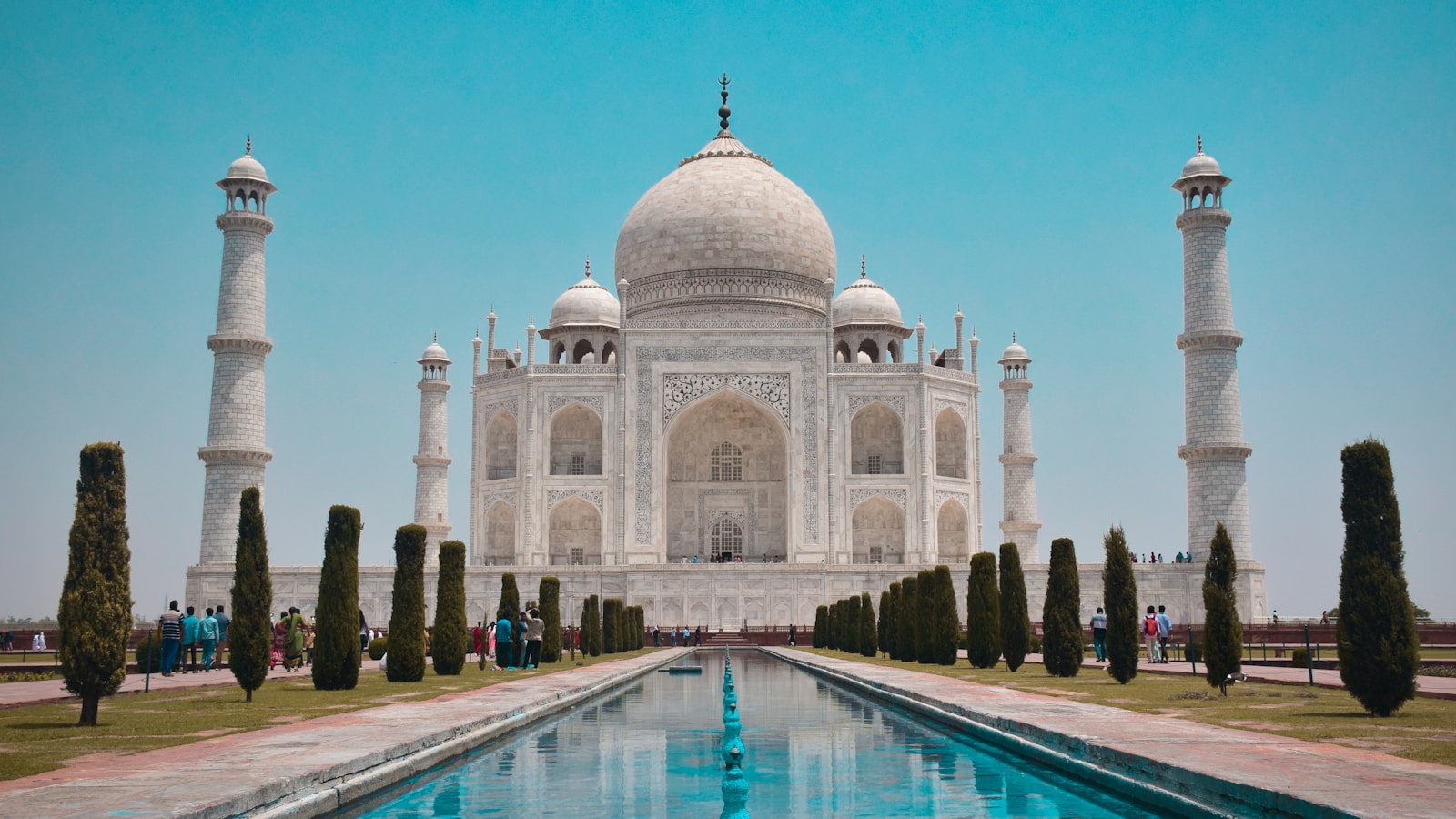
Agra is famous for the Taj Mahal, one of the most recognized monuments in the world. Hotels start from $45/night, and the best time to visit is October through March, when temperatures are cooler and skies are clearer for viewing the marble mausoleum at sunrise.
Explore Agra in Detail
Find Hotels in Agra
Hotel listings for Agra are currently being updated.
Top Tours in Agra

Taj Mahal Sunrise and Agra Fort Guided Walking Tour
Starts at the eastern gate of the Taj Mahal before crowds arrive, then walks to Agra Fort to explore the Diwan-i-Khas and river-facing Musamman Burj with a local history guide.
Book This Tour →
Agra Street Food and Kinari Bazaar Experience
Covers Kinari Bazaar and Sadar Bazaar on foot, sampling petha varieties, dal moth, and bedai with aloo sabzi at stalls locals have used for decades.
Book This Tour →
Fatehpur Sikri and Agra Full Day Tour
Drives 37 kilometers west to Fatehpur Sikri to see Buland Darwaza and the Panch Mahal, then returns to Agra for a late afternoon visit to Itmad-ud-Daulah, often called the Baby Taj.
Book This Tour →Top Things to Do in Agra
The experiences travelers come back to Agra for, year after year.
Itineraries for Agra
Day-by-day plans built by travelers who actually went.
Agra in 3 Days
The essential first-time itinerary — the must-sees you came for, plus the local moments you came home talking about.
Agra for Couples
Quiet mornings, slow dinners, and the views the brochures don't show. Built for two.
Agra with Kids
Activities everyone enjoys, restaurants that welcome little ones, and downtime built into the plan.
Getting Around Agra
Renting a car is one of the best ways to explore Agra at your own pace. Compare rates from all major suppliers in one search.
Best Time to Visit Agra
Best months to visit Agra: April–June and September–October offer mild weather and fewer crowds. July–August is peak season. December–February is coldest but cheapest.
Why Visit Agra?
Agra sits on the banks of the Yamuna River in Uttar Pradesh and draws travelers primarily for its Mughal-era architecture. The Taj Mahal is the obvious centerpiece, but the city rewards those who look beyond it. Agra Fort, a UNESCO World Heritage Site roughly 2.5 kilometers from the Taj, held the Mughal emperors for generations and offers views across the river toward the white marble dome. Inside the fort, the Diwan-i-Khas and Musamman Burj are particularly detailed, with inlaid stonework that mirrors what you see at the Taj itself. Admission to Agra Fort runs around 650 rupees for foreign visitors, making it an easy half-day addition to any itinerary.
Fatehpur Sikri, a largely intact Mughal ghost city about 37 kilometers west of Agra, is worth the hour-long drive or bus ride. Emperor Akbar built it as his capital in the late 16th century, then abandoned it within two decades. The Buland Darwaza gateway and the Panch Mahal pavilion are standout structures within the complex. Closer to the city center, the Kinari Bazaar area near Agra Fort is where travelers find marble inlay workshops, and you can watch craftspeople doing pietra dura work, the same technique used on the Taj Mahal itself. Prices for small marble pieces start around 300 rupees, though quality varies significantly.
Food in Agra leans heavily on Mughal culinary traditions. Petha, a translucent sweet made from ash gourd, is produced almost everywhere in the city and makes an easy local souvenir. Dal moth, a spiced lentil and fried snack mix, is a savory counterpoint sold by weight at street stalls near Sadar Bazaar. Restaurants around Taj Ganj, the neighborhood immediately south of the Taj Mahal, range from basic thali spots to rooftop restaurants with monument views where a meal runs roughly 400 to 800 rupees. For romantic travelers, watching the Taj at sunrise from the eastern gate, which has shorter queues than the south entrance, consistently stands out as a genuinely affecting experience regardless of how many photographs you have seen beforehand.
Frequently Asked Questions — Agra
How much do hotels in Agra cost?
Budget options in Agra start around $45/night at properties like ibis Agra near the city center. Mid-range four-star hotels such as the Courtyard by Marriott typically run $80 to $120/night. Luxury properties with Taj Mahal views, like The Oberoi Amarvilas, charge significantly more and should be booked well in advance during the October to March peak season.
When is the best time to visit Agra?
October through March is the most comfortable window, with daytime temperatures generally between 15 and 28 degrees Celsius and lower humidity. November and February are particularly popular for clear skies that make the Taj Mahal photograph well at sunrise. Avoid May and June, when temperatures regularly exceed 40 degrees Celsius and outdoor sightseeing becomes difficult.
How many days do I need in Agra?
Two full days cover the main sites comfortably: the Taj Mahal and Agra Fort on day one, and Fatehpur Sikri with Itmad-ud-Daulah on day two. A third day allows time for the Kinari Bazaar, marble inlay workshops, and a more relaxed pace. Many travelers visit on a single long day trip from Delhi, but that leaves little room for anything beyond the Taj itself.
Is Agra safe for tourists?
Agra is generally safe for tourists, though the area immediately around the Taj Mahal and Taj Ganj sees persistent touting from guides, rickshaw drivers, and souvenir sellers. Agree on prices before getting into a vehicle and buy entry tickets only at official Archaeological Survey of India booths. Solo women travelers report that staying in well-reviewed guesthouses and avoiding isolated areas after dark reduces any issues significantly.
What area should I stay in?
Taj Ganj, the neighborhood directly south of the Taj Mahal, is convenient for early sunrise visits and has a wide range of budget and mid-range guesthouses. Sadar Bazaar is a broader, more local commercial district about 2 kilometers from the Taj with better restaurant variety and easier access to the rest of the city. Travelers prioritizing comfort or a Taj view from their room tend to choose properties along Fatehabad Road, which connects both areas.
How do I get around Agra?
Auto-rickshaws and cycle rickshaws are the most common ways to move between sites, and fares should be negotiated before boarding; a typical cross-city auto-rickshaw ride costs 100 to 200 rupees. The Agra Metro has expanded service and connects parts of the city including a station near Taj Mahal East Gate, making it a cheap and air-conditioned option. For Fatehpur Sikri, shared buses leave from Agra Fort Bus Stand, or pre-booked taxis through your hotel give more flexibility.
What food should I try in Agra?
Petha is Agra's most distinctive local food, a sweet made from white ash gourd that comes in plain, saffron, and rose varieties and is sold at shops throughout the city. Bedai, a fried bread served with spiced potato curry, is a popular breakfast item at stalls in the old city near Kinari Bazaar. Mughlai dishes like nihari and biryani are widely available at restaurants in Sadar Bazaar, where portions are generous and a full meal typically costs 300 to 600 rupees.