






This family-friendly Rome itinerary balances iconic landmarks with downtime, playgrounds, and gelato breaks. Designed for families with kids ages 5-12, it emphasizes stroller-accessible routes, early starts to beat crowds, and mid-afternoon rest periods. Budget travelers can expect around $2,800 total; mid-range families closer to $4,200 for three days including hotels, meals, and activities.
At a Glance
Day 1 — Ancient Rome and Villa Borghese
Start at the Colosseum with skip-the-line family tickets booked in advance. Arrive at opening (8:30 AM) to avoid midday heat and crowds. Kids respond well to the gladiator stories—frame it as a real-life arena where warriors competed. The ground-level walking paths are fully stroller-accessible. Spend roughly ninety minutes here, then walk five minutes to the Roman Forum. The Forum's wide stone paths work for strollers, though some uneven sections require careful navigation. Focus on the Arch of Titus and Temple of Saturn—quick photo stops that don't demand deep historical dives from restless children.
Head to a family-run trattoria near Piazza Venezia serving simple carbonara, cacio e pepe, and margherita pizza. Look for spots with outdoor seating and high chairs. Gelato from a nearby gelateria makes an excellent post-lunch reward. Budget about an hour for the meal and a brief walk-around.
Take a taxi or bus to Villa Borghese gardens, Rome's best family park. Rent pedal carts or rowboats on the small lake—kids love the novelty and parents appreciate the shaded paths. The Pincio Terrace offers sweeping city views without requiring museum admission. Pack or buy snacks from a park kiosk. Let children run freely on the lawns near the Bioparco entrance. Plan two to three hours here, adjusting based on energy levels. Return to your hotel by 4 PM for naps or pool time if your accommodation offers one.
Keep dinner early and casual—around 6:30 PM at a pizzeria near your hotel. Roman pizzerias typically welcome families and serve quickly. Thin-crust pizza, fried starters like supplì, and simple pasta keep everyone happy. After dinner, take a short stroll to Piazza Navona if staying centrally. The square's fountains and street performers entertain kids without requiring tickets or long waits. Aim for bedtime by 8:30 PM to reset for tomorrow's early start.
Stay in the Prati or Monti neighborhoods. Both offer quieter streets than the city center, excellent gelato shops, small playgrounds, and proximity to metro lines. Hotels here typically provide more space per dollar than those near Termini Station.
Day 2 — Vatican Wonders and Riverside Parks
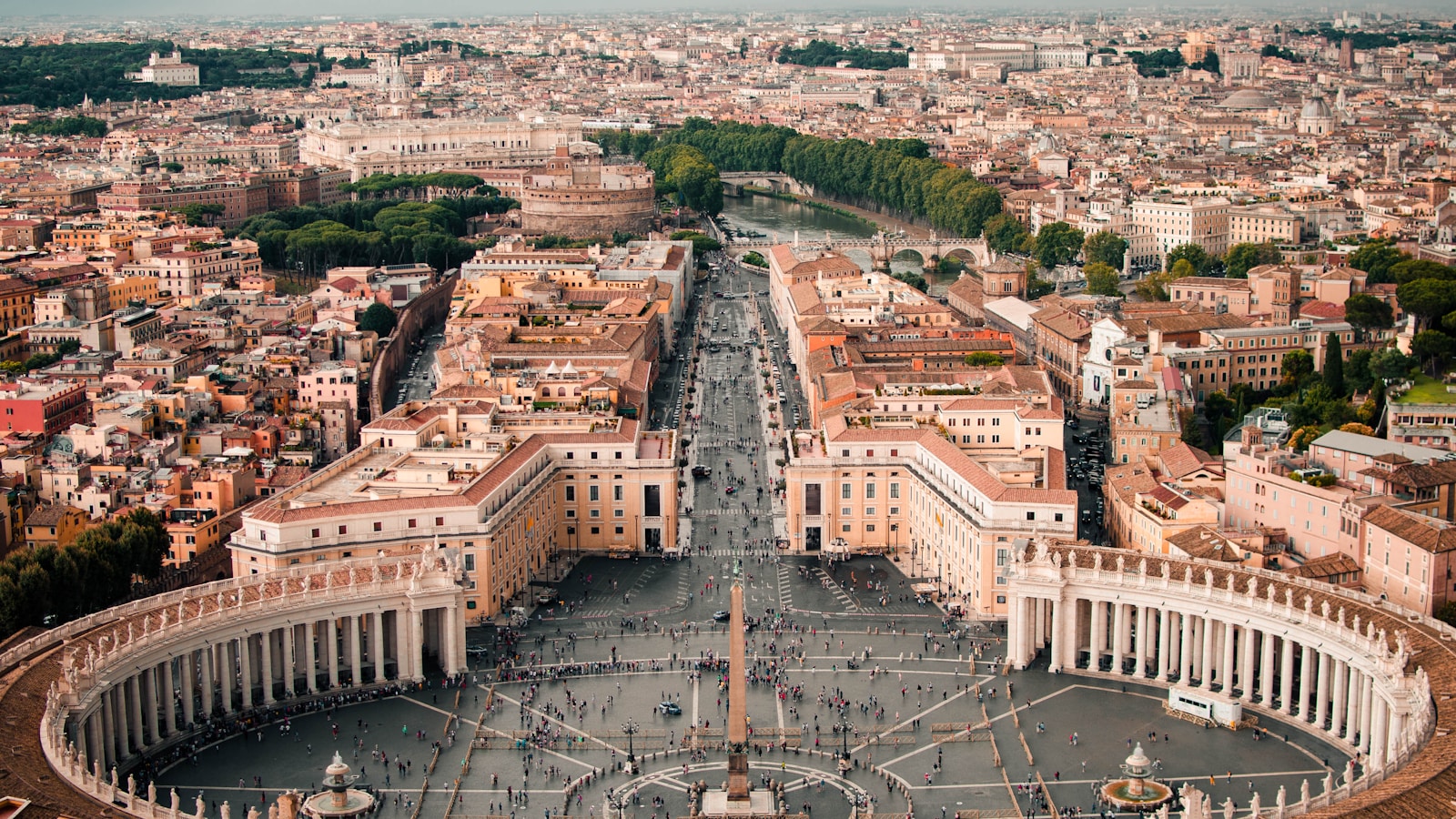
Book the earliest Vatican Museums entry slot available, typically 9 AM. Skip-the-line family tickets are essential—regular queues stretch for hours and offer no shade. Proceed directly to the Sistine Chapel, then backtrack to the Gallery of Maps, which fascinates kids with its colorful ceiling frescoes and oversized floor tiles. Avoid the Egyptian wing unless your children specifically love mummies—it adds thirty minutes with limited payoff. Exit into St. Peter's Basilica; the dome climb is not stroller-friendly and too strenuous for children under eight. Instead, admire the interior's scale and Michelangelo's Pietà from ground level. Total Vatican time: two to two-and-a-half hours maximum.
Cross into the Prati district for lunch at a neighborhood tavola calda or rosticceria offering pre-made lasagna, roasted chicken, and vegetable sides. These counter-service spots are budget-friendly, fast, and less formal than sit-down restaurants. Many have benches outside. Grab sandwiches and fruit if planning a picnic instead.
Walk fifteen minutes to Castel Sant'Angelo. The exterior fortress impresses kids as a real castle, and the interior ramps (originally designed for horses) accommodate strollers better than most Roman monuments. Climb to the top terrace for Tiber River views and angel statues. Allocate one hour here. Afterward, head to Parco Adriano, the small green space across the bridge. It features a playground with swings, slides, and benches for parents. Let kids decompress for an hour while you rest. Return to the hotel by mid-afternoon for downtime—this prevents evening meltdowns.
Dinner at a family-style osteria in Trastevere around 7 PM. The neighborhood's cobblestone charm appeals to adults, while its relaxed dining culture tolerates energetic children. Order sharing plates: bruschetta, simple pastas, and saltimbocca. After dinner, wander the narrow streets for ten minutes, then catch a taxi back to your hotel. Trastevere's evening crowds peak after 9 PM, so departing earlier avoids the chaos and keeps bedtime on schedule.
Continue in Prati or Monti, or consider Trastevere if you prefer a neighborhood feel. Trastevere hotels often include breakfast courtyards and are near the river. Ensure your choice is on a quieter side street, not directly on Viale di Trastevere, to minimize nighttime noise.
Day 3 — Fountains, Gelato, and Easy Exploration
Start with a relaxed breakfast at your hotel, then head to the Trevi Fountain by 9 AM before tour buses arrive. Let kids toss coins (bring a pocketful of small change) and snap photos. Walk ten minutes to the Pantheon—its enormous open dome and oculus amaze children, and the building requires only fifteen minutes to appreciate. The piazza outside has space for kids to move around while you grab an espresso. Continue to Piazza della Rotonda's gelato shops for a mid-morning treat. Strollers navigate these areas easily on wide sidewalks.
Choose a casual sandwich shop or café near Campo de' Fiori. Many offer porchetta sandwiches, focaccia, and fresh-squeezed orange juice. The Campo de' Fiori market (morning only) provides a colorful backdrop, though it winds down by 1 PM. Eat at an outdoor table or take food to nearby Piazza Farnese for an impromptu picnic on the steps.
If energy remains, visit the Orange Garden (Giardino degli Aranci) on Aventine Hill. The uphill walk is short but steep—taxis work better than strollers for the climb. Kids enjoy the garden's shaded orange trees, peacocks, and keyhole view of St. Peter's dome through the Knights of Malta gate. Spend forty-five minutes here, then descend to the Circus Maximus, now a sprawling grassy field perfect for running and kicking a ball. Pack a frisbee or small soccer ball. Allocate an hour for free play, then return to your hotel for final packing and rest.
Opt for a final dinner near Termini Station if departing tomorrow, or revisit a favorite neighborhood. A simple meal at a pasta-focused eatery keeps things stress-free. Roman restaurants serving families typically offer half-portions for children—just ask. Finish with gelato from a highly-rated gelateria, letting kids choose adventurous flavors as a trip souvenir. Head back early to pack and prepare for departure, aiming for lights out by 9 PM.
If flying out early, consider a hotel near Termini Station for convenience. These properties offer less charm but easy airport access via the Leonardo Express train. Otherwise, remain in Prati or Monti for consistency and familiarity with nearby dining and grocery options.
Where to Stay
Budget-conscious families should look at apartments or guesthouses in Monti or San Lorenzo, often featuring kitchenettes and extra space for around $120-$160 per night. These neighborhoods offer small supermarkets, laundromats, and authentic trattorias without tourist markups. Mid-range families will find three-star hotels in Prati ideal—expect elevators, air conditioning, buffet breakfasts, and helpful concierge staff for around $200-$280 nightly. Prati's tree-lined streets, proximity to the Vatican, and metro access balance convenience with livability. Luxury families can choose boutique properties in the historic center near Piazza Navona, offering rooftop terraces, family suites, and turndown service with treats for kids, typically $400-$600 per night. These locations put you within walking distance of major sights but come with evening noise and narrower sidewalks for stroller navigation.
What to Skip
Avoid the hop-on-hop-off buses—Rome's traffic makes them inefficient and kids grow restless waiting. Taxis and metro rides prove faster and cheaper for families. Skip the Capuchin Crypt unless your children are unusually fascinated by skeletons; most find it unsettling rather than educational. The Spanish Steps sound iconic but offer little for kids beyond a stair climb and crowded selfie opportunities—invest that time in Villa Borghese instead. Skip late-night dinners in Trastevere after 9 PM; the neighborhood becomes bar-focused and loses its family-friendly atmosphere. Finally, avoid renting Segways or e-scooters with young children—Rome's cobblestones and chaotic traffic make these options unsafe and stressful for parents managing kids simultaneously.
Budget Breakdown (Per Person)
Pricing reflects partner data and traveler review patterns. Actual costs vary by season, currency, and category. Flights not included.
Map of the Itinerary
Day one concentrates on the Colosseum-Forum area, then jumps northwest to Villa Borghese—a twenty-minute bus or taxi ride. Staying in Prati or Monti keeps both zones accessible. Day two focuses entirely on Vatican City and the Prati neighborhood, minimizing transit. If staying in Monti, expect a fifteen-minute metro ride on Line A to Ottaviano. Day three clusters around the historic center's pedestrian core—Trevi, Pantheon, and Campo de' Fiori sit within a twenty-minute walking radius. The Aventine Hill excursion requires a brief taxi or tram ride south. Overall, the itinerary uses Rome's compact geography to limit long commutes, favoring taxis and short metro hops over extensive walking that exhausts children.
Frequently Asked Questions
Are Rome's major sights truly stroller-accessible?
Most major attractions accommodate strollers with caveats. The Colosseum, Roman Forum, and Vatican Museums offer elevator or ramp access to primary areas, though some secondary sections require stairs. Cobblestone streets throughout the historic center create bumpy rides—bring a sturdy stroller with good suspension and consider a baby carrier for infants. The Pantheon, Trevi Fountain, and most piazzas work fine for strollers. Skip the Spanish Steps climb and any catacomb tours, which involve narrow staircases and uneven surfaces unsuitable for wheels.
What's the best way to handle afternoon heat with young kids?
Rome's summer temperatures regularly exceed 85°F, with minimal shade in open archaeological sites. Schedule major outdoor sights for early morning, ideally before 10 AM. Return to your hotel or find air-conditioned museums and cafés between 1 PM and 4 PM. Villa Borghese's tree cover provides respite, as do the Vatican Museums' climate-controlled galleries. Carry refillable water bottles—Rome's public fountains offer potable water throughout the city. Dress kids in lightweight, light-colored clothing and apply sunscreen generously. Afternoon gelato breaks double as cooling rest stops.
How much should we budget for meals with kids in Rome?
Budget families can manage on $90-$110 daily by choosing neighborhood pizzerias, tavola calda counters, and supermarket picnics. A family pizza lunch runs $25-$35; dinner at a trattoria costs $50-$70 including house wine for adults. Mid-range families spending $130-$160 daily can enjoy sit-down lunches, tablecloth dinners, and frequent gelato without stress. Splurging on one special meal—perhaps rooftop dining—adds $100-$150. Children's menus exist but aren't universal; requesting half-portions of adult pasta dishes usually works and costs less. Fresh markets offer excellent produce and bread for budget-conscious snacking.
Is three days enough to see Rome with kids, or will we feel rushed?
Three days covers Rome's essential family-friendly highlights without overscheduling. You'll see the Colosseum, Vatican, major fountains, and enjoy park time, but skip secondary museums and extensive catacomb tours. The itinerary intentionally builds in afternoon rest periods, recognizing that young children can't sustain full sightseeing days. Five days would allow day trips to Ostia Antica or Villa d'Este in Tivoli, plus more playground time, but three days suffices for a first visit. Quality experiences trump checklist completion—better to enjoy fewer sights thoroughly than exhaust everyone rushing between monuments.
What's the easiest way to get from the airport to our hotel with luggage and tired kids?
Pre-book a private transfer van from Fiumicino Airport to your hotel for around $60-$80. This beats wrangling luggage, car seats, and exhausted children onto the Leonardo Express train and subsequent metro connections. The direct drive takes 30-50 minutes depending on traffic and drops you at your hotel door. If staying near Termini Station and traveling light, the Leonardo Express train runs every fifteen minutes for $15 per adult (kids under four free), reaching Termini in thirty-two minutes. Taxis from the airport cost a flat $50 to central Rome but fit only four passengers with luggage—larger families need vans.