




This three-day Rome itinerary covers the city's most iconic ancient ruins, Renaissance masterpieces, and baroque fountains. Designed for first-time visitors, it balances must-see landmarks with neighborhood wandering and authentic dining. Efficient routing minimizes backtracking. Budget mid-range at approximately $950-1,150 total per person including hotels, meals, attractions, and transit.
At a Glance
Day 1 — Ancient Rome
Start at the Colosseum with a skip-the-line ticket booked in advance. Arrive right at opening (8:30 am typically) to beat crowds and heat. Spend ninety minutes exploring the arena floor, upper tiers, and underground hypogeum if your ticket includes it. Walk directly to the Roman Forum and Palatine Hill, included in your Colosseum ticket. The Forum's Via Sacra, Temple of Saturn, and Arch of Titus require about two hours. Palatine Hill offers shaded gardens and sweeping views over the Forum below.
Head to a trattoria near Teatro di Marcello for carbonara or cacio e pepe. The neighborhood south of the Forum has excellent mid-range spots favored by locals. Budget €15-22 per person including house wine. Portions are generous.
Walk fifteen minutes to Piazza Venezia to see the massive Vittorio Emanuele II Monument, then continue north to the Trevi Fountain. Arrive mid-afternoon when tour buses thin out slightly. Toss your coin, snap photos, then wander northwest to the Spanish Steps. Climb to Trinità dei Monti church for elevated city views. Explore the boutique-lined streets around Via Condotti if shopping interests you, or simply enjoy the people-watching from the Steps themselves.
Take the metro to Trastevere for dinner. This bohemian neighborhood across the Tiber comes alive after sunset with cobblestone lanes, ivy-draped buildings, and packed outdoor tables. Choose a bustling osteria for Roman-Jewish artichokes, saltimbocca, or grilled fish. After dinner, stroll to Piazza Santa Maria to watch street musicians and sample gelato from an artisan shop. The neighborhood's relaxed energy provides a perfect counterpoint to the morning's ancient grandeur. Budget €25-35 for dinner.
Stay near Termini Station or the Monti neighborhood. Both offer excellent metro access, mid-range hotel concentrations, and authentic restaurants. Monti provides more charm; Termini delivers convenience for day trips.
Day 2 — Vatican & Renaissance
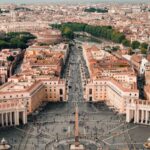
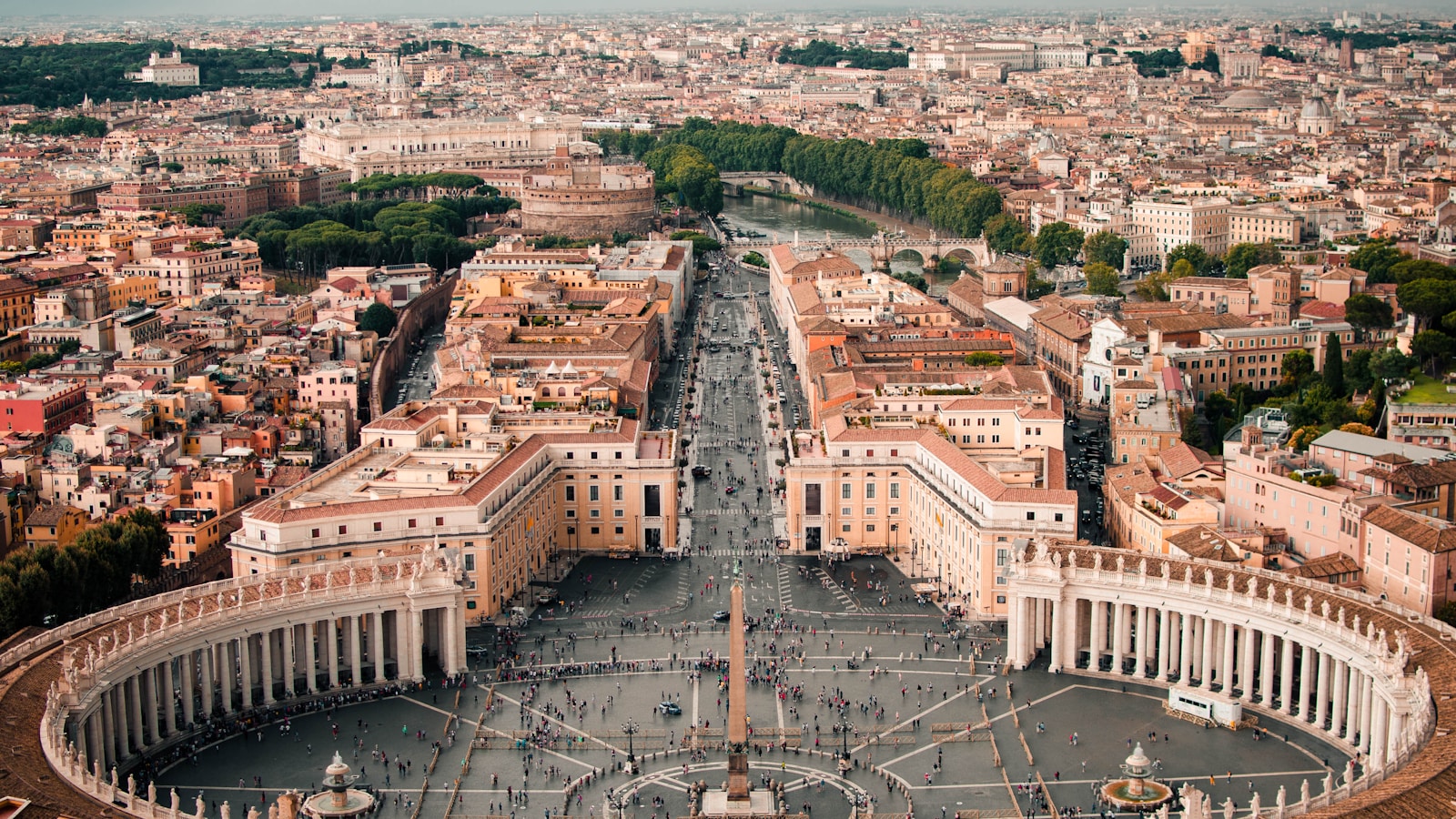
Book a 9:00 am Vatican Museums entry to avoid peak crowds. The galleries span four miles, so prioritize the Gallery of Maps, Raphael Rooms, and Sistine Chapel. Audio guides or small-group tours help navigate efficiently. Spend two to three hours total. Exit directly into St. Peter's Basilica if your ticket allows, or walk around to the basilica entrance. Climb the dome (551 steps, or elevator partway) for panoramic views. The basilica itself—Michelangelo's Pietà, Bernini's baldachin—demands another hour minimum.
Cross the Tiber to Prati neighborhood, a ten-minute walk from St. Peter's. This residential area serves excellent lunch spots without tourist markup. Look for a casual pizzeria offering pizza al taglio or a tavola calda with daily pasta specials. Budget €12-18 per person.
Walk or take tram 19 to Castel Sant'Angelo, the cylindrical fortress originally built as Hadrian's mausoleum. Explore the ramparts and papal apartments, then cross Ponte Sant'Angelo to reach the historic center. Continue to Piazza Navona, Rome's most theatrical square, built atop an ancient stadium. Admire Bernini's Fountain of the Four Rivers, then walk five minutes south to the Pantheon. This nearly two-thousand-year-old temple features the world's largest unreinforced concrete dome and costs nothing to enter. The oculus and perfect proportions are breathtaking.
Dine in the atmospheric streets near Campo de' Fiori. This market square transforms into a dining and nightlife hub after dark. Choose a mid-range enoteca for wine-paired small plates or a family-run trattoria for hearty classics like rigatoni all'amatriciana. After dinner, walk to the Tiber embankment for river views, or return to Campo de' Fiori for a nightcap at an outdoor wine bar. The neighborhood's mix of locals and visitors creates vibrant energy without feeling overrun. Budget €28-38 for dinner and drinks.
Continue in your Day 1 location. Monti or Termini keep you central with easy Vatican access via metro Line A. No hotel change needed for a three-day visit.
Day 3 — Baroque Squares & Jewish Quarter
Start in the Jewish Ghetto, Rome's oldest continuously inhabited neighborhood outside Israel. Walk the narrow streets around Via del Portico d'Ottavia, lined with kosher bakeries, Judaica shops, and restaurants serving carciofi alla giudia. Visit the Great Synagogue and its small museum documenting Roman Jewish history from the second century BCE. Spend about ninety minutes exploring, then walk along the Tiber to Tiber Island, connected by ancient bridges. Cross to Trastevere's morning side, quieter before evening crowds.
Grab lunch at a bakery or cafe near the Ghetto for pizza bianca sandwiches stuffed with mortadella or fresh mozzarella. Alternatively, try a Jewish-Roman spot for fried artichokes and baccalà. Budget €10-16 per person for casual lunch.
Metro to Barberini station to visit the stunning Baroque church of Santa Maria della Vittoria, housing Bernini's Ecstasy of Saint Teresa sculpture. Walk ten minutes downhill to the Trevi Fountain for a second, farewell visit—light hits differently in afternoon. Continue to Villa Borghese gardens, Rome's largest park. If art interests you and you booked ahead, visit Galleria Borghese for Bernini sculptures and Caravaggio paintings; otherwise, rent bikes, people-watch, or stroll to the Pincio Terrace overlook above Piazza del Popolo for sunset views stretching to St. Peter's dome.
For your final dinner, return to a neighborhood you loved—perhaps Monti for its village-like intimacy or Testaccio for authentic working-class Roman cuisine. Choose a restaurant with outdoor seating and order dishes you haven't yet tried: supplì, porchetta, puntarelle salad, Roman-style lamb. Linger over dessert—perhaps tiramisu or a ricotta tart—and espresso. After dinner, take a final evening stroll past illuminated monuments. The Colosseum at night is especially dramatic. Budget €30-40 for a leisurely farewell meal with wine.
Same accommodation. Check out in the morning and use hotel luggage storage if you have an evening flight, allowing full use of your final day without baggage.
Where to Stay
For budget-conscious travelers, look in the Esquilino area near Termini Station. Guesthouses and small hotels in renovated residential buildings offer private rooms with breakfast for $80-110 per night. You'll sacrifice charm but gain transit access and neighborhood bakeries. Mid-range travelers should prioritize Monti, a five-minute walk from the Colosseum. Boutique hotels in converted palazzos run $140-200 nightly with stylish rooms, rooftop terraces, and walkability to major sites. The cobblestone streets feel authentically Roman without tourist chaos. Luxury seekers find the best properties around Via Veneto or near Piazza di Spagna, starting at $300 nightly. Expect concierge services, Michelin-starred restaurants, and designer interiors in historic buildings. These neighborhoods position you in Rome's most elegant quarter with evening strolls past illuminated fountains and high-end shopping.
What to Skip
The 'gladiator photo' touts outside the Colosseum charge €10-20 for a mediocre snapshot and can be aggressively pushy. Politely decline and take your own photos. Tourist restaurants on streets radiating from Trevi Fountain serve microwaved pasta at triple normal prices with persistent hawkers out front. Walk two blocks in any direction for better value and quality. The hop-on-hop-off bus tours create more hassle than value in Rome's compact, metro-accessible center. You'll spend more time in traffic than sightseeing. Walk or use public transit instead. Restaurants with photos of dishes on outdoor menus near major monuments typically signal tourist traps. Romans don't need pictures to choose their pasta. The horse carriages near the Vatican and Colosseum cost €80-150 for short rides that cover walkable distances and contribute to animal welfare concerns many travelers find troubling.
Budget Breakdown (Per Person)
Pricing reflects partner data and traveler review patterns. Actual costs vary by season, currency, and category. Flights not included.
Map of the Itinerary
This itinerary follows a logical geographic pattern. Day one concentrates in ancient Rome's southeast quadrant—Colosseum, Forum, then northwest to Trevi and Spanish Steps, ending across the river in Trastevere (a single metro ride or twenty-minute walk). Day two tackles Vatican City in the northwest, then crosses the Tiber back to the historic center's western side—Castel Sant'Angelo, Piazza Navona, Pantheon. Walking covers most distances in thirty minutes or less. Day three explores the Tiber's east bank Jewish Quarter and central Baroque treasures, with a single metro hop to Villa Borghese. Minimal backtracking, metro used strategically for longer distances. Rome's compact center rewards walking between clusters.
Frequently Asked Questions
Do I really need skip-the-line tickets for the Colosseum and Vatican?
Yes, particularly March through October and any weekend. Standard security lines at the Colosseum regularly exceed ninety minutes by mid-morning; Vatican queues reach two hours in peak season. Skip-the-line access costs an additional €5-10 per site but saves substantial time and frustration. Book directly through official sites (coopculture.it for Colosseum, museivaticani.va for Vatican) two to three weeks ahead for best availability. Early morning time slots sell out first. Combined Colosseum-Forum-Palatine tickets run about €18; Vatican Museums €20. Audio guides add €7-10 but significantly enhance context for first-time visitors.
What's the best way to get around—metro, walking, or taxi?
Walking handles most of your routing since Rome's historic center is compact and pedestrian-friendly. The metro has only three lines and doesn't reach many major sites, but it's useful for longer jumps like Termini to Vatican (Line A) or to Trastevere. Single tickets cost €1.50; a three-day pass runs €18. Taxis are metered but traffic can be heavy; reserve them for late evenings or luggage transfers. Download the FreeNow or ItTaxi app for reliable service. Avoid unlicensed cabs at Termini. Budget travelers find the metro-plus-walking combination most efficient and economical.
How much should I budget for meals per day?
Mid-range travelers typically spend €50-70 daily on food. Breakfast—often included with hotels or grabbed at a cafe for cappuccino and cornetto—runs €5-8. Lunch at a casual trattoria or pizzeria costs €12-20 with water or house wine. Afternoon gelato adds €3-5. Dinner at a neighborhood osteria with antipasto, pasta, wine, and cover charge totals €25-38. Add espresso stops and snacks and you'll hit €60-65 comfortably. Fine dining pushes €50-80 for dinner alone. Budget travelers can reduce costs by having picnic lunches from alimentari shops and choosing pizza al taglio over sit-down meals.
Is three days enough for Rome, or will I feel rushed?
Three days allows comprehensive coverage of Rome's essential landmarks with strategic routing and early starts. You'll see the Colosseum, Vatican Museums, major basilicas, fountains, and piazzas plus experience neighborhood dining culture. However, you'll make choices—Borghese Gallery or Capitoline Museums, Appian Way or Villa Borghese—and skip day trips like Ostia Antica or Tivoli. Many visitors find three days satisfying for a first visit while recognizing Rome deserves return trips. The pace is steady but manageable. If you have a fourth day, add Galleria Borghese, more church art, or relaxed shopping time.
When should I visit to avoid the worst crowds but still have good weather?
Late April through May and mid-September through October offer the best balance based on visitor patterns and seasonal data. Temperatures range 60-75°F, crowds are moderate rather than overwhelming, and most seasonal businesses operate full schedules. Easter week brings huge crowds regardless of month. June through August means intense heat—often 85-95°F—packed sites, and higher prices, though longer daylight hours and outdoor evening culture compensate. November through March sees fewer tourists and lower hotel rates but shorter days, occasional rain, and some restaurant closures. Book spring and fall trips three months ahead for best hotel rates.