








Rome vs Florence: Which Should You Visit in 2026?
Quick Answer
**Pick Rome by default.** It offers more iconic sights (Colosseum, Vatican, Sistine Chapel), greater historical scope spanning millennia, and feels like a complete standalone destination. Choose Florence instead if you prioritize Renaissance art above all else, the Uffizi Gallery, David statue, and Duomo concentration make it the superior choice for art devotees willing to sacrifice Rome's ancient grandeur.
At a glance
| Rome | Florence | |
|---|---|---|
| Best for | Epic ruins, maximal sightseeing, late-night dining | Renaissance art, walkable medieval streets, wine country access |
| Hotels from | $75/night | $140/night |
| Best time to visit | October or late April | May or September |
| Days needed | 4 to 5 days | 2 to 3 days |
| Vibe | Chaotic capital energy, massive landmarks, constant crowds | Intimate museum city, overwhelmingly beautiful, tourist-dense core |
Cost comparison
Rome consistently runs cheaper than Florence on lodging. Budget hotels in Trastevere or near Termini Station start at $75 per night, mid-range options in Monti or Testaccio go for $120 to $180, and upscale properties near the Spanish Steps run $250 to $400. Florence hotels cost more for less space. Budget rooms near Santa Maria Novella begin around $140, mid-range picks in San Lorenzo or Oltrarno cost $200 to $280, and luxury hotels along the Arno easily top $350 to $600 nightly.
Daily budgets shift accordingly. In Rome, budget travelers can manage on $80 per day (street pizza, aperitivo snacks, walking everywhere), mid-range visitors spend $150 to $200 (sit-down lunches, taxis, paid museum entries), and luxury travelers drop $300-plus (Michelin meals, driver services). Florence demands about 20% more across the board: $100 for budget, $180 to $240 for mid-range, $350-plus for high-end dining at Enoteca Pinchiorri and private Uffizi tours.
Flights from New York to Rome (FCO) run $450 to $750 roundtrip on Norwegian, ITA Airways, or connecting through London. Florence’s tiny airport (FLR) forces most international travelers through connecting hubs, pushing prices to $550 to $850 from JFK. London to Rome costs $90 to $200 on Ryanair or British Airways, while London to Florence runs $120 to $240. From Los Angeles, expect $700 to $1,100 to Rome and $800 to $1,200 to Florence, both requiring at least one stop.
For a five-day trip including flights, hotels, food, and sightseeing, Rome totals around $1,400 to $1,800 per person at mid-range. Florence hits $1,700 to $2,200 for the same comfort level. Rome wins on value, especially if you find hotels in Rome outside the immediate historic center.
Things to do, head to head
Top 3 in Rome
The Colosseum and Roman Forum. The 2,000-year-old amphitheater still dominates the skyline, and walking through the arches where gladiators entered feels surreal no matter how many photos you’ve seen. Skip-the-line tickets ($30 to $40) are mandatory unless you enjoy two-hour queues. The adjacent Forum sprawls across ruined temples, basilicas, and Senate buildings. Go early (8:30 a.m. entry) or late afternoon to dodge peak heat and tour groups. Budget three hours minimum for both sites.
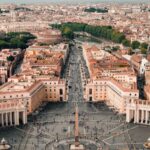
Vatican Museums and Sistine Chapel. The papal art collection spans 54 galleries, including Raphael’s Rooms, ancient Roman sculptures, and Michelangelo’s ceiling frescoes. The sheer scale overwhelms. Entry costs around $20, but book weeks ahead or pay $45 for skip-the-line access. The Sistine Chapel bans photos and packs hundreds of people into one room, guards constantly shushing the crowd. St. Peter’s Basilica next door is free and less stressful, with Michelangelo’s Pietà and Bernini’s baldachin worth the separate visit.
Trastevere and the evening passeggiata. This neighborhood across the Tiber becomes the best place in Rome after 7 p.m. Cobblestone alleys fill with locals eating cacio e pepe at Da Enzo or Flavio al Velavevodetto, bars pour Aperol spritzes for $6, and the vibe stays relaxed compared to the Forum area. Sunday mornings bring the Porta Portese flea market. It’s less monumentally important than the Colosseum but captures Roman life better than any ruin.
Top 3 in Florence
The Uffizi Gallery. Botticelli’s Birth of Venus and Primavera anchor the world’s greatest Renaissance collection. You’ll also see Leonardo, Michelangelo, Caravaggio, and Titian originals in room after room of perfectly lit galleries. Timed-entry tickets ($25) sell out days ahead in peak season. The museum requires two to three hours minimum, longer if you actually read the placards. Go right at opening (8:15 a.m.) to see the Botticelli room without 200 other people.
The Duomo complex. Brunelleschi’s red-tiled dome defines Florence’s skyline and climbing the 463 steps inside delivers rooftop views across Tuscany. The cathedral itself is free to enter, but climbing the dome ($20), the bell tower ($15), or visiting the baptistery with Ghiberti’s bronze doors ($10) each require separate tickets. Buy the combined pass ($30) if you plan to hit multiple sites. The dome climb gets claustrophobic and hot in summer, with narrow spiral stairs and no air conditioning.
Mercato Centrale and San Lorenzo. The two-story food hall on the ground floor sells porchetta sandwiches, fresh pasta, Chianti by the bottle, and pecorino wheels. Upstairs runs a modern food court with craft beer and pizza by the slice. The outdoor leather market surrounding the building hawks jackets, bags, and belts of wildly varying quality. Bargain hard or just enjoy the scene. Trattoria Mario nearby serves the city’s best ribollita soup for $8 at communal tables, cash only.
Rome takes food and nightlife without much contest. Dinner at 10 p.m. is normal, clubs in Testaccio stay open until 4 a.m., and the aperitivo culture means every bar offers free snacks with evening drinks. Florence rolls up earlier, restaurants stop seating by 9:30 p.m., and nightlife concentrates around student bars near Sant’Ambrogio. Culture tilts toward Florence if your priority is Renaissance painting and sculpture. The Uffizi, Accademia (Michelangelo’s David), and Bargello outweigh Rome’s more scattered art collections. Nature favors neither city directly, but Florence grants easier day-trip access to Tuscan vineyards and hilltop towns like San Gimignano. Rome requires longer drives to reach coastal spots like Sperlonga or mountain areas.
When to go
January and February bring Rome’s coldest weather (45 to 55°F) with occasional rain and thin crowds. Hotels drop to their lowest rates ($60 to $100 for solid options), and you can walk into the Pantheon without waiting. Florence feels even colder (40 to 50°F) due to its valley location and the wind off the Arno. Both cities work fine for museum-heavy itineraries but feel gray.
March and April warm up gradually (55 to 68°F in Rome, 50 to 65°F in Florence). Easter week floods both cities with pilgrims and tourists, spiking hotel prices 30% and filling every restaurant. Late April hits the sweet spot: good weather, spring flowers in Villa Borghese gardens, manageable crowds before summer peaks.
May through June bring perfect temperatures (68 to 80°F) but also the first wave of summer tourists. Florence becomes uncomfortably packed around the Duomo and Ponte Vecchio, with lines at the Uffizi stretching an hour even with reservations. Rome handles crowds better thanks to its size, but the Colosseum and Vatican still require advance tickets. Hotel rates climb to $150 to $250 for mid-range properties.
July and August hit brutal heat (85 to 95°F, sometimes hotter). Rome feels like an oven, the metro smells worse, and locals flee for the coast in August. Florence’s stone streets radiate heat, making midday walking miserable. Many family-run restaurants close for two to three weeks in August. Tourist numbers oddly stay high despite the conditions. Only visit if you have no choice or love heat.
September rivals late April as the best month. Temperatures cool to 70 to 80°F, summer crowds thin after Labor Day, and restaurants reopen. Florence particularly shines with harvest season starting in surrounding vineyards. October stays pleasant (60 to 70°F) with even fewer tourists and lower hotel rates after mid-month.
November and December turn wet and chilly (50 to 60°F in Rome, 45 to 55°F in Florence). Christmas markets add some charm to Florence’s Piazza Santa Croce, and Rome’s Spanish Steps get decorated. Hotels run cheap again ($80 to $140 for decent rooms), but short daylight hours (sunset by 5 p.m.) and rain limit outdoor sightseeing.
Who should pick Rome
- First-timers to Italy who want the iconic bucket-list sites (Colosseum, Trevi Fountain, Vatican) in one city.
- History obsessives who prefer ancient ruins over Renaissance paintings and can spend days wandering forums and baths.
- Night owls who want late dinners, active bars, and a city that doesn’t shut down at 10 p.m.
- Budget travelers who need cheaper hotels and meals without sacrificing major sightseeing.
- Groups mixing interests, since Rome offers enough variety (food tours, catacombs, shopping, parks) to keep everyone engaged.
Who should pick Florence
- Art lovers who prioritize Botticelli, Michelangelo, and Leonardo over ancient Roman history.
- Walkers who prefer compact, pedestrian-friendly cities where major sites sit within 20 minutes of each other.
- Wine enthusiasts planning day trips to Chianti vineyards and Tuscan hill towns like Siena or Montalcino.
- Travelers seeking a slower pace with smaller crowds (relative term) and more intimate piazzas.
- Repeat Italy visitors who’ve already done Rome and want to dive deeper into a single cultural period.
Or visit both?
Absolutely do both if you have five or more days in Italy. The cities sit 170 miles apart, connected by high-speed trains that take 90 minutes and cost $25 to $50 each way. Trenitalia and Italo run hourly departures from Rome Termini to Florence Santa Maria Novella.
A solid combined itinerary: Fly into Rome, spend three nights covering the Colosseum, Vatican, Trastevere, and one full day wandering the historic center (Pantheon, Trevi Fountain, Spanish Steps). Train to Florence on day four, spend two nights hitting the Uffizi, Duomo, and maybe a half-day trip to Siena or a winery. Fly home from Florence or return to Rome for your departure flight.
Alternatively, base in Rome for four nights and day-trip to Florence. Catch the 7:30 a.m. train, arrive by 9 a.m., see the Uffizi and Duomo, grab lunch at Mercato Centrale, and return by evening. You’ll miss Florence at night but save the hotel change. Florence makes a tougher day-trip base for Rome since Rome demands more time to cover properly.
Both cities also pair well with Venice (two hours from Florence, four from Rome) or the Amalfi Coast (90 minutes from Rome by train to Salerno). If you only have four days total in Italy and must choose one city, find hotels in Florence if art and walkability matter most, or pick Rome for the bigger, more diverse experience.
Bottom line
Rome wins for most travelers, especially first-timers. The sheer density of world-class sites (Colosseum, Pantheon, Vatican, Forum) in one city justifies the chaos and crowds, the food rivals anywhere in Italy, and the hotel value beats Florence significantly. You need four to five days to do Rome properly, but you’ll leave feeling like you actually saw ancient history in context. Florence deserves the pick if you care more about Renaissance art than Roman ruins, if you prefer walking a compact medieval core over navigating a sprawling capital, or if you’re planning serious Tuscany exploration. For pure sightseeing return on investment, Rome delivers more landmarks per day and costs less doing it.
FAQs
Which is cheaper, Rome or Florence?
Rome runs 20 to 30% cheaper overall. Budget hotels start at $75 versus $140 in Florence, restaurant meals cost $12 to $18 for pasta in Rome versus $15 to $22 in Florence, and even museum tickets average lower (many Roman churches and ruins cost $8 to $12, while Florence’s major galleries hit $20 to $25). A comfortable five-day trip costs around $1,600 per person in Rome compared to $2,000 in Florence at similar quality levels. Rome’s metro ($1.50 per ride) also undercuts Florence’s reliance on taxis and walking.
Which is safer?
Both cities are safe for tourists with standard precautions. Rome sees more pickpocketing around Termini Station, the Colosseum, and crowded buses (the 64 to the Vatican is notorious). Florence concentrates petty theft around Santa Maria Novella station and the Ponte Vecchio. Violent crime remains rare in both. Rome’s size means seedier neighborhoods exist (avoid Esquilino late at night), while Florence’s compact center stays consistently well-lit and patrolled. Neither city requires serious safety concerns beyond watching your phone and wallet in crowds.
Which is better for families?
Rome wins for kids over eight who can handle walking and appreciate history. The Colosseum, catacombs, and gladiator stories engage children more than Renaissance paintings. Villa Borghese park offers rowboat rentals and playgrounds for breaks between sightseeing. Florence’s museums require patience and quiet behavior that younger kids struggle with, though gelato shops every 50 feet help. Teens interested in art prefer Florence. Both cities lack dedicated kid attractions like theme parks, but Rome’s scale and variety keep families entertained longer. Florence works better for shorter family stays (two days max).
Which is better for first-time international travelers?
Rome handles first-timers better despite the chaos. English is widely spoken at major sites, the metro system is straightforward (two main lines), and the airport train connection is simple. Tourist infrastructure runs deep with countless English-language tours, signs, and menus. Florence can feel more authentically Italian (translation: fewer English menus, more patient-testing service) but also more manageable due to its walkable size. If you’ve never left North America, Rome’s international airport, extensive hotel options, and sheer volume of other tourists creates a softer landing. Florence rewards slightly more experienced travelers.
Can I see both in one trip?
Easily. High-speed trains connect the cities in 90 minutes for $25 to $50, departing hourly throughout the day. Book through Trenitalia or Italo at least a week ahead for best prices. A week in Italy should split three to four nights in Rome and two to three in Florence. Even with just five days total, you can do two nights in Rome, train over, and spend two nights in Florence before flying home. The cities sit close enough that skipping one when you’re already in Italy makes little sense unless you’re adding Venice, the Amalfi Coast, or other regions to the itinerary.