







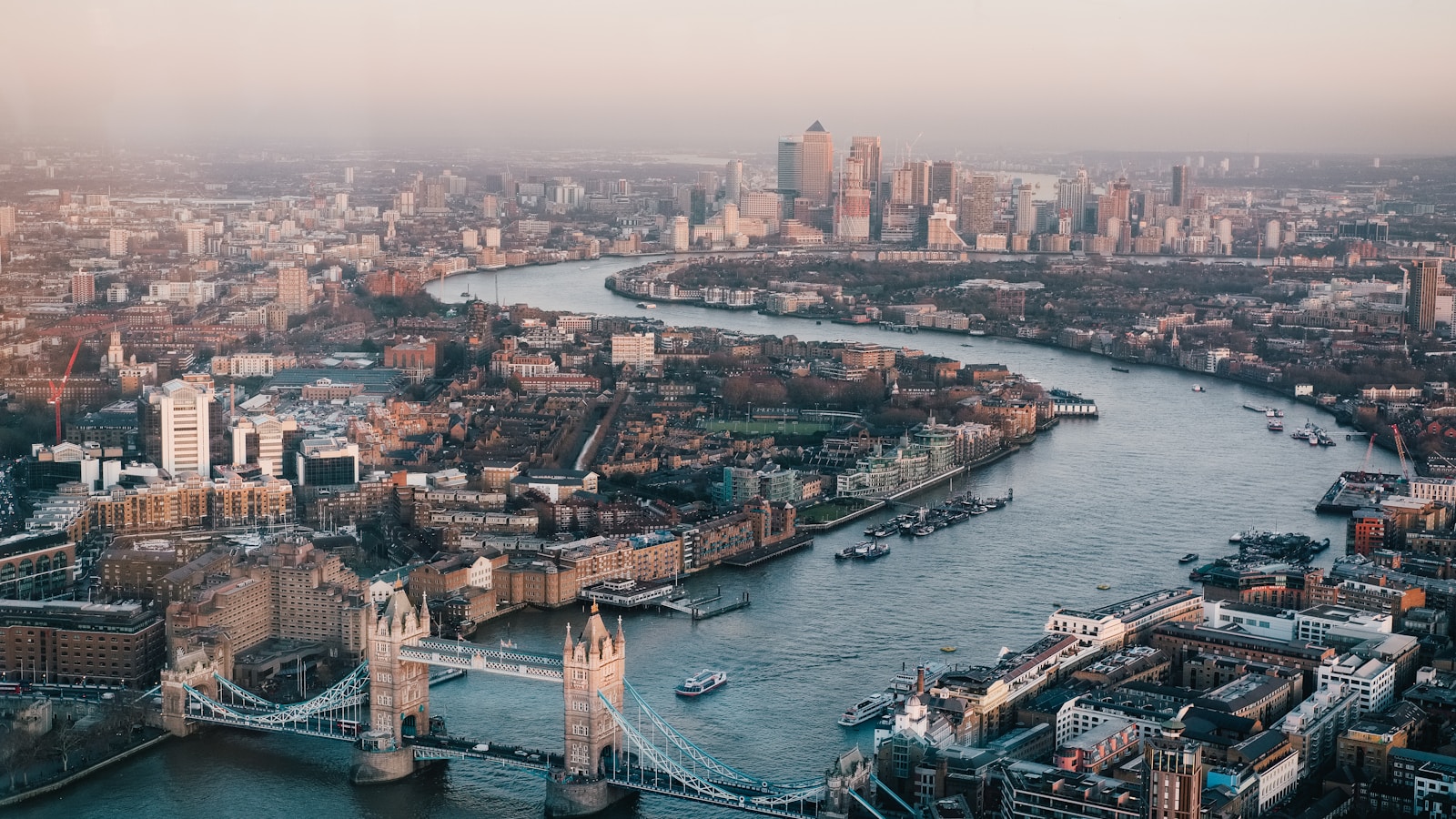
A three-day London itinerary designed for families with children ages 5-12, balancing iconic landmarks with spacious parks, interactive museums, and stroller-friendly routes. Features early dinners, playground breaks, and minimal walking between attractions. Budget estimates $2,800-$4,200 for a family of four including mid-range hotels, meals, attractions, and transport.
At a Glance
Day 1 — Royal London & Green Spaces
Start at Buckingham Palace for the Changing of the Guard ceremony, typically held at 11:00 AM on selected days. Arrive by 10:15 AM to secure a viewing spot along the railings where kids can see clearly. The ceremony's pageantry and music captivate younger children. Afterward, stroll through St. James's Park, where kids can watch pelicans and ducks near the lake. The park's playgrounds offer a chance for energy release, and wide paved paths accommodate strollers easily. Plan two to three hours for this combination of royal spectacle and park exploration.
Head to a family-friendly pub near St. James's Park serving traditional fish and chips, bangers and mash, or kid-friendly pasta. Many establishments offer children's menus with smaller portions and crayons for coloring. Budget $50-75 for a family of four with soft drinks.
Walk to the Churchill War Rooms, about 10 minutes from St. James's Park. This underground museum fascinates older children with its authentic World War II bunker setting, interactive displays, and spy-themed elements. Audio guides include family-friendly versions. The visit takes approximately 90 minutes. Afterward, cross to Parliament Square for exterior photos of Big Ben and Westminster Abbey. Let kids stretch their legs in the small green space, then walk along the Thames to spot street performers near the South Bank, crossing Westminster Bridge for river views.
Take the Tube to Covent Garden for early dinner at a family-style Italian trattoria or casual American-themed restaurant with high chairs and changing facilities. The piazza's street performers—magicians, living statues, musicians—provide free entertainment that mesmerizes children. Browse the covered market's toy shops and sweet stalls. Return to your hotel by 7:30 PM to maintain reasonable bedtimes. The area's pedestrianized streets make evening strolls stress-free with strollers. Budget $70-100 for dinner including desserts.
Stay in the Southwark or Westminster areas for proximity to Day 1 and Day 2 attractions. These neighborhoods offer excellent Tube connections, riverside walking paths, and numerous family dining options within short distances of major sights.
Day 2 — Museums & Hyde Park Adventure
Arrive at the Natural History Museum when doors open at 10:00 AM to beat crowds. Head straight to the dinosaur galleries, where the animatronic T-Rex and fossil displays captivate kids of all ages. The blue whale skeleton in Hintze Hall makes a spectacular first impression. The museum's Investigate Centre offers hands-on activities for children to examine real specimens under microscopes. Wide corridors and elevators make stroller navigation straightforward. Plan two to three hours, focusing on highlights rather than attempting full coverage to avoid exhaustion.
The museum's cafeteria-style restaurant serves hot meals, sandwiches, and kid-friendly options including pizza and nuggets. Alternatively, exit to Exhibition Road where casual cafés offer outdoor seating in pleasant weather. Picnicking in nearby gardens works well for budget-conscious families. Expect $45-65 for lunch.
Walk through the underpass to Hyde Park, entering near the Albert Memorial. Rent pedal boats at the Serpentine lake—a highlight for children who enjoy being on the water. The Diana Memorial Playground, located in Kensington Gardens, features a massive wooden pirate ship, teepees, and sensory trails designed for adventurous play. The fenced playground provides security while kids explore. Nearby café facilities offer coffee and snacks for parents. Budget two hours minimum for playground time and lake activities, with benches for parent rest breaks throughout.
Head to South Kensington's restaurant district for early dinner at a casual pizza restaurant or burger spot with outdoor seating when weather permits. Many establishments in this museum quarter cater specifically to families with dedicated kids' menus and quick service. After dinner, consider a brief walk through the illuminated Albert Memorial area or return directly to your hotel. The neighborhood's residential character makes for pleasant, safe evening strolls. Dinner budget $65-95 for four.
Continue in Southwark or Westminster, or consider South Kensington if you prefer immediate proximity to museum row and Hyde Park. South Kensington offers charming residential streets, excellent restaurants, and easy Tube access to other attractions.
Day 3 — Thames Views & Tower Exploration
Begin at the Tower of London when it opens at 9:00 AM. Book tickets in advance to skip queues. Join a Yeoman Warder tour immediately—these 60-minute guided walks bring history alive with dramatic storytelling that engages children, covering executions, escapes, and the tower's role as a zoo. After the tour, visit the Crown Jewels exhibition where the moving walkway ensures even tired kids get excellent views. The medieval armor displays and the White Tower's dragon sculptures fascinate younger visitors. Allocate three hours total.
Walk along the Thames Path toward Tower Bridge. Numerous riverside cafés and casual eateries offer outdoor tables with bridge views. Fish and chips, sandwiches, or child-friendly chain restaurants provide quick, reliable meals. St. Katharine Docks, a five-minute walk from the Tower, features waterfront dining with yacht views. Budget $55-80.
Cross Tower Bridge, stopping mid-span for photos through the glass floor panels that thrill adventurous kids. Descend on the south side to explore the HMS Belfast, a decommissioning warship turned museum. Children enjoy climbing the steep ladders between decks, exploring the gun turrets, and imagining life at sea. The ship's nine decks require climbing, so strollers must be left at entry, but baby carriers work well. Plan 90 minutes. Alternatively, if the ship's ladders seem too challenging, walk to Borough Market for food samples and vibrant atmosphere before heading to nearby Potters Fields Park for playground equipment and Tower Bridge views.
Return north via Tower Bridge or take the Tube to Leicester Square for a relaxed final evening. Browse the LEGO Store and M&M's World, both free attractions that delight children with their colorful displays and photo opportunities. Grab early dinner at a family-friendly chain restaurant—options include American diners, Italian trattorias, or Asian noodle spots with kids' menus and fast service. The pedestrianized square offers street performers and a safe environment for kids to move around. Conclude with gelato or frozen yogurt before heading back to your hotel by 7:30 PM. Evening budget $70-100.
Remain in your chosen base neighborhood. If departing London the next morning, confirm your hotel's proximity to major train stations or airport connections. Southwark offers easy access to London Bridge station, while Westminster connects efficiently to Victoria and Paddington stations.
Where to Stay
For budget-conscious families, consider apartment-style accommodations in Southwark or Lambeth offering kitchenettes for breakfast preparation and multiple beds in a single unit, reducing per-night costs to $180-250. These neighborhoods provide supermarket access and genuine local flavor. Mid-range families benefit from chain hotels in South Kensington or Westminster, where $280-380 per night secures family rooms with two double beds, breakfast buffets, and concierge services. These areas balance tourist convenience with residential calm. For elevated comfort, Bloomsbury or Marylebone boutique properties offer $450-600 family suites with separate living areas, premium bedding, and sophisticated neighborhood dining. These literary and residential quarters provide village-like atmospheres within central London, with parks, independent bookshops, and less tourist congestion than Westminster. All recommended areas feature excellent Tube connectivity, 24-hour pharmacies, and supermarkets for snacks and supplies.
What to Skip
Madame Tussauds charges premium prices for what amounts to a 60-90 minute photo opportunity with wax figures—kids under eight often find the static displays less engaging than anticipated, and long queues cut into sightseeing time.
The London Eye's 30-minute rotation delivers views available from free vantage points across the city, and the extended queuing process with security checks exhausts young children before boarding, making the per-person cost difficult to justify.
Oxford Street shopping overwhelms families with dense crowds, aggressive店铺touts, and minimal kid-friendly attractions—the congestion makes stroller navigation frustrating and offers little educational or entertainment value beyond standard chain stores.
Changing of the Guard at Horse Guards Parade duplicates the Buckingham Palace ceremony with smaller crowds but less pageantry, making it redundant when time is limited to three days.
Budget Breakdown (Per Person)
Pricing reflects partner data and traveler review patterns. Actual costs vary by season, currency, and category. Flights not included.
Map of the Itinerary
Day one clusters around Westminster and St. James's, with 10-15 minute walks between Buckingham Palace, Churchill War Rooms, and Parliament Square. A single Tube ride brings you to Covent Garden for evening activities. Day two focuses on South Kensington's museum quarter, where the Natural History Museum, Hyde Park, and Diana Playground sit within a 15-minute walk of each other—minimal transit required. Day three follows the Thames riverfront from Tower Hill eastward, with Tower of London, Tower Bridge, and HMS Belfast connected by a continuous 20-minute riverside walk. Leicester Square requires one Tube journey for the final evening. This geographic clustering minimizes transportation time while maximizing attraction density, keeping travel stress low for families with young children.
Frequently Asked Questions
How do we navigate London's public transport with strollers and young children?
The Tube presents challenges during rush hours (7:30-9:30 AM, 5-7 PM) when crowds and limited elevator access complicate stroller transport. Many central stations lack elevators, requiring stair navigation. London buses offer easier stroller access with designated spaces and step-free boarding at most stops. Purchase Oyster cards for adults (children under 11 ride free) and tap in/out on all journeys. Black cabs accommodate folded strollers in spacious interiors and provide door-to-door service when energy flags. Apps like Citymapper identify step-free routes. Consider baby carriers for Tube journeys during busy periods while checking strollers at hotel concierge between morning and evening outings.
What's the realistic daily pace for this itinerary with elementary-age children?
This itinerary targets one major attraction per half-day with built-in playground breaks and flexible timing. Mornings focus on ticketed attractions when kids' energy peaks, while afternoons incorporate parks and outdoor spaces allowing free movement. Each day includes 2-3 hours of structured sightseeing balanced with equal open-ended play time. Early dinners around 5:30-6:30 PM prevent meltdowns and allow hotel return by 7:30-8:00 PM. The schedule assumes occasional taxi rides when walking fatigue sets in, and built-in flexibility if children need extended playground time or earlier naps. Families with children under five should reduce attraction count further, while those with pre-teens can add optional museums.
Are the major attractions genuinely engaging for this age range or just parent-focused?
The selected attractions balance educational content with interactive elements that hold children's attention. Tower of London Yeoman Warder tours use storytelling and dramatic history that captivates kids, while the Crown Jewels' sparkle and medieval weapons provide visual interest. Natural History Museum's dinosaurs and hands-on Investigate Centre allow touching and discovery rather than passive observation. Diana Memorial Playground and Hyde Park boat rentals prioritize pure play. Churchill War Rooms suits ages 8-12 better than younger children due to its static displays. The itinerary deliberately skips art museums and adult-focused historic homes that bore elementary-age visitors, focusing instead on castles, animals, boats, and playgrounds with inherent kid appeal.
How do we handle unpredictable London weather with outdoor-heavy plans?
London's weather shifts rapidly, requiring layered clothing and compact rain gear carried daily. Most museums and the Tower of London offer indoor components that fill several hours when rain arrives. St. James's Park and Hyde Park feature covered cafés and sheltered areas near playgrounds. The Covent Garden piazza's covered market provides weather-protected entertainment and dining. Build flexibility by identifying backup indoor options near each outdoor activity—if Hyde Park proves too wet, the Science Museum sits minutes away. Borough Market's covered stalls substitute for riverside walks during downpours. Many family restaurants offer extended indoor play areas. September typically delivers the most stable weather, while May-June brings longer daylight despite occasional showers.
What are the real costs beyond tickets and meals that catch families off-guard?
Gift shop pressure at every major attraction adds $15-30 per stop if you cave to requests—set expectations before entry or budget accordingly. Museum cafeterias charge premium prices, making packed snacks worthwhile for mid-morning and afternoon energy crashes. Toilet facilities in parks and public spaces increasingly charge 50p-£1, requiring coin supply. Photography with costumed characters near attractions operates on tips of £5-10. Taxi rides home when children tire cost £12-20 per trip versus planned Tube journeys. Convenience store snacks and drinks in tourist zones run double supermarket prices. Playground ice cream vendors charge £4-6 per treat. These miscellaneous costs easily add $50-75 daily beyond planned budgets, particularly when tired children negotiate for toys or treats.