









Paris vs London: Which Should You Visit in 2026?
Quick Answer
**Pick Paris by default.** It offers superior architecture, world-class museums, better food, and more romantic atmosphere at lower costs. The compact city center makes sightseeing easier, and café culture is unmatched. Choose London only if you prioritize English-speaking convenience, diverse international cuisine, or need it as a European hub with better flight connections to North America and beyond.
At a glance
| Paris | London | |
|---|---|---|
| Best for | Food lovers, museum enthusiasts, couples seeking romance | Theater fans, pub culture devotees, English speakers wanting easy navigation |
| Hotels from | $89/night | $200/night |
| Best time to visit | April to May, September to October | May to June, September |
| Days needed | 4 to 6 days | 5 to 7 days |
| Vibe | Grand boulevards, sidewalk cafés, art at every turn | Royal pageantry meets edgy neighborhoods, relentless urban energy |
Cost comparison
Hotels
Paris undercuts London in every category. Budget options in Montparnasse or the 11th arrondissement run $89 to $140 per night. Mid-range three-stars near the Marais cost $150 to $240. Luxury properties like Le Bristol or Hôtel Plaza Athénée start around $550 and climb past $900.
London’s budget beds (King’s Cross, Paddington hostels with private rooms) begin at $200, a full $111 higher than Paris. Mid-range hotels in Bloomsbury or South Bank run $280 to $420. Five-star properties in Mayfair or Knightsbridge start at $650 and reach $1,200 at The Savoy or Claridge’s.
You can find hotels in Paris that deliver proper charm for half what you’d spend crossing the Channel.
Daily budget per traveler
- Budget: Paris $75 to $95 (métro pass $16, street crêpe $8, museum entry $18, baguette sandwich lunch $7). London $110 to $135 (Tube day pass $17, fish and chips $16, museum free but donations add up, pub lunch $14).
- Mid-range: Paris $180 to $250 (sit-down bistro dinners $45, wine $22, taxis $25). London $250 to $320 (gastropub dinners $55, cocktails $18, black cabs $35).
- Luxury: Paris $450 to $650. London $600 to $850.
Flights
From New York JFK, nonstop roundtrips to Paris run $420 to $680 on Air France or Delta. London Heathrow costs $460 to $720 on British Airways or American. From Los Angeles, Paris is $580 to $920, London $620 to $980. From Chicago O’Hare, both hover around $500 to $750 roundtrip. The flight price gap is negligible, maybe $40 to $60 favoring Paris.
Total 5-day trip estimate
Paris: $1,650 to $2,100 per person (flights $550, hotels $575, food and activities $525).
London: $2,200 to $2,850 per person (flights $590, hotels $1,000, food and activities $610).
London costs 30% more before you buy a single theater ticket.
Things to do, head to head
Top 3 in Paris
The Louvre and Musée d’Orsay. The Louvre holds 35,000 works across 652,000 square feet. You need three hours minimum just for the Italian Renaissance and Egyptian antiquities. Skip the Mona Lisa scrum and head to the Cour Marly sculpture court or Hammurabi’s Code. The Musée d’Orsay, in a renovated Beaux-Arts train station, houses the world’s best Impressionist collection. Monet’s water lilies, Renoir’s dance scenes, Van Gogh’s bedroom. Entry is $20 each, and both museums close Tuesdays.
Eiffel Tower and Trocadéro. The Iron Lady still delivers, especially from the second-floor viewing platform at 377 feet (skip the claustrophobic summit elevator). Book timed entry tickets online for $20 to $35 to avoid the two-hour ground-floor line. Better yet, grab a bottle of Sancerre and cheese from Fromagerie Quatrehomme, then picnic across the Seine at Trocadéro Gardens for the best photo angle and zero crowds.
Le Marais. This medieval quarter packs more personality per block than any Paris neighborhood. Rue des Rosiers serves the city’s best falafel at L’As du Fallafel ($9, cash only, expect a line). The Place des Vosges arcade holds galleries and antique print shops. Jewish bakeries, gay bars, vintage Hermès scarves at Kiliwatch. Walk from the Pompidou Centre south to Île de la Cité and you’ve covered 800 years of architecture in 45 minutes.
Top 3 in London
British Museum and the National Gallery. The British Museum holds the Rosetta Stone, Parthenon Marbles, and Egyptian mummies in a Greek Revival palace. Entry is free, though $6 suggested donation. The Enlightenment Gallery alone justifies a visit. The National Gallery in Trafalgar Square houses 2,300 paintings, from Leonardo to Van Eyck to Turner. Also free. London’s museum policy crushes Paris on admission costs, even if the Louvre edges it on sheer masterpiece density.
West End theatre. Fifty-two theaters cluster between Covent Garden and Leicester Square. You can catch Phantom of the Opera (still running after 38 years), Hamilton, or experimental work at the Donmar Warehouse. Day seats and TKTS booth discounts drop prices to $35 to $70 for shows that would cost $180 on Broadway. Matinees on Wednesdays and Saturdays let you pair theater with a pre-show curry on Drury Lane.
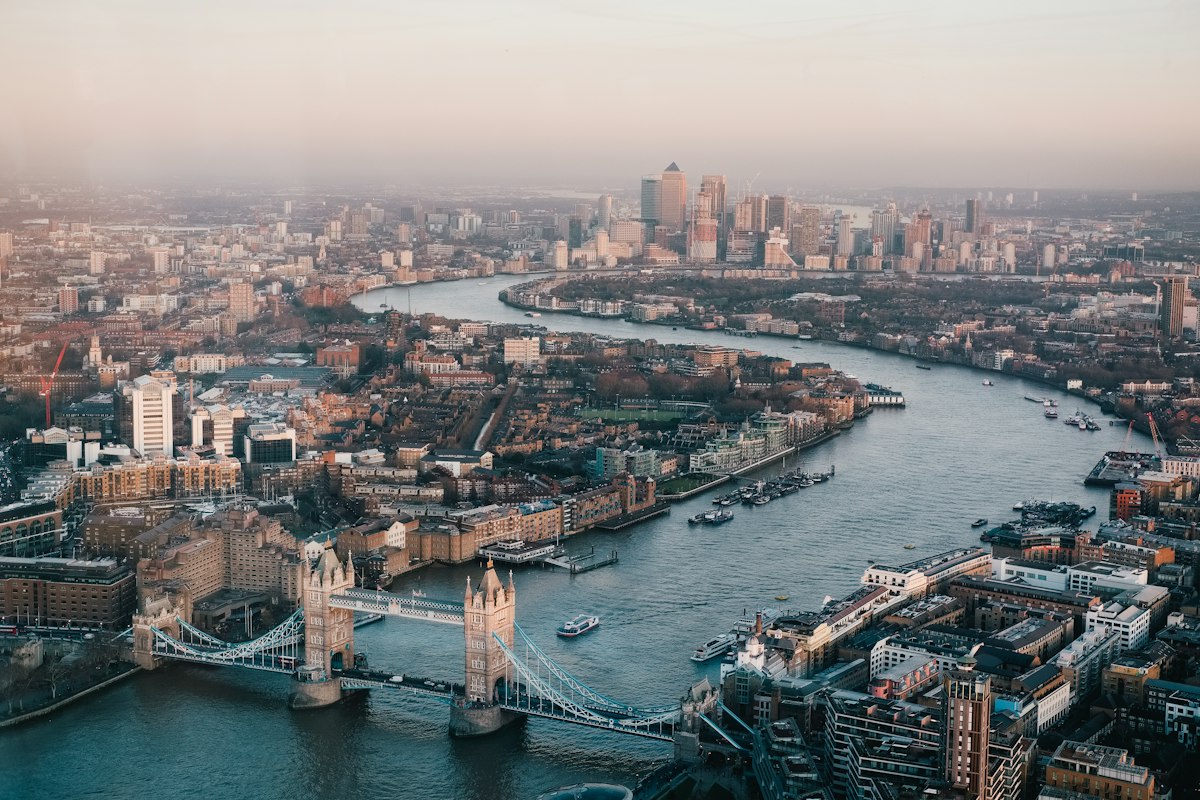
Borough Market and the South Bank. Borough Market, operating since 1756, sprawls under railway arches with 100 vendors selling Scotch eggs, oysters, and sourdough. Lunch costs $12 to $18 and tastes better than most sit-down spots. Walk east along the Thames Path past the Tate Modern, Shakespeare’s Globe, and Tower Bridge. The entire South Bank route runs three miles and shows you medieval, Victorian, and modern London in one riverside stroll.
Which city wins where: Paris takes food (duck confit, croissants, natural wine bars in the 10th) and classical high culture (opera, ballet, centuries-old café society). London dominates nightlife (Shoreditch clubs stay open until 6 a.m., Soho has 200 pubs within a half-mile radius) and diversity of cuisines (Dishoom for Indian, Padella for pasta, Bao for Taiwanese buns). Nature is a wash, both cities offer excellent parks (Luxembourg Gardens vs. Hyde Park, Bois de Vincennes vs. Hampstead Heath). London’s theater scene has no rival, but Paris counters with superior small jazz clubs and the Palais Garnier.
When to go
January to March: Paris averages 43°F, drizzly, with hotel rates dropping to $95 for solid three-stars. Fashion Week in late February/early March drives up prices for five days. London sits at 46°F, equally gray, but hotels rarely dip below $180 even in dead winter. Both cities are uncrowded, museums blissfully empty. Pack layers and expect 4 p.m. sunsets.
April to May: Paris comes alive. Temps hit 60 to 68°F, chestnut trees bloom, sidewalk tables reappear. Easter week and May 1 (Labor Day) bring French tourists, but crowds stay manageable. Hotel prices climb to $140 to $200 mid-range. London reaches 57 to 63°F in May, with occasional sunny weeks that trick locals into wearing shorts. Chelsea Flower Show (late May) books out West End hotels.
June to August: Peak season, peak heat, peak prices. Paris reaches 77°F in July, and locals flee for August, leaving the city to tour buses. Hotels hit $220 to $280, and restaurants in the 7th arrondissement swap fresh ingredients for frozen (staff are on holiday too). London tops out at 73°F, and while rain remains possible, long daylight (sunset at 9:15 p.m. in June) makes up for it. Wimbledon (late June to early July) and Notting Hill Carnival (late August) spike demand.
September to October: The best window for both cities. Paris cools to 65°F in September, 57°F by late October. Museums reopen full-staff, bistros run autumn menus (game birds, wild mushrooms), and hotel prices slide back to $150 to $210. London offers the same equation: 63°F September temps, golden light in St. James’s Park, theater season launches, and hotels drop to $240 to $320. Book six weeks ahead for either.
November to December: London wins the holiday face-off. Christmas markets at Southbank and Hyde Park, Oxford Street lights, and panto theater create genuine festive atmosphere. Temps hover around 48°F. Paris does elegant (Galeries Lafayette windows, Champs-Élysées lights) but feels more subdued. Both cities see hotel prices spike December 20 to January 1, then crash immediately after.
Who should pick Paris
- First-time Europe visitors who want the postcard version (boulevards, boulangeries, the Eiffel Tower at sunset).
- Art obsessives willing to spend three days cycling between the Louvre, Musée Rodin, and Musée Picasso.
- Food travelers who prioritize farmers’ markets, wine bars, and duck prepared seventeen different ways over international variety.
- Budget-conscious couples who can’t justify $200/night London hotels but want a major European capital experience.
- Travelers who already speak conversational French and want to use it, or don’t mind navigating a city where English signage appears less often.
Who should pick London
- Theater addicts who want to see four West End shows in five nights without breaking $300 total.
- Nervous first-timers who want a global city without the language barrier or need for currency exchange (if coming from the U.S.).
- Pub culture fans who value a properly pulled pint, Sunday roast, and 400-year-old taverns over Michelin-starred tasting menus.
- Families with kids who want free world-class museums, Harry Potter tours, and parks with actual playgrounds (Paris parks ban walking on grass).
- Travelers connecting onward to Scotland, Ireland, or anywhere else in the UK without backtracking through another international airport.
Or, visit both?
The Eurostar makes this almost too easy. The train runs 15 times daily from London St. Pancras to Paris Gare du Nord in 2 hours 16 minutes. Tickets cost $70 to $180 depending on how far ahead you book (six weeks out gets you $85 each way). No airport security theater, no baggage fees, and you arrive in central Paris rather than Charles de Gaulle, 16 miles out.
A smart 8-day itinerary: Fly into London (4 nights), train to Paris (3 nights), fly home from Paris. You’ll spend $300 on the train plus hotels in both cities, but the combined experience justifies the cost. Devote London days to museums, theater, and South Asian food in Brick Lane. Use Paris for slower café mornings, long museum afternoons, and late dinners in the 11th. Bring one carry-on to avoid lugging bags on the Tube and métro.
Skip the day-trip version. Those $150 Paris-in-a-day bus tours from London give you 4 hours in the city, mostly on a coach. If you only have 5 total days, pick one city and do it properly.
Bottom line
Paris wins on value, food, and romantic atmosphere. You’ll spend 30% less, eat 40% better, and come home with photos that look like a Nancy Meyers film. London counters with easier navigation, superior theater, unmatched pub culture, and a diversity of international cuisine Paris can’t touch. For a first European trip, Paris delivers the fantasy. For repeat visitors who want urban energy and don’t need hand-holding, London rewards deeper exploration. I’m giving the edge to Paris in 2026 purely on cost, the dollar advantage against the euro beats the pound, and $89 hotel deals in the Marais make the decision easy. But if you’re traveling with kids or need English-language confidence, reverse that verdict and find hotels in London without hesitation.
FAQs
Which is cheaper, Paris or London?
Paris runs 25 to 35% cheaper across hotels, food, and daily expenses. Budget hotels in Paris start at $89 versus $200 in London. A decent sit-down dinner in the Marais costs $35 to $50, while the same meal in Soho runs $55 to $75. Even métro tickets ($2.15) undercut the Tube ($3.20). A five-day trip to Paris costs around $1,800 per person, London pushes $2,500. Only flights cost roughly the same from North American cities.
Which is safer?
Both cities are safe for tourists with normal precautions. Paris sees more pickpocketing around the Eiffel Tower, métro line 1, and Sacré-Coeur. Keep bags zipped and phones pocketed. London’s crime concentrates in outer boroughs (Croydon, Tottenham) tourists rarely visit. Central London and central Paris both feel secure walking at midnight. Violent crime against visitors is statistically negligible in either city. Use the same common sense you would in any major metropolis.
Which is better for families?
London edges ahead for kids under 12. Free museums (Natural History, Science Museum) have interactive exhibits Paris charges $15 to $20 to access. London parks allow running on grass and have real playgrounds, Paris parks are more formal. The Harry Potter studio tour, Paddington attractions, and West End matinees cater directly to children. Paris counters with Jardin d’Acclimatation amusement park and kid menus everywhere, but the overall vibe skews more adult. Teenagers interested in art and history will love Paris. Younger kids prefer London.
Which is better for first-time international travelers?
Paris delivers the classic Europe experience, wandering cobblestone streets with a baguette under your arm. But London removes the intimidation factor. Everyone speaks English, pounds work like dollars, street signs make sense. You can navigate London with zero foreign language skills and still eat world-class food from 50 different countries. If this is your first time leaving North America, London offers training wheels. If you want to feel fully abroad, pick Paris and struggle through a café order in broken French. Both are forgiving cities, just different difficulty settings.
Can I see both in one trip?
Absolutely, and you should. The Eurostar train connects the cities in 2 hours 16 minutes, running 15 times daily. Tickets cost $70 to $180 depending on booking timing, far easier than flying. A week-long trip splits perfectly into 4 nights London, 3 nights Paris, or vice versa. You’ll spend more on hotels covering both cities, but the train ride itself becomes a highlight (the countryside approaching Paris is lovely). Don’t attempt both with less than 7 days total. Five days means picking one city and going deeper.