






This 3-day London itinerary delivers the essential landmarks—Tower of London, Buckingham Palace, Westminster Abbey, British Museum—with efficient routing through central zones. Designed for first-time visitors seeking iconic sights without exhausting schedules. Budget £180–280 per person daily (accommodations, meals, admissions, transit). Moderate walking, minimal backtracking, evenings free for theater or pubs.
At a Glance
Day 1 — Royal London & Westminster
Begin at Westminster Abbey for a 9:30 a.m. entry, beating midday crowds at this coronation church dating to 1066. Allocate ninety minutes to explore Poets' Corner, the shrine of Edward the Confessor, and the medieval Chapter House. Exit and walk two minutes south to the Houses of Parliament; photograph Big Ben from Parliament Square. Cross Westminster Bridge for a Thames-side view back toward the Palace of Westminster's Gothic façade. Return via the bridge and stroll through St. James's Park toward Buckingham Palace, arriving by late morning to watch the Changing of the Guard if scheduled (typically 11 a.m. on selected days).
Grab lunch near St. James's Park at a traditional pub serving fish and chips or a ploughman's platter. Expect £12–18 per person. Alternatively, pick up sandwiches from a chain bakery and picnic on the park lawn when weather permits.
Walk east along The Mall to Trafalgar Square, pausing for photos at Nelson's Column and the iconic lion sculptures. Spend ninety minutes in the National Gallery admiring works by Turner, Van Gogh, and Caravaggio—entry is free. Exit and stroll northeast through Covent Garden's cobbled piazza, browsing street performers and boutique shops. The walk from Trafalgar to Covent Garden takes roughly twelve minutes. If energy permits, detour south to Somerset House or continue to the lively Neal's Yard for a quick coffee stop before the evening plan.
Head to the South Bank via Waterloo Bridge (fifteen-minute walk). Enjoy early dinner at a casual riverside eatery—pizza, burgers, or modern British fare run £15–25 per person. Walk east along the Thames Path, passing the London Eye, Southbank Centre, and Shakespeare's Globe. Cross the Millennium Bridge for twilight views of St. Paul's Cathedral's dome illuminated. Return via Tube from St. Paul's or Blackfriars. If interested in West End theater, book a show in advance; budget £35–80 for mid-range tickets and curtain at 7:30 p.m.
Stay in Westminster, Victoria, or Pimlico for proximity to day-one sights and excellent Tube connections. Bloomsbury offers quieter streets, easy access to King's Cross, and central positioning for all three days.
Day 2 — Tower, Bridge & Museums
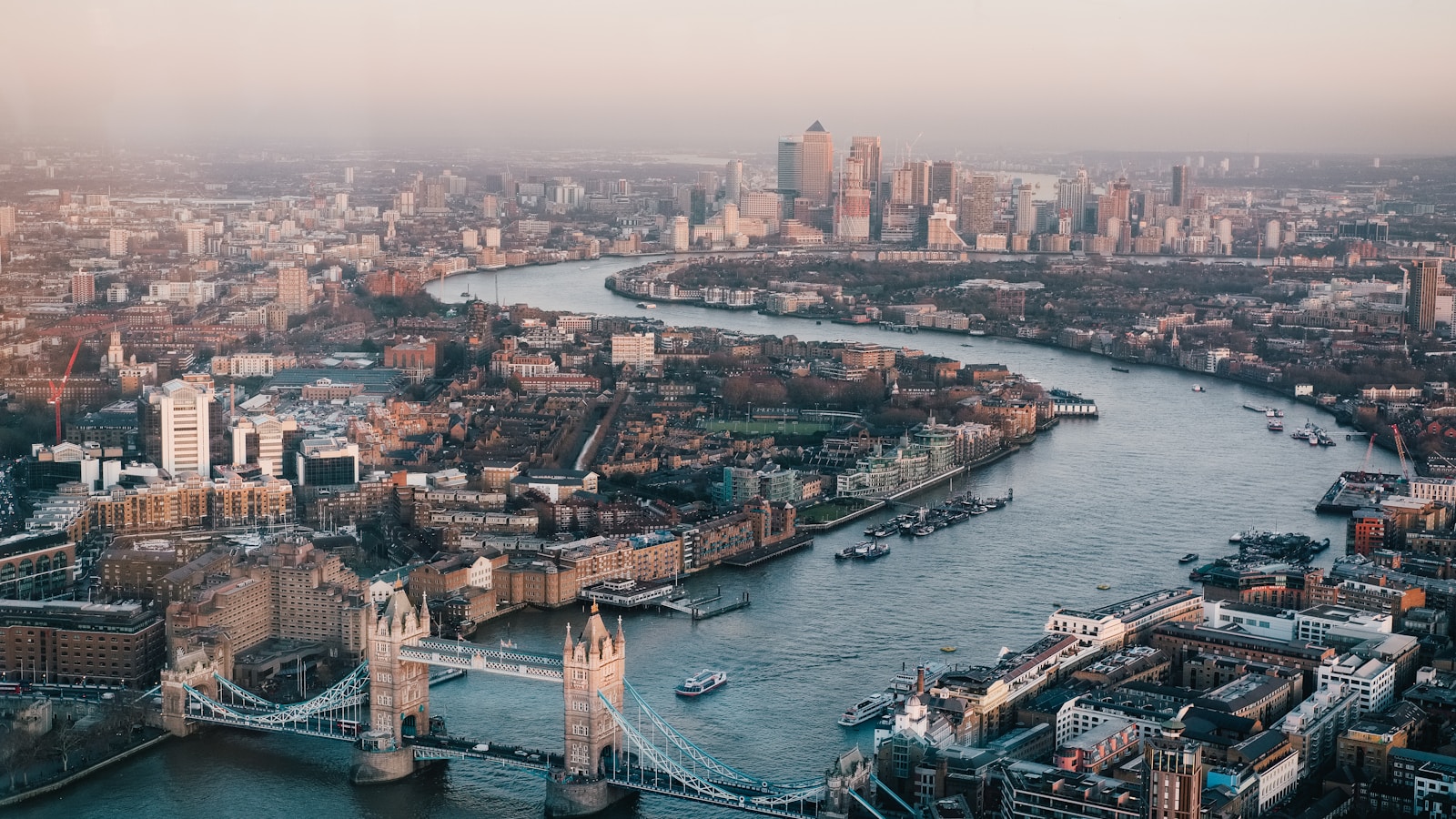
Take the Tube to Tower Hill (Circle or District Line). Arrive at the Tower of London by 9 a.m. opening to secure a Yeoman Warder tour departing every thirty minutes. Spend two to two-and-a-half hours exploring the Crown Jewels, Medieval Palace, and White Tower. The fortress chronicles nine hundred years of royal intrigue, imprisonment, and execution. Exit and walk three minutes southeast onto Tower Bridge; cross the upper walkway for river panoramas and glass-floor viewing panels. Budget an additional thirty minutes for the Tower Bridge Exhibition if interested in Victorian engineering.
Walk northwest into the City of London financial district. Choose a gastropub near Leadenhall Market or Monument for hearty pies, bangers and mash, or Sunday roasts (if visiting on weekends). Expect £14–22 per person including a soft drink or pint.
Ride the Tube from Monument or Bank northwest to Russell Square (Northern or Piccadilly Line, roughly twelve minutes). Spend two hours at the British Museum exploring the Rosetta Stone, Parthenon Marbles, Egyptian mummies, and Mesopotamian galleries. Entry is free; consider a £5 suggested donation. The museum's Great Court offers a stunning glass roof and central Reading Room. Afterward, stroll south through Bloomsbury's garden squares—Russell Square and Queen Square are particularly elegant—en route to the British Library if time allows, though it closes at 6 p.m. on weekdays.
Head to Soho or Covent Garden for dinner. Soho's streets overflow with global cuisines—Thai, Italian, Japanese, Indian—at mid-range prices (£18–30 per person). After dinner, explore Chinatown's lantern-lit alleys or catch live music at a Soho jazz club. Alternatively, book standby tickets for a West End show at TKTS booth in Leicester Square, offering same-day discounts up to fifty percent. The Soho-Covent Garden-Leicester Square triangle is compact and walkable, requiring no Tube travel for evening activities.
Bloomsbury or King's Cross neighborhoods provide quiet residential streets, independent cafés, and direct Tube access to Tower Hill and the City. Alternatively, Southwark (near Borough Market) places you south of the Thames with easy walking to Tower Bridge.
Day 3 — Markets, South Kensington & Kensington Gardens
Start at Borough Market (London Bridge Tube, Northern or Jubilee Line) by 9 a.m. for breakfast. Sample artisan pastries, fresh juices, and international street food from permanent and weekend vendors. The market buzzes Thursday through Saturday; quieter on weekdays. Spend forty-five minutes browsing gourmet cheeses, baked goods, and produce stalls. Walk west along the Thames Path to Shakespeare's Globe (exterior viewing; tickets required for tours or performances). Continue to Tate Modern, the converted power station housing contemporary masterpieces by Warhol, Hockney, and Rothko. Entry is free; allocate ninety minutes.
Cross the Millennium Bridge to St. Paul's Cathedral. Explore the north bank neighborhood for a casual lunch—sandwich shops, noodle bars, or a modern European café—budget £10–18 per person. If skipping St. Paul's interior, photograph the Baroque façade and surrounding Paternoster Square before heading west.
Take the Tube from St. Paul's to South Kensington (Circle or District Line, about twelve minutes). Choose between the Natural History Museum (dinosaur skeletons, blue whale model, Darwin Centre) or the Victoria & Albert Museum (decorative arts, fashion, ceramics). Both offer free general admission and require ninety minutes minimum. Exit and walk north through Kensington Gardens, passing the Albert Memorial's ornate Gothic spire. Continue to Kensington Palace (exterior visit or state rooms tour, £16–20 if entering) and the Round Pond, a favorite with local dog walkers and model-boat enthusiasts.
Stroll east through Hyde Park toward Marble Arch, roughly a thirty-minute walk through London's largest green space. Alternatively, Tube from High Street Kensington to Notting Hill for dinner at a cozy neighborhood bistro or wine bar (£20–32 per person). Portobello Road's antique market operates Saturdays only, but the pastel townhouses and independent shops remain picturesque any evening. Return to your hotel via the Central or Circle Line. If departing London the next morning, pack and organize travel documents; most flights and trains depart early from Heathrow, Gatwick, or St. Pancras.
South Kensington or Earl's Court offer Victorian townhouse hotels, proximity to museums, and direct airport connections via Piccadilly Line. Bloomsbury remains convenient for morning departures from King's Cross St. Pancras international terminal or Euston station.
Where to Stay
Budget-conscious travelers find excellent value in Bloomsbury and King's Cross, where converted Georgian townhouses offer compact doubles with en-suite facilities, complimentary breakfast, and easy Tube access for £80–120 nightly. Mid-range guests prefer Pimlico or Victoria neighborhoods, featuring boutique properties with contemporary design, rainfall showers, and twenty-four-hour reception at £130–190 per night; proximity to Westminster Abbey and Buckingham Palace trims morning transit. Luxury seekers gravitate toward Covent Garden or Mayfair for five-star service, Nespresso machines, marble bathrooms, and turndown amenities at £280–450 nightly; walking distance to West End theaters and Michelin-starred dining elevates the experience. All three tiers benefit from London's dense Tube network, making location less critical than budget and style preferences.
What to Skip
Madame Tussauds commands £35–40 admission for wax celebrity replicas you'll photograph once and forget; the queue frequently exceeds ninety minutes during peak season, consuming time better spent at free world-class museums.
The London Dungeon offers jump-scares and historical reenactments at £28–33, appealing mainly to teenagers; adults find the experience repetitive and overpriced compared to the authentic Tower of London.
Ripley's Believe It or Not and the London Bridge Experience cluster near Leicester Square, targeting families with gimmicky exhibits and inflated ticket prices; skip these for the British Museum's genuine artifacts.
The View from The Shard costs £28–35 for observation-deck access, but free alternatives—Sky Garden (advance booking required), Primrose Hill, Parliament Hill—deliver equally stunning panoramas without draining your budget.
Oxford Street shopping overwhelms with chain stores, pickpockets, and shoulder-to-shoulder crowds; explore Covent Garden, Marylebone High Street, or Notting Hill for more pleasant browsing and independent boutiques.
Budget Breakdown (Per Person)
Pricing reflects partner data and traveler review patterns. Actual costs vary by season, currency, and category. Flights not included.
Map of the Itinerary
Day one concentrates on Westminster's compact royal triangle: Westminster Abbey, Buckingham Palace, and Trafalgar Square lie within a twenty-minute walk of one another. Covent Garden sits ten minutes northeast; the South Bank requires a fifteen-minute river crossing. Day two spans east to west: Tower Hill to the British Museum via the Circle and Northern Lines (two stops, minimal walking). Day three begins at London Bridge, then Tube west to South Kensington (one transfer, eighteen minutes total); Kensington Gardens and Hyde Park form a continuous green corridor back toward central zones. Each day clusters sights within walkable neighborhoods, using the Tube only for longer hops between districts. Total daily walking averages five to seven miles at a relaxed pace.
Frequently Asked Questions
Do I need to book Tower of London and Westminster Abbey tickets in advance?
Advance booking is strongly recommended for both, particularly April through September and during school holidays. Online tickets (available via official websites) let you skip ticket-office queues and select entry time slots, saving thirty to sixty minutes on-site. Westminster Abbey limits daily visitors to preserve the building; walk-up tickets may sell out by early afternoon on busy days. The Tower of London admits walk-ups but queues grow significantly after 10:30 a.m. Booking forty-eight hours ahead typically secures preferred morning slots at standard rates without surge pricing.
Is an Oyster card or contactless payment better for three days?
Contactless payment cards (credit or debit with tap capability) and Oyster cards cost identically per journey and both cap daily spending at the same threshold—around £8 for unlimited Zones 1–2 travel. Contactless eliminates the need to purchase, top up, or return an Oyster card, streamlining your experience. However, Oyster cards work if your bank charges foreign transaction fees on each tap. Purchase Oyster at any Tube station; load £25–30 for three days. Both options auto-calculate the cheapest fare, so avoid paper tickets except for special rail trips outside London.
Can I see Buckingham Palace interior on this itinerary?
The State Rooms open only mid-July through September (exact dates vary annually), when the Royal Family vacations at Balmoral. Tours last approximately two hours and require advance tickets (£30–33). If visiting outside summer, the exterior Changing of the Guard ceremony (scheduled days only, check ahead) and stroll through adjacent St. James's Park suffice for first-timers. Kensington Palace offers year-round royal history exhibits at lower cost and shorter queues, making it a viable alternative if palace interiors interest you beyond the photo opportunity.
What's the best strategy for West End theater tickets on a mid-range budget?
Book direct via official show websites two to four weeks ahead for standard pricing (£40–75 for mid-stalls or dress circle). Day-of-show TKTS booth in Leicester Square offers discounts up to fifty percent on unsold seats, but selection varies and queues form by noon. Many theaters release limited £25–35 day seats online at 10 a.m. or in person when the box office opens; arrive early for popular productions. Matinee performances (Wednesdays, Saturdays) cost slightly less than evening shows. Avoid third-party resale sites charging premiums above face value.
How much time should I budget for the British Museum and National Gallery?
The British Museum's highlights—Rosetta Stone, Parthenon Marbles, Egyptian galleries, Mesopotamian halls—require a focused ninety minutes to two hours; comprehensive visits span four-plus hours. The National Gallery's masterworks (Van Gogh, Monet, Botticelli) fit into sixty to ninety minutes for first-timers concentrating on Impressionist and Renaissance wings. Both museums are free and open late on Fridays (until 8:30–9 p.m.), offering quieter evening browsing. Download official apps for self-guided audio tours and gallery maps before arrival to maximize efficiency and avoid aimless wandering through labyrinthine corridors.