

Three days hitting Bangkok's essential landmarks: glittering temples, floating markets, rooftop bars, and street food corridors. Designed for first-time visitors who want the classics without rushing. Efficient routing by BTS Skytrain and river ferries. Mid-range accommodation and dining. Budget approximately $450-650 per person excluding flights.
At a Glance
Day 1 — Royal Bangkok & River Heritage
Start at the Grand Palace by 9 AM to beat peak crowds and heat. Allocate two hours for the complex, including Wat Phra Kaew (Temple of the Emerald Buddha) with its dazzling golden spires and intricate mosaics. Dress code enforced: shoulders and knees covered, no sandals. The architecture represents the pinnacle of Thai craftsmanship across multiple eras. Exit south and walk five minutes along the river promenade to Wat Pho, home to the 150-foot Reclining Buddha covered in gold leaf. Budget 90 minutes here, including time to wander the peaceful courtyards dotted with Chinese stone statues and ceramic-adorned chedis.
Cross back toward the Grand Palace area to a traditional Thai shophouse restaurant serving khao gaeng (curry over rice), tom yum, and pad thai. Expect hearty portions for $4-8 per person. Many spots near Maharaj Road cater to locals with English menus and air conditioning.
Take the cross-river ferry from Tha Tien Pier (5 baht, three minutes) to Wat Arun on the Thonburi bank. Climb the steep central prang for Chao Phraya River panoramas—the steps are narrow, so take your time. The temple's surface sparkles with embedded porcelain, especially striking in afternoon light. Allocate 60-75 minutes. Return via ferry and catch an express boat upriver to Asiatique the Riverfront (about 20 minutes). This open-air mall in converted warehouses offers a break from temple-hopping with river breezes and cafes.
Explore Asiatique's blend of boutiques, handicraft stalls, and riverside dining through sunset. Choose from Thai seafood grills, international cuisines, or casual noodle bars—mains run $8-15. The Ferris wheel offers river views at dusk. After dinner, either stay for live music at one of the venue's bars or take a taxi (15 minutes, around $5) to Lebua State Tower's Sky Bar for a cocktail on the 63rd floor. Drinks are pricey ($18-25) but the 360-degree city vista is iconic. Return to your hotel by 10 PM.
Stay in Silom or Riverside districts. Both offer mid-range hotels ($50-90/night), excellent BTS and river ferry access, and proximity to Day 1 sights. Silom adds nightlife and street food on Soi Convent.
Day 2 — Markets, Canals & Modern Bangkok
Depart hotel by 7 AM for Damnoen Saduak Floating Market, about 90 minutes southwest by private car or organized tour (typically $25-40 per person including transport and boat ride). Paddleboats navigate narrow canals lined with vendors selling tropical fruits, coconut pancakes, grilled squid, and souvenirs. The scene is vibrant but touristy; arrive early before tour buses dominate. Spend 90 minutes sampling snacks from boat vendors and photographing the colorful chaos. Alternatively, opt for the closer Taling Chan Floating Market (weekends only, 30 minutes west) for a less commercial experience. Return to central Bangkok by late morning.
Head to Or Tor Kor Market near Chatuchak, considered Bangkok's premier fresh market. The air-conditioned food court upstairs serves exceptional regional Thai dishes—massaman curry, som tam, grilled pork neck—from $3-7. Produce stalls downstairs display mangosteen, rambutan, and durian for the adventurous. The quality rivals high-end restaurants at fraction of the cost.
If it's the weekend, spend two hours at adjacent Chatuchak Weekend Market, Southeast Asia's largest market spanning 27 acres with 8,000+ stalls. Sections cover ceramics, textiles, antiques, pets, and street wear. Bring cash, bargain politely, and stay hydrated. On weekdays, substitute with a visit to Jim Thompson House, a 20-minute BTS ride to National Stadium station. This teak mansion museum showcases traditional Thai architecture and the art collection of the American silk entrepreneur who disappeared mysteriously in 1967. Guided tours run every 20 minutes, lasting 40 minutes, and provide cultural context often missing from temple visits.
Travel to Sukhumvit (15 minutes by BTS) for Bangkok's cosmopolitan face. Start with early dinner on Soi 38 street food strip or inside Terminal 21 mall's eclectic food court (floors themed by world city). Mains $5-10. After dinner, explore the parallel sois: Soi 11 for cocktail lounges and rooftop bars, Soi 33 for jazz clubs, or the night market stalls along Sukhumvit between Asok and Nana stations for cheap clothing and accessories. Octave Rooftop Bar at Marriott Sukhumvit offers another skyline option with slightly lower drink prices ($12-18) than Lebua. Wind down by 11 PM.
Remain in Silom/Riverside or shift to Sukhumvit if you prefer being in the modern, expat-friendly zone with endless dining. Mid-range hotels here run $60-100/night with pool amenities. BTS access is superior for the next day's activities.
Day 3 — Temples, Shopping & Neighborhood Flavor
Start at Wat Saket (Golden Mount), accessible via taxi or a combination of BTS to Ratchathewi plus short taxi ride. Climb 300 steps spiraling up the artificial hill for 360-degree old town views from the golden chedi at the summit. The temple is less crowded than Grand Palace but equally atmospheric, especially mid-morning when light filters through the trees along the climb. Allocate 60 minutes. Descend and taxi ten minutes to Wat Benchamabophit (Marble Temple), an early 20th-century masterpiece clad in white Carrara marble with a courtyard of 53 Buddha images in different postures. The serene setting and European-influenced architecture contrast sharply with older temples.
Travel to the Phra Nakhon district and find a family-run noodle shop or curry house near Democracy Monument. Look for places packed with office workers—boat noodles, khao mun gai (chicken rice), or green curry with rice for $3-6. These neighborhoods offer the most authentic midday meals without tourist markup.
Dedicate the afternoon to shopping and air-conditioned respite. MBK Center near National Stadium offers eight floors of electronics, fashion, handicrafts, and a top-floor food court. It's budget-friendly and quintessentially Bangkok. For upscale browsing, head to Siam Paragon or CentralWorld, mega-malls with international brands, Thai designer boutiques, and Southeast Asia's largest aquarium (Siam Ocean World, if you have children or aquarium interest). Alternatively, explore the hip Thonglor neighborhood via BTS—boutique shops, specialty coffee roasters, and galleries line Soi 55. This represents Bangkok's creative class and feels distinctly different from tourist zones.
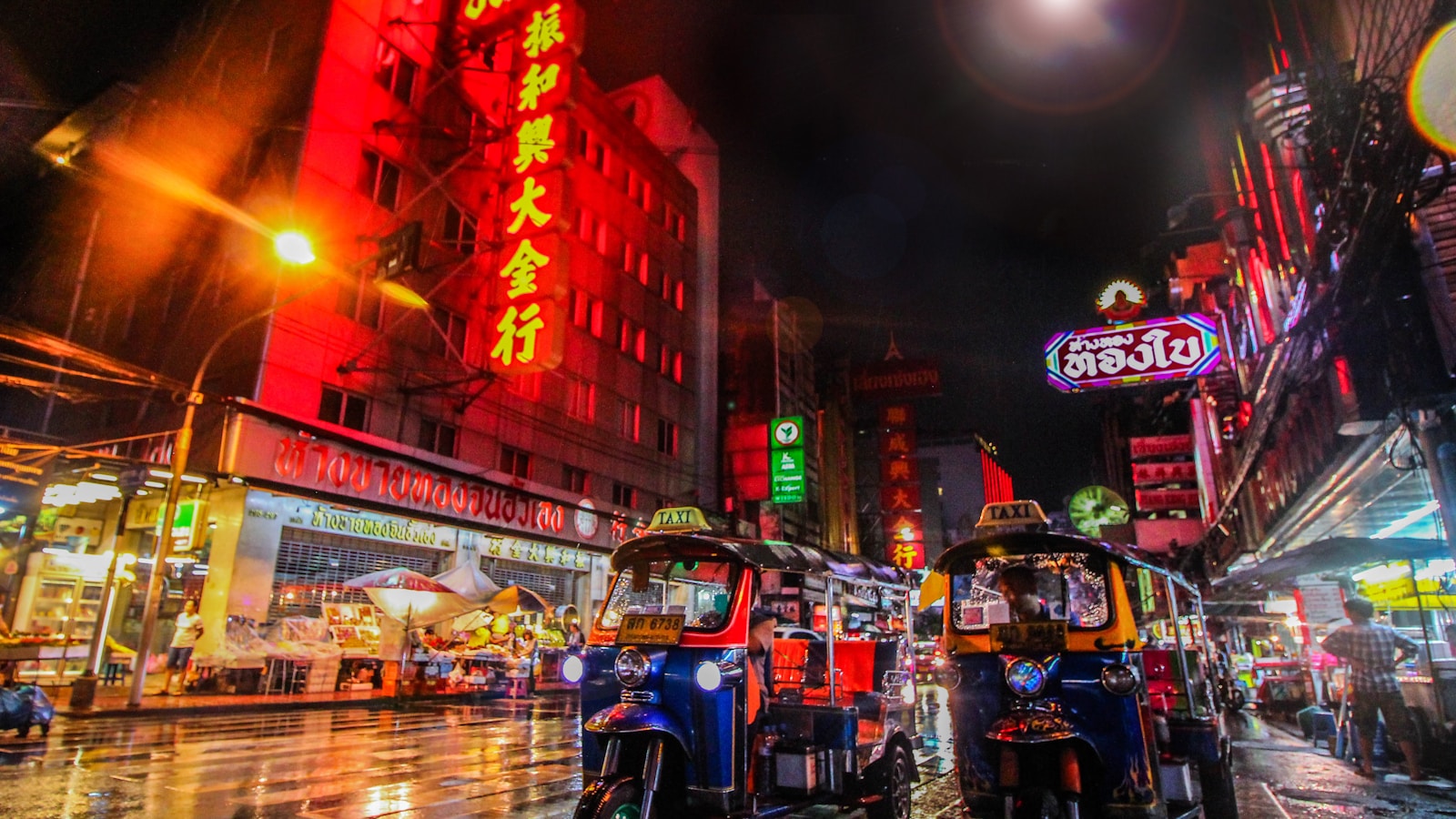
For your final dinner, choose Yaowarat (Chinatown) for an immersive street food experience. Take the MRT to Wat Mangkon and walk into the neon-lit maze of food stalls by 6 PM. Highlights include crab omelets, bird's nest soup, roasted duck over rice, and mango sticky rice from sidewalk vendors. Expect to spend $8-15 grazing multiple stalls. The energy peaks between 7-9 PM. After dinner, walk to the riverside and catch a Chao Phraya tourist boat for a final nighttime cruise past illuminated temples (around $8 for a loop). Alternatively, grab a taxi to Khao San Road for a nightcap in the backpacker district—it's touristy but undeniably lively with rooftop bars, live music, and souvenir shopping. Return to pack for your departure.
Stay in the same hotel to avoid checkout hassles. If departing late on Day 3, request late checkout or leave bags with the hotel while you explore. Most mid-range properties accommodate this for a small fee or free for loyalty members.
Where to Stay
Budget-conscious travelers should target guesthouses or three-star hotels in the Old City (Phra Nakhon) near Khao San but off the main strip—quiet, character-filled blocks with temple access, $30-50/night. Mid-range visitors get excellent value in Silom or Sathorn with contemporary hotels offering pools, gyms, and BTS connections for $60-100/night; this category balances comfort and location perfectly. Luxury seekers have two directions: riverside properties along the Chao Phraya for old-world elegance, river views, and hotel boat shuttles ($180-350/night), or ultra-modern towers in Sukhumvit and Siam with rooftop infinity pools, Michelin-starred restaurants, and direct skywalk connections to malls ($200-400/night). Each zone shifts the experience—Old City for immersion, Silom for efficiency, Riverside for romance, Sukhumvit for nightlife and contemporary Bangkok energy.
What to Skip
Ping-pong shows in Patpong: Aggressively marketed scams with inflated drink bills and threatening staff when you try to leave. Legitimate nightlife exists elsewhere.
Snake farms and animal photo ops: Welfare conditions are questionable, and the experience adds little cultural value beyond exploitation for Instagram.
Gem stores offering "special government sales": Elaborate long-cons where tuk-tuk drivers or friendly strangers steer tourists into high-pressure gem purchases with false export profit promises.
Calypso Cabaret without genuine interest: If drag shows aren't your thing, don't go just because a guidebook listed it; Bangkok offers far more diverse evening entertainment.
Overpriced tourist boat packages: The public Chao Phraya Express Boat costs under $1 per trip; "hop-on-hop-off" tourist boats charge $8-15 with negligible added value beyond English commentary you won't need with a good map.
Budget Breakdown (Per Person)
Pricing reflects partner data and traveler review patterns. Actual costs vary by season, currency, and category. Flights not included.
Map of the Itinerary
Day 1 concentrates along the Chao Phraya River's east bank in the Old City—Grand Palace, Wat Pho, and the cross-river ferry to Wat Arun form a compact walking loop of under one mile with short ferry hops. Evening moves south via taxi or river boat to Asiatique. Day 2 starts with a morning excursion outside the city center, then returns to northern Bangkok (Chatuchak area) before BTS travel southeast to Sukhumvit—a linear route following the Skytrain. Day 3 explores central temples (Wat Saket, Marble Temple) via short taxi connections, shifts to Siam shopping district by BTS, and finishes in Chinatown (MRT access). Total walking rarely exceeds two miles daily; public transit handles the gaps efficiently with trains every 5-8 minutes.
Frequently Asked Questions
Is three days enough for Bangkok, or should I add more time?
Three days captures Bangkok's essential landmarks, major markets, and neighborhood flavors without feeling rushed. You'll hit the Grand Palace, key temples, floating markets, and experience both street food and rooftop bars. Adding a fourth day allows deeper dives—day trips to Ayutthaya ruins, cooking classes, or exploring fringe neighborhoods like artsy Ari. But if this is part of a larger Thailand trip (beaches, north), three days provides a solid Bangkok foundation before moving on. Most first-timers find this duration hits the sweet spot between thorough and efficient.
What's the most efficient way to get around—tuk-tuks, taxis, or public transit?
The BTS Skytrain and MRT subway are fastest and most reliable for covering distance, especially during rush hours when traffic gridlocks surface streets. Trains run every few minutes, cost $1-2 per trip, and stations connect to major sights and hotels. Taxis with meters are cheap ($3-8 for most trips) but unpredictable timing-wise; always insist on the meter or use the Grab app for transparency. Tuk-tuks are fun for short hops but often overpriced—negotiate fare before boarding. For Day 1's riverside temples, the Chao Phraya Express Boat becomes your primary transit, fast and scenic.
How strict are temple dress codes, and what should I wear?
The Grand Palace enforces strict dress codes: no shorts, no bare shoulders, no see-through clothing, and closed-toe shoes required. Wat Pho and most major temples apply similar standards though enforcement varies. If you arrive improperly dressed, the Grand Palace rents sarongs and wraps for a deposit, but save time by dressing appropriately from your hotel. Lightweight long pants or maxi skirts, cotton shirts with sleeves, and comfortable walking shoes work year-round. Bangkok's heat makes layers smart—cover up at temples, then change for air-conditioned malls. Respectful dress also reduces unwanted attention in crowded tourist areas.
Is street food safe, and how do I choose where to eat?
Bangkok street food is generally safe if you follow basic guidelines: eat at busy stalls with high turnover ensuring ingredients stay fresh, watch food being cooked to order rather than sitting pre-made, and choose vendors popular with locals. Avoid raw salads and unpeeled fruits from carts unless you see proper washing. Cooked-to-order dishes like pad thai, grilled meats, and soups pose minimal risk. Start conservatively your first day to let your stomach adjust, then experiment. Food courts in malls like MBK or Terminal 21 offer street food variety in air-conditioned hygiene if you're cautious. Bottled water is essential; ice in restaurants is typically safe as it comes from filtered sources.
Should I book the floating market tour in advance or arrange it day-of?
Booking one day ahead through your hotel concierge or a reputable online platform ensures departure time certainty and often bundles transport efficiently with other travelers, keeping per-person costs reasonable at $25-40. Day-of bookings are possible through Khao San agencies or hotel desks but may lack availability on weekends or leave you waiting for group minimums. If going independently, negotiate taxi rates beforehand (expect $50-70 round-trip for the car) and arrive by 8 AM before crowds peak. Weekend alternatives like Taling Chan eliminate the long drive but reduce tour pressure. Advance booking adds structure to an otherwise time-consuming excursion that eats your entire morning.