





Bangkok vs Singapore: Which Should You Visit in 2026?
Quick Answer
Pick Singapore if this is your first time in Southeast Asia. It's cleaner, easier to navigate, and more English-friendly, making it perfect for anxious travelers. Bangkok wins if you want authentic cultural immersion, incredible street food, and your budget matters. Bangkok costs roughly half as much and offers more temples, markets, and local experiences. Singapore feels like Asia with training wheels; Bangkok is the real deal.
At a glance
| Best for | Bangkok: Budget travelers, street food obsessives, temple architecture | Singapore: Families, clean freaks, first-timers to Asia |
| Hotels from | $60/night | $180/night |
| Best time to visit | November to February | February to April |
| Days needed | 4 to 6 days | 3 to 4 days |
| Vibe | Chaotic, humid, sensory overload in the best way | Polished, spotless, efficient as a Swiss watch |
Cost comparison
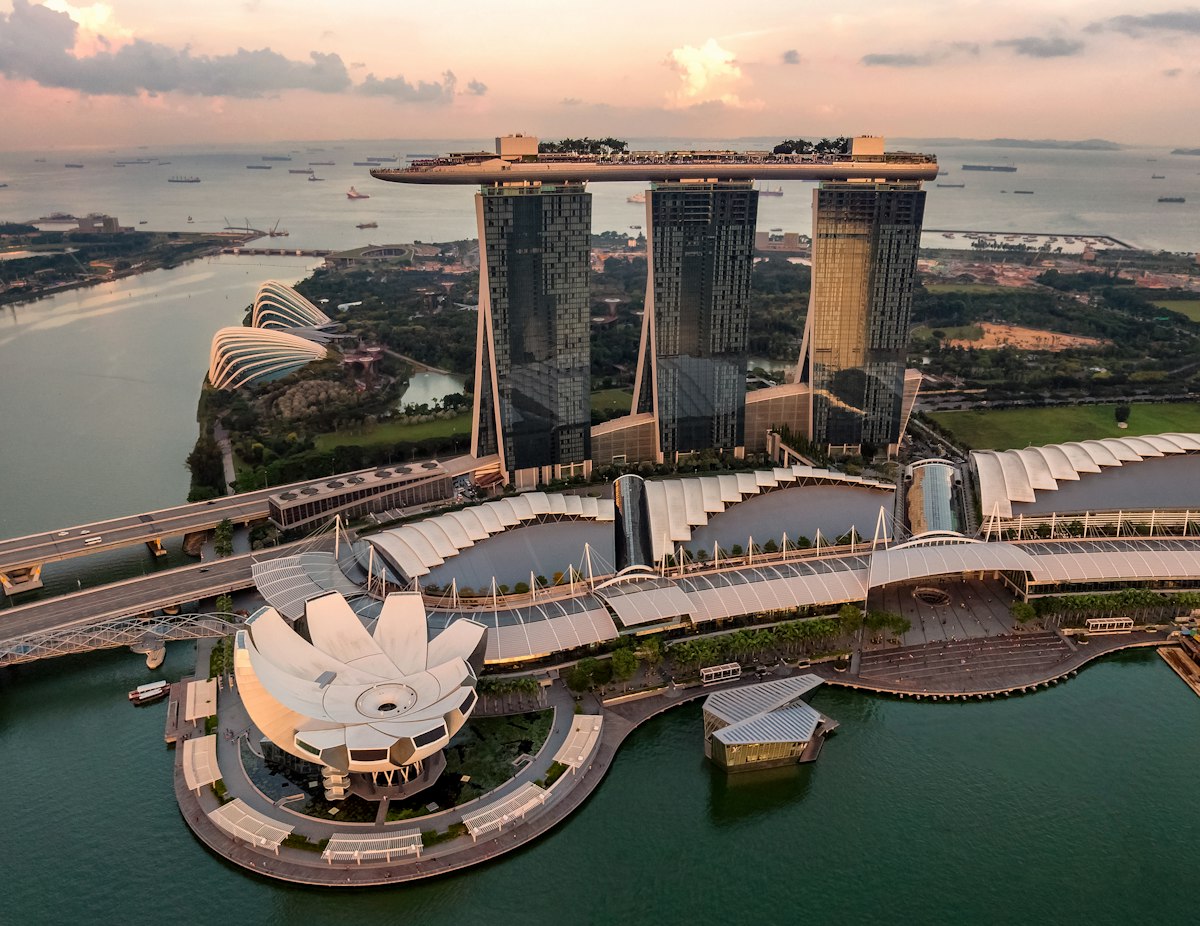
Bangkok runs about 60% cheaper than Singapore across every category. Hotels in Bangkok start at $60 for clean budget places in Sukhumvit or Khao San, hit $100 to $150 for solid mid-range options near BTS stations, and reach $250+ for luxury properties like the Mandarin Oriental. Singapore’s budget floor sits around $180 for basic hotels in Chinatown or Little India, climbs to $250 to $400 for mid-range near Orchard Road, and exceeds $500 for Marina Bay Sands or Raffles.
Daily budgets tell the same story. In Bangkok, you can eat, drink, and sightsee comfortably on $60 to $80 as a budget traveler, $120 to $180 for mid-range comfort, or $300+ if you’re hitting rooftop bars and fine dining. Singapore demands $100 to $130 minimum (and that’s with hawker center meals), $200 to $300 for a decent pace, or $500+ for anything approaching luxury.
Roundtrip flights from New York to Bangkok run $650 to $950 (with stops in Doha or Dubai), while Singapore costs roughly the same at $700 to $1,000. From London, Bangkok tickets hover around $550 to $800, Singapore $600 to $900. Los Angeles to Bangkok goes for $700 to $1,100, Singapore $750 to $1,200. The flight price gap is minimal, but Bangkok wins slightly on routing options.
For a 5-day trip including flights, hotels, food, and activities: Bangkok totals around $1,400 to $1,800 per person (budget to mid-range), while Singapore runs $2,200 to $3,000. That extra $800 to $1,200 buys you cleaner streets and air conditioning that actually works, but not necessarily better food or more interesting experiences. You can find hotels in Bangkok that cost less than a single dinner at a mid-tier Singapore restaurant.
Things to do
Top 3 in Bangkok
The Grand Palace and Wat Phra Kaew remain non-negotiable despite the crowds and $17 entry fee. The gold-encrusted buildings and Emerald Buddha justify the tourist circus, especially if you arrive right at the 8:30am opening. Dress code is strict (no shoulders, no knees), and the complex spans 200,000 square meters, so plan two hours minimum. Skip the overpriced tours outside and just explore on your own.
Street food tours through Chinatown (Yaowarat) deliver Bangkok’s real soul. The stretch from Wat Traimit to Charoen Krung Road explodes with wok fires, grilled seafood, and mango sticky rice carts every evening after 6pm. Highlights include Nai Mong Hoi Thod for oyster omelets ($3), T&K Seafood for crab curry, and any cart selling guay jub (pork offal soup). Three hours of grazing costs under $20 and beats any restaurant.
Wat Arun at sunset works better from across the river than climbing up the steep central prang. Take the 5-baht ferry from Tha Tien pier, then grab a riverside seat at Amorosa or The Deck for sundowners around 6pm. The temple’s Khmer-style spires light up beautifully, and you avoid the $3.50 entry fee and knee-destroying stairs. Come on a weekday to skip river cruise groups.
Top 3 in Singapore
Gardens by the Bay justifies its Instagram fame, particularly the Cloud Forest dome with its 115-foot indoor waterfall and spiraling mountain trail. The $28 combo ticket (both domes plus OCBC Skyway) takes 2 to 3 hours. Skip the light show at the Supertrees unless you enjoy crushing crowds, but do walk the elevated Skyway at sunset around 6:30pm for Marina Bay views without paying for a rooftop bar.
Hawker center hopping through Maxwell, Lau Pa Sat, and Tiong Bahru proves Singapore earned its food reputation beyond fancy restaurants. Tian Tian chicken rice at Maxwell ($5), satay at Lau Pa Sat (20 sticks for $12), and Jian Bo shui kueh at Tiong Bahru Market ($1.50) form a perfect intro circuit. Each center has clean bathrooms and air conditioning, unlike Bangkok’s street stalls, but similar flavors and better hygiene standards.
Singapore Botanic Gardens and the National Orchid Garden offer 183 acres of free green space (orchid garden costs $7). The main gardens stay open 5am to midnight and include a rainforest section, swan lake, and enough shaded paths for a two-hour wander. Go early morning or late afternoon to avoid midday heat. The nearby Dempsey Hill area has excellent brunch spots if you need post-walk refueling.
Bangkok wins food by a mile with more variety, better value, and authentic street scenes. Singapore wins nightlife for safety and variety (Clarke Quay, rooftop bars, Haji Lane clubs), though Bangkok’s Khao San Road and RCA deliver cheaper thrills. Culture splits evenly: Bangkok has older temples and traditional arts, Singapore offers world-class museums like the National Gallery and ArtScience Museum. For nature, Singapore’s curated gardens beat Bangkok’s chaotic parks, but neither city excels here compared to Thailand’s islands or Malaysia’s highlands.
When to go
Bangkok’s sweet spot runs November through February with temps around 75-85°F and minimal rain. March and April spike to 95°F with brutal humidity. May through October brings monsoon season: not constant rain, but daily afternoon downpours and 90% humidity. December sees Loy Krathong festival (floating lanterns) and best weather. January brings Chinese New Year crowds. Book hotels four months ahead for December or you’ll pay double.
Singapore maintains 80-90°F year-round with high humidity always. February to April offer slightly less rain and school holidays driving up prices. May through October sees afternoon thunderstorms but nothing trip-ruining. November and December bring northeast monsoon (more sustained rain). Chinese New Year (January or February depending on lunar calendar) creates accommodation shortages. Formula 1 weekend in September doubles hotel rates. The National Day parade (August 9) fills Marina Bay but doesn’t impact most travel. Really, Singapore works any month if you accept constant sweating.
Who should pick Bangkok
- Backpackers and budget travelers who want $2 pad thai and $15 hotel beds in Khao San or Sukhumvit Soi 11.
- Temple and architecture enthusiasts ready to cover shoulders and remove shoes 10 times daily.
- Street food fanatics who prioritize flavor over cleanliness and don’t mind squatting on plastic stools.
- Shoppers hunting night markets (Chatuchak, Rot Fai, Talad Neon) and dirt-cheap tailoring in Sukhumvit.
- Travelers using Bangkok as a jumping-off point to Chiang Mai, Ayutthaya, or southern islands.
Who should pick Singapore
- Families with young kids who need reliable public transit, Western food options, and zero sketchy neighborhoods.
- First-time Asia visitors nervous about language barriers and wanting English everywhere.
- Clean freaks and germaphobes who can’t handle squat toilets or uncertain food hygiene.
- Luxury travelers after designer shopping on Orchard Road and Michelin-starred hawker stalls.
- Cruise passengers or short stopover visitors who only have 2 to 3 days in Southeast Asia.
Or visit both?
The 900-mile distance and $80 to $150 budget airline flights (2.5 hours on AirAsia or Scoot) make combining both completely logical. A smart 10-day itinerary splits 5 or 6 days in Bangkok, 1 day traveling, then 3 or 4 days in Singapore. Start in Bangkok to adjust to Asian chaos gradually, then finish in Singapore’s calm before flying home.
Day 1-2: Bangkok temples, Grand Palace, Wat Pho, river boats. Stay near BTS for mobility. Day 3: Chatuchak market (Saturday or Sunday only), followed by Khao San Road evening chaos. Day 4: Day trip to Ayutthaya ruins (90 minutes north). Day 5-6: Street food tours, rooftop bars (Sky Bar, Octave), Jim Thompson House, or floating markets. Day 7: Morning flight to Singapore, settle into Chinatown or Little India. Day 8: Gardens by the Bay, Marina Bay Sands area, hawker dinner. Day 9: Botanic Gardens, Orchard Road shopping, Clarke Quay nightlife. Day 10: Sentosa Island or final hawker center run before departure.
Book that Singapore flight 6 to 8 weeks ahead for best prices. Check visa requirements (Thailand gives most nationalities 30 days, Singapore gives 90 days visa-free).
Bottom line
Bangkok delivers more bang (literally and figuratively) for your buck with incredible food, fascinating chaos, and prices that let you splurge on rooftop cocktails after $5 dinners. Singapore suits travelers who want Asia with training wheels: clean, English-speaking, and efficient enough that you’ll never feel lost or overwhelmed. The real question isn’t which is better but which matches your comfort level and budget. If you can swing both, the contrast makes each city more interesting. Find hotels in Singapore early since the limited supply means prices rarely drop.
FAQs
Which is cheaper, Bangkok or Singapore?
Bangkok costs 40-60% less across hotels, food, and activities. You’ll spend $60-80 daily in Bangkok for comfortable mid-range travel versus $150-200 in Singapore for equivalent quality. A week in Bangkok including flights runs around $1,400-1,800 per person, while Singapore costs $2,200-3,000. Street food in Bangkok costs $2-4 per meal compared to $5-8 at Singapore hawker centers. Even luxury hotels cost less: five-star Bangkok properties start at $180 versus $400+ in Singapore.
Which is safer?
Singapore ranks among the world’s safest cities with strict laws, heavy police presence, and virtually zero violent crime. Bangkok remains safe for tourists but requires normal urban awareness: petty theft happens in crowded markets, and scams target temple-goers and taxi riders. Both cities are safe for solo female travelers and families, but Singapore eliminates even minor concerns about pickpockets or dodgy neighborhoods.
Which is better for families?
Singapore wins for families hands down. Universal Studios, the zoo, Night Safari, Sentosa beaches, and Gardens by the Bay offer endless kid entertainment. Sidewalks accommodate strollers, restaurants have high chairs, and MRT trains provide easy navigation. Bangkok offers some family fun (Safari World, Sea Life aquarium) but the heat, traffic, and lack of stroller-friendly infrastructure make it tougher with young children. Older kids and teens might find Bangkok more exciting.
Which is better for first-time international travelers?
Singapore removes every possible friction point: English everywhere, intuitive public transit, clear signage, and Western amenities at every corner. Bangkok requires more adaptability with language barriers, confusing BTS/MRT systems, aggressive tuk-tuk drivers, and general sensory overload. That said, Bangkok’s chaos isn’t dangerous, just intense. Confident first-timers seeking authentic Asian immersion should pick Bangkok. Nervous ones should choose Singapore.
Can I see both in one trip?
Absolutely. The 900-mile distance (2.5-hour flights for $80-150) makes Bangkok-Singapore combinations extremely popular. Start with Bangkok’s intensity for 5-6 days, then decompress in Singapore for 3-4 days before flying home. Book the connecting flight separately on AirAsia, Scoot, or Thai Airways for flexibility. Allow 10-12 days total including travel time. This pairing works better than Bangkok plus beach islands since both are major international hubs with excellent flight connections.