







Asia offers exceptional budget travel destinations where your dollar stretches further without sacrificing experience. Vietnam, Thailand, and Indonesia lead for affordability, with comfortable accommodation from $15-40/night and meals under $5. Destinations like Chiang Mai, Hanoi, and Bali combine low costs with rich culture, stunning landscapes, and excellent infrastructure for independent travelers seeking adventure on a modest budget.
Asia remains the gold standard for budget travel, offering a combination of affordability, diversity, and infrastructure that few other regions can match. From temple-filled cities to tropical beaches, the continent delivers remarkable experiences at price points that allow travelers to extend trips, upgrade accommodation, or simply save money without feeling constrained. The destinations below represent the best options for travelers prioritizing value while maintaining quality and authentic cultural engagement.
What distinguishes truly budget-friendly destinations from merely inexpensive ones is the total cost picture: accommodation, food, transport, activities, and those unexpected expenses that accumulate. The picks here excel across all categories, with robust competition keeping prices reasonable and backpacker infrastructure ensuring you’re never stuck paying tourist premiums. These aren’t just cheap places—they’re destinations where modest spending unlocks genuine adventure.
Vietnam: The Complete Budget Package
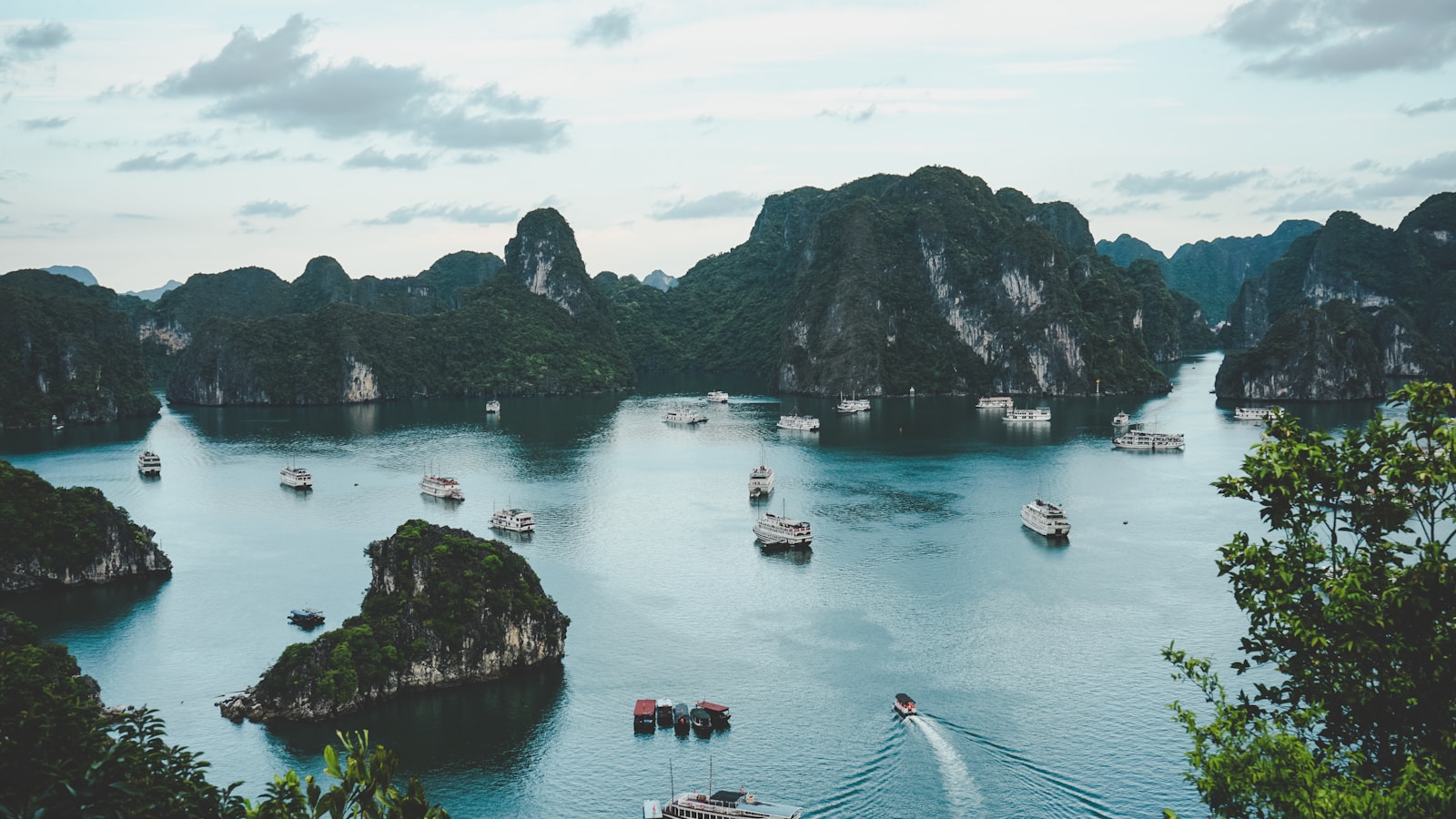
Vietnam stands out as perhaps the most complete budget destination in Asia, combining low costs with spectacular diversity. The country delivers everything from misty mountains to pristine coastline, French colonial architecture to floating markets, all at price points that make month-long trips feasible on modest budgets.
Accommodation costs range from $8-15 per night for clean hostels and guesthouses to $25-40 for mid-range hotels with strong amenities. Food represents exceptional value, with street food meals costing $1-3 and restaurant dinners rarely exceeding $8 per person. Transportation is equally affordable—domestic flights between major cities run $30-60, while sleeper buses and trains cost even less.
Vietnam shines for independent travelers comfortable navigating without constant English signage. Hanoi offers chaotic charm and incredible street food culture, while Ho Chi Minh City brings energy and history. Hoi An provides a photogenic respite with tailors and lantern-lit streets, and the northern highlands around Sapa offer trekking through terraced rice paddies and hill tribe villages.
Best months are March through April and September through November, avoiding both summer heat and winter cold in the north. The destination suits everyone from backpackers to digital nomads, families to retirees—anyone willing to embrace a bit of hustle and local-style travel. The visa situation has improved significantly, with many nationalities now eligible for extended stays without advance arrangements.
Chiang Mai, Thailand: Digital Nomad Haven
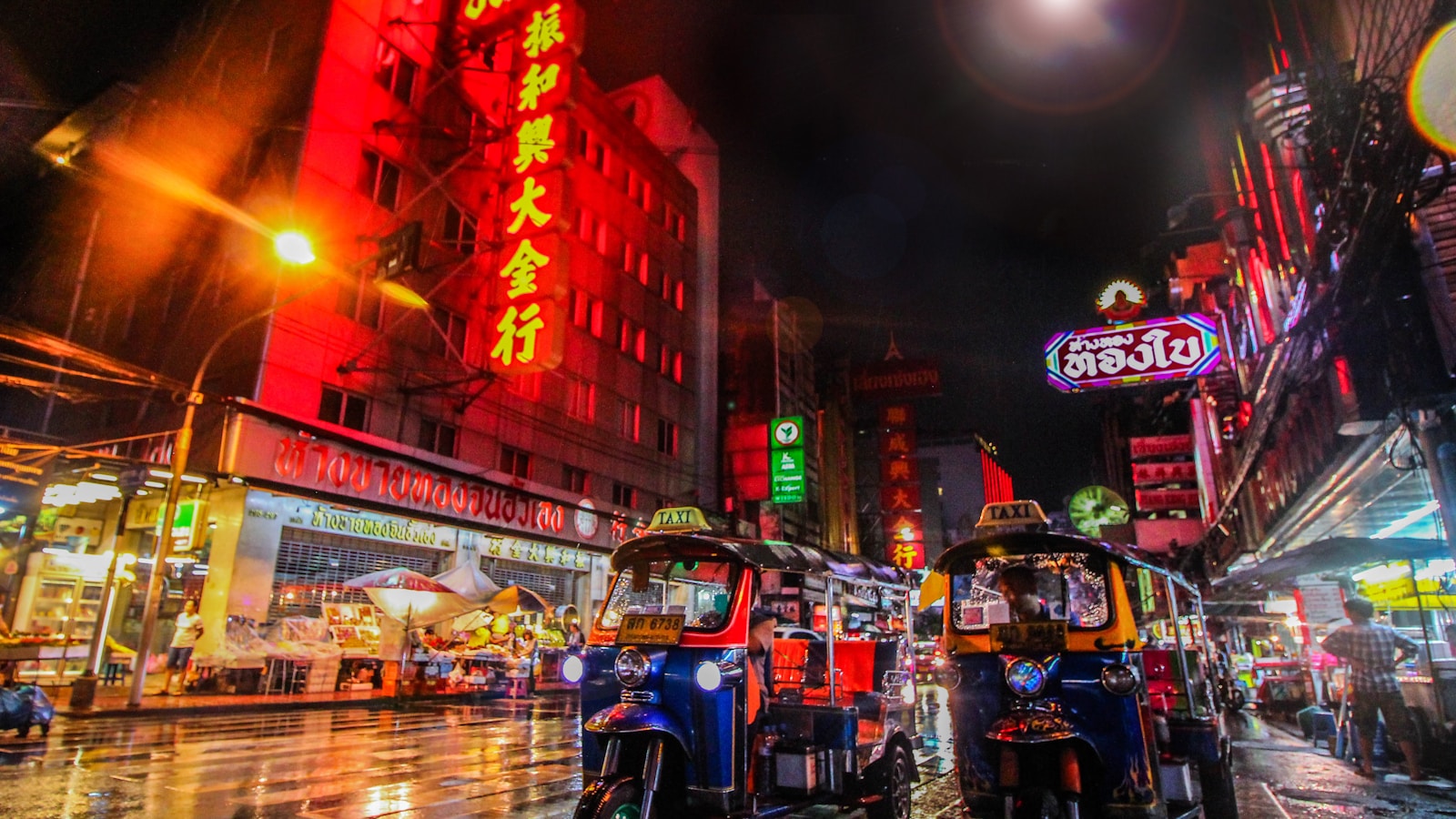
While Bangkok and Phuket have seen prices creep upward, Chiang Mai remains remarkably affordable while offering infrastructure that rivals far more expensive cities. Thailand’s northern capital combines hundreds of temples, excellent food, mountain scenery, and a massive community of long-term travelers who’ve proven you can live well here on $1,000-1,500 monthly.
Accommodation spans from $10-15 hostels to $25-45 serviced apartments with pools, kitchens, and workspaces. The prevalence of long-term rentals means even short-term visitors benefit from competitive pricing. Food costs depend heavily on choices—eating local Thai food keeps meals under $2-4, while western options and cafes run $5-10. The abundance of coworking spaces, most charging $50-80 monthly, makes this a practical base for remote workers.
What distinguishes Chiang Mai is the ease of everything. English is widely spoken, transportation is cheap and available (songthaews cost $0.50-1 per ride), and you’re never far from services catering to foreigners. Day trips to elephant sanctuaries, mountain temples, and hill tribe villages cost $20-40, while cooking classes and cultural activities rarely exceed $30. The night markets offer both entertainment and shopping without pressure.
Visit between November and February for cool, dry weather perfect for exploring. Avoid April unless you enjoy extreme heat and the smoke from agricultural burning that can make air quality poor. This destination suits digital nomads, couples, solo travelers, and anyone planning extended stays who want comfort without western prices. The visa situation is straightforward, with options for longer stays if you’re working remotely.
Bali, Indonesia: Tropical Value
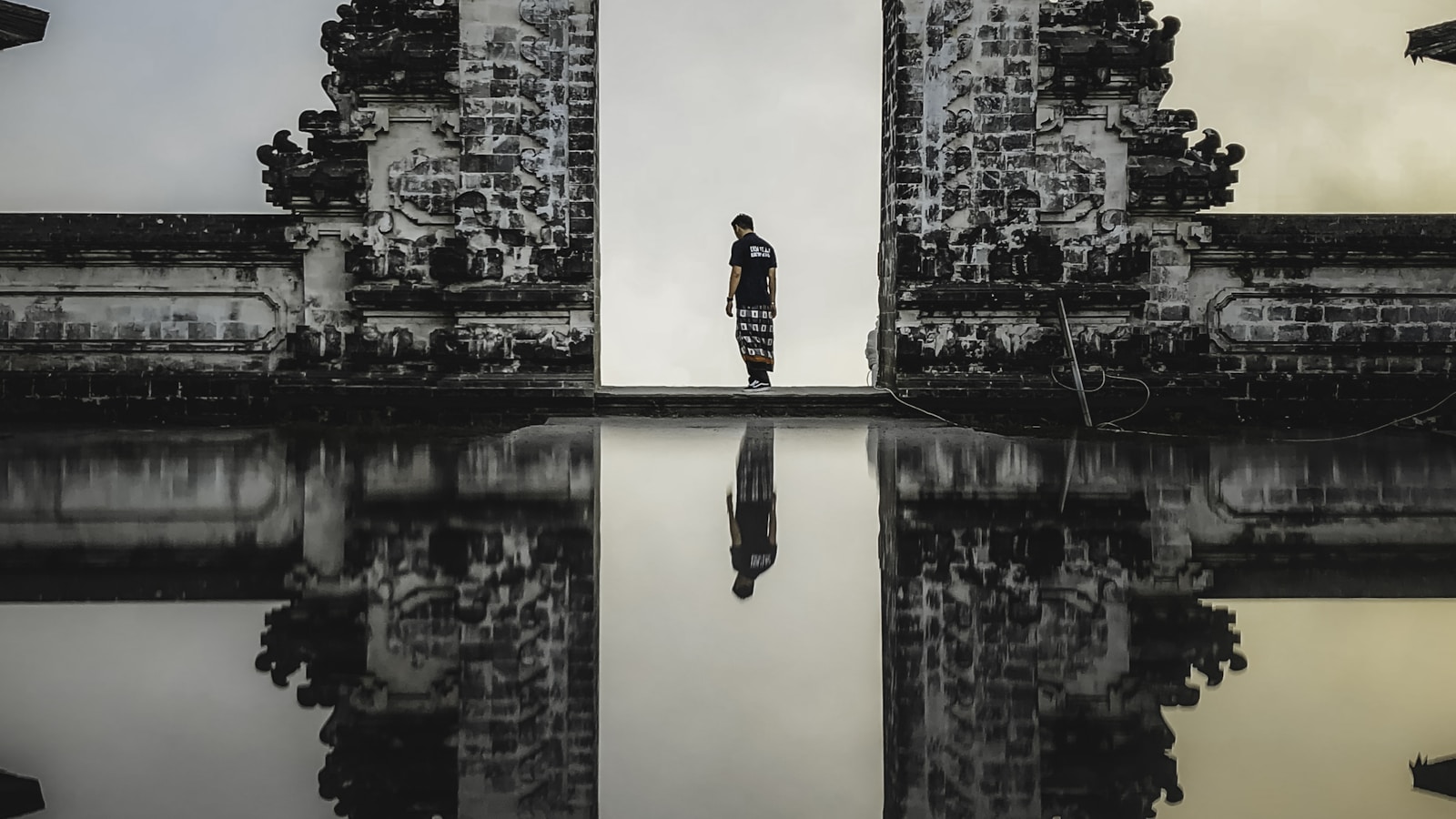
Bali occupies an interesting position—not the cheapest destination in Asia, but offering exceptional value when you consider the quality of accommodation, food, and experiences available. While Seminyak and Canggu have gentrified significantly, areas like Ubud, Sanur, and east coast villages maintain affordability alongside Indonesia’s famous hospitality and natural beauty.
Budget accommodation has evolved beyond basic homestays. You’ll find modern guesthouses with pools for $20-35 per night, while hostels in social areas run $8-15. Mid-range hotels and private villas with kitchens, pools, and daily housekeeping cost $40-70, representing remarkable value. Food ranges from $2 warungs serving nasi goreng and mie goreng to $8-12 restaurant meals with ambiance and presentation that would cost triple elsewhere.
The island suits travelers seeking budget relaxation with occasional splurges. Yoga classes cost $8-12, massages $10-15, and scooter rentals run $4-6 daily, making it easy to explore independently. The rice terraces, temples, waterfalls, and beaches provide free or low-cost activities, while surf lessons, diving, and volcano treks cost $40-80. The cultural calendar ensures there’s always a ceremony or festival happening somewhere.
April through October brings drier weather, though shoulder months like April, May, and September offer the best balance of good conditions and fewer crowds. Bali works for couples, digital nomads, solo travelers, and families with older children. The infrastructure is well-developed, English is widespread, and the relaxed pace makes it easy to settle into a routine. Visa-on-arrival arrangements are straightforward for most nationalities.
Siem Reap, Cambodia: Temple Town Value
Siem Reap functions as a compact, tourist-friendly base for exploring Angkor Wat and dozens of other temple complexes—but it’s also evolved into a surprisingly livable small city with excellent food, comfortable lodging, and costs that undercut most Southeast Asian alternatives. The town itself offers more than just temple access, with floating villages, countryside bike routes, and a growing creative scene.
Accommodation is exceptionally cheap, with quality hostels starting at $5-8 and guesthouses with pools at $15-25. Even boutique hotels with character rarely exceed $40-50 per night. Food follows similar patterns—street food and local restaurants charge $2-4 per meal, while western restaurants and nicer Khmer dining establishments cost $6-10. The famous pub street offers cheap beer and social atmosphere without premium pricing.
The Angkor Archaeological Park requires a pass—$37 for one day, $62 for three days—which represents your major expense. Tuk-tuk drivers charge $15-20 for full-day temple tours, and you can easily combine multiple travelers to split costs. Beyond the temples, activities like cooking classes ($15-25), countryside tours ($20-30), and floating village visits ($25-35) provide variety without breaking budgets.
November through February offers cool, dry weather ideal for temple exploration. March and April bring intense heat that makes midday temple visits challenging. The destination suits history enthusiasts, photographers, and travelers comfortable with a smaller city that fully revolves around tourism. English is widely spoken, and services are set up entirely for foreign visitors. The visa-on-arrival process is simple, though expect small facilitation fees.
Penang, Malaysia: Street Food Capital
George Town on Penang Island combines UNESCO-listed colonial architecture, perhaps Asia’s best street food culture, and costs significantly lower than Kuala Lumpur or Singapore while maintaining excellent infrastructure and genuine Malaysian culture. The island works both as a standalone destination and as a break from the well-worn Bangkok-to-Bali circuit that many budget travelers follow.
Accommodation ranges from $10-15 hostels in restored shophouses to $25-40 for comfortable hotels with character. The heritage zone offers atmospheric lodging in colonial buildings with modern amenities at prices unthinkable in similar European or American settings. Food is the star—hawker centers serve incredible meals for $2-4, coffee shops provide breakfast for under $3, and even upscale restaurants rarely exceed $15 per person.
The street art scene, clan jetties, temples, and colonial architecture provide days of free wandering. Penang Hill costs $8 return via funicular railway, beaches on the northern coast are free to access, and the botanical gardens charge nothing. Cooking classes run $40-60, typically including market visits and multiple dishes. The compact size means walking handles most transportation, though buses cost under $1 and Grab rides are cheap.
Visit year-round, as equatorial location means consistent warm weather. December and January can bring rain, but it typically arrives in short bursts rather than all-day affairs. Penang suits food-focused travelers, digital nomads seeking excellent coffee shops and reliable internet, and anyone wanting a culturally rich experience without the infrastructure challenges of poorer countries. English is widely spoken, and Malaysia’s mix of Malay, Chinese, and Indian influences creates fascinating cultural layers.
Nepal: Mountain Access on a Budget
Nepal offers something increasingly rare in budget travel: genuine adventure at prices that allow extended exploration. While Kyoto and other developed Asian destinations have seen costs rise, Nepal maintains rock-bottom prices even as infrastructure slowly improves. Kathmandu provides chaotic urban energy and spectacular temples, but the real draw is mountain access—you can trek for days spending $20-30 daily all-inclusive on popular routes.
Kathmandu and Pokhara offer accommodation from $6-10 for basic guesthouses to $20-35 for comfortable hotels. Food costs $2-5 for local dal bhat and momo, while tourist restaurants charge $5-8. The teahouse trek system means you can hike for weeks spending only on accommodation ($5-10 per night) and meals, with no need for expensive camping equipment or porter services unless you want them.
Beyond trekking, Nepal provides remarkable value for adventure activities. Paragliding in Pokhara costs $75-90 for 30-minute flights, white water rafting runs $25-40 for day trips, and mountain biking or day hikes are essentially free beyond transport. The Kathmandu Valley alone contains seven UNESCO World Heritage Sites accessible via cheap local buses or taxi rides under $15.
October through November and March through April provide the best weather windows—clear skies and moderate temperatures. December through February gets cold at altitude, while monsoon season from June through August brings rain and clouds that obscure mountain views. Nepal suits adventurous travelers comfortable with basic infrastructure, trekkers of all abilities, and anyone seeking genuine Himalayan culture. English is widely spoken in tourist areas, and the visa-on-arrival process is straightforward.
Luang Prabang, Laos: Slow Travel Hub
Laos remains Southeast Asia’s least developed country for tourism, which translates to lower costs and fewer crowds than neighboring Thailand and Vietnam. Luang Prabang, the former royal capital, combines French colonial architecture, Buddhist monasteries, and the Mekong River setting into a compact, walkable town perfect for slow travelers who want to settle into a pace rather than racing between sights.
Accommodation starts at $8-12 for hostels and simple guesthouses, with charming colonial-era boutique properties at $30-50. Food is inexpensive—street food and local restaurants charge $2-4, French-influenced bakeries and cafes cost $5-8, and even upscale riverside dining rarely exceeds $15. The daily alms-giving ceremony with monks is free to observe respectfully, and wandering the temple-filled streets costs nothing.
Activities center on nature and culture rather than adrenaline. The Kuang Si Falls requires a $3 entrance fee plus transportation ($8-10 round trip by tuk-tuk), boat trips on the Mekong cost $10-25 depending on length and destination, and cooking classes run $30-40. The night market provides browsing and handicraft shopping without pressure. The overall pace is relaxed—this isn’t a destination for ticking off sights but rather for experiencing a different rhythm.
November through February offers cooler, dry weather ideal for exploring. March and April bring heat before the May-to-October rainy season. Luang Prabang works for travelers seeking cultural immersion without party scenes, couples wanting romantic settings, and anyone who’s done the Southeast Asia circuit and wants something less developed. English is less widespread than Thailand or Vietnam, but tourist areas manage fine. The visa-on-arrival process is simple though involves a fee.
How We Chose These Destinations
Selection criteria focused on total cost of travel rather than individual price points. A destination might have $10 hostels but expensive food and activities that inflate daily spending. We prioritized places where accommodation, meals, transportation, and activities all maintain affordability, typically allowing daily budgets of $30-50 to feel comfortable rather than constrained.
Data comes from accommodation partner networks, fare aggregators, and published pricing from activity providers and restaurants in each destination. Price bands reflect actual booking data from recent searches and confirmed rates, not aspirational backpacker minimums or inflated tourist maximums. We avoid claiming specific prices as guarantees since they fluctuate with season, booking timing, and individual negotiation skills.
Geographic diversity matters—we avoided listing five Thai destinations despite Thailand’s excellent value because travelers benefit from understanding options across different countries with varying cultures, landscapes, and experiences. Each pick offers something distinct rather than variations on the same theme. Infrastructure quality received consideration since extreme budget destinations with poor roads, limited ATMs, or difficult transportation can create hidden costs through time loss and frustration.
We excluded destinations with visa complications, safety concerns, or political instability that might affect budget travelers more severely than those with larger financial cushions. Each location has proven track records hosting independent travelers and established communities sharing current information. These aren’t hidden gems requiring machete-level pioneering—they’re proven destinations where budget travel is normalized and infrastructure supports it.
Compare These Destinations
Frequently Asked Questions
How much should I budget per day for these destinations?
Daily budgets of $30-50 cover comfortable travel in most listed destinations, including private room accommodation, three meals with mix of street food and restaurants, local transportation, and one or two activities. Extreme budget travelers can manage on $20-30 by staying in dorms, eating exclusively local food, and limiting paid activities. Those preferring more comfort or western meals should plan $50-75 daily. These figures exclude major transport between cities and special activities like multi-day treks or diving courses.
Is it safe to travel solo in these budget destinations?
All listed destinations host large independent traveler communities and maintain solid safety records for solo visitors. Standard precautions apply—watch belongings in crowded areas, avoid isolated locations late at night, and use registered transportation. Vietnam, Thailand, and Malaysia particularly have well-established tourist infrastructure with robust traveler networks. Women traveling solo report generally positive experiences across these destinations, though cultural awareness about dress and behavior in religious sites matters. Each location has active online communities sharing current safety information and advice.
When is the best time to visit for lowest prices?
Shoulder seasons—the months just before and after peak periods—typically offer the best value combination of decent weather and lower prices. For most Southeast Asian destinations, this means April-May and September-October. Accommodation rates can drop 20-40% compared to peak season, and attractions are less crowded. Avoid major holidays like Chinese New Year, Songkran in Thailand, or Christmas when prices spike and availability drops. Monsoon season brings the lowest prices but weather unpredictability that can disrupt plans, particularly for outdoor activities and island destinations.
Can I get by without speaking the local language?
English proficiency varies but tourist areas in all listed destinations have sufficient English for basic transactions and navigation. Thailand, Malaysia, and Philippines have strongest English overall, while Vietnam and Laos require more patience and gesturing outside major tourist zones. Translation apps bridge most gaps, and many budget travelers successfully navigate months-long trips with zero local language skills. That said, learning basic greetings and numbers improves interactions and occasionally helps with pricing. Tourist infrastructure in these destinations is specifically designed for international visitors who don't speak local languages.
What about health insurance and medical costs?
Travel insurance is essential even for budget destinations—medical evacuations and serious treatment can cost thousands. Basic policies run $50-80 monthly for comprehensive coverage including medical, evacuation, and trip disruption. Medical care in these destinations is generally good and inexpensive by western standards, with clinics charging $20-40 for consultations and pharmacies selling most medications over-the-counter for a few dollars. Thailand and Malaysia have particularly strong medical infrastructure. Budget extra for pre-trip vaccinations which vary by destination but typically cost $100-300 total.
How do I avoid tourist pricing and scams?
Research standard prices before arriving—know what a tuk-tuk ride, restaurant meal, or activity should cost. Always confirm prices before entering vehicles or accepting services. Use metered taxis or ride-hailing apps where available. Eat where locals eat rather than tourist strips. Book accommodation directly or through established platforms rather than following touts at transport stations. Learn to recognize common scams like gem store schemes, overpriced tailors, and fake tour operators. The longer you spend in a destination, the better you'll understand fair pricing and which situations to avoid completely.