








Santorini vs Mykonos: Which Should You Visit in 2026?
Quick Answer
Pick Santorini by default for its dramatic caldera views, stunning sunsets, and romantic atmosphere. It's better for couples, photographers, and first-time visitors to Greece. Choose Mykonos instead if you prioritize nightlife and beach clubs, want easier island hopping access, or prefer a party-focused vacation. Mykonos also wins for LGBTQ travelers seeking its famous vibrant scene and for those wanting better sandy beaches over volcanic landscapes.
At a glance
| Best for | Santorini | Mykonos |
| Vibe | Romantic sunsets, volcanic drama, cave hotels | Beach clubs, all-night parties, cosmopolitan energy |
| Hotels from | $280/night | $320/night |
| Best time to visit | April-May, September-October | June-September |
| Days needed | 3-4 days | 4-5 days |
| Ideal traveler | Couples, photographers, wine lovers | Party crowds, beach lovers, social butterflies |
Cost comparison
Santorini runs slightly cheaper than Mykonos, but both islands will punish your wallet harder than Athens or Crete. Budget cave hotels in Santorini start around $180 per night in shoulder season, while Mykonos budget digs (often inland, not beachfront) begin at $200. Mid-range properties cost $280 to $450 in Santorini and $320 to $520 in Mykonos. Luxury cliffside suites in Oia or beachfront villas in Mykonos easily hit $800 to $2,000 per night.
Daily spending breaks down like this. Budget travelers eating gyros and skipping organized tours can scrape by on $80 to $120 per day in Santorini, $100 to $140 in Mykonos. Mid-range travelers dining at waterfront tavernas and booking a catamaran tour should budget $180 to $280 daily in Santorini, $220 to $320 in Mykonos. Luxury travelers reserving tables at Selene or Nammos will spend $400+ per day on either island.
Flights from New York to Santorini (via Athens) run $550 to $900 roundtrip in shoulder season, $700 to $1,200 in summer. London to Santorini costs $350 to $650 roundtrip. Los Angeles travelers pay $800 to $1,400 with one or two connections. Mykonos prices match Santorini within $50 either direction, though direct seasonal flights from some European cities make Mykonos slightly easier to reach May through September.
For a five-day trip per person (including flights from NYC, mid-range hotel, meals, activities), expect $2,400 to $3,200 in Santorini, $2,700 to $3,600 in Mykonos. The Mykonos premium comes from pricier beach clubs, cocktails at $18 to $25 versus $12 to $18 in Santorini, and costlier boat rentals. You can find hotels in Santorini that offer better value for caldera views than equivalent Mykonos beach properties.
Things to do
Top 3 in Santorini
Oia sunset watch draws every tourist with a phone, but the hype is real. The white-washed village perched on volcanic cliffs turns gold then pink as the sun drops into the Aegean. Arrive by 6:30 PM in summer (crowds camp out two hours early in August), stake a spot near the Byzantine castle ruins, and watch cruise ship passengers lose their minds. Skip the castle itself if you hate sardine-can conditions. Instead, walk 10 minutes south toward Ammoudi Bay for equally stunning views with half the mob. The three windmills near the castle make Instagram gold, though locals roll their eyes at the selfie circus.
Wine tasting at Santo Wines or Venetsanos Winery beats the Napa experience for sheer scenery. Santorini’s volcanic soil produces crisp Assyrtiko whites that taste like mineralized sunshine. Santo Wines offers tastings from $20, pairs them with local cheese, and provides sunset caldera views from their terrace. Venetsanos (built into the cliffside near Akrotiri) shows you the old industrial wine press and lets you sample while staring at the turquoise bay below. Book the 5 PM slot to combine wine and sunset. The Vinsanto dessert wine (made from sun-dried grapes) tastes like liquid honey and costs $30 to $50 per bottle to take home.
Akrotiri Archaeological Site reveals a Bronze Age city frozen by volcanic eruption around 1600 BC. This is Greece’s Pompeii, minus the crowds and with better preservation thanks to volcanic ash. The covered walkways let you examine multi-story buildings, advanced plumbing systems, and frescoes (the originals live in Athens, but photos show their former glory). Entry costs $12, audio guides add $5. Go at 9 AM before tour buses arrive, spend 90 minutes wandering the ancient streets, then hit Red Beach 10 minutes away for a swim.
Top 3 in Mykonos
Beach club hopping defines the Mykonos experience. Nammos in Psarou Beach is the celebrity magnet where champagne bottles cost $800 and DJs spin house music from noon until sunset. Scorpios in Paraga Beach offers slightly more refined boho-chic vibes with sunset rituals, live music, and Mediterranean cuisine (reserve ahead, $80 to $150 per person for lunch). Paradise Beach goes full hedonist with foam parties and bass that rattles your ribcage. Rent an ATV for $40 per day to hop between beaches, or take water taxis from the old port ($12 to $20 each way).
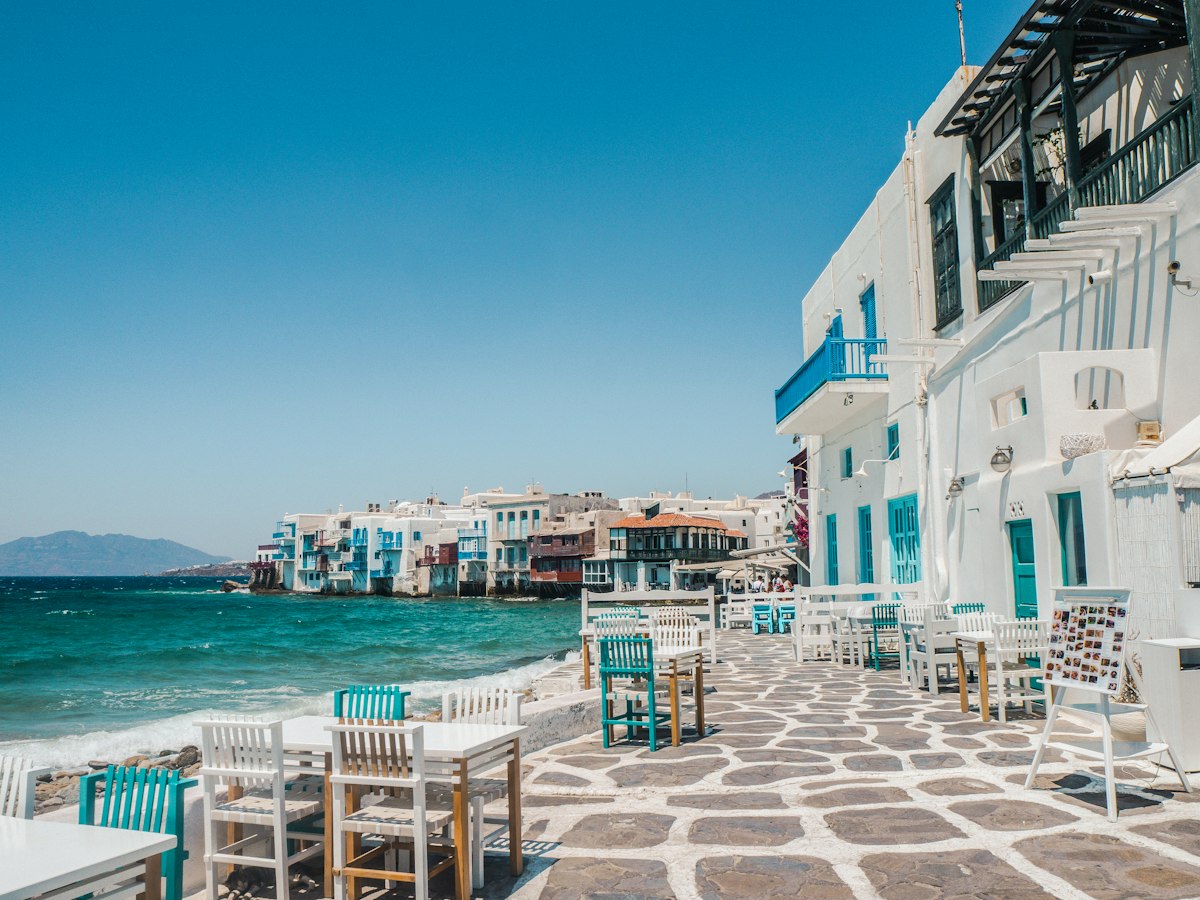
Mykonos Town (Chora) wandering after 10 PM turns magical once day-trippers leave. The maze of whitewashed alleys lit by bougainvillea-draped restaurants creates the Greek island fantasy you imagined. Little Venice (Alefkandra) puts colorful balconies over the water, perfect for sunset cocktails at Galleraki or Caprice Bar ($15 to $22 per drink). The famous windmills (Kato Mili) overlook the town from a hilltop, best photographed at golden hour. Matogianni Street runs through the shopping district with boutiques selling linen clothing and overpriced jewelry. Get lost on purpose for two hours, you will stumble into the best tavernas.
Delos day trip offers serious history 20 minutes offshore. This UNESCO site was ancient Greece’s most sacred island, birthplace of Apollo and Artemis in mythology. The ruins sprawl across the island: temples, an amphitheater, elaborate mosaics in wealthy homes, and the iconic Terrace of the Lions (the originals are copies, museums hold the real ones). Boats leave Mykonos old port at 9 AM and 10 AM, return by 3 PM, tickets cost $25 roundtrip plus $12 entry. Bring water and sun protection since there is zero shade. Skip it if you have seen Delphi or Olympia, but first-timers find it spectacular.
Category winners: Santorini takes food (volcanic soil produces incredible tomatoes, capers, and wines; restaurants like Selene or Roka focus on local ingredients) and nature (the caldera views and volcanic beaches beat Mykonos sandy shores for drama). Mykonos dominates nightlife (Jackie O’, Babylon, and Cavo Paradiso keep you dancing until 6 AM versus Santorini’s quieter bar scene) and offers better beaches for actual swimming (Ornos, Elia, and Platis Gialos have soft sand and clear water versus Santorini’s rocky volcanic beaches).
When to go
Santorini: April brings 68°F days, blooming wildflowers, and hotel prices 40% below summer peaks. May hits 75°F with perfect conditions and manageable crowds. June through August reaches 82 to 86°F, full tourist chaos, and $400+ hotel rates. September drops to 78°F with warm water and fewer families (kids return to school). October offers 72°F, wine harvest season, and excellent deals, though some restaurants close by month’s end. November through March sees 55 to 62°F, most hotels shuttered, and ferry schedules cut to basics, skip these months unless you crave solitude.
Mykonos: May starts beach club season at 73°F, though water stays chilly at 66°F. June hits 78°F with Pride festival late in the month. July and August rage at 82 to 85°F, every beach packed, megaclubs operating at full capacity, and hotel rates tripling. September maintains 79°F with calmer energy as party crowds thin. October drops to 72°F, most clubs closing, but beach weather holds through mid-month. November through April is effectively closed for tourism, with 55 to 65°F and skeleton restaurant service.
Who should pick Santorini
- Couples celebrating anniversaries or honeymoons who want infinity pools and caldera views from their cave hotel.
- Wine enthusiasts ready to taste volcanic terroir in crisp Assyrtiko whites while overlooking the Aegean.
- Photographers chasing that iconic blue-dome-and-white-building shot (it is in Imerovigli, not Oia).
- Travelers over 40 who prefer sunset cocktails and Greek tavernas to foam parties and thumping bass.
- Anyone combining Athens with island time who wants dramatic scenery over beach culture.
Who should pick Mykonos
- Party crowds in their 20s and 30s who want to dance at Cavo Paradiso until sunrise.
- Beach lovers prioritizing soft sand and turquoise water over volcanic drama.
- LGBTQ+ travelers seeking Greece’s most welcoming and vibrant queer scene (especially June Pride).
- Social travelers who thrive on beach club energy, champagne bottles, and meeting people from everywhere.
- Groups of friends planning a long weekend of serious fun without romantic pressure.
Or visit both?
Geography makes this easy. Ferries connect the islands in 2 to 3 hours (SeaJets and Golden Star run daily in summer, $60 to $95 one-way). A solid seven-day itinerary: fly into Santorini, spend three nights exploring the caldera, catching sunsets, and wine tasting. Take the morning ferry to Mykonos on day four, spend three nights beach-hopping and partying, fly home from Mykonos or return to Athens. Book ferries at least two weeks ahead in July and August when boats sell out.
The combination works brilliantly for couples wanting romance plus fun, or friend groups with mixed priorities. Start in Santorini to decompress and marvel, finish in Mykonos to amp up before returning to reality. Reverse the order if you prefer winding down at the end. Adding Paros or Naxos in between creates a 10-day island hop, though most visitors find two islands plenty given flight times from North America.
Bottom line
Pick Santorini for jaw-dropping scenery, excellent wine, and romantic ambiance. Pick Mykonos for beach clubs, nightlife, and social energy. Both islands deliver the Greek island experience but appeal to fundamentally different vacation styles. Santorini suits travelers who want to stare at sunsets with a glass of Assyrtiko, Mykonos rewards those who want to dance on tables at Nammos. The best choice depends entirely on whether you value Instagram-worthy caldera views or proper sandy beaches, quiet taverna dinners or 3 AM DJ sets. If you have seven days and decent budget, find hotels in Mykonos and split your trip between both islands for maximum Cycladic contrast.
FAQs
Which is cheaper, Santorini or Mykonos?
Santorini edges out slightly cheaper, with hotels averaging $280 versus $320 in Mykonos and daily meal costs running $10 to $15 lower. Beach clubs drive up Mykonos expenses (sunbeds cost $50 to $150 versus free beach access in Santorini), and cocktails run $18 to $25 versus $12 to $18. A five-day mid-range trip costs about $300 less per person in Santorini, though luxury accommodations on both islands hit similar stratospheric rates of $800+ per night.
Which is safer?
Both islands are extremely safe with negligible violent crime. Mykonos sees more pickpocketing in crowded clubs and beach areas due to higher party crowds, while Santorini’s main safety concern is tourists falling off cliffs while taking selfies (stay behind railings in Oia). Drunk driving on ATVs causes the most injuries on both islands. Standard travel precautions apply: watch your drink, use hotel safes, don’t leave valuables on the beach.
Which is better for families?
Santorini works better for families with kids over 10 who appreciate scenery and history (Akrotiri ruins, volcano boat tours). The steep cliffs and infinity pools pose hazards for toddlers. Mykonos suits families with teens or tweens thanks to calm beaches like Ornos and Platis Gialos, though the party reputation and high prices make it less family-focused than Paros or Naxos. Neither island ranks among Greece’s top family destinations compared to Crete or Rhodes.
Which is better for first-time international travelers?
Mykonos proves easier for nervous first-timers. English is universal, getting around is straightforward with taxis and buses, and the compact town center is hard to get lost in. Santorini’s clifftop geography creates more logistical challenges (driving the narrow roads, finding parking, navigating steep steps). Both islands are tourist-friendly with zero language barriers, but Mykonos feels more accessible and less vertigo-inducing for international rookies.
Can I see both in one trip?
Absolutely, and you should. Fast ferries connect the islands in 2 to 3 hours daily during summer season (April through October). Split a week between them: three nights in Santorini for scenery and wine, three nights in Mykonos for beaches and nightlife, with a travel day in between. Book ferries ahead through FerryHopper or directly with SeaJets. Winter connections drop to twice weekly, making a combined trip trickier November through March.