








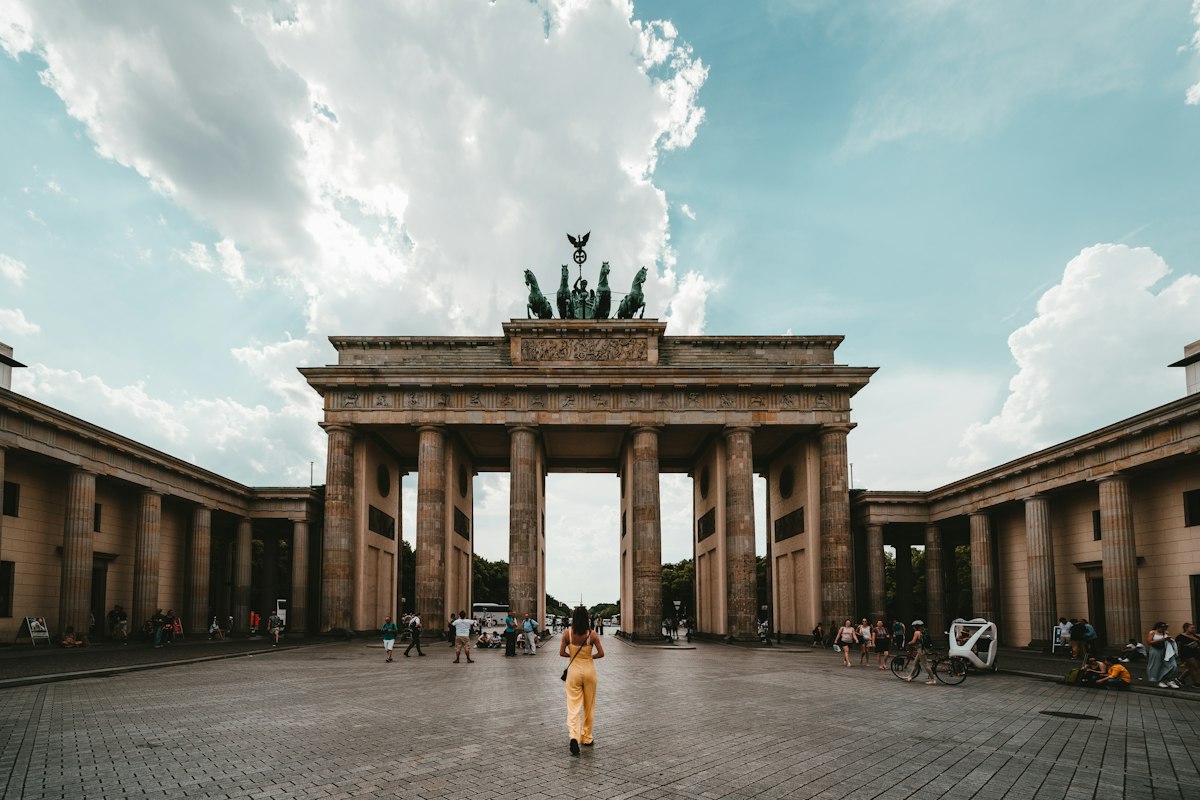

Amsterdam vs Berlin: Which Should You Visit in 2026?
Quick Answer
Pick Berlin by default for better value, grittier nightlife, and more dramatic history. The city offers cheaper accommodation, bigger club scene, and powerful museums at half the price. Choose Amsterdam only if you want a compact, walkable city where you can bike everywhere in 20 minutes, prefer cozy brown cafes over warehouse techno clubs, or have limited time since everything is closer together.
At a glance
| Best for | Amsterdam: Canal strolls, museum lovers, compact charm | Berlin: History buffs, late nights, edgy art scenes |
| Hotels from | $180/night | $110/night |
| Best time to visit | April to May, September | May to September |
| Days needed | 3 to 4 days | 4 to 5 days |
| Vibe | Cozy, walkable, cafe culture with golden-hour canals | Sprawling, gritty-cool, 24-hour energy with raw history |
Cost comparison
Amsterdam runs significantly more expensive across the board. Hotels start at $180 per night for budget digs in outer neighborhoods like Amsterdam Noord, climbing to $280 for mid-range spots near Jordaan, and topping $450 for canal-view luxury. Berlin’s accommodation costs roughly 40% less: budget hotels in Kreuzberg or Friedrichshain start at $110, mid-range places near Mitte go for $170, and upscale options rarely break $300.
Daily budget for one traveler in Amsterdam hits $90 to $120 on the cheap end (hostel dorm, street stroopwafels, museum cards), $180 to $240 mid-range (hotel, sit-down Indonesian rijsttafel, canal cruise), and $350-plus for luxury (canalside suites, Michelin-starred dining at The White Room). Berlin cuts those figures dramatically: $60 to $85 budget (currywurst stands, bike rentals, free gallery hopping), $120 to $160 mid-range (proper schnitzel dinners, club cover charges), and $250 to $320 luxury (rooftop cocktails, private tours of Museum Island).
Flights from NYC range $420 to $680 roundtrip to Amsterdam, $450 to $720 to Berlin. London connections run cheaper: $110 to $190 to Amsterdam, $95 to $175 to Berlin. LA travelers face $650 to $950 for Amsterdam, $680 to $1,020 for Berlin, typically with one connection.
For a five-day trip per person including flights from NYC, Amsterdam totals roughly $2,200 to $2,800 (mid-range), while Berlin lands at $1,850 to $2,300. The gap widens if you’re drinking: Amsterdam charges $8 for a pint, Berlin asks $4.50. If budget matters at all, find hotels in Berlin and pocket the difference.
Things to do
Top 3 in Amsterdam
Rijksmuseum and Museumplein anchors Amsterdam’s cultural circuit. The collection spans Rembrandt’s Night Watch, Vermeer’s Milkmaid, and entire rooms of Dutch Golden Age opulence. Budget three hours minimum, arrive at opening (9am) to dodge tour groups. Ticket price sits at $25. Across the square, Van Gogh Museum holds the world’s largest collection of his work (Sunflowers, The Bedroom, dozens of self-portraits), though crowds pack tighter here. Combined museum card costs $65 and skips lines.
Canal belt exploration between Prinsengracht and Herengracht delivers Amsterdam’s essence better than any guidebook description. Jordaan neighborhood spills over with brown cafes (try Cafe ‘t Smalle for canal-side Grolsch), the Anne Frank House draws respectful lines around the block ($16, book weeks ahead), and the Negen Straatjes shopping streets connect vintage boutiques with stroopwafel vendors. Rent a bike for $12 per day because locals absolutely will ring their bells at you for walking in cycle lanes.
De Pijp and Albert Cuyp Market shows working Amsterdam beyond the postcard canals. The market runs six days weekly with 260 stalls selling Gouda wheels, fresh herring, and Surinamese roti. Heineken Experience sits nearby ($21), though beer snobs prefer Brouwerij ‘t IJ under the De Gooyer windmill. The neighborhood explodes during King’s Day (April 27) when every sidewalk becomes an orange-clad street party.
Top 3 in Berlin
Museum Island clusters five major institutions on a Spree River island in Mitte. The Pergamon Museum shows the actual Ishtar Gate of Babylon and Market Gate of Miletus (currently partially closed for renovation through 2027, check ahead). Neues Museum holds Nefertiti’s bust, Altes Museum covers Greek and Roman antiquities. Day pass costs $21 and honestly requires stamina. The island itself makes a gorgeous walk, especially crossing to Monbijoupark for kebabs from Mustafa’s Gemüse (expect 45-minute lines, worth it).
East Side Gallery and Kreuzberg preserves 0.8 miles of original Berlin Wall turned into the world’s longest open-air gallery. Dmitri Vrubel’s “Fraternal Kiss” mural gets photographed constantly. The surrounding Friedrichshain-Kreuzberg area pulses with Turkish bakeries, vinyl shops, and beer gardens like Holzmarkt that morph into all-night techno venues. Checkpoint Charlie sits nearby but feels tackily touristy compared to the raw emotion of the Wall itself.
Reichstag and Tiergarten combines political history with Berlin’s best green space. The glass dome atop Germany’s parliament building requires free advance reservation (book online 2-3 weeks out) but offers 360-degree views and an audio guide explaining the building’s Nazi-era burning and Cold War division. Afterward, lose yourself in Tiergarten’s 520 acres. The Soviet War Memorial, Victory Column, and random beer gardens pop up along tree-lined paths that make you forget you’re in a 3.7-million-person metro area.
Amsterdam wins food variety with Indonesian, Surinamese, and elevated Dutch cuisine (try The Duchess for high-end luxury or Moeders for homestyle stamppot). Berlin counters with unbeatable Turkish street food, döner kebabs that put UK versions to shame, and Michelin-starred restaurants at half Amsterdam’s prices. Nightlife isn’t close: Berlin’s techno clubs (Berghain, Watergate, Sisyphos) operate on 48-hour timelines where Amsterdam’s scene shuts down comparatively early. Culture splits between Amsterdam’s concentrated Golden Age masterworks and Berlin’s sprawling 20th-century historical sites. Nature barely registers in Amsterdam beyond canal walks, while Berlin hides lakes (Müggelsee, Wannsee) and forests within city limits.
When to go
Amsterdam peaks April through May when tulips explode in nearby Keukenhof Gardens and temperatures hover 50 to 60°F. King’s Day (April 27) turns the city into an orange-tinted street party but books hotels six months ahead. June through August brings 65 to 72°F warmth, outdoor canal dining, and thick crowds plus $220-per-night hotel rates. September offers ideal conditions (60 to 66°F, fewer tourists, golden light on canal houses) before October’s rain returns. Winter (November to March) drops to 35 to 45°F with early darkness and bone-chilling dampness, though Christmas markets and Amsterdam Light Festival (December through January) compensate somewhat.
Berlin’s best window runs May through September. May hits 60 to 68°F with beer garden season launching and Museum Island less mobbed. June brings 65 to 73°F, Carnival of Cultures street festival, and the perfect Tiergarten picnic weather. July and August reach 70 to 77°F but also bring summer holiday crowds to Museum Island. September drops to comfortable 60 to 68°F with wine festivals in surrounding Brandenburg. October through April turns genuinely cold (25 to 45°F), though Christmas markets in Gendarmenmarkt rate among Europe’s best and February’s Berlinale film festival draws cinema obsessives. The grittiness works better in warm months when outdoor culture thrives.
Who should pick Amsterdam
- Museum completists who want Rembrandt, Vermeer, and Van Gogh’s greatest hits in walkable proximity
- Couples seeking romantic canal-side hotels and intimate brown cafe evenings over late-night clubbing
- First-time Europe visitors who prefer a compact, easily navigable city over sprawling complexity
- Cyclists who treat bike infrastructure as a essential travel requirement rather than bonus feature
- Travelers planning tulip-season trips to nearby Keukenhof or day trips to Zaanse Schans windmills
Who should pick Berlin
- History obsessives drawn to 20th-century sites from Nazi-era bunkers to Cold War checkpoints and Wall remnants
- Nightlife seekers who consider 2am laughably early and want access to legendary techno clubs with no closing times
- Budget travelers who need their money to stretch further without sacrificing food quality or cultural depth
- Street art and contemporary culture fans who prefer raw warehouse galleries over polished museum halls
- Solo travelers comfortable with a larger, grittier city where neighborhood exploration rewards curiosity
Or visit both?
The 360-mile distance between Amsterdam and Berlin makes combining them completely logical. High-speed trains run 6 hours 20 minutes direct for $45 to $90 depending on booking timing. Budget airlines (Ryanair, easyJet) fly the route in 90 minutes for $35 to $75 when booked ahead.
A solid combined itinerary splits 8 to 9 days between both cities. Fly into Amsterdam, spend three days covering Rijksmuseum, canal neighborhoods, and Anne Frank House. Train to Berlin on day four (morning departure arrives early afternoon), then dedicate four days to Museum Island, East Side Gallery, nightlife exploration, and a Tiergarten afternoon. This routing flows naturally west to east and aligns with most transatlantic return flights from Berlin.
Alternatively, reverse the order if your return flight departs Amsterdam. Berlin’s grittier energy makes a good introduction before Amsterdam’s cozier scale winds things down. Either way, the train journey passes through pretty German countryside and costs less than a nice dinner in Amsterdam.
Bottom line
Berlin delivers more bang per euro and rewards adventurous travelers who appreciate layers of complex history alongside world-class nightlife. Amsterdam charms with concentrated beauty, easier navigation, and Golden Age art that justifies the premium pricing. Your call hinges on budget flexibility and what “vacation” means to you. If you want postcard-perfect canals and can afford $180 hotels, Amsterdam satisfies completely in three days. If you prefer sprawling exploration, late nights, and stretching your dollar while still eating incredibly well, find hotels in Amsterdam only after Berlin has worn you out. First-timers might start with Amsterdam’s easier charm, while repeat Europe visitors often find Berlin’s raw energy more compelling long-term.
FAQs
Which is cheaper, Amsterdam or Berlin?
Berlin undercuts Amsterdam by 35 to 45% across hotels, food, and daily expenses. Mid-range hotels in Berlin average $170 per night versus $280 in Amsterdam. Restaurant meals run $18 to $28 in Berlin compared to $25 to $40 in Amsterdam. Even museum admission costs less: Berlin’s Museum Island day pass hits $21 while Amsterdam’s Rijksmuseum alone charges $25. Beer price gaps tell the story: $4.50 in Berlin, $8 in Amsterdam. A five-day trip costs roughly $400 to $500 less per person in Berlin.
Which is safer?
Both cities rank safe by European standards with low violent crime rates. Amsterdam sees more pickpocketing around Centraal Station and Red Light District, particularly targeting distracted tourists on rented bikes. Berlin’s size means sketchier pockets exist in parts of Wedding or around Görlitzer Park late at night, but central tourist areas stay consistently safe. Standard precautions (watch bags on trains, avoid unlicensed taxis, stay aware in crowds) work fine in either city.
Which is better for families?
Amsterdam edges ahead for families with younger children thanks to smaller scale, easier navigation, and attractions like NEMO Science Museum or canal boat tours that engage kids without exhausting parents. Berlin works better for teenagers interested in history or art, with Holocaust Memorial and DDR Museum providing educational weight. Berlin’s parks (Tiergarten, Tempelhofer Feld) offer more space for kids to burn energy, while Amsterdam’s bike-everywhere culture terrifies some parents managing children in heavy cycle traffic.
Which is better for first-time international travelers?
Amsterdam’s compact size, widespread English fluency, and straightforward layout make orientation easier for nervous first-timers. You can walk the main canal belt in 90 minutes and rarely feel lost. Berlin’s sprawling geography, multiple centers (Mitte, Kreuzberg, Prenzlauer Berg), and reliance on U-Bahn and S-Bahn trains require more navigational confidence. That said, both cities welcome English speakers warmly and offer excellent tourism infrastructure.
Can I see both in one trip?
Absolutely, and you should consider it. The cities sit 360 miles apart with direct trains running 6 hours 20 minutes for $45 to $90 or flights covering the distance in 90 minutes for $35 to $75. An 8 to 9-day trip splits nicely into three days Amsterdam, four to five days Berlin, with travel day bridging them. The combination delivers both cozy canal charm and gritty urban energy without backtracking, particularly if you fly open-jaw (into one city, out of the other).