




Tokyo vs Seoul: Which Should You Visit in 2026?
Quick Answer
**Pick Tokyo by default.** It offers superior food diversity, more efficient transit, and easier navigation for first-timers with better English signage. Tokyo wins for culture seekers, foodies, and those wanting iconic experiences like temples, anime districts, and Mount Fuji access. **Choose Seoul instead if you're on a tight budget** , accommodation, food, and activities cost 20-30% less, plus excellent cafes and nightlife come cheaper.
At a glance
| Tokyo | Seoul | |
|---|---|---|
| Best for | Pristine infrastructure, high-end dining, cherry blossoms, anime culture | K-pop culture, Korean BBQ, 24-hour nightlife, beauty shopping |
| Hotels from | $130/night | $120/night |
| Best time to visit | March to May, October to November | April to May, September to November |
| Days needed | 5 to 7 days | 4 to 6 days |
| Vibe | Organized chaos, ultra-modern meets deeply traditional, reserved politeness | Dynamic energy, tech-forward, casual warmth, organized hustle |
Cost comparison
Tokyo edges Seoul in overall costs, but not by the margin you’d think. Both cities punch above their weight in value compared to other major Asian capitals.
Hotels
- Budget: Tokyo $80 to $130, Seoul $60 to $100 (capsule hotels in Tokyo start around $35, guesthouses in Seoul from $25)
- Mid-range: Tokyo $150 to $280, Seoul $120 to $220 (business hotels in Shinjuku vs boutique stays in Gangnam)
- Luxury: Tokyo $400 to $900+, Seoul $300 to $650+ (Park Hyatt Tokyo vs Four Seasons Seoul)
Seoul wins the hotel battle on price. You can stay in a solid three-star in Myeongdong for what you’d pay for a basic business hotel near Tokyo Station. If you want to find hotels in Seoul, expect more space and better amenities per dollar.
Daily budget per traveler
- Budget: Tokyo $85 to $115, Seoul $70 to $95 (street food, convenience store meals, public transit, free attractions)
- Mid-range: Tokyo $180 to $260, Seoul $140 to $200 (sit-down meals, metro passes, paid museums, modest shopping)
- Luxury: Tokyo $450 to $700+, Seoul $350 to $550+ (kaiseki dinners vs high-end Korean BBQ, private tours, premium shopping)
Flights
- From NYC: Tokyo $650 to $1,100 roundtrip, Seoul $680 to $1,150 roundtrip
- From London: Tokyo $720 to $1,300 roundtrip, Seoul $750 to $1,350 roundtrip
- From LA: Tokyo $580 to $950 roundtrip, Seoul $620 to $1,000 roundtrip
Flight prices shake out nearly identical. Seoul occasionally dips $20 to $40 cheaper during shoulder season.
Total 5-day trip estimate (mid-range traveler, solo)
- Tokyo: $1,800 to $2,400 (flights, hotel, food, transit, activities)
- Seoul: $1,550 to $2,100
Seoul saves you $250 to $300 on an average trip. Tokyo costs more across the board, but the experiences justify the premium for many travelers.
Things to do: head to head
Top 3 in Tokyo
Senso-ji Temple and Asakusa delivers old Tokyo in concentrated form. The temple itself dates to 628 AD, with the Kaminarimon gate and its massive red lantern serving as one of Japan’s most photographed landmarks. Nakamise Shopping Street leading to the temple sells traditional crafts, ningyo-yaki cakes, and enough souvenir kimonos to outfit a small army. Go early (7am) to dodge tour groups, or visit after dark when the temple glows under floodlights and the crowds vanish.
Tsukiji Outer Market and Toyosu Fish Market make a killer morning combo. The wholesale action moved to Toyosu in 2018, but you need advance reservations to watch the tuna auctions at 5:30am. Most visitors skip that and head straight to the outer market for fresh uni, grilled scallops, tamago, and the best sushi breakfast you’ll eat for $25. Sushi Dai and Daiwa Sushi still have 90-minute waits, but a dozen other stalls serve equally excellent fish with zero queue.
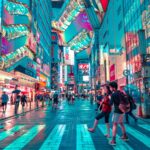
Shibuya and Harajuku show Tokyo’s kinetic modern energy. Shibuya Crossing moves 3,000 people per light change during rush hour. Walk through it twice (everyone does), then climb to the Starbucks overlooking the intersection for the full aerial view. Harajuku’s Takeshita Street packs crepe stands, vintage clothing shops, and enough kawaii culture to overload your Instagram. Hit Meiji Shrine next door for instant zen contrast.
Top 3 in Seoul
Gyeongbokgung Palace anchors Seoul’s historical core. Built in 1395, destroyed by the Japanese in 1592, rebuilt in 1867, then partly demolished again under colonial occupation, the palace tells Korea’s turbulent story through architecture. The changing of the guard happens at 10am and 2pm daily except Tuesdays. Rent a hanbok (traditional Korean dress) from one of 50 shops around Anguk Station for $15, wear it to the palace, and get free admission plus 200 enthusiastic photo requests.
Bukchon Hanok Village sits between Gyeongbokgung and Changdeokgung palaces, offering narrow lanes lined with traditional hanok houses. Unlike sanitized heritage villages elsewhere, people actually live here. Respect the residents (signs remind you constantly), walk the eight official viewpoints, and duck into Bukchon Traditional Culture Center to try tea ceremony or calligraphy. The view from Viewpoint 2 toward the palaces with skyscrapers beyond captures Seoul’s compressed timeline perfectly.
Gangnam and COEX Mall reveal modern Seoul’s excess and energy. The district immortalized by Psy actually lives up to the hype, with luxury boutiques, plastic surgery clinics (over 500 in the area), and enough LED screens to qualify as daylight. COEX houses the stunning Starfield Library, a 13-meter-high book tower that’s free to enter and absolutely mobbed on weekends. The nearby bongeunsa Temple offers Buddhist respite from the capitalist frenzy next door.
Food: Seoul wins on pure value and variety at the low end. Korean BBQ, bibimbap, and endless banchan beat conveyor belt sushi for sheer abundance per dollar. Tokyo takes the crown for high-end dining (more Michelin stars than Paris) and specialty depth. If you want the world’s best ramen or a $400 kaiseki experience, Tokyo delivers. Seoul counters with better street food and drinking culture.
Nightlife: Seoul crushes it. Hongdae stays open until sunrise with live music, craft beer bars, and club culture that rivals Berlin. Itaewon caters to international crowds, while Gangnam goes upscale. Tokyo has great bars (Golden Gai’s tiny izakayas, Roppongi’s clubs) but last trains at midnight kill the vibe unless you commit to staying out until 5am.
Culture: Tokyo edges ahead for traditional experiences done to perfection (tea ceremony, kabuki, sumo) and museum quality. Seoul delivers more accessible culture with less formality and better English signage.
Nature: Neither city excels, but Seoul has better urban hiking. Bukhansan National Park sits inside city limits with granite peaks and Buddhist temples. Tokyo requires day trips to Hakone or Nikko for serious nature.
When to go
March to May represents peak season for both cities. Tokyo’s cherry blossoms hit late March to early April (Ueno Park, Meguro River, Chidorigafuchi), creating temporary insanity with hotel prices jumping 40% and crowds tripling. Seoul blooms one to two weeks later in early to mid-April (Yeouido Park, Seoul Forest). Temperatures run 50°F to 70°F, perfect for walking. Book hotels three months ahead or pay premium prices.
June to August brings heat, humidity, and monsoon rains. Tokyo hits 85°F with 75% humidity in July and August, while Seoul peaks around 88°F. June means rainy season in Tokyo (tsuyu), with Seoul following in late June through July (jangma). Tourist crowds thin considerably. Hotel prices drop 25% to 35%. If you handle heat well, this delivers serious value. Both cities crank air conditioning everywhere.
September to November matches spring for ideal conditions. Fall foliage in Tokyo peaks mid-November (Rikugien Garden, Meiji Jingu Gaien). Seoul’s autumn colors arrive late October through early November (Namsan Tower, Changdeokgung Secret Garden). Temperatures run 60°F to 75°F in September, cooling to 45°F to 60°F by November. Crowds return but stay lighter than spring. Golden week in early November can spike Tokyo prices.
December to February means cold and crowds for New Year’s. Tokyo stays dry with temps around 35°F to 50°F. Seoul gets colder (20°F to 40°F) with occasional snow and biting wind. Both cities go wild for Christmas lights despite tiny Christian populations. New Year’s (Hatsumode shrine visits in Tokyo, bell-ringing at Bosingak in Seoul) packs locals into temples and shrines. January and February offer the year’s lowest hotel prices, down 30% to 40% from peak, with fewer tourists and cold but clear weather.
Who should pick Tokyo
- Sushi obsessives willing to pay $30 for the best tuna over rice at Tsukiji or queue two hours at Sukiyabashi Jiro’s cheaper second location.
- Architecture nerds who want to see Tadao Ando’s 21_21 Design Sight, Kenzo Tange’s Yoyogi National Gymnasium, and Tokyo Skytree in one trip.
- Anyone chasing cherry blossoms during that narrow two-week window when the entire country loses its mind over pink petals.
- Travelers who value extreme organization, punctual trains (average delay under 60 seconds), and bathrooms that play music to mask bodily sounds.
- Shoppers hunting Japanese denim, limited-edition sneakers, vintage toys, or kitchen knives that cost more than plane tickets.
Who should pick Seoul
- K-pop fans who need to visit SM Entertainment, eat at BTS’s favorite restaurants, and do the Gangnam Style horse dance at the actual statue.
- Budget travelers stretching dollars further without sacrificing quality, especially for hotels and food under $100 per day.
- Night owls who want to party until 6am, eat spicy rice cakes at 4am, then stumble into a jjimjilbang spa to sleep it off.
- Beauty product addicts who will fill entire suitcases with sheet masks, cushion compacts, and snail mucin from Myeongdong and Garosu-gil.
- Hikers who want legitimate mountain trails (Bukhansan, Inwangsan) accessible by subway without leaving city limits.
Or visit both?
Absolutely do both if you have 10 days. Seoul to Tokyo makes geographic sense, sitting just 750 miles apart with two-hour flights running $150 to $300 roundtrip on budget carriers like Jeju Air or Peach. The Fukuoka to Busan ferry ($70, three hours) offers a quirky alternative entry to Japan.
Split it 4 days Seoul, 6 days Tokyo. Fly into Incheon, hit Gyeongbokgung Palace, Bukchon Hanok Village, Myeongdong shopping, and Hongdae nightlife. Take a day trip to the DMZ ($85 including transport). Fly to Narita or Haneda, then cover Asakusa, Shibuya, Tsukiji Market, and Akihabara in Tokyo. Add day trips to Nikko (Toshogu Shrine, waterfalls) or Kamakura (Great Buddha, beach temples). You’ll eat Korean BBQ four times and ramen five times. Your credit card will hurt but your Instagram will thrive.
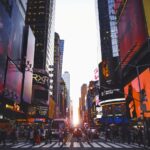
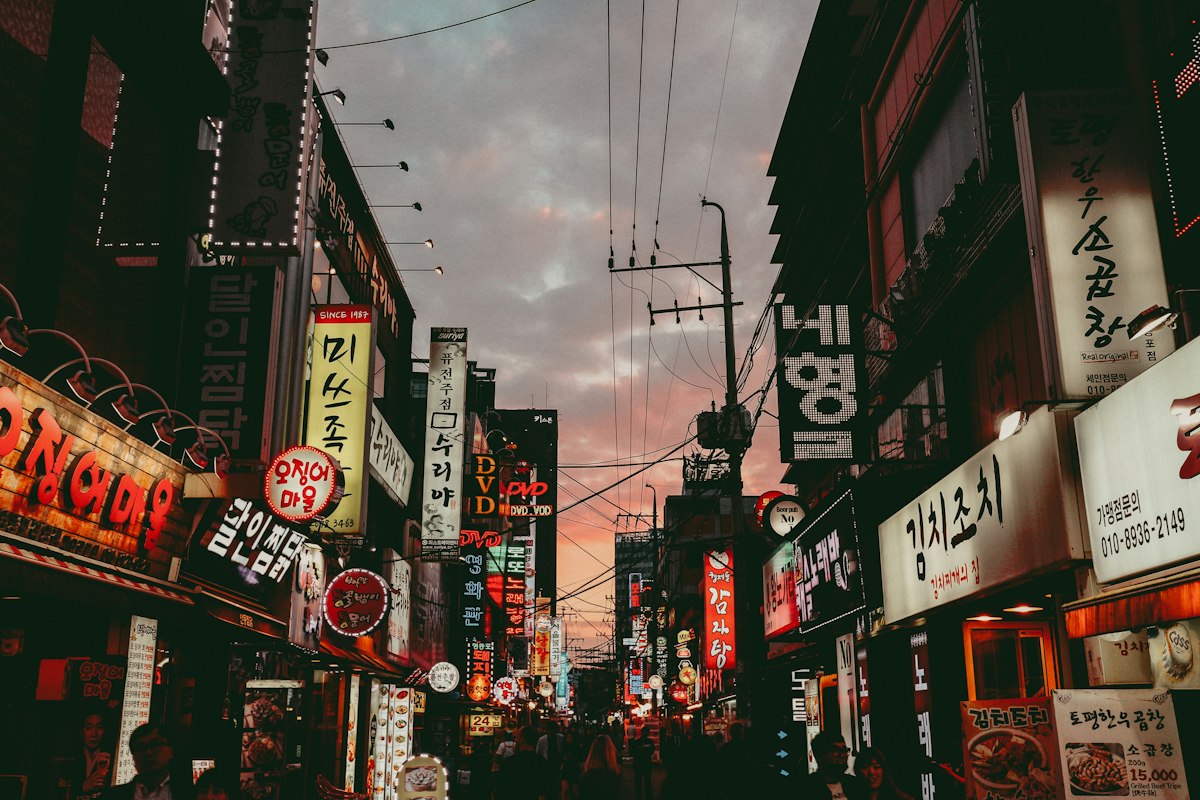
The cultural contrast alone justifies visiting both. Korea feels more open and emotionally expressive. Japan maintains formal reserve and elaborate social codes. Food philosophies diverge (Korean abundance and spice vs Japanese refinement and subtlety). Even the neon hits differently, Seoul’s more chaotic and colorful versus Tokyo’s organized glow.
Bottom line
Seoul takes this one for 2026 on value and accessibility. You’ll save $250 to $400 on a week-long trip, get more hotel for your money, and navigate easier thanks to better English signage and more outgoing locals. The food delivers bigger portions and bolder flavors for less money. Nightlife stays open later. Your phone actually works (pocket WiFi rental costs half what Tokyo charges). Tokyo remains unmatched for high-end experiences, traditional culture done to perfection, and that specific Japanese aesthetic that makes even convenience stores look designed. If money doesn’t constrain you and you prioritize refinement over energy, Tokyo wins. For most travelers balancing budget and experience in 2026, Seoul delivers more wow per dollar. Start your search and find hotels in Tokyo if you decide Japanese precision beats Korean dynamism for your travel style.
FAQs
Which is cheaper, Tokyo or Seoul?
Seoul costs 15% to 25% less overall. Hotels run $60 to $100 versus Tokyo’s $80 to $130 for comparable quality. Meals cost $8 to $15 in Seoul versus $12 to $20 in Tokyo for similar restaurants. Public transit (Seoul’s T-money card versus Tokyo’s Suica) costs roughly the same, around $1.20 to $1.80 per ride. A mid-range traveler spends $140 to $200 daily in Seoul compared to $180 to $260 in Tokyo. Budget an extra $300 to $400 for a week in Tokyo.
Which is safer?
Both cities rank among the world’s safest, with Tokyo holding a slight statistical edge. You can walk anywhere at midnight without concern. Violent crime against tourists essentially doesn’t exist. Tokyo’s trains run cleaner and experience less pickpocketing (already rare in Seoul). Seoul’s nightlife districts get rowdier with drunk locals, but aggression stays verbal. Women traveling solo report feeling completely safe in both cities. Keep normal urban awareness and you’ll never have problems.
Which is better for families?
Tokyo wins for families with young kids thanks to Disneyland, DisneySea (the better park), teamLab Borderless digital art museum, and Ghibli Museum. Public facilities include amazing parks and spotless bathrooms everywhere. Seoul counters with Lotte World (indoor theme park perfect for bad weather), COEX Aquarium, and more affordable family restaurants. Both cities welcome children in restaurants and hotels. Tokyo feels more organized for strollers. Seoul offers better value for families watching budgets.
Which is better for first-time international travelers?
Seoul edges ahead with more English signage, locals who speak conversational English more frequently, and less rigid social etiquette to navigate. Tokyo can feel intimidating with complex train systems, language barriers, and unspoken rules about shoes, chopsticks, and public behavior. That said, Tokyo’s extreme organization and safety make it forgiving of mistakes. Seoul feels more relaxed about tourist fumbles. Both require minimal Japanese or Korean if you use translation apps and pointing.
Can I see both in one trip?
Definitely, and you should if time allows. The cities sit 750 miles apart with budget flights taking two hours for $150 to $300 roundtrip. Allocate 10 to 12 days minimum (4 to 5 in Seoul, 6 to 7 in Tokyo). Flying Seoul to Tokyo works better than reverse since Tokyo makes a stronger final impression and offers more day trip options. The Japan Rail Pass doesn’t cover flights but can save money on Tokyo area trains if you add Kyoto or Osaka.