




Quick Answer
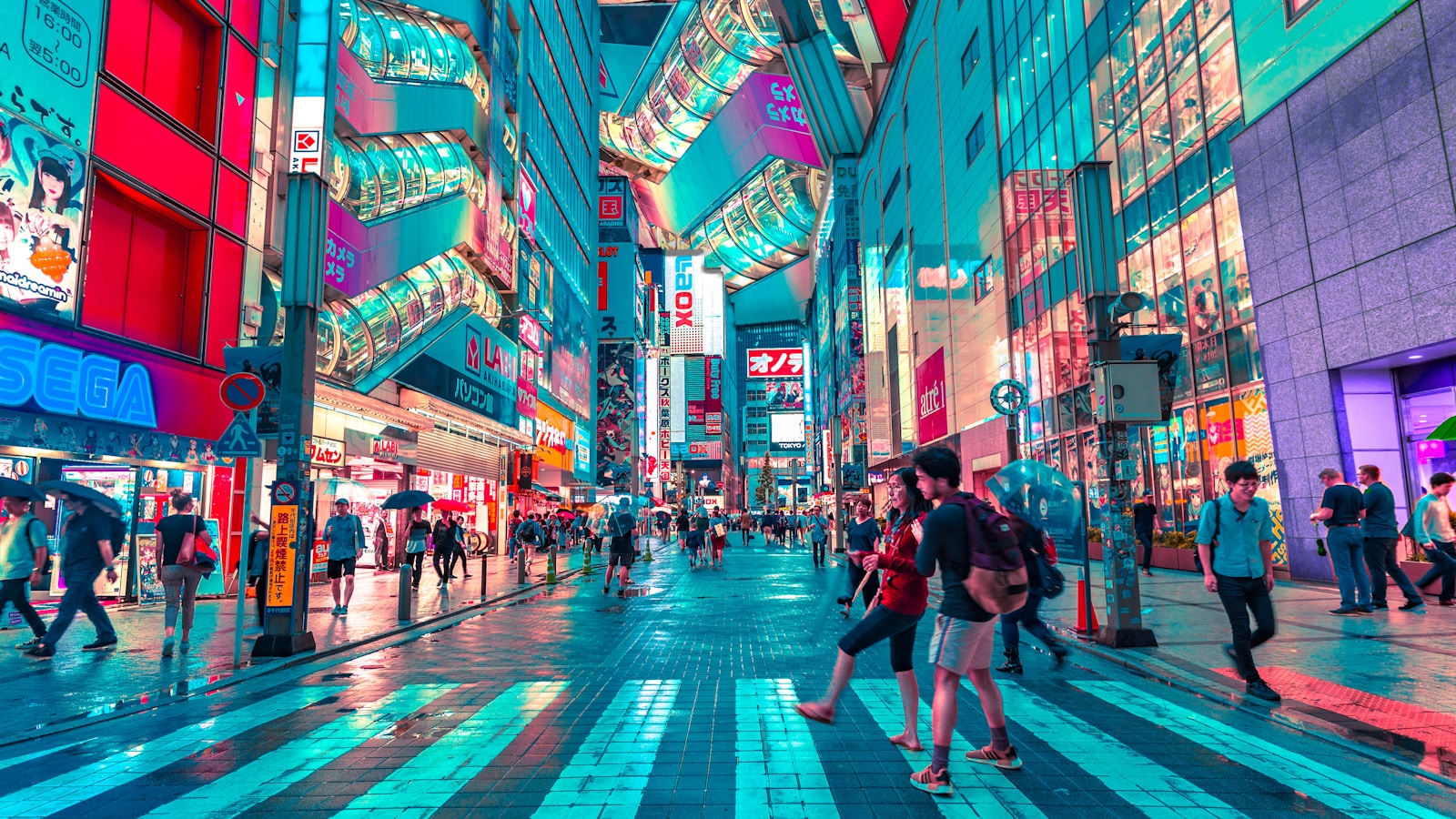
Seoul is the city that exports culture (K-pop, K-drama, Korean beauty) faster than any other capital on Earth. Joseon-era palaces in the middle of the most wired skyline in Asia, the best 24-hour food scene anywhere, and a subway system so good it makes other cities embarrassed. Hotels start from $120/night and April-May and September-October are unbeatable.
Explore Seoul in Detail
Find Hotels in Seoul
Hotel listings for Seoul are currently being updated.
Top Tours in Seoul

DMZ and Joint Security Area Tour
Full-day tour of the Demilitarized Zone, the Third Infiltration Tunnel, Dora Observatory, and Imjingak Park with hotel pickup.
Book This Tour →
Seoul Food and Markets Walking Tour
Evening food walk through Gwangjang Market and Myeongdong with bindaetteok, mayak gimbap, soju, and Korean BBQ stops.
Book This Tour →
Gyeongbokgung Palace and Bukchon Tour
Guided walk through Gyeongbokgung Palace at the changing of the guards and into the traditional Bukchon Hanok Village.
Book This Tour →Top Things to Do in Seoul
The experiences travelers come back to Seoul for, year after year.
Itineraries for Seoul
Day-by-day plans built by travelers who actually went.
Seoul in 3 Days
The essential first-time itinerary — the must-sees you came for, plus the local moments you came home talking about.
Seoul for Couples
Quiet mornings, slow dinners, and the views the brochures don't show. Built for two.
Seoul with Kids
Activities everyone enjoys, restaurants that welcome little ones, and downtime built into the plan.
Getting Around Seoul
Renting a car is one of the best ways to explore Seoul at your own pace. Compare rates from all major suppliers in one search.
Best Time to Visit Seoul
Best months to visit Seoul: April–June and September–October offer mild weather and fewer crowds. July–August is peak season. December–February is coldest but cheapest.
Why Visit Seoul?
Seoul is the city that runs the most efficiently of any megacity on Earth. The subway has more stops than NYC and Tokyo combined, runs on the minute, and gets you anywhere in 30 minutes. The wifi is free everywhere. The food delivery is 20 minutes for everything from McDonald’s to Michelin-starred ramen.
The contrast is the appeal. Gyeongbokgung Palace from the 1300s sits next to the skyline of Gangnam. The hanok villages of Bukchon have the traditional clay-tile houses where you can still rent a room. The street food in Myeongdong runs until 3am, gimbap, tteokbokki, fish cake skewers, all for under $4. The Korean BBQ at any random alley restaurant is better than the Korean BBQ specialty restaurant back home. K-beauty in Myeongdong with the testers and the BB cream cosmetics. The fashion in Hongdae and Apgujeong. The DMZ tour for the Cold War history. Five days for the city, week for a Korea tour with Busan or Jeju. Pick a base near a subway, the city is too big to walk between areas.
Frequently Asked Questions — Seoul
How much does a hotel in Seoul cost per night?
Seoul hotels run $120-$585 per night depending on category and season. Mid-range properties average $200-$320 per night. Book 60-90 days ahead during peak season for the best rates.
What is the best time to visit Seoul?
April through May and September through October delivers the best weather and value combination in Seoul. Shoulder months offer lower prices with decent conditions. Avoid major holidays and local events when rates spike.
How many days do you need in Seoul?
4 to 6 days is the sweet spot for Seoul. That gives you enough time to hit the main sights, a day trip or two, and a buffer day to slow down.
Is Seoul safe for tourists?
Seoul is one of the safest major cities in the world with extremely low crime. You can walk anywhere at any hour. The main risks are heatstroke in August humidity, particulate air quality in spring (yellow dust), and crowded subway elbows at rush hour.
What is the best area to stay in Seoul?
Myeongdong for shopping and central location. Hongdae for nightlife and university youth scene. Gangnam for upscale and K-pop. Insadong for traditional and walkable. Itaewon for foreigner-friendly. Any subway-adjacent location works.
How do I get around Seoul?
Subway is the answer for everything. T-money card for everything. Walking is great in Myeongdong, Insadong, and Bukchon. Taxis are cheap. Buses are extensive but harder for tourists. The KTX bullet train to Busan in 2.5 hours.
Do I need to speak the local language to visit Seoul?
Some Korean helps. English is increasingly common in tourist areas, hotels, and major restaurants but not universal. Korean script (Hangul) is phonetic and can be learned in an afternoon. Translation apps help everywhere else.