






Tokyo vs Kyoto: Which Should You Visit in 2026?
Quick Answer
**Quick Answer: Pick Kyoto by default.** Kyoto delivers Japan's essence with temples, gardens, geishas, and traditional culture in a walkable, manageable city. It's why most first-time visitors come to Japan. Tokyo wins only if you're specifically chasing cutting-edge urban energy, nightlife, and modern pop culture over historical immersion. For the classic Japan experience, Kyoto is the clear choice.
At a glance
| Tokyo | Kyoto | |
|---|---|---|
| Best for | Urban energy, tech culture, Michelin dining, nightlife, shopping in Shibuya and Harajuku | Temple walks, traditional kaiseki, geisha districts, bamboo groves, gardens |
| Hotels from | $130/night | $140/night |
| Best time to visit | Late March to early April (cherry blossoms), October to November | Mid-November (fall foliage), late March (cherry blossoms) |
| Days needed | 4 to 5 days | 3 to 4 days |
| Vibe | Neon-lit chaos, pocket parks, 3am ramen runs, sensory overload in the best way | Morning temple bells, silent gardens, ryokan slippers on tatami, slow-paced refinement |
Cost comparison
Tokyo edges out slightly cheaper despite being the capital. Budget capsule hotels in Asakusa or Ueno start at $45 per night, while mid-range business hotels in Shinjuku or Shibuya run $130 to $180. Luxury properties like the Park Hyatt (yes, the Lost in Translation one) push $550 and up.
Kyoto’s traditional machiya guesthouses begin around $85, with solid three-star hotels near Kyoto Station at $140 to $200. High-end ryokans with kaiseki dinners easily hit $600 to $900 per night per person.
Daily budgets tell a similar story. In Tokyo, budget travelers eating konbini meals and taking subways spend $65 to $85 per day. Mid-range visitors dining at izakayas and taking taxis average $150 to $200. Luxury seekers hitting omakase counters and staying in Ginza hotels run $400-plus. Kyoto costs about 10% more across categories due to pricier traditional dining and fewer budget food options outside the station area. Budget travelers need $75 to $95, mid-range $165 to $220, luxury $450-plus.
Flights from New York JFK to Tokyo Narita run $650 to $950 roundtrip on ANA or JAL (13 hours direct). From London Heathrow, expect $700 to $1,100 (11.5 hours direct). LAX travelers find the best deals at $550 to $800 (11 hours). Kyoto requires a connection through Tokyo or Osaka, adding $80 to $150 and 2 to 3 hours to any routing.
For a five-day trip from New York including flights, hotels, food, metro passes, and entry fees: Tokyo totals $1,850 to $2,100 (budget), $2,900 to $3,400 (mid-range), or $5,200-plus (luxury). Kyoto runs $1,950 to $2,250 (budget), $3,100 to $3,600 (mid-range), $5,800-plus (luxury). If you’re trying to decide where to base yourself, find hotels in Tokyo for the widest range of neighborhoods and price points.
Things to do , head to head
Top 3 in Tokyo
Tsukiji Outer Market and Toyosu Fish Market: The tuna auctions moved to Toyosu in 2018, but Tsukiji’s outer market still delivers the best breakfast street food in Japan. Hit Sushi Dai at 6am (yes, there’s a line), then wander stalls selling tamagoyaki, grilled scallops, and uni shooters. The controlled chaos of vendors shouting over stacks of dried bonito and razor clams is pure Tokyo. Budget $35 for breakfast and snacks.
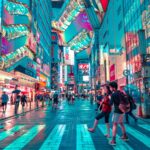
Shibuya Crossing and Harajuku: The scramble crossing sees 2,500 people cross every light change. Watch from the Starbucks second floor, then walk 20 minutes north to Harajuku’s Takeshita Street for crepe stands and vintage shops. Meiji Shrine sits just west, offering sudden forest quiet. The contrast between neon advertising towers and 100-year-old torii gates within a 15-minute walk defines Tokyo’s split personality. Free entry to the shrine, $8 to $12 for crepes.
TeamLab Borderless (reopening 2024 in Azabudai Hills): This digital art museum uses 520 computers and 470 projectors to create walking-through-paint experiences. Waterfalls respond to your movement, flowers bloom underfoot, mirrored infinity rooms make you feel like you’re floating in LED constellations. It’s trippy, crowded, and absolutely worth the $32 entry and one-hour wait. Go on a weekday morning.
Top 3 in Kyoto
Fushimi Inari Shrine: The 10,000 vermillion torii gates tunnel up Mount Inari for 2.5 miles. Most tourists photograph the first 100 gates and leave. Keep climbing past the halfway tea houses to the summit (2 to 3 hours round trip) for forest silence broken only by crows and your own breathing. Free entry, open 24 hours. Dawn visits beat the Instagram crowds by two hours.
Arashiyama Bamboo Grove and Tenryu-ji Temple: The bamboo path is 500 yards of 40-foot stalks creaking in wind. It’s beautiful and perpetually packed between 10am and 4pm. Visit at 7am or combine it with Tenryu-ji Temple’s cliff garden ($6 entry), then walk north to Okochi Sanso Villa ($9), a film-star’s former estate with manicured moss and matcha tea included in admission. The surrounding neighborhood has excellent soba shops.
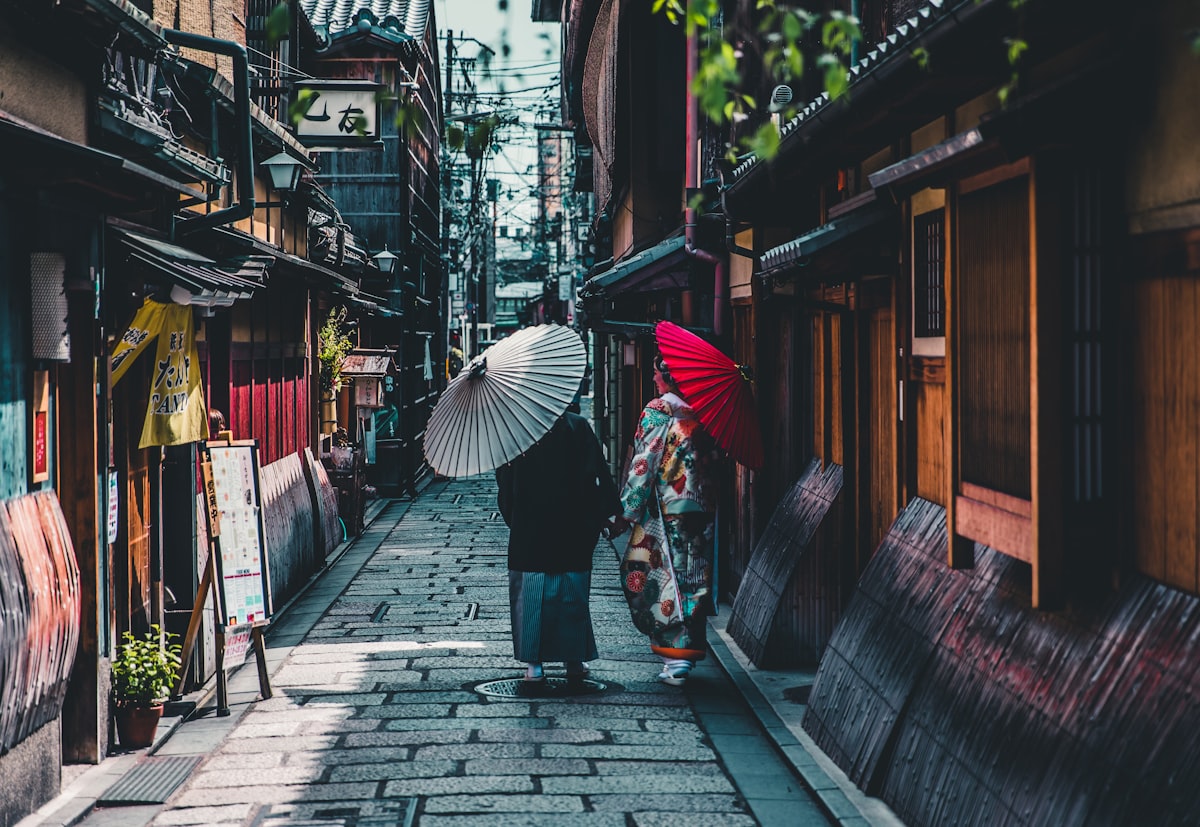
Gion and Pontocho: Kyoto’s geisha districts feel like walking onto a film set, especially the narrow Pontocho alley running parallel to the Kamo River. Wooden machiya houses lean inward, paper lanterns glow at dusk, and if you’re lucky around 6pm you’ll spot a maiko (apprentice geisha) clicking past in platform sandals. Don’t photograph them without asking. Many high-end kaiseki restaurants here require introductions, but mid-range izakayas welcome walk-ins for $40 to $70 per person.
Food winner: Tokyo demolishes Kyoto on variety and value. The capital has 200-plus Michelin stars, $8 standing sushi bars, regional ramen from every prefecture, and Indian-Japanese fusion curry houses. Kyoto’s kaiseki tradition is exquisite but expensive, and casual options thin out fast outside the station area.
Nightlife winner: Tokyo by a mile. Golden Gai’s 200 tiny bars, Roppongi’s clubs staying open until 5am, karaoke boxes in every neighborhood, and 24-hour izakayas mean the city never stops. Kyoto rolls up around 11pm except for a handful of bars in Gion and near Kyoto University.
Culture winner: Kyoto for traditional Japan (tea ceremony, temple architecture, artisan workshops), Tokyo for contemporary culture (anime, fashion, tech museums, modern art). If you want to see how Japan was, pick Kyoto. If you want to see where it’s going, pick Tokyo.
Nature winner: Kyoto. The Philosopher’s Path cherry tree canal, Arashiyama’s monkey park, and day trips to Kurama mountain temples offer immediate nature access. Tokyo requires 90-minute train rides to Mount Takao or Nikko to escape concrete.
When to go
Late March through early April brings cherry blossoms to both cities. Tokyo’s trees peak March 25 to April 5, Kyoto’s a few days later (April 1 to April 10). Ueno Park and the Meguro River in Tokyo become pink tunnels. Kyoto’s Maruyama Park and Philosopher’s Path draw enormous crowds. Hotel prices jump 40%, temperatures sit at 50 to 60°F, and you’ll compete with domestic tourists on holiday. Worth it if you book hotels four months ahead.
May and early June offer 65 to 75°F weather and thinner crowds before rainy season. Late June through mid-July gets muggy with afternoon downpours. Not ideal.
August is brutally humid (85 to 95°F, 80% humidity) but festival season. Tokyo’s Sumida River Fireworks pack riverbanks with a million people. Kyoto’s Daimonji bonfires light the mountains on August 16. Hotel prices drop 20% because locals flee the heat.
September through mid-October delivers perfect 70°F days and blue skies. Peak comfort, moderate prices, good availability.
Late October through November is fall foliage season. Kyoto’s temples with maple trees (Tofuku-ji, Eikando) turn crimson and gold from November 15 to December 5. Tokyo’s peak arrives earlier (late November). Kyoto hotel prices spike again. Expect 50 to 65°F and crisp air.
December through February brings cold (35 to 45°F), occasional snow in Kyoto, and the lowest hotel rates of the year. New Year (December 28 to January 3) reverses this as locals visit shrines for hatsumode. Skip that week unless you enjoy sardine-can trains.
Who should pick Tokyo
- First-time Japan visitors wanting the full sensory hit of neon, crowds, efficiency, and weird vending machines all at once.
- Food obsessives chasing Michelin stars, standing sushi, and regional ramen varieties you can’t find anywhere else.
- Nightlife seekers who want bars open past midnight and clubs that don’t close until sunrise.
- Anime and manga fans making pilgrimages to Akihabara shops and the Ghibli Museum in Mitaka.
- Travelers using Tokyo as a hub for day trips to Mount Fuji, Nikko, or Kamakura without changing hotels.
Who should pick Kyoto
- Temple and garden enthusiasts willing to wake up at 6am for quiet moments at Kiyomizu-dera or Ryoan-ji.
- Travelers seeking traditional Japan experiences like tea ceremonies, artisan workshops, or staying in a ryokan with tatami and kaiseki dinner.
- Photographers chasing bamboo groves, geisha districts at dusk, and fall foliage reflections in temple ponds.
- People overwhelmed by urban intensity who prefer walking quiet lanes between wooden houses and moss gardens.
- Cultural deep-divers interested in Zen Buddhism, imperial history, and craft traditions like Kyo-yuzen dyeing or pottery.
Or , visit both?
You absolutely should. The Shinkansen bullet train connects Tokyo and Kyoto in 2 hours 15 minutes, with trains leaving every 10 minutes from 6am to 9pm. A one-way reserved seat costs $120. The JR Pass (7 days for $280, 14 days for $450) pays for itself if you’re making this trip plus a few other journeys.
A solid 10-day itinerary: Fly into Tokyo, spend four days covering Tsukiji, Shibuya, Asakusa’s Senso-ji Temple, and a day trip to Nikko or Kamakura. Train to Kyoto on day five, spend four days doing Fushimi Inari, Arashiyama, Gion, and a day trip to Nara (30 minutes away) to see the bowing deer and Todai-ji’s giant Buddha. Finish with a night back in Tokyo near Narita Airport if your flight leaves early. This pacing avoids hotel-packing fatigue and captures both cities’ rhythms. Budget an extra $150 in transport for local trains and buses.
If you only have a week, do three nights Tokyo, three nights Kyoto, and accept you’ll miss things. Day trips become impossible with that schedule, but you’ll cover the core sights.
Bottom line
Tokyo wins for first-timers and anyone craving urban intensity, food variety, and nightlife. It’s the Japan you see in movies, cranked to maximum volume, but balanced with surprising pockets of tradition in neighborhoods like Yanaka. Kyoto wins for second visits, temple lovers, and travelers allergic to megacity chaos. The ideal answer is spending four days in Tokyo absorbing the contemporary madness, then three in Kyoto to decompress in gardens and remember that Japan existed before skyscrapers. If forced to pick just one city, Tokyo delivers more variety per day and serves as a better base for understanding modern Japan’s contradictions. Find hotels in Kyoto if you’re leaning traditional, but honestly, most people leave wishing they’d budgeted time for both.
FAQs
Which is cheaper, Tokyo or Kyoto?
Tokyo runs about 8 to 12% cheaper overall. Budget hotels, capsule accommodations, and casual dining options outnumber Kyoto’s significantly. A conveyor-belt sushi dinner in Tokyo costs $18 to $25 versus $28 to $35 in Kyoto for similar quality. Street food and convenience store meal variety also favor Tokyo. Kyoto’s traditional kaiseki restaurants and ryokans with included meals push daily averages higher, and fewer international chain hotels mean less competition on room rates. Attraction entry fees run similar ($5 to $12 for most temples and museums in both cities), but Tokyo’s free walking neighborhoods (Harajuku, Yanaka, Shimokitazawa) stretch budgets further.
Which is safer?
Both cities rank among the world’s safest, with violent crime nearly nonexistent and petty theft rare. Tokyo’s size means more crowded trains during rush hour, where bag-snatching on platforms happens occasionally but remains uncommon. Kyoto feels safer simply because it’s smaller and quieter after dark. Women travel solo in both cities without significant concern. The biggest safety issue in either location is bicycle traffic on sidewalks and getting lost in Tokyo’s unmarked street systems. Police boxes (koban) appear every few blocks in both cities and officers help lost tourists constantly.
Which is better for families?
Tokyo wins for kids over eight who appreciate Pokemon Centers, teamLab digital museums, and Akihabara’s sensory overload. Ueno Zoo and the National Museum of Nature and Science offer solid rainy-day options. Kyoto works better for teenagers interested in history or photography and younger kids who enjoy feeding deer in nearby Nara. Temple-heavy itineraries bore most children under 12. Tokyo’s broader restaurant options (including more Western food) also ease picky-eater stress. Stroller access on Kyoto’s gravel temple paths and steep hills creates logistical headaches Tokyo’s flat, paved sidewalks avoid.
Which is better for first-time international travelers?
Tokyo provides a gentler introduction despite being larger. English signage in subway stations, more English-speaking hotel staff, and broader food options (including familiar chains like Starbucks every three blocks) reduce culture shock. The city’s efficient grid layout in neighborhoods like Shinjuku and Shibuya makes navigation easier than Kyoto’s winding medieval streets with no addresses. Tokyo’s 24-hour conveniences (drugstores, vending machines, late-night restaurants) forgive jet lag schedule confusion. Kyoto demands more advance planning for restaurant reservations and assumes cultural knowledge about temple etiquette that isn’t always intuitive.
Can I see both in one trip?
Absolutely, and you should. The Shinkansen makes this easier than visiting two cities in most countries. Two hours 15 minutes on a clean, punctual bullet train beats the four-hour drives or budget-airline hassles common in Europe. Even a week-long trip can split three nights in each city comfortably. The JR Pass covers the train fare and pays for itself after one round trip plus a few Tokyo subway journeys. Flying into Tokyo and out of Osaka (30 minutes from Kyoto) saves backtracking and costs roughly the same as round-trip tickets. Most travelers who skip one city regret it.