







First-time travelers to Europe should consider Paris for iconic landmarks, Rome for ancient history, London for English-language ease, Barcelona for Mediterranean charm, Amsterdam for walkability, and Prague for affordability. Each offers reliable infrastructure, manageable size, and clear entry points into European culture. Spring and fall typically deliver the best balance of weather and crowds.
Europe rewards first-time visitors with density: world-class museums, efficient transit, and centuries of architecture packed into walkable neighborhoods. But that same abundance creates choice paralysis. Some cities overwhelm with scale or language barriers, while others feel too niche for a debut trip. The best European cities for newcomers balance iconic sights with practical logistics—places where you can navigate confidently, recover from jet lag without drama, and leave with a clear sense of what European travel offers.
This guide focuses on cities that work for travelers making their first Europe trip. We prioritize destinations with strong transport links, English-language support, varied accommodation tiers, and enough marquee attractions to justify the airfare. You’ll find price bands from partner booking data, seasonal timing windows, and practical notes on what makes each city effective for newcomers.
Paris: The Classic First Stop
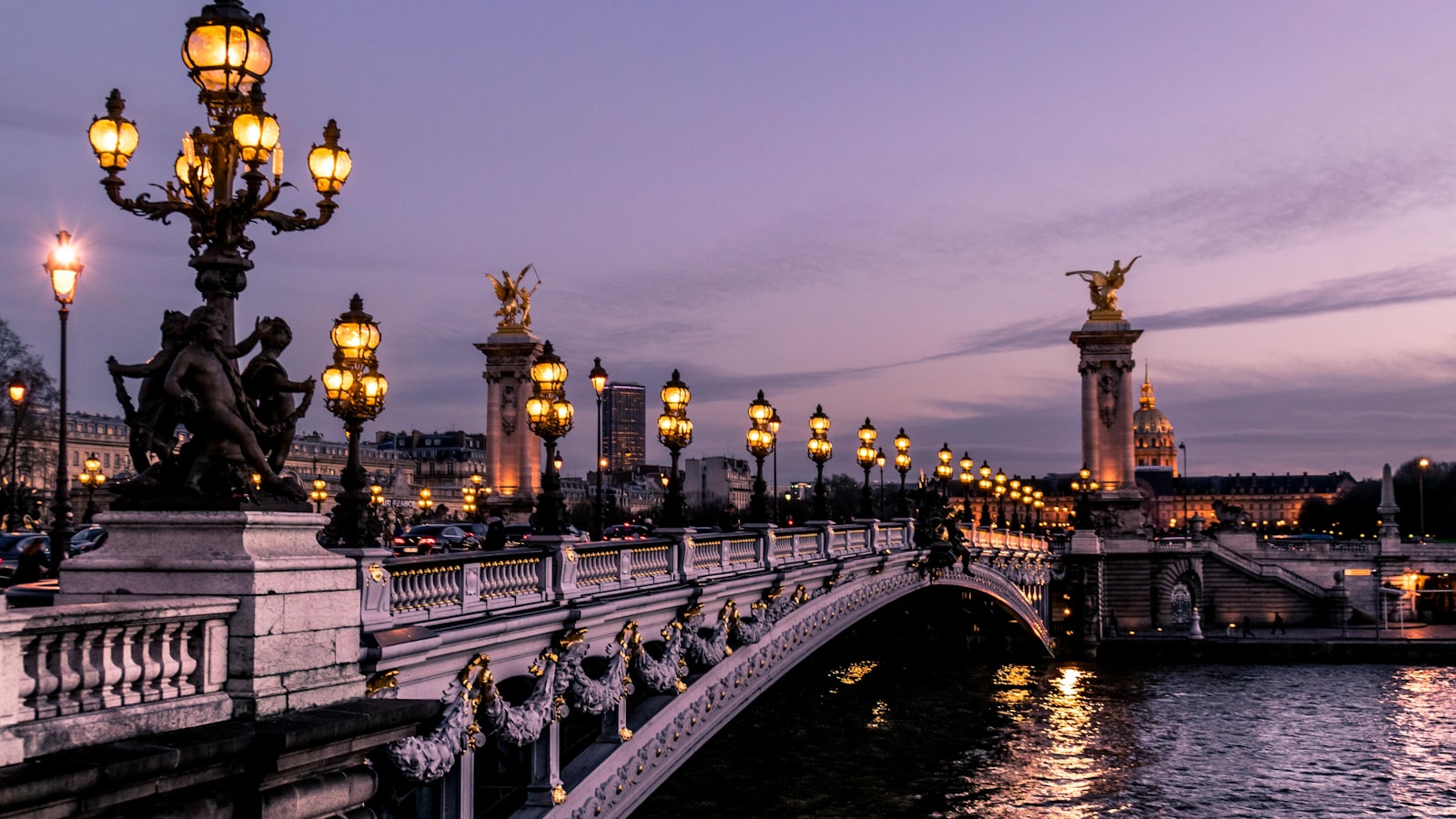
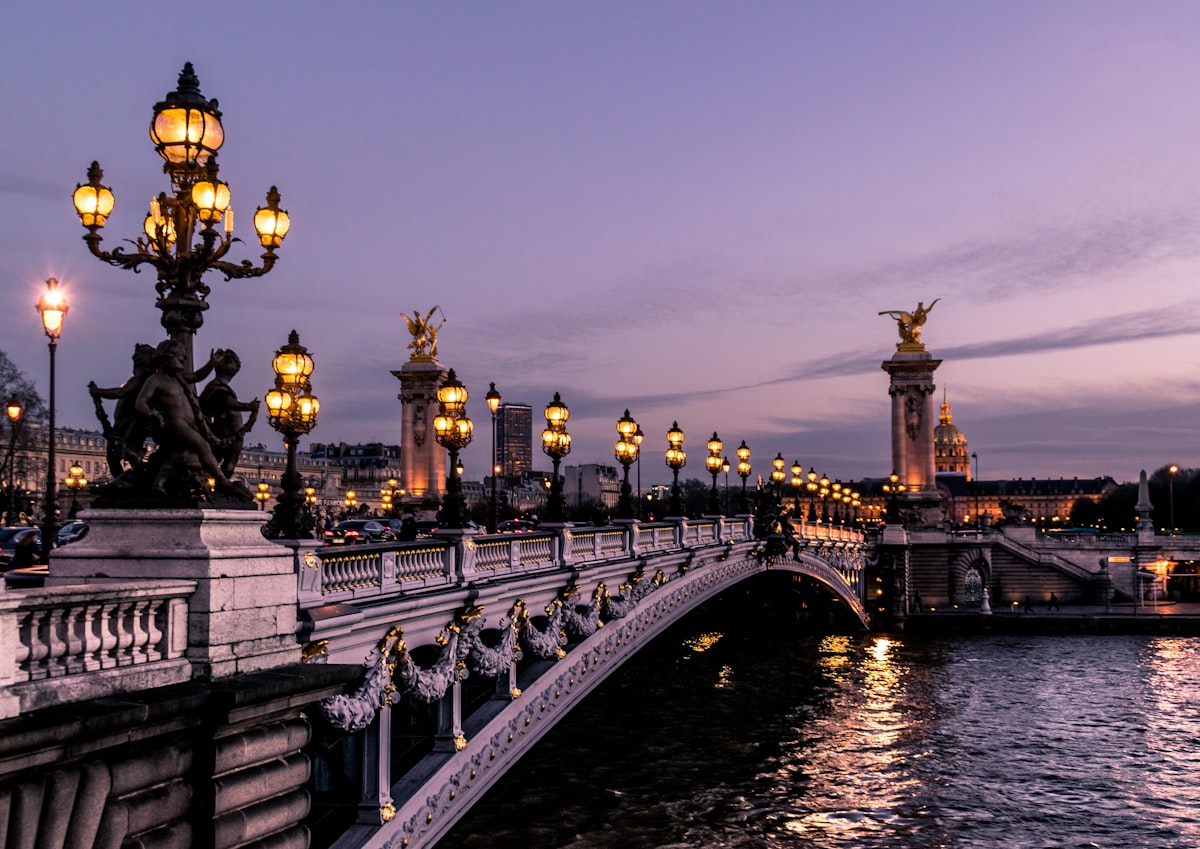
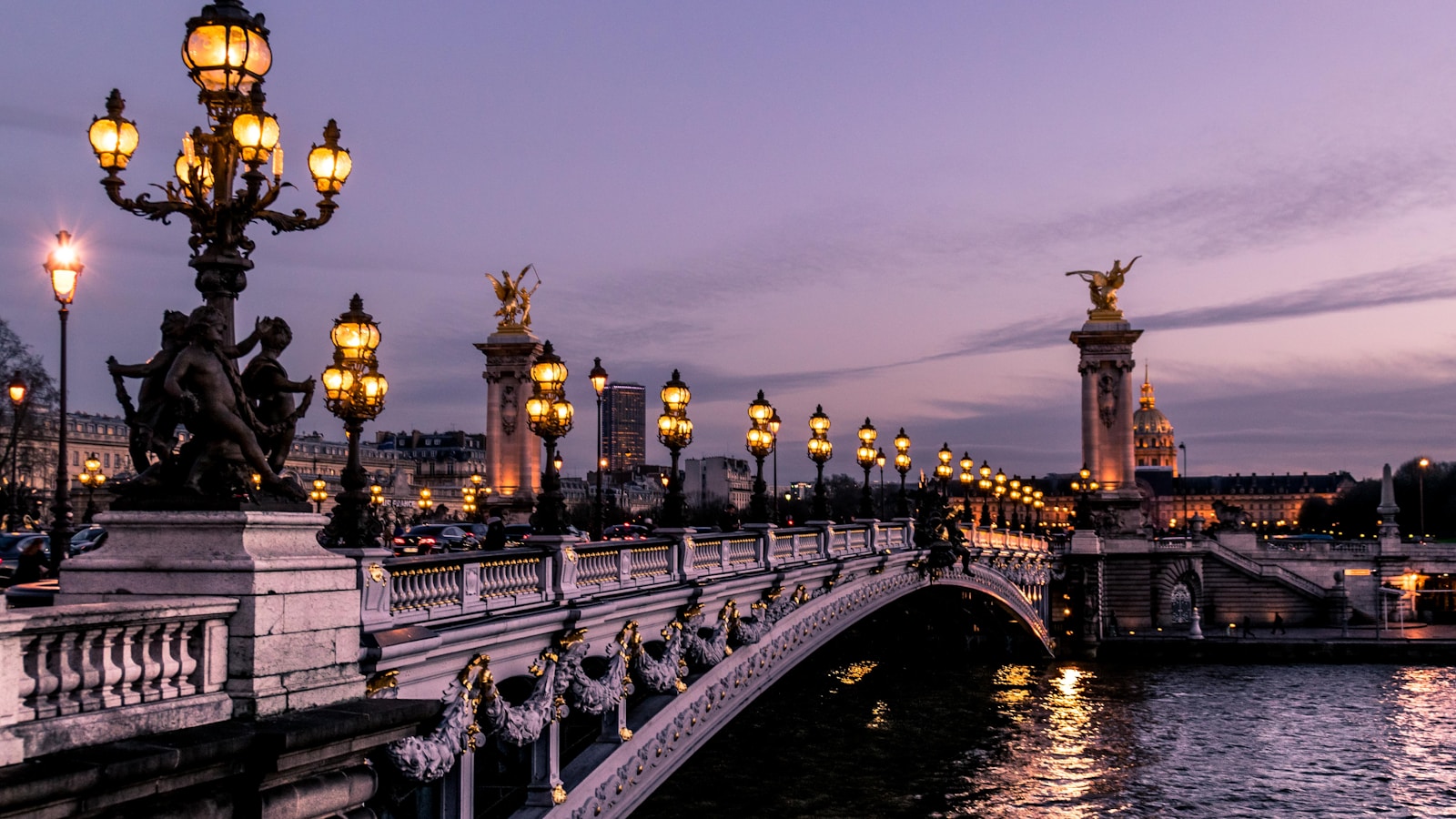
Paris remains the default European introduction for good reason. The city delivers the mental picture most travelers carry before they book: wrought-iron balconies, café terraces, the Eiffel Tower backlit at dusk. That familiarity works in your favor—you arrive with a mental map already sketched, and the metro system fills in the details.
Central arrondissements cluster attractions tightly. You can walk from the Louvre to Notre-Dame in twenty minutes, then cross to the Latin Quarter before lunch. Museums operate on timed-entry systems that let you skip multi-hour lines if you book ahead. English appears on most signage, and restaurant staff in tourist zones default to it without prompting. The infrastructure assumes international visitors, which smooths out the small frictions that can derail a first trip.
Hotel pricing spans a wide range. Budget chains in outer arrondissements start around $90–$130 per night; mid-tier properties near the Marais or Saint-Germain-des-Prés run $180–$280; boutique options in the 1st or 7th can push $350–$500. Booking four to six months out usually yields better rates, especially for spring and fall travel.
Best months: April through June and September through October balance mild weather with manageable crowds. July and August bring heat and peak prices; November through March see shorter daylight and occasional rain, but hotel rates drop significantly.
Who it suits: First-timers who want the iconic European experience without guesswork. Strong option for solo travelers, couples, and anyone prioritizing cultural travel with reliable English support.
Rome: Ancient History in a Modern City
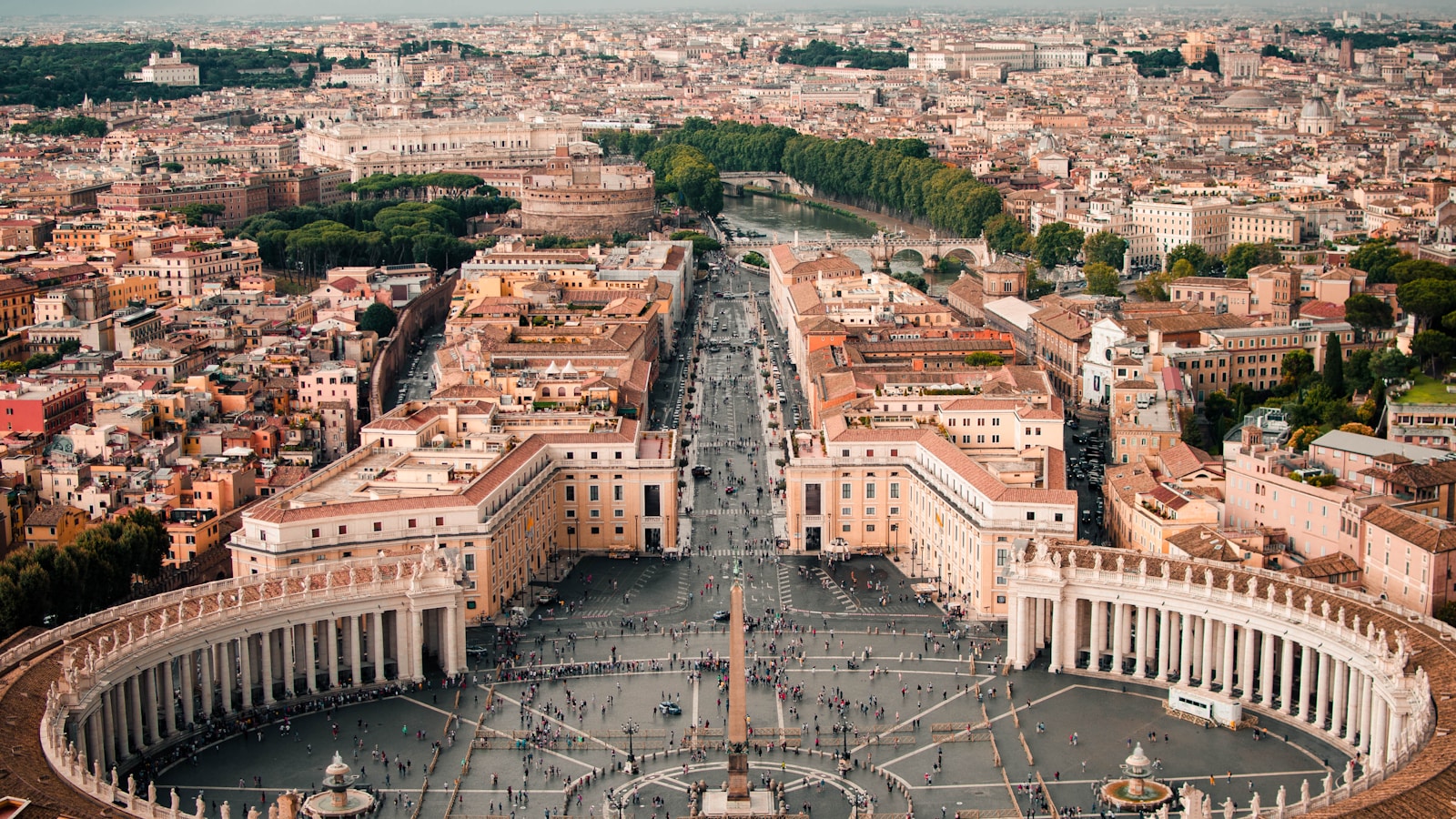
Rome layers two millennia of architecture into a compact historical core. The Colosseum, Roman Forum, and Pantheon sit within walking distance of each other, and the Vatican occupies its own walled enclave just across the Tiber. For first-time visitors drawn to ancient history or Renaissance art, Rome concentrates more marquee sites per square kilometer than almost anywhere else in Europe.
The city’s transit system includes metro, buses, and trams, though many travelers rely on walking through the centro storico. Cobblestone streets and uneven sidewalks mean comfortable shoes matter. English is widely spoken in hotels, restaurants, and ticket offices near major attractions, and most museums offer audio guides or apps in multiple languages.
Summer heat can be intense—July and August often exceed 32°C (90°F)—but indoor attractions like the Vatican Museums and Galleria Borghese provide air-conditioned respite. Advance reservations are essential for both; walk-up entry often means two-hour waits or sold-out time slots.
Hotel pricing: Three-star hotels near Termini station or Testaccio typically range from $110–$170 per night. Mid-range options around Piazza Navona or Trastevere run $190–$300. Luxury properties near the Spanish Steps or Via Veneto start at $400–$600.
Best months: April through early June and mid-September through October offer the best weather-crowd balance. Easter week draws large crowds. November through March see fewer tourists and lower prices, but some outdoor sites close earlier.
Who it suits: History enthusiasts, art lovers, and travelers comfortable with bustling urban environments. Ideal for those who want to pack multiple significant sites into a short trip.
London: English-Language Confidence
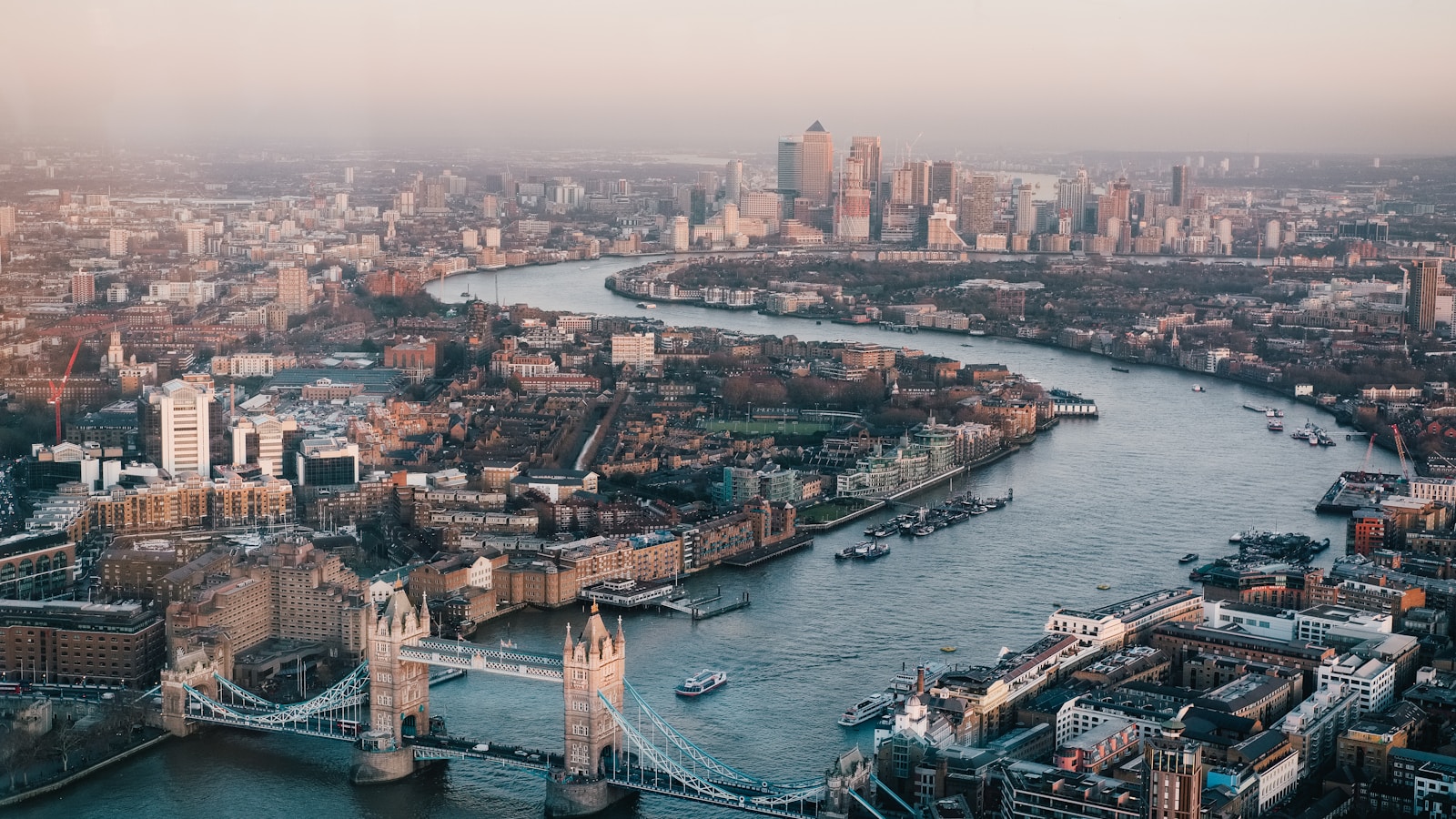
London eliminates the language variable, which matters more than many travelers admit before their first European trip. You can read every menu, ask detailed questions, and handle logistical problems without translation apps. That baseline comfort lets you focus on navigation, budgeting, and sightseeing rather than linguistic survival.
The city sprawls, but the Tube system makes distances manageable. Oyster cards or contactless payment cap daily fares, and most major attractions—Tower of London, British Museum, Westminster Abbey, Tate Modern—cluster along a handful of lines. Free admission to many national museums (British Museum, National Gallery, V&A) helps offset London’s higher cost of living.
Weather is famously unpredictable. Rain gear belongs in your bag year-round, and summer highs rarely exceed 24°C (75°F). Winter daylight is short—sunset comes around 4 p.m. in December—but holiday markets and theater season compensate.
Hotel pricing: Budget options in zones 2–3 (Bayswater, King’s Cross, Southwark) start around $120–$180 per night. Mid-tier hotels in Westminster, Covent Garden, or South Kensington run $220–$350. Central luxury properties often exceed $500.
Best months: May through September offer the longest daylight and warmest temperatures. June through August are peak season with corresponding crowds and prices. April and October provide cooler but still pleasant conditions with fewer tourists. November through March see lower rates but gray skies and early sunsets.
Who it suits: First-time international travelers who want European history and culture without language barriers. Good choice for families, older travelers, and anyone anxious about navigating non-English environments.
Barcelona: Mediterranean Ease and Modernist Architecture
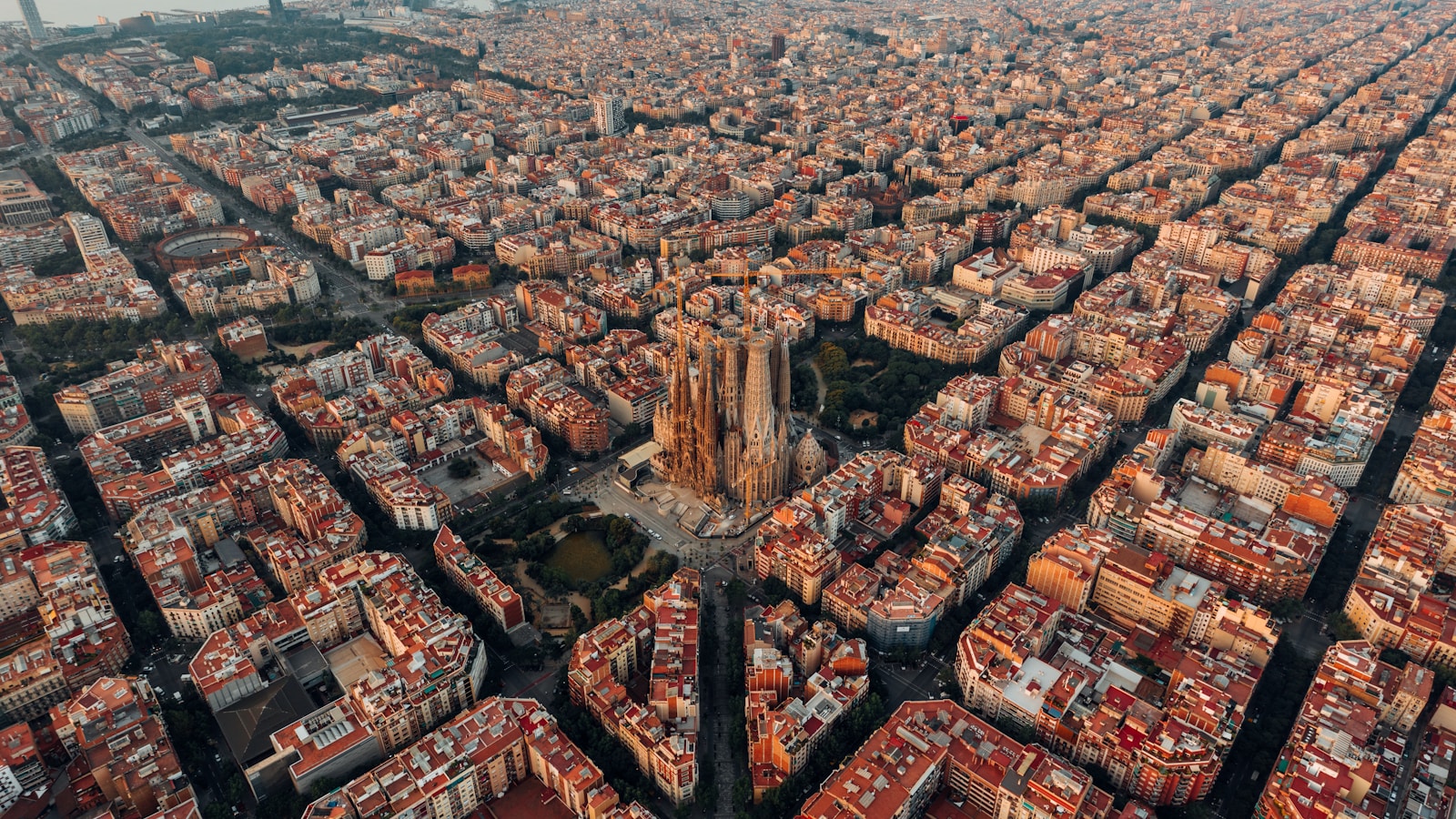
Barcelona blends beach access with urban sightseeing, a combination rare among major European cities. Gaudí’s architecture—Sagrada Família, Park Güell, Casa Batlló—provides instantly recognizable landmarks, while the Gothic Quarter delivers narrow medieval streets and café-lined plazas. The city’s compact size means you can metro to the beach in the morning and explore Montjuïc’s museums by afternoon.
Catalan and Spanish are primary languages, but English is common in tourist areas, hotels, and restaurants along Las Ramblas or the Eixample. Transit is straightforward: metro lines cover most key zones, and the airport train connects to the city center in thirty minutes. Pickpocketing is a known issue in crowded areas and on public transport, so standard precautions—zippered bags, front pockets, awareness—are necessary.
Food culture here is accessible for newcomers. Tapas bars let you sample small plates without committing to full meals, and outdoor seating extends the social part of dining. Markets like La Boqueria offer lunch options and a chance to see local ingredients up close.
Hotel pricing: Budget hotels in Gràcia or near Sants station start around $85–$140 per night. Mid-range properties in the Eixample or Ciutat Vella run $150–$250. Boutique and luxury options near Passeig de Gràcia or the waterfront often reach $300–$500.
Best months: May, June, September, and October deliver warm weather without the peak-summer heat and crowds. July and August are hottest and busiest, with many locals on holiday. November through March are mild by northern European standards, but cooler and less predictable for beach days.
Who it suits: Travelers who want a mix of culture, architecture, and beach time. Strong choice for couples, friend groups, and anyone seeking a more relaxed pace than Rome or Paris.
Amsterdam: Walkable, Canal-Lined, and Compact
Amsterdam fits comfortably into a long weekend, making it ideal for first-timers testing their appetite for European travel. The canal ring forms a legible grid, and most major sites—Rijksmuseum, Van Gogh Museum, Anne Frank House—sit within a thirty-minute walk or short tram ride of each other. The flat terrain and extensive bike infrastructure make cycling an option, though navigating tram tracks and bike lanes requires attention.
English proficiency is exceptionally high; most locals switch to English without hesitation. Timed-entry tickets are mandatory for popular museums, and booking weeks in advance is standard for the Anne Frank House. Crowds peak in tulip season (mid-April through early May), when hotel prices spike and canal-side walkways jam with tour groups.
The city’s compact scale means you’ll cover ground quickly, but also exhaust major sights faster than in Rome or Paris. Many visitors pair Amsterdam with nearby Haarlem, Leiden, or day trips into the countryside to stretch a five- or six-day itinerary.
Hotel pricing: Budget hotels in Amsterdam-Oost or near Vondelpark range from $100–$160 per night. Mid-tier canal-view properties in Jordaan or the Museum Quarter run $180–$280. Luxury hotels along Herengracht or near Dam Square often start at $350.
Best months: April and May for tulips and mild weather, though crowds and prices peak. June through August bring warmest temperatures and long daylight. September and October offer fewer tourists and comfortable conditions. November through March are cold, wet, and dark, but rates drop and holiday markets appear in December.
Who it suits: Travelers prioritizing walkability, art museums, and a manageable first-time experience. Good for solo travelers, couples, and those wanting a quieter introduction to Europe.
Prague: Affordability Meets Central European Charm
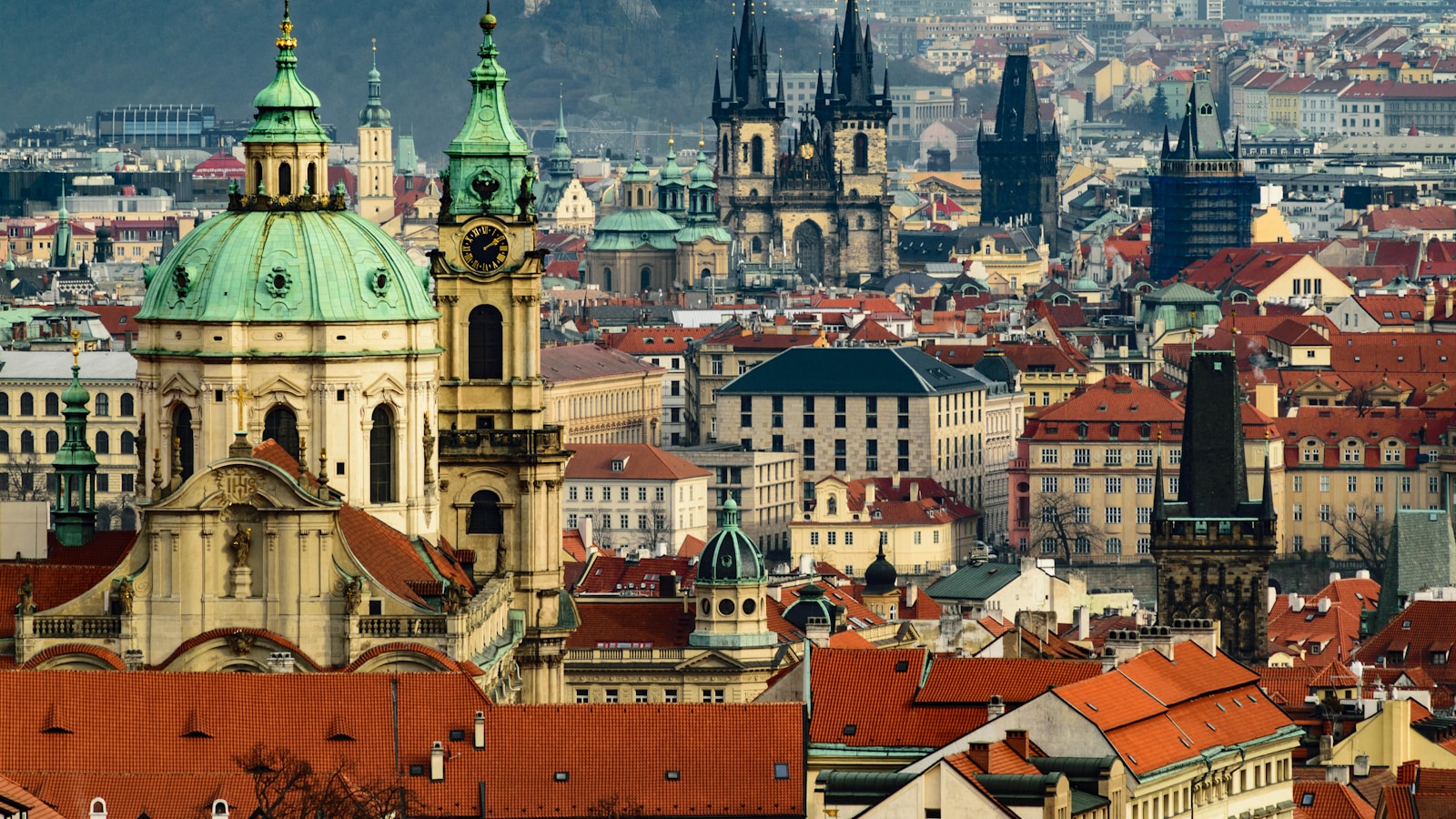
Prague delivers fairy-tale architecture at a fraction of Western European costs. The medieval core survived both world wars largely intact, leaving a skyline of Gothic spires, Baroque domes, and the hilltop castle complex. Charles Bridge, Old Town Square, and the Astronomical Clock pack tightly into a walkable area, and the Vltava River divides the city into clear left- and right-bank districts.
Czech is the local language, but English is widely spoken in hotels, restaurants, and tourist zones. The metro and tram systems are efficient and inexpensive, with day passes costing a few dollars. Pricing across accommodation, meals, and attractions typically runs thirty to fifty percent below Paris, Rome, or London, making Prague attractive for budget-conscious first-timers or those extending a trip without inflating costs.
Summer brings large crowds to Old Town and the castle district, especially midday when river cruises disgorge passengers. Visiting early morning or evening helps, and exploring neighborhoods like Vinohrady or Letná provides breathing room from the tourist core.
Hotel pricing: Budget hotels in Prague 2 or near the main train station start around $60–$100 per night. Mid-range properties in Old Town or Malá Strana run $110–$180. Upscale hotels near Wenceslas Square or along the river reach $220–$350.
Best months: May, June, and September balance pleasant weather with manageable crowds. July and August are warmest but busiest. December offers Christmas markets and festive atmosphere despite cold temperatures. January through March are quietest and cheapest, but expect gray skies and near-freezing temps.
Who it suits: Budget travelers, history enthusiasts, and those seeking Central European culture without Western European prices. Good for longer trips or multi-city itineraries.
Edinburgh: Compact History and Festival Energy
Edinburgh condenses Scottish history into a city center small enough to cross on foot in an hour. The Royal Mile connects Edinburgh Castle to Holyrood Palace, with closes (narrow alleyways) branching off into hidden courtyards and pubs. Calton Hill and Arthur’s Seat offer elevated views without requiring a car or tour bus, and the New Town’s Georgian architecture provides a contrast to the Old Town’s medieval density.
English is the primary language, and the city’s scale means navigation is intuitive even for first-time visitors. August brings the Edinburgh Festival Fringe, the world’s largest arts festival, which transforms the city but also inflates accommodation prices and crowds streets with performers and tourists. Outside festival season, the city operates at a more measured pace.
Weather is cool and changeable year-round. Layered clothing and rain gear are necessary even in summer, when highs reach only 18–20°C (64–68°F). Winter days are short, with sunset around 3:30 p.m. in December, but holiday markets and Hogmanay (New Year) celebrations draw visitors despite the cold.
Hotel pricing: Budget options in Leith or Newington start around $80–$130 per night outside festival season. Mid-range hotels near Waverley Station or Grassmarket run $140–$220. Festival season (August) can double those rates. Luxury properties on Princes Street or in the New Town often exceed $300.
Best months: May, June, and September offer the best balance of weather and manageable crowds. July and especially August bring festivals but also peak prices and packed streets. October through April are quieter and cheaper, but expect cold, wet conditions and limited daylight in winter.
Who it suits: Travelers seeking history, walkability, and English-language ease in a smaller-scale city. Good for those who find London or Paris overwhelming, or who want to combine a Scottish visit with England or Ireland.
Lisbon: Hills, Trams, and Sunlit Tiles
Lisbon’s hills and vintage trams give the city a distinct personality among European capitals. Alfama’s Moorish-influenced alleyways climb steeply from the Tagus River, while Belém’s monuments to the Age of Discovery sprawl along the waterfront. The city feels more laid-back than Barcelona or Paris, with later dinner hours and a focus on outdoor café culture.
Portuguese is the local language, and English proficiency is improving but less universal than in Amsterdam or Scandinavia. Younger hospitality staff and those in tourist-facing roles generally speak English; older residents in traditional neighborhoods may not. Transit includes metro, buses, trams, and funiculars, though hills mean walking can be strenuous. The iconic Tram 28 passes many major sights but is notorious for pickpockets and crushes during peak hours.
Pricing remains lower than most Western European capitals, though the gap has narrowed as tourism has grown. Meals, wine, and accommodation still offer good value, and day trips to Sintra or Cascais are affordable and accessible by train.
Hotel pricing: Budget hotels in Bairro Alto or near Martim Moniz start around $70–$120 per night. Mid-tier options in Chiado or Baixa run $130–$200. Boutique and luxury properties in Príncipe Real or along the river reach $240–$400.
Best months: April through June and September through October deliver warm, sunny weather without peak-summer heat. July and August are hottest and busiest. November through March are mild but rainier, with fewer tourists and lower prices. December’s holiday decorations add charm despite cooler temperatures.
Who it suits: Travelers seeking sun, affordability, and a slower pace. Good for those who’ve already visited major Western European capitals or who prioritize coastal scenery and relaxed dining culture.
How We Chose These Cities
We selected cities based on criteria that matter most to first-time European travelers: accessibility, infrastructure, concentration of significant sights, and ease of navigation. Each destination needed reliable public transit or walkability, English-language support in tourist areas, and a range of accommodation options across budget tiers. We prioritized cities with strong international flight connections and established tourist infrastructure, avoiding destinations that require extensive advance planning or niche cultural knowledge to navigate effectively.
Hotel pricing comes from partner booking data aggregated across multiple seasons and booking windows, presented as typical ranges rather than guarantees. Seasonal guidance reflects general weather patterns and historical crowd levels, recognizing that conditions vary year to year. We excluded cities that primarily appeal to specific interests (skiing, nightlife, beach resorts) in favor of well-rounded destinations that offer multiple types of experiences within a single visit.
This list is not exhaustive. Munich, Vienna, Copenhagen, and Dublin all merit consideration, and the best choice depends on individual interests, budget, and travel style. But the cities covered here consistently deliver what first-time visitors need: a clear entry point into European travel, manageable logistics, and a high density of worthwhile sights within a compact area.
Compare These Destinations
Frequently Asked Questions
How many days should I spend in each city as a first-time visitor?
Plan three to five days per major city to cover key sights without rushing. Paris, Rome, and London benefit from four to five days given their scale and museum density. Amsterdam, Prague, and Edinburgh work well with three to four days. Barcelona and Lisbon fit comfortably into four days, with extra time allowing beach or day-trip options. First-timers often underestimate transit time between attractions and jet lag recovery, so build in buffer days rather than cramming multiple cities into a short window.
What's a realistic daily budget for first-time travelers in these cities?
Budget $100–$150 per person per day for mid-range travel covering accommodation, meals, local transit, and one paid attraction. Western cities like London, Paris, and Amsterdam trend toward the higher end; Prague and Lisbon allow more stretch at the lower end. This excludes flights and splurge experiences. Budget travelers can trim costs by using hostels, grocery meals, and free museums, while luxury preferences can easily double or triple the baseline. Book accommodation and major museum tickets in advance for better rates.
Do I need to speak the local language to visit these cities?
No. English is widely spoken in tourist areas, hotels, and major attractions across all listed cities. London and Edinburgh eliminate the language question entirely. Amsterdam and Scandinavia have exceptionally high English fluency. Paris, Rome, Barcelona, and Prague have strong English support in tourist zones, though less so in residential neighborhoods. Lisbon has improving but less consistent English proficiency. Learning a few basic phrases (hello, thank you, excuse me) shows respect and often improves interactions, but you won't be stranded without fluency.
Should I book hotels in advance or find them on arrival?
Book in advance, especially for travel during April through October, holidays, or festival periods. Rates are typically lower when booked three to six months ahead, and you secure preferred neighborhoods and room types. Last-minute availability exists but often means higher prices or less convenient locations. Edinburgh in August, Paris in June, and Amsterdam during tulip season sell out quickly. Winter travel offers more flexibility, but advance booking still provides peace of mind and better selection for first-time visitors unfamiliar with neighborhoods.
Is it better to visit one city deeply or multiple cities in one trip?
For a first trip of seven to ten days, one or two cities work better than three or more. Transit days consume time and energy, and frequent packing disrupts rhythm. Staying put lets you explore at a natural pace, discover neighborhoods beyond guidebook lists, and recover from long flights. If combining cities, choose geographically close pairs (Paris-Amsterdam, Rome-Florence, Barcelona-Lisbon) and travel by train when possible. Rushing through five countries in ten days produces airport fatigue, not meaningful experiences.
What safety concerns should first-time travelers know about?
Violent crime against tourists is rare in these cities, but pickpocketing and bag theft occur in crowded transit stations, tourist landmarks, and outdoor cafés. Keep valuables in front pockets or zippered bags, stay aware in metro crowds, and avoid displaying expensive electronics conspicuously. Barcelona, Rome, and Paris see the highest rates of petty theft. Scams targeting tourists (friendship bracelet sellers, petition signers, fake charity collectors) are common near major sights; polite refusal and walking away work best. Standard travel caution applies everywhere.