
This three-day Vienna itinerary covers imperial landmarks, classical music heritage, and coffeehouse culture. Designed for first-time visitors seeking iconic sights with efficient routing through the Ringstrasse district and historic center. Mid-range budget averages $650-750 per person including comfortable hotels, museum entries, and traditional meals.
At a Glance
Day 1 — Imperial Vienna & Historic Core
Start at Schönbrunn Palace (opens 8am) to beat crowds at Vienna's most-visited sight. Tour the Grand Imperial Apartments (22-room Imperial Tour €20, or 40-room Grand Tour €26). Arrive right at opening for the best experience. The palace grounds are a 10-minute walk end-to-end; budget 2.5-3 hours total. Take U4 metro back to city center (15 minutes). Minimal walking beyond the palace itself.
Traditional Viennese Beisl (tavern-style restaurant) near Stephansplatz serving schnitzel, tafelspitz, and goulash. Expect €15-22 per person including a beer or wine. These casual spots are everywhere in the Innere Stadt.
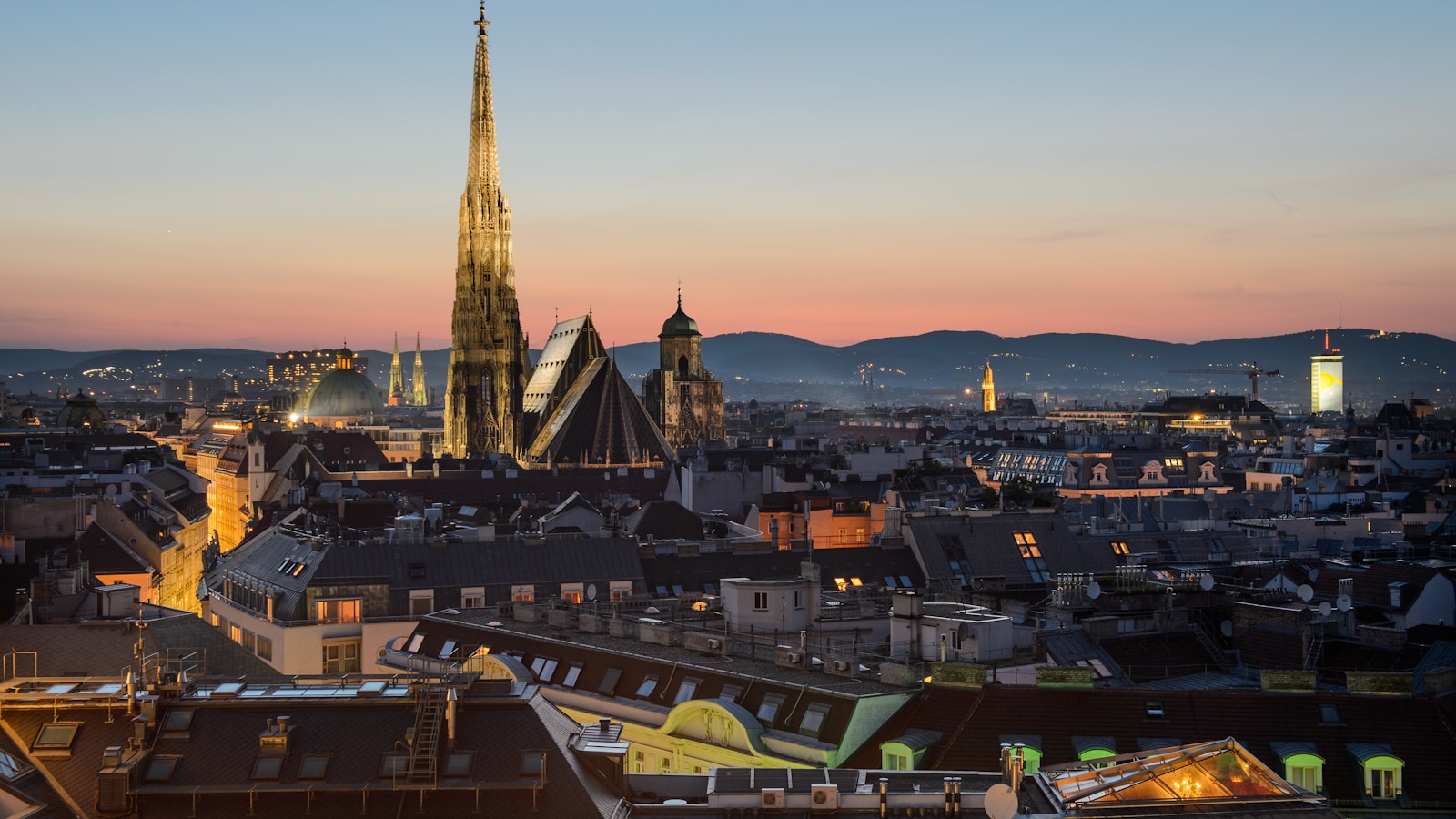
Walk to St. Stephen's Cathedral (free entry, tower climb €6). Explore the Gothic interior, then walk the pedestrian streets of the Innere Stadt to Hofburg Palace. Tour the Imperial Apartments and Sisi Museum (€15, allow 90 minutes). The entire route is compact and walkable within 20 minutes total. Finish at the Spanish Riding School exterior courtyard. Total walking: roughly 1.5 miles over 3 hours.
Early dinner at a traditional Gasthaus near Hofburg (roast pork, dumplings, apple strudel; €20-28). Then attend a classical concert at Musikverein or Konzerthaus (tickets from €35-65 for good seats; book ahead). Alternatively, catch a performance at the Vienna State Opera standing room (€10-15, queue early). Return to hotel by U-Bahn, 10-minute ride.
Stay in the Innere Stadt (1st District) or adjacent Leopoldstadt for walkability to all major sights. Hotels here range €90-160/night mid-range. Central location saves transit time and puts coffeehouses at your doorstep.
Day 2 — Art, Museums & Ringstrasse
Begin at the Kunsthistorisches Museum (opens 10am, €18). Focus on the Picture Gallery with works by Bruegel, Vermeer, and Caravaggio. Allow 2-2.5 hours; the collection is vast but well-organized by floor. The building itself is a masterpiece. Across Maria-Theresien-Platz sits the Natural History Museum if art isn't your preference (same price). Very little walking inside beyond gallery rooms.
Museum café or nearby Museumsquartier courtyard eatery. Casual lunch spots offer salads, sandwiches, and daily specials for €12-18. The MuseumsQuartier has multiple options from quick bites to sit-down bistros in a pleasant public square setting.
Walk through MuseumsQuartier contemporary spaces (free to wander), then stroll the Ringstrasse boulevard past the Parliament, Rathaus, Burgtheater, and University. This grand 19th-century boulevard showcases Vienna's imperial architecture. Tram line 1 or 2 circles the entire Ring if feet tire (€2.40 single ticket). End at Stadtpark to see the gilded Johann Strauss monument. Total: 2-2.5 miles walking or tram-assisted.
Dinner at a modern Austrian restaurant in the Freihausviertel or Naschmarkt area (contemporary takes on classics, €22-32). Afterward, explore Naschmarkt's evening bar scene or return to Innere Stadt for a leisurely coffeehouse experience at a historic café (Sacher, Central, or Landtmann; coffee and cake €10-14). Wind down with a nightcap at a wine tavern.
Same Innere Stadt base. Staying put eliminates hotel changes and maximizes sightseeing time. The compact city center keeps everything within a 20-minute walk or short metro ride. Three-night stays often yield better rates.
Day 3 — Belvedere Palace & Local Flavor
Visit Belvedere Palace complex (Upper Belvedere opens 9am, €17.50). See Klimt's 'The Kiss' and the world's largest Klimt collection plus Schiele works. The Baroque palace and manicured gardens offer excellent photos. Allow 2 hours for Upper Belvedere; skip Lower Belvedere unless time permits. Tram D from Ring takes 10 minutes. Gardens are free to walk and worth 30 minutes.
Local neighborhood Gasthaus in the 3rd or 4th district near Belvedere. Authentic daily lunch menus (Mittagsmenü) run €11-16 for soup, main, and sometimes dessert. Less touristy than Innere Stadt with better value and local atmosphere.
Return to city center via tram. Explore Graben and Kohlmarkt shopping streets, then visit the Albertina Museum (€16.90) for its graphics collection and special exhibitions. Alternatively, take a leisurely walk through Stadtpark and along the Danube Canal street art section. If shopping interests you, Mariahilfer Strasse offers mainstream and local boutiques. Flexible afternoon based on energy levels and interests.
Final dinner at a heuriger (wine tavern) in Grinzing if you can reach it (bus 38A, 30 minutes), or a central wine bar serving Austrian wines with charcuterie platters (€18-28). Enjoy a last Sachertorte at a historic coffeehouse. Evening stroll through illuminated Innere Stadt streets before departure preparations. Most visitors fly out next morning, so keep this evening relaxed and close to hotel.
Same central location for final night. Early morning airport access via CAT (City Airport Train, 16 minutes, €12) or S7 train (25 minutes, €4.40) both depart from Wien Mitte station, easily reachable from 1st District hotels.
Where to Stay
Budget-conscious travelers should consider Leopoldstadt (2nd District) just across the Danube Canal, offering chain hotels and guesthouses from €70-95/night with excellent U-Bahn connections to Stephansplatz in 5 minutes. Mid-range visitors will find the best value around Schottenring or Schwedenplatz areas at €110-160/night for three-star comfort with breakfast, still within the broader center and walkable to major sights. Luxury seekers staying in the heart of Innere Stadt near Graben or Kärntner Strasse pay €200-350/night for historic properties and five-star service, placing you steps from everything with concierge assistance and exceptional breakfasts included.
What to Skip
The Giant Ferris Wheel (Riesenrad) at Prater is iconic but overpriced at €13.50 for a slow 20-minute ride with underwhelming views. Skip the touristy dinner-and-concert packages heavily marketed near St. Stephen's; they're overpriced (€55-85) for mediocre food and average musicians in period costumes. The Madame Tussauds wax museum wastes time better spent at world-class art collections. Hotel Sacher's original Sachertorte is fine but not worth an hour queue; dozens of excellent pastry shops serve comparable versions. Skip the hop-on-hop-off bus tours when Vienna's affordable, efficient trams cover the same Ring route for €2.40 and mix you with locals.
Budget Breakdown (Per Person)
Pricing reflects partner data and traveler review patterns. Actual costs vary by season, currency, and category. Flights not included.
Map of the Itinerary
This itinerary uses Vienna's compact historic center as a hub. Day one moves from western Schönbrunn inward to the Innere Stadt core. Day two circles the Ringstrasse museums and monuments in a western loop from Kunsthistorisches through MuseumsQuartier. Day three heads southeast to Belvedere, then returns to the center for final explorations. Everything connects via the U-Bahn's U1, U2, U3, and U4 lines converging at Karlsplatz and Stephansplatz, or the circular tram lines 1 and 2. Total area covered is roughly 3x2 miles, highly walkable with strategic transit use.
Frequently Asked Questions
Do I need to book Schönbrunn Palace and museums in advance?
Schönbrunn benefits from advance online tickets during peak season (April-October) to skip ticket hall lines, though you'll still queue for entry. Book 2-3 days ahead for €1-2 online fee. Major museums like Kunsthistorisches rarely have significant waits except Saturday mornings. The Belvedere can get crowded midday on weekends, so morning visits work best. Opera and concert tickets absolutely require advance booking, often 2-4 weeks ahead for decent seats and prices. Standing room is same-day only.
Is the Vienna Pass worth buying for this itinerary?
Probably not for first-timers doing this route. The Vienna Pass costs around €80 for three days and includes attractions plus hop-on-hop-off buses. You'd visit roughly €75-85 in paid sights (Schönbrunn, Hofburg, Kunsthistorisches, Belvedere, cathedral tower) without needing the bus since everything clusters centrally. The pass makes sense if you're adding the zoo, multiple Hofburg museums, and outlying palaces. Individual tickets offer more flexibility and you won't feel pressured to overpack days justifying the pass cost.
What's the best way to get from the airport to the city center?
The CAT (City Airport Train) reaches Wien Mitte station in 16 minutes for €12 one-way, €21 roundtrip, running every 30 minutes. It's fast but serves only one station. The S7 S-Bahn train costs €4.40, takes 25 minutes to Wien Mitte with stops at Rennweg and Praterstern, and runs every 30 minutes. For hotels near Stephansplatz or Schwedenplatz, take S7 to Wien Mitte then U3/U4 metro (included in the €4.40 ticket). Taxis run €35-45 fixed fare and take 20-30 minutes depending on traffic.
How much should I budget daily for food beyond what's listed?
This itinerary budgets €45-55 daily for mid-range eating: €5-8 breakfast (coffee and pastry, often included in hotels), €15-22 lunch at a Beisl or casual spot, €20-30 dinner at traditional restaurants, plus €10-14 for afternoon coffee and cake. Budget travelers can reduce to €30-35 by using bakeries for breakfast (€4), lunch specials and takeaway (€10-12), supermarkets for snacks, and simpler dinner spots. Adding wine or cocktails pushes daily costs toward €65-75. Naschmarkt has affordable lunch stalls worth exploring.
Can I see everything on this itinerary without speaking German?
Absolutely. Vienna's tourism infrastructure operates seamlessly in English at all major sights, hotels, and restaurants in central districts. Museum signage, audio guides, and ticket systems offer English options. Younger service staff and anyone in tourism speak excellent English. Learning basic German courtesies (Guten Tag, Danke, Bitte) is appreciated but unnecessary for navigation. Menus in the Innere Stadt always include English or have picture menus. The U-Bahn system uses clear signage and announcements. Google Maps works perfectly for navigation and transit directions throughout the city.