



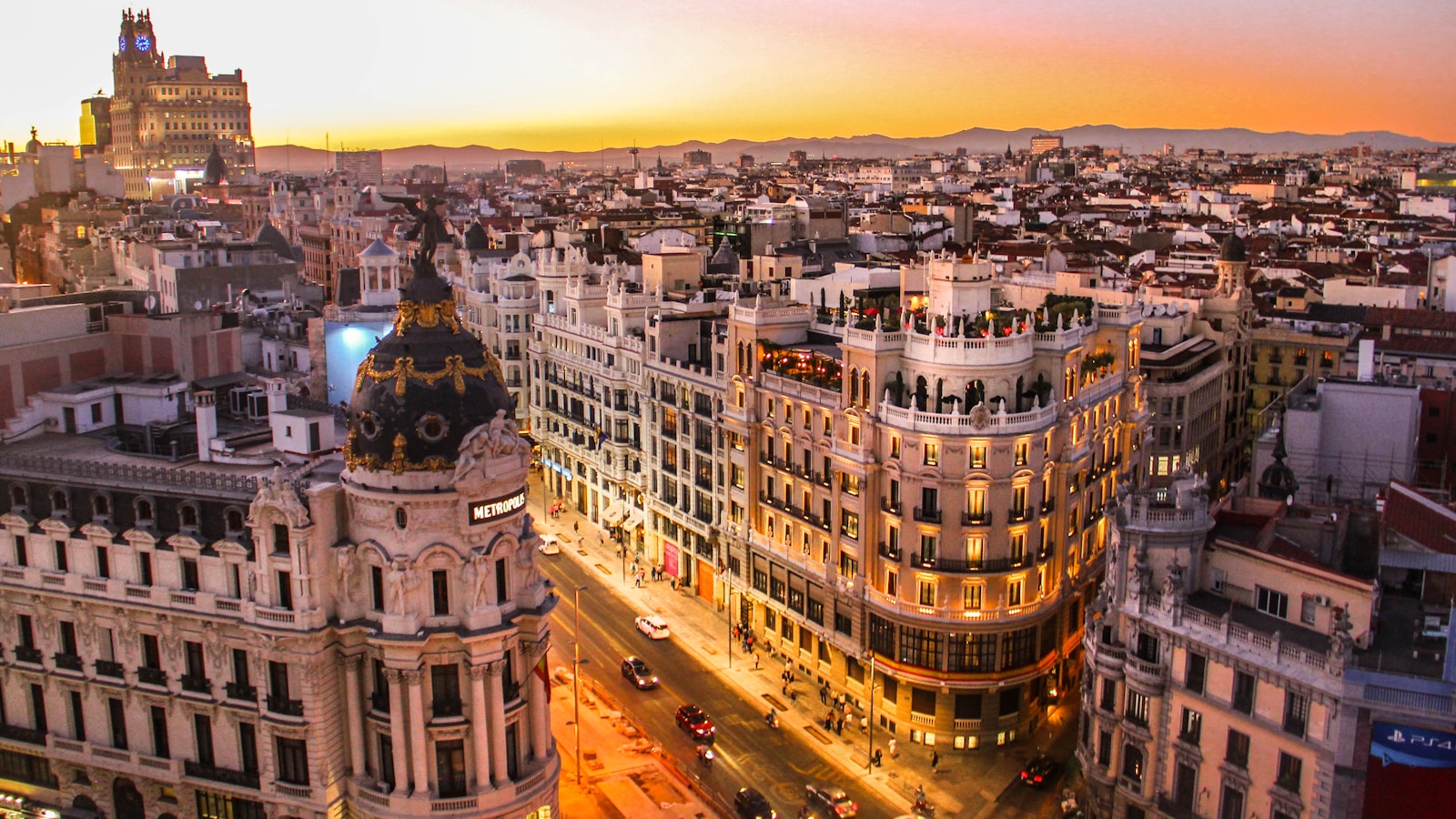
This three-day Madrid itinerary covers the essential sights for first-timers: Royal Palace, Prado Museum, Retiro Park, and historic neighborhoods. Designed for efficient walking routes through central Madrid with mid-range dining and iconic experiences. Expect to spend $550-750 per person including hotels, meals, attractions, and local transit.
At a Glance
Day 1 — Royal Madrid & Historic Center
Start at the Royal Palace (Palacio Real) when it opens at 10am to beat crowds. Entry is $15 with optional armory access. The palace tour takes 90-120 minutes through opulent state rooms. Walk 10 minutes east through Plaza de Oriente to the nearby Almudena Cathedral (free entry, $7 for museum/dome). The cathedral sits directly beside the palace and offers rooftop views. Total morning walking: 1.5 miles, mostly flat.
Grab lunch at a traditional Spanish tavern (taberna) near Plaza Mayor. Expect $15-22 for a menú del día with two courses, bread, and wine. Look for spots one block off the main square for better value.
Explore Plaza Mayor (free), then walk 5 minutes to the bustling Mercado de San Miguel for browsing ($8-12 for tapas samples). Continue to Puerta del Sol, Madrid's geographic center. Walk west through the literary quarter (Barrio de las Letras) toward the Golden Triangle museums. End at Thyssen-Bornemisza Museum if art interests you ($14 entry) or save energy for tomorrow. Afternoon walking: 2 miles.
Dinner in La Latina neighborhood at a casual Spanish restaurant with shared plates ($25-35 per person). Afterward, bar-hop through Cava Baja street for vermouth or wine ($4-6 per drink). This neighborhood has authentic atmosphere without tourist-trap pricing. Most venues stay open until midnight or later on weekends.
Stay in Sol or Gran Vía area for maximum convenience. You'll be central to everything, near Metro connections, and able to walk to most major sights. Hotels here range $80-150 per night mid-range.
Day 2 — Art & Parks
Arrive at the Prado Museum when doors open at 10am. Entry is $18 (free last two hours on weekdays but extremely crowded). Focus on Spanish masters: Velázquez, Goya, El Greco. Plan 2.5-3 hours minimum. The museum is vast, so grab a floor plan and prioritize key galleries. Queue early or book tickets online to avoid 30-45 minute waits. Minimal walking inside but lots of standing.
Find a casual restaurant along Paseo del Prado or in nearby Huertas neighborhood. Mid-range bistros and cafes offer $16-24 lunch menus. Outdoor seating is common in good weather.
Walk 10 minutes east to Retiro Park, Madrid's green lung. Enter at Puerta de Felipe IV. Rent a rowboat on the lake ($6 for 45 minutes) or simply stroll past the Crystal Palace (free entry, often has exhibitions). Visit the rose garden and fountains. The park covers 350 acres but the main sights cluster near the lake. Spend 2-3 hours relaxing. Walking: 2-3 miles at leisure pace.
Head to Salamanca neighborhood for upscale-casual dining ($30-45 per person at contemporary Spanish restaurants). After dinner, catch a flamenco show in a tablao venue ($35-50 including one drink). Shows start around 9pm or 10:30pm. Book ahead for better seats. Authentic flamenco is worth the splurge on a Madrid trip.
Same hotel as Day 1. Staying put saves time and hassle. The central location remains ideal for Day 3 activities in different directions from your base.
Day 3 — Museums & Modern Madrid
Visit Reina Sofía Museum (modern art) at opening, 10am. Entry $12, free certain evenings but crowded. Picasso's Guernica is the centerpiece. The museum covers Spanish art from 1900 onward across multiple buildings. Two hours covers highlights. Alternatively, if art fatigue sets in, explore Rastro flea market (Sundays only, free) or walk through Malasaña neighborhood's vintage shops and street art. Morning walking: 1 mile.
Try a modern tapas bar or international cafe in Malasaña or Chueca neighborhoods. Expect $18-26 for creative small plates and drinks. These areas offer younger, trendier dining than historic center.
Ride the Teleférico cable car from Parque del Oeste ($6 round-trip) for aerial city views, then explore Temple of Debod, an authentic Egyptian temple (free entry). Arrive 90 minutes before sunset for golden-hour photos over Casa de Campo park. Alternatively, visit CaixaForum art space (free/low-cost exhibitions) and its vertical garden. Total afternoon walking: 1.5 miles. Save energy for evening.
Final dinner in Chueca or Gran Vía area at a mid-range Spanish or fusion restaurant ($28-40 per person). End with rooftop drinks at a hotel bar or azotea venue ($10-15 per cocktail) overlooking Plaza de España or Cibeles fountain. Sunset views around 9pm in summer, earlier in spring/fall. Perfect finale before departure.
Same central hotel. Check out morning of Day 4. The Metro connects easily to airport (Barajas) via Line 8 in 30-40 minutes for $5-6 including airport supplement.
Where to Stay
Budget: Hostels and budget hotels in Lavapiés or near Atocha station run $50-70 per night for doubles. The area is grittier but well-connected by Metro, 15 minutes walk to major sights. Mid-range: Sol, Gran Vía, or Chueca neighborhoods offer $100-150 three-star hotels with modern amenities, walkable to everything, and frequent Metro access. Best value-to-location ratio for first-timers. Luxury: Salamanca district or hotels near Retiro Park start at $220+ per night with classic Spanish elegance, quiet streets, and upscale dining nearby. Barrio Salamanca is Madrid's most refined residential quarter, though 20 minutes walk from the Royal Palace.
What to Skip
Casa de Campo amusement park: Far from center, outdated rides, better parks exist elsewhere. Flamenco at tourist restaurants in Sol: Overpriced, mediocre performances. Dedicated flamenco tablaos offer authentic shows. Hop-on-hop-off buses: Madrid's compact center is walkable, Metro is faster and cheaper. Chocolatería San Ginés at peak hours: The famous churros spot has 45-minute waits; neighborhood bakeries serve equal quality. Santiago Bernabéu Stadium tour unless you're a serious football fan: Generic stadium experience at $25+.
Budget Breakdown (Per Person)
Pricing reflects partner data and traveler review patterns. Actual costs vary by season, currency, and category. Flights not included.
Map of the Itinerary
This itinerary works in concentric circles from central Madrid. Day 1 anchors you in the western historic core around the Royal Palace, then moves east through Sol to La Latina. Day 2 shifts to the eastern museum corridor (Prado) and Retiro Park in a straight line along Paseo del Prado. Day 3 explores northern and western zones (Malasaña, Chueca, Parque del Oeste) accessible by short Metro rides or 20-minute walks. Everything connects via Gran Vía, Madrid's main east-west artery. Maximum daily walking is 3 miles with Metro backup options.
Frequently Asked Questions
Do I need to book Prado Museum tickets in advance?
Highly recommended, especially March through October. Online tickets ($18) let you skip ticket queues that reach 45+ minutes midday. Book 1-2 weeks ahead for weekend visits. The free evening slots (Monday-Saturday 6-8pm, Sunday 5-7pm) get swamped and you'll queue regardless. Morning entry right at 10am offers the best crowd-to-planning ratio if you buy ahead.
What's the best transport option from Madrid airport to the city center?
Metro Line 8 costs $5-6 including the airport supplement and takes 35-40 minutes to Sol or Gran Vía with one transfer. Runs 6am to 1:30am. The Airport Express bus (Línea Exprés) is $5, takes 40 minutes to Atocha, runs 24 hours. Taxis run fixed $30 to central Madrid, taking 25-35 minutes depending on traffic. Metro offers best value for solo travelers; taxis make sense for groups of three or more.
Is a Madrid tourist pass worth buying for three days?
Probably not. The Madrid City Card costs around $70-80 for three days and includes museum entry plus transit. But you'll only visit 2-3 major museums ($45 worth), and a 3-day transit pass is $17. You'd need to visit 5+ attractions to break even. Buy individual tickets and a multi-day Metro pass instead unless you plan museum-heavy days at lesser sites.
When should I eat dinner to experience local dining culture?
Madrileños eat late. Lunch runs 2-4pm, dinner starts 9-10pm or later, especially on weekends. Restaurants open for tourists around 7:30pm but feel empty until 9pm. If eating at 10pm feels too late, compromise at 8:30-9pm when both tourists and early locals overlap. Traditional taverns are more flexible with timing than upscale restaurants which run strict seating times.
How much should I budget for a real flamenco show?
Authentic tablao venues charge $35-60 per person including one drink. Shows last 60-75 minutes with 3-4 performers. Dinner packages run $75-100 but restaurant quality varies. Skip the $25 bar-restaurant shows in Sol, which feature amateur dancers. Book directly or through hotel concierge. Cardamomo, Corral de la Morería, and Casa Patas are established venues. Thursday-Saturday shows have better energy than weeknight performances.