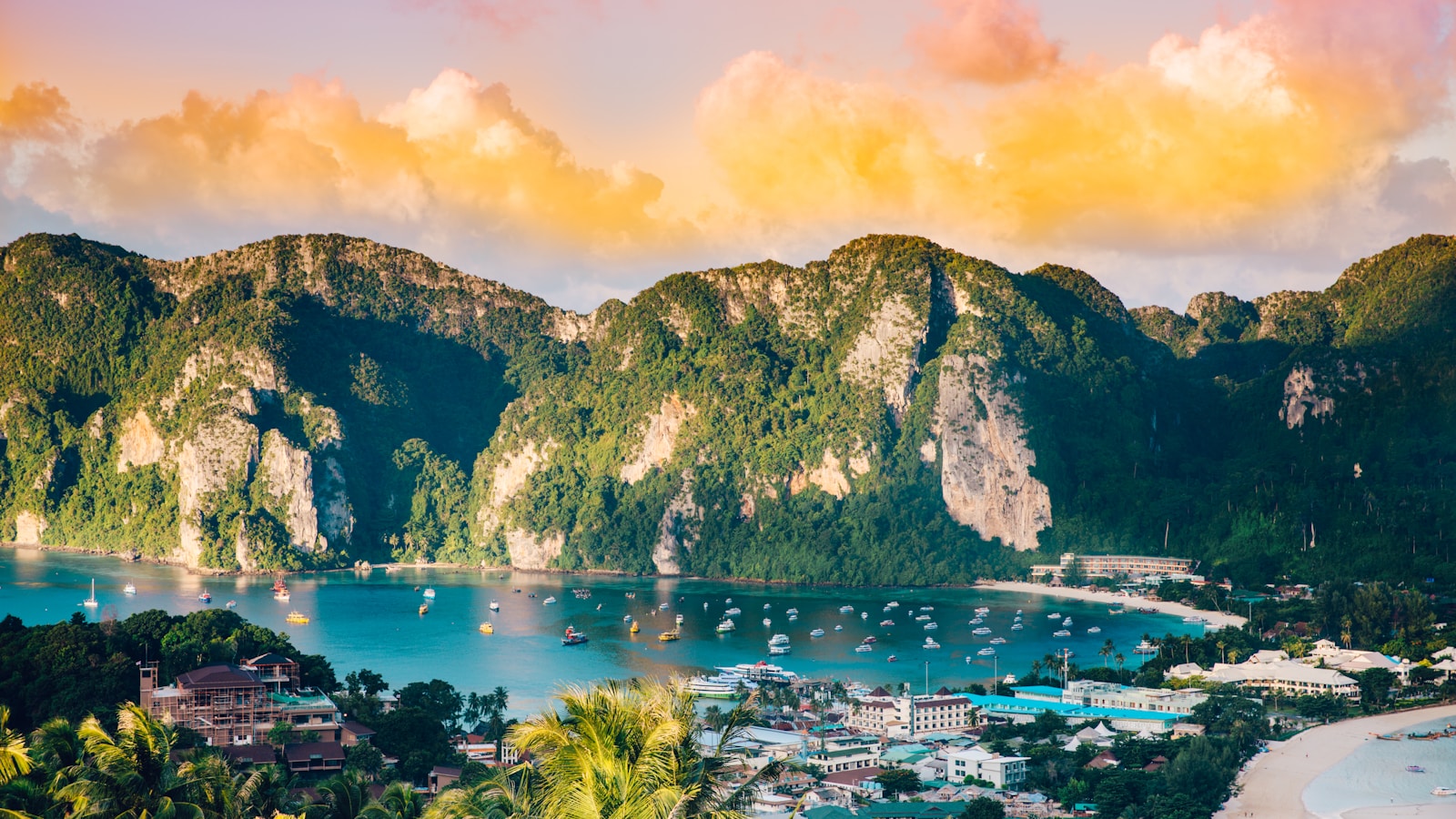
This Hong Kong itinerary covers Victoria Peak, Star Ferry, traditional temples, bustling markets, and authentic dim sum across three efficient days. Designed for first-time visitors seeking iconic sights without excessive walking or luxury pricing. Budget: $500-650 per person; mid-range: $750-900 total excluding flights.
At a Glance
Day 1 — Harbor Icons & Central District
Start at Victoria Peak via the historic Peak Tram ($14 round-trip). Arrive early (8am) to beat crowds and photograph the skyline in clear morning light. The observation deck offers 360-degree views of the harbor, skyscrapers, and outlying islands. Walk the Peak Circle Walk (45 minutes, easy loop) for different vantage points. Descend by 11:30am to explore Central's colonial architecture including the Former Legislative Council Building and HSBC headquarters. Total walking: moderate, mostly flat after tram ride.
Traditional Cantonese dim sum restaurant in Central district. Expect har gow, siu mai, and char siu bao. Budget $12-18 per person. Look for spots with trolley service for an authentic experience.
Take the iconic Star Ferry from Central to Tsim Sha Tsui ($0.40, 8 minutes). Explore the Tsim Sha Tsui waterfront promenade, then visit the Hong Kong Museum of History ($7, closed Wednesdays). The museum's Hong Kong Story exhibition covers 400 million years through British handover. Alternatively, browse luxury shops on Canton Road or visit Avenue of Stars for Bruce Lee statue and harbor views. Light walking, all flat terrain.
Dinner at a dai pai dong-style Cantonese restaurant in Jordan or Tsim Sha Tsui ($15-25). Try clay pot rice, stir-fried noodles, or seafood dishes. Walk to the Tsim Sha Tsui waterfront by 8pm for the Symphony of Lights show (free, 13 minutes), a synchronized light display across harbor skyscrapers. End with drinks at a rooftop bar overlooking the harbor ($10-15 per drink) or stroll Temple Street Night Market (free entry).
Stay in Tsim Sha Tsui for central location with MTR access, harbor views, and walkability to restaurants. Excellent transport links to all major attractions. Mid-range hotels run $90-140 per night.
Day 2 — Markets, Temples & Lantau Island
Take the MTR and Ngong Ping 360 cable car to Lantau Island (round-trip $25). The 25-minute cable car ride offers views of the airport and South China Sea. Visit the Big Buddha (Tian Tan Buddha, free entry) and Po Lin Monastery. Climb 268 steps to the Buddha statue base. Explore the vegetarian restaurant at the monastery or grab snacks. Return via cable car by noon. Moderate walking with significant stairs.
Casual noodle shop or congee restaurant in Mong Kok district ($8-12). Try wonton noodles, fish ball noodles, or century egg congee. Fast service, authentic local atmosphere.
Explore Mong Kok's Ladies Market (free entry, noon-6pm daily). Browse clothing, accessories, and souvenirs across dozens of stalls. Practice bargaining skills. Walk to nearby Flower Market Road and Goldfish Market (both free). Visit Wong Tai Sin Temple ($2 donation suggested), an active Taoist temple where locals pray and practice fortune-telling. The colorful architecture and incense smoke create atmospheric photos. Expect crowds and moderate walking.
Dinner in Mong Kok at a Hong Kong-style cafe (cha chaan teng) serving fusion comfort food like baked pork chop rice, French toast, or milk tea ($10-16). Take the MTR to Central and ride the Mid-Levels Escalator (free), the world's longest outdoor covered escalator system. Walk through SoHo neighborhood browsing galleries and bars. End at a cocktail bar in Lan Kwai Fong ($12-20 per drink) or return to hotel by 10pm.
Continue in Tsim Sha Tsui or switch to Central/Sheung Wan for a different neighborhood vibe. Central offers nightlife and business district energy. Both areas have excellent MTR connections.
Day 3 — Island Heritage & Departure Prep
Take the MTR to Sheung Wan and explore the Western Market building (free, built 1906). Walk through the incense-filled Man Mo Temple ($2 donation, dedicated to literature and war gods). Stroll Hollywood Road antique shops and Upper Lascar Row (Cat Street) flea market for souvenirs. Ride the historic tram along the north shore ($0.30, board at Des Voeux Road) to Causeway Bay. The double-decker tram offers street-level city views. Moderate walking, some hills.
Food court or casual restaurant in Causeway Bay ($10-15). Try roast goose, BBQ pork over rice, or Hong Kong-style milk tea and pineapple buns. Times Square mall has multiple options.
Shop in Causeway Bay at Times Square, Hysan Place, or SOGO department store. Visit Victoria Park (free) if you need greenspace. Alternative: take the tram to North Point and explore the local markets and cooked food centers for authentic neighborhood atmosphere. If departing evening, return to hotel by 4pm to collect luggage. Take the Airport Express train ($12, 24 minutes from Hong Kong station) for efficient airport transfer.
If time permits before departure, grab takeaway roast meat or egg tarts from a shop near your hotel ($8-12). Airport Express stations connect from Hong Kong and Kowloon stations. Arrive at Hong Kong International Airport 3 hours before international flights. The airport offers shopping, dining, and rest areas. Budget travelers can eat at airport food courts ($10-15) before departure.
Same hotel as previous nights for convenience, or if early departure, consider a Tung Chung hotel near Airport Express for easier morning access to the airport.
Where to Stay
Budget: Yau Ma Tei or Mong Kok guesthouses and 3-star hotels offer double rooms at $50-75 per night with MTR access, though rooms are compact. The neighborhood is authentic with night markets and local eateries within walking distance. Mid-range: Tsim Sha Tsui 4-star hotels ($90-140) provide harbor views, rooftop pools, and proximity to Star Ferry, museums, and shopping. Modern amenities with English-speaking staff. Luxury: Central or Admiralty 5-star properties ($250-400) feature full-service spas, multiple restaurants, and direct connections to IFC Mall and MTR. Harbor-view rooms command premium rates but deliver iconic skyline panoramas.
What to Skip
The Peak Tower's Madame Tussauds wax museum ($30) offers little unique value when the real attraction is the outdoor view deck. Skip Victoria Harbour dinner cruises ($60-120) which provide mediocre food and views better seen for free from the waterfront or Star Ferry. Avoid Tiger Balm Garden (Haw Par Mansion), now mostly closed with limited access and outdated exhibits. The Ngong Ping 360 Crystal Cabin upgrade ($10 extra) adds minimal value over standard cabins. Ladies Market souvenir shops charge inflated prices; the same items cost less in Sham Shui Po or online.
Budget Breakdown (Per Person)
Pricing reflects partner data and traveler review patterns. Actual costs vary by season, currency, and category. Flights not included.
Map of the Itinerary
This itinerary follows a logical harbor-crossing pattern. Day 1 moves from Hong Kong Island's Central district across Victoria Harbour to Kowloon's Tsim Sha Tsui waterfront. Day 2 ventures west to Lantau Island, then northeast to Mong Kok markets, minimizing backtracking via MTR. Day 3 explores Hong Kong Island's western heritage sites (Sheung Wan) before moving east to Causeway Bay shopping, ending near Airport Express stations for departure. The routing uses Star Ferry, MTR, cable car, and trams to experience multiple transit modes while maintaining efficiency.
Frequently Asked Questions
Do I need to speak Cantonese to navigate Hong Kong?
English signage appears throughout MTR stations, major attractions, and tourist areas. Most hotel staff, museum workers, and younger Hong Kong residents speak functional English. Restaurant menus in Central and Tsim Sha Tsui typically include English translations. Learning basic Cantonese phrases helps in local markets and neighborhood eateries in Mong Kok or North Point. The Octopus card and MTR smartphone apps eliminate language barriers for transit. Translation apps assist with reading traditional Chinese characters on menus.
Is the Octopus card worth buying for a 3-day visit?
Yes, the refundable Octopus card ($20 deposit plus initial value) works on MTR, buses, trams, Star Ferry, and Ngong Ping cable car. It saves time versus buying individual tickets and offers slight discounts on MTR fares. The card also works at 7-Eleven, Welcome supermarkets, and many restaurants for cashless payments. Return the card at MTR customer service centers before departure to reclaim your deposit and unused balance (minus $1.20 service fee if held under 90 days). Load additional value at any MTR station.
What should I do if air quality is poor during my visit?
Hong Kong's Air Quality Health Index reports hourly on government websites and apps. On high-pollution days, shift outdoor activities like Peak Circle Walk or Victoria Park to early morning when air is clearest. Spend more time in air-conditioned museums, shopping malls, or indoor markets. The MTR and most attractions maintain filtered air. The Symphony of Lights remains visible even in moderate haze. Consider N95 masks if you have respiratory sensitivities. Winter months generally offer better air quality than humid summer periods when pollution stagnates.
Can I fit Disneyland or Ocean Park into this itinerary?
Adding either theme park requires sacrificing a full day from this itinerary. Ocean Park ($60 admission, 6-8 hours) would replace Day 2's Lantau and market visit. Hong Kong Disneyland ($80, 6-8 hours) sits near the airport, accessible via dedicated MTR line. For a 3-day first visit, prioritize the cultural and urban experiences in this itinerary that define Hong Kong's unique character. Theme parks suit longer stays or return visits, particularly for travelers with children seeking familiar entertainment over local exploration.
How do I handle currency and payments during the trip?
Hong Kong uses the Hong Kong Dollar (HKD), roughly 7.8 HKD to 1 USD. Major hotels, malls, and restaurants accept Visa and Mastercard, though small eateries and market stalls require cash. ATMs are abundant in MTR stations and 7-Eleven stores with reasonable withdrawal fees. Avoid airport currency exchanges with poor rates; withdraw HKD from bank ATMs instead. The Octopus card reduces cash needs for transit and convenience stores. Tipping is not customary except at upscale restaurants (10% service charge often included). Keep small bills for temple donations and market purchases.