
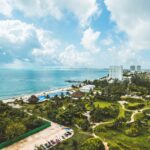





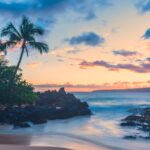
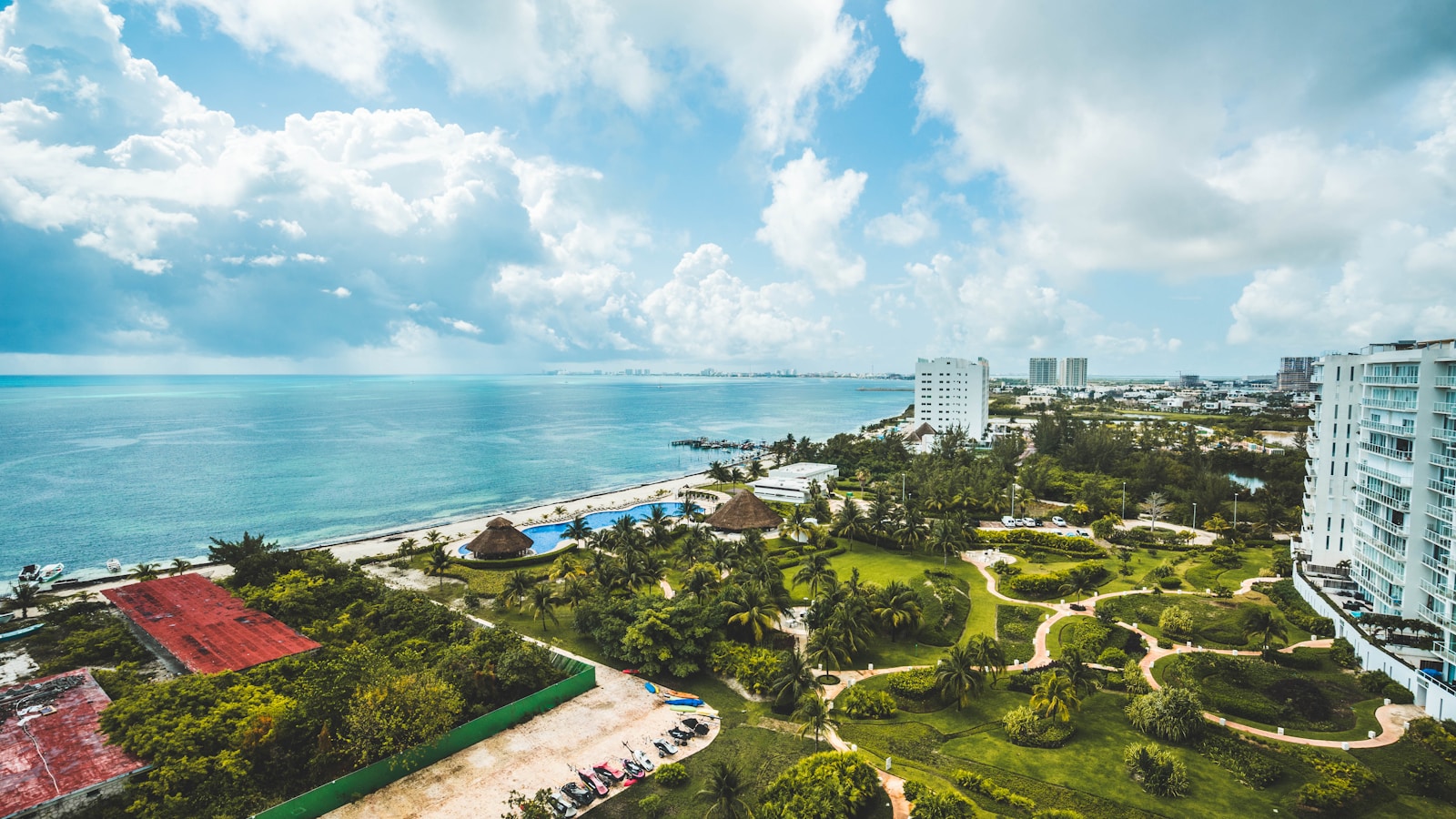
This three-day Cancun itinerary balances iconic Zona Hotelera beaches, ancient Maya ruins at Chichén Itzá, and vibrant local culture in downtown. Designed for first-time visitors seeking efficient routing between must-see attractions without overspending. Budget approximately $650-900 per person covering mid-range hotels, meals, guided tours, and transport.
At a Glance
Day 1 — Zona Hotelera Beach & Culture
Start at Playa Delfines, the most photogenic public beach in Cancun's hotel zone. The iconic colored letters spelling CANCUN provide the essential photo opportunity while the wide, often less-crowded stretch of sand offers genuine Caribbean atmosphere. Arrive early around 8:00 AM to claim a palapa shade structure before the midday sun intensifies. The beach features strong surf compared to protected northern hotel beaches, so swimming requires caution. Spend two to three hours here soaking in turquoise waters and white sand, the quintessential Cancun experience that justifies the destination's reputation.
Head to a beachfront seafood grill along Blvd. Kukulcan serving fresh ceviche, fish tacos, and cold beer. Expect casual plastic chairs, ocean views, and prices around $15-22 per person. The informal setting matches the beach vibe perfectly while offering authentic coastal Mexican flavors.
Visit the Cancun Maya Museum (Museo Maya de Cancún), a modern facility showcasing over 400 pre-Columbian artifacts from sites across the Yucatán Peninsula. The compact, air-conditioned galleries provide essential context for understanding the region's indigenous heritage before visiting archaeological sites. The adjacent San Miguelito ruins offer a small but authentic Maya structure set amid jungle vegetation, accessible via raised wooden walkways. Allow ninety minutes total for both museum and ruins. Entry runs approximately $6. This cultural stop balances beach time with intellectual enrichment and provides respite from afternoon heat while remaining conveniently located in the hotel zone.
Take a taxi or bus downtown to Parque de las Palapas, where locals gather nightly around food stalls, live music, and family activity. This authentic neighborhood square offers marinated pork tacos, elote (grilled corn), marquesitas (Yucatecan crepes), and fresh juices from various vendors at budget-friendly prices. The atmosphere contrasts sharply with resort zones, providing genuine insight into contemporary Cancun life. Spend two hours sampling different stalls, watching families and street performers, then explore surrounding blocks of downtown's older commercial district. Dinner costs typically $10-15 per person for generous street food portions.
Stay in central Zona Hotelera between Km 9 and Km 14 along Boulevard Kukulcan. This positioning provides walkable access to shopping plazas, restaurants, and beaches while remaining convenient to both airport and downtown via frequent public buses.
Day 2 — Chichén Itzá Day Trip
Depart by 7:00 AM for Chichén Itzá, approximately 2.5 hours west. Book a guided tour through hotel concierges or established operators; mid-range packages including transportation, guide, and entrance typically cost $60-85 per person. Arriving early beats both crowds and heat at this UNESCO World Heritage Site. El Castillo pyramid, the massive Temple of Warriors, the Great Ball Court with its exceptional acoustics, and the Sacred Cenote represent Mesoamerica's most impressive archaeological achievements. Professional guides decode the astronomical alignments, calendar systems, and ritual practices that made this city a political and religious capital from 600-1200 AD. Allocate three hours on-site.
Most tour packages include a buffet lunch at a nearby restaurant serving Yucatecan specialties like cochinita pibil (slow-roasted pork), lime soup, and handmade tortillas. The group dining experience, while not gourmet, provides air-conditioning, clean facilities, and regional dishes rarely found in Zona Hotelera. If booking independently, budget $18-25 per person at restaurants clustered near the site entrance.
Tours typically include a swimming stop at a cenote, the limestone sinkholes unique to the Yucatán Peninsula. These freshwater pools, sacred to the Maya and connected by underground river systems, offer refreshing swims in crystal-clear water surrounded by dramatic rock formations and dangling tree roots. Popular tour-route cenotes like Ik Kil feature carved stairs, changing facilities, and life jackets. The surreal environment provides both cooling relief after archaeological exploration and a geological phenomenon found nowhere else. Return journey to Cancun usually arrives between 5:30-6:30 PM depending on traffic and group size.
After a long travel day, keep evening plans simple near your hotel. Walk to one of the casual beachfront restaurants in Zona Hotelera for grilled fish or shrimp prepared Veracruz-style with tomatoes, olives, and capers. Request a table with Caribbean views as the sun sets, transforming the water through shades of gold and purple. Many mid-range establishments offer two-for-one happy hour cocktails between 5:00-7:00 PM. Budget $30-45 per person for a relaxed dinner. If energy permits, stroll the illuminated hotel zone beaches before retiring; otherwise rest for tomorrow's water activities.
Return to the same Zona Hotelera accommodation. Maintaining a consistent base for all three nights eliminates packing, checkout logistics, and orientation to new neighborhoods, maximizing efficiency on a short trip.
Day 3 — Isla Mujeres Island Escape
Catch the 9:00 AM passenger ferry from Puerto Juárez or Gran Puerto Cancún to Isla Mujeres, a 20-minute crossing costing approximately $12 round-trip. This eight-kilometer island off Cancun's coast offers a slower pace, golf cart transportation, and protected Caribbean swimming. Rent a golf cart near the ferry dock for $40-55 per day, allowing independent exploration at your own schedule. Drive first to Punta Sur on the island's southern tip, where a clifftop Maya temple dedicated to Ixchel, goddess of fertility, overlooks crashing waves. The sculpture garden and dramatic coastal views justify the $5 entrance fee. Spend an hour exploring trails and viewpoints.
Drive to Playa Norte, consistently rated among Mexico's finest beaches for its shallow, calm turquoise water and powdery white sand. Numerous beachfront restaurants with palapas and lounge chairs serve fresh fish, ceviche, and tropical drinks. Choose a spot serving whole fried snapper or garlic shrimp with rice, beans, and handmade tortillas. Budget $20-30 per person. The relaxed island atmosphere and protected swimming conditions contrast with yesterday's structured tour format.
Spend the afternoon at Playa Norte swimming in bathtub-warm shallows that extend far from shore, ideal for casual floating and wading. The protected western shore offers gentler conditions than Cancun's ocean beaches. Rent snorkel gear from beach vendors for $8-12 if interested in viewing tropical fish around nearby rocks. Alternatively, explore the small downtown area's shops selling local handicrafts, vanilla, and hammocks along pedestrian streets lined with colorful buildings. The laid-back island vibe provides the perfect counterpoint to Zona Hotelera's commercial energy.
Catch the 5:00 or 6:00 PM ferry back to Cancun, allowing time to return your golf cart beforehand. For a final dinner, choose an upscale-casual restaurant in the hotel zone specializing in regional Mexican cuisine beyond standard tourist fare. Look for establishments preparing traditional mole sauces, chile en nogada when in season, or Yucatecan-style tikin-xik fish. Request outdoor seating to maximize the tropical atmosphere. Budget $35-50 per person for a memorable farewell meal. Consider a final beach walk to absorb Caribbean breezes before departing Cancun tomorrow.
Remain at your established Zona Hotelera hotel, completing the three-night stay. Consistent accommodation eliminates transition time and allows you to pack once for your departure, streamlining the final evening.
Where to Stay
Budget-conscious travelers should consider accommodations in downtown Cancun near Parque de las Palapas, where locally-oriented hotels offer clean rooms with air-conditioning at $45-70 nightly. The trade-off involves a 25-minute bus ride to beaches but provides authentic neighborhood atmosphere and proximity to excellent street food. Mid-range visitors will find best value in older Zona Hotelera properties between Km 8-12, particularly smaller establishments not attached to major chains. These typically run $90-140 nightly and include pool access, basic breakfast, and beachfront or beach-adjacent positioning. Luxury seekers should focus on northern hotel zone properties near Punta Cancún or between Km 14-18, where contemporary all-inclusive resorts and boutique hotels offer premium amenities, multiple restaurants, infinity pools, and direct beach access starting around $200-350 nightly. The northern location provides calmer swimming conditions than southern beaches.


What to Skip
Skip expensive dinner shows at Pirates Night Adventure or similar themed venues that charge $80-120 for mediocre buffets and scripted performances targeting tourist groups rather than delivering authentic cultural experiences.
Avoid swimming with dolphins at commercial marine parks where confined conditions and repetitive interaction programs raise ethical concerns while costing $100-180 per person for brief, heavily photographed encounters.
Skip overpriced resort day passes marketed to cruise passengers at $60-90 when superior public beaches and independent beach clubs offer identical Caribbean access for minimal cost.
Pass on expensive tequila tastings in Zona Hotelera charging $40-60 for basic information and samples available at any quality restaurant bar for drink prices.
Avoid unofficial timeshare tours disguised as discounted excursions, which trap visitors in high-pressure sales presentations lasting several hours regardless of promised duration.
Budget Breakdown (Per Person)
Pricing reflects partner data and traveler review patterns. Actual costs vary by season, currency, and category. Flights not included.
Map of the Itinerary
The itinerary follows an efficient geographic pattern minimizing backtracking. Day one remains within Zona Hotelera's 22-kilometer north-south corridor along Boulevard Kukulcan, easily navigable by frequent R-1 and R-2 public buses running every 10 minutes for $0.85 per ride. A single evening trip ventures 10 kilometers west to downtown via 25-minute bus ride. Day two involves a single westward journey to Chichén Itzá and return along Highway 180, handled entirely by tour transport. Day three requires only the northern ferry crossing to Isla Mujeres from Puerto Juárez, 15 minutes north of hotel zone via taxi or bus. Golf cart mobility on the compact island eliminates walking distances beyond parking to viewpoints. The routing keeps daily travel simple with minimal navigation stress.
Frequently Asked Questions
Is three days enough time to experience Cancun properly?
Three days provides sufficient time for first-time visitors to cover essential highlights including Caribbean beaches, a major Maya archaeological site, and both resort and local cultural experiences. This duration captures Cancun's primary appeal without exhausting beach time on tour buses. The compact geography and efficient routing mean you'll experience more diversity than comparable three-day trips to sprawling destinations. However, you'll necessarily skip additional sites like Tulum ruins, Cozumel diving, or Xcaret eco-parks. Consider this itinerary a solid introduction that identifies interests for potential future extended visits to the broader Riviera Maya region.
How do I handle transportation between attractions without renting a car?
Cancun's public bus system along Zona Hotelera is remarkably efficient, with R-1 and R-2 routes connecting airport to hotel zone to downtown every 10-15 minutes from 5 AM to midnight for under $1 per ride. Buses display destination signs and accept pesos only. For the Chichén Itzá day trip, organized tours include all transportation, eliminating navigation concerns and parking issues. The Isla Mujeres ferry operates on published schedules with frequent departures. Taxis and ride-sharing apps handle remaining short hops. Car rentals add unnecessary expense and parking complications for this itinerary's routing, though they become more valuable for visitors extending beyond these core attractions.
What should I budget daily for food beyond the estimates provided?
The $75 daily food budget assumes breakfast at your hotel or a local cafe ($8-12), lunch at casual beachfront or local establishments ($15-25), and dinner at mid-range restaurants ($30-45), plus occasional snacks, bottled water, and drinks. Street food meals downtown or beach zone tacos can reduce costs to $50 daily, while upscale hotel restaurants and premium seafood easily push spending to $100-120 per day. Alcohol significantly impacts totals; house margaritas run $6-10 while premium cocktails reach $12-18 in hotel zone venues. Grocery stores and convenience stores offer substantial savings on bottled water, snacks, and breakfast items if you have in-room refrigeration. Tipping 10-15% is standard.
Is it safe to travel outside the resort areas to downtown Cancun and Isla Mujeres?
Downtown Cancun and Isla Mujeres see extensive tourism traffic and maintain strong security presence given their economic importance. Exercise standard urban precautions: stay aware of surroundings, avoid displaying expensive jewelry or electronics, use registered taxis or ride-shares rather than unmarked vehicles, and stick to well-populated areas after dark. The Parque de las Palapas area recommended in this itinerary hosts families nightly and maintains visible municipal police presence. Isla Mujeres, as a small island dependent on tourism, has particularly low crime rates. These destinations contrast with resort isolation by offering authentic local atmosphere, but they're established visitor areas rather than unexplored territory. Travel during daylight hours provides additional comfort for cautious visitors.
When should I book tours like Chichén Itzá and what should I look for in operators?
Book the Chichén Itzá tour at least 2-3 days ahead during high season (December-April) to ensure availability and optimal departure times, though last-minute bookings often remain possible. Look for established operators with physical offices, professional websites showing proper insurance and credentials, and transparent pricing including all entrance fees. Tours departing before 7:30 AM reach the ruins ahead of cruise ship crowds arriving after 11 AM. Verify whether lunch, cenote swim, and bottled water are included versus optional add-ons. Small group tours with maximum 15-20 passengers provide better guide interaction than 40-person bus tours at similar pricing. Hotel concierges book reputable operators, though comparing direct online pricing often reveals $10-15 savings.