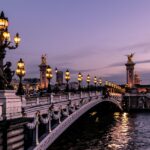


Three days exploring Budapest's iconic thermal baths, Danube riverfront palaces, and ruin bars. This itinerary balances UNESCO landmarks with local culture, designed for first-timers who want efficient routing through Buda Castle, Parliament, and Jewish Quarter. Mid-range budget around $550-650 per person covers hotels, meals, and tickets.
At a Glance
Day 1 — Castle District & Danube Views
Start at Buda Castle District via the historic funicular ($4 round-trip). Walk the cobblestone streets to Matthias Church ($9 entry) with its colorful tile roof, then climb Fisherman's Bastion (upper terraces $4, lower free) for panoramic Danube and Parliament views. The compact district requires 1.5 miles of walking on hilly terrain. Budget 4 hours total. Combined entry and transport runs $17 per person.
Hungarian gastropub near the Castle serving goulash, langos, and chimney cake. Expect hearty portions for $12-18 per person including a local beer. Walk downhill toward the Chain Bridge after eating.
Cross the iconic Chain Bridge on foot (15 minutes, free) to Pest side. Explore St. Stephen's Basilica ($8 entry, $6 tower climb). The neoclassical interior and 360-degree city views from the dome justify the climb. Nearby, stroll Andrássy Avenue past elegant architecture to Heroes' Square (free), a 25-minute walk. Total afternoon cost around $14. Moderate walking, mostly flat terrain on Pest side.
Dinner at a traditional Hungarian restaurant serving chicken paprikash or duck confit, $18-28 per person. Then take the metro ($1.50) to the Jewish Quarter for a ruin bar crawl. Szimpla Kert anchors the scene in a crumbling courtyard filled with mismatched furniture. Drinks run $4-7 each. The atmospheric decay-turned-art defines Budapest nightlife. Budget $45 total for evening including transport.
District V (Pest center) near Deák Ferenc Square puts you equidistant from both riverbanks with metro access. Mid-range hotels run $80-120/night. Walking distance to most Pest attractions and nightlife.
Day 2 — Parliament, Thermal Baths & Jewish Heritage
Book the 10am English-language Parliament tour in advance ($18). The neo-Gothic masterpiece houses the Hungarian crown jewels and features a gilded main staircase rivaling any European palace. Tours last 45 minutes. Afterward, walk 10 minutes south along the river to the Shoes on the Danube Bank memorial (free), a sobering tribute to Holocaust victims. Total morning cost $18, minimal walking.
Central Market Hall food stalls on the ground floor. Sample lángos (fried dough), sausages, and strudel from multiple vendors for $8-14 total. The 1897 wrought-iron structure itself merits exploration. Upper floor sells paprika and folk crafts.
Spend 3-4 hours at Széchenyi Thermal Baths ($22 weekday, $24 weekend). The yellow neo-baroque palace houses 18 pools ranging from icy plunge to 40°C outdoor thermal pools filled with locals playing chess. Bring a swimsuit and flip-flops or rent on-site ($7 extra). Lockers included. Take metro line 1 directly there. Total cost with transport around $26. Relaxing with minimal exertion.
Dinner in the Jewish Quarter at a contemporary bistro blending Hungarian and Middle Eastern flavors, $16-25 per person. Walk to Dohány Street Synagogue for the 7pm illumination (exterior viewing free, interior tours $12 during day). End at a craft beer pub sampling Hungarian microbrews. Evening budget $35-45 including drinks. All locations within a 10-minute walk of each other.
Same District V base works perfectly. Alternatively, District VII (Jewish Quarter) offers trendier boutique hotels at $70-110/night with direct access to nightlife, though slightly noisier.
Day 3 — Margaret Island & River Perspectives
Take tram 4/6 to Margaret Bridge ($1.50), then walk onto Margaret Island, a 2.5km car-free park in the Danube. Rent a bike ($6/hour) or walk the perimeter past musical fountains, rose gardens, and ruined medieval monastery. Visit the small thermal spa on the island ($18 entry) for a quieter alternative to Széchenyi. Budget 3 hours. Total cost around $26 including transport and bike rental.
Picnic from bakery and deli items purchased near your hotel before heading to the island, or eat at an island café serving salads and sandwiches for $10-15. Outdoor seating overlooks the Danube.
Return to Pest for a 2pm Danube river cruise ($16-22 for 1-hour daytime cruise). See Parliament, Buda Castle, and bridges from water level with multilingual audio commentary. After docking, explore the Váci Street pedestrian zone for last-minute shopping and people-watching (free). Hungarian folk crafts and paprika make portable souvenirs. Budget $20 total. Minimal walking, mostly sitting.
Farewell dinner at an upscale traditional restaurant with Danube views, ordering a tasting menu with wine pairings, $35-50 per person. For a final nightcap, ride the vintage tram 2 along the river (included in your transit pass) to see the illuminated Parliament and Chain Bridge. The 20-minute tram journey is Budapest's most scenic public transport route. Evening total $40-55.
Same District V or VII base works for all three nights. Keeping one hotel simplifies logistics and maximizes sightseeing time over packing and checking in repeatedly.
Where to Stay
Budget: District VII guesthouses and hostels with private rooms run $45-65/night near Blaha Lujza Square, offering functional amenities and excellent public transport connections. The slightly gritty neighborhood feels authentic and puts ruin bars on your doorstep. Mid-range: District V boutique hotels near Vörösmarty Square ($90-130/night) deliver Art Nouveau charm, breakfast buffets, and walkability to both riverbanks. This area balances convenience with quieter evenings. Luxury: District I hotels below Buda Castle ($180-280/night) provide Danube-view rooms, spas, and refined service in historic buildings. The hillside location means relying on taxis or funicular, but sunset vistas justify the premium.
What to Skip
Citadella Fortress: The hilltop fort offers views similar to Fisherman's Bastion but requires a steep uphill hike with less architectural reward. Save your energy.
House of Terror Museum: While historically significant, the heavy subject matter and dense exhibits demand 3+ hours. First-timers should prioritize lighter attractions.
Las Vegas Casino: This tacky riverfront casino targets tourists with overpriced drinks and generic gaming. Budapest's ruin bars offer far more authentic nightlife.
Hotel Gellért Baths: Though architecturally stunning, restrictive bathing cap rules, higher prices ($28), and tourist crowds make Széchenyi the better thermal bath choice.
Andrássy Avenue tourist restaurants: The boulevard's outdoor cafés charge triple for mediocre goulash. Walk two blocks off the main drag for authentic prices and quality.
Budget Breakdown (Per Person)
Pricing reflects partner data and traveler review patterns. Actual costs vary by season, currency, and category. Flights not included.
Map of the Itinerary
The itinerary follows a logical Buda-to-Pest pattern. Day 1 starts on the western Buda hills (Castle District), crosses east via Chain Bridge to central Pest landmarks, ending in the Jewish Quarter. Day 2 stays entirely on the flat Pest side, moving north (Parliament) to east (thermal baths) with minimal backtracking. Day 3 uses Margaret Island in the river's center as a midpoint before returning to Pest's riverfront for the cruise finale. This routing minimizes bridge crossings and altitude changes while hitting landmarks clockwise around the Danube.
Frequently Asked Questions
Do I need to book Parliament tours in advance?
Absolutely. English tours sell out 2-3 weeks ahead during peak season (April-October) and several days in advance off-season. Book directly through the official Parliament website to guarantee your preferred time slot. Same-day tickets rarely exist. Security screening requires arriving 15 minutes early with passport or EU ID. Photography is restricted in certain halls. The 10am slot works perfectly with this itinerary's Day 2 flow, leaving afternoons free for thermal baths.
Which thermal bath should first-timers choose?
Széchenyi offers the quintessential Budapest thermal bath experience with its iconic yellow exterior, large outdoor pools, and local atmosphere where Hungarians genuinely relax rather than just tourists passing through. Gellért features more ornate Art Nouveau interiors but enforces bathing cap rules and feels stuffier. Rudas caters to a younger crowd with rooftop pools. For your first visit, Széchenyi balances grandeur, authenticity, and relaxed policies. Weekday mornings see thinner crowds than weekend afternoons.
How does Budapest public transport work for tourists?
Buy a 72-hour travel card ($19) at any metro station covering unlimited metro, tram, bus, and HÉV suburban rail within city limits. This beats single tickets ($1.50 each) after just 13 rides, which you will easily exceed. Validate the card once at start of validity period. The M1 yellow metro line is a UNESCO heritage railway serving Andrássy Avenue. Tram 2 along the Danube provides scenic transport. Download the BKK app for route planning. Airport shuttle buses accept the pass too.
Is the Buda Castle funicular worth the cost or should I walk?
The funicular ($4 round-trip) is worth it westbound uphill to save energy for exploring the Castle District's cobblestones, but walk down eastbound for free while enjoying Danube views. The climb involves steep staircases and takes 15-20 minutes versus the funicular's 2-minute ride. If you have mobility concerns, use it both ways. Early morning rides (before 9am) have shorter queues. The 1870 cars themselves are charming historic artifacts complementing the Castle experience rather than just utilitarian transport.
What is the ruin bar scene and are they overhyped?
Ruin bars occupy abandoned buildings and courtyards in the Jewish Quarter, decorated with salvaged furniture, graffiti art, and eclectic junk. Szimpla Kert pioneered the trend and remains the most famous, worth visiting despite tourist crowds for the sheer scale and surreal atmosphere. Weeknights feel more local than weekend invasions. Smaller alternatives like Ellátó Kert and Doboz offer similar vibes with fewer tour groups. They are genuinely distinctive to Budapest rather than manufactured tourist traps. Drinks cost half of Western European prices at $4-7 per beer or cocktail.