



Quick Answer
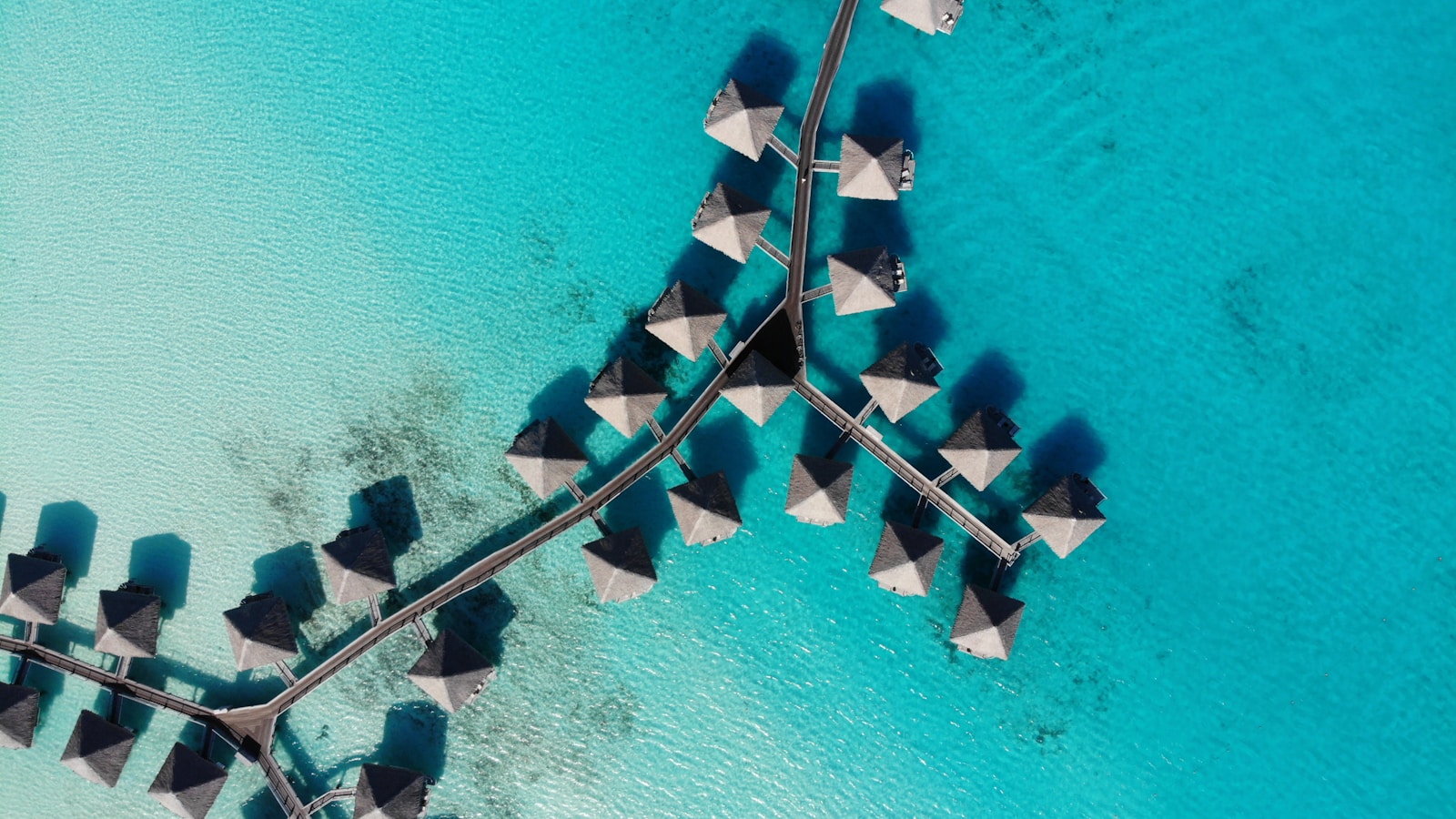
Fiji is famous for its coral reefs, overwater bungalows, and the kind of unhurried island pace that actually delivers on the brochure. Hotels start from $160/night, and the best time to visit is May through October, when the dry season brings cooler temperatures and calmer seas.
Explore Fiji in Detail
Find Hotels in Fiji
Hotel listings for Fiji are currently being updated.
Top Tours in Fiji

Beqa Lagoon Shark Dive Experience
Dive the Beqa Lagoon marine reserve south of Viti Levu, where bull and tiger sharks gather at controlled feed sites. Includes boat transfer from Pacific Harbour and two dives with certified guides.
Book This Tour →
Nadi Town Food and Culture Walk
Walk through Nadi's local market and visit the Sri Siva Subramaniya Temple before stopping at Indo-Fijian lunch spots for kokoda, roti, and fresh tropical fruit from street vendors.
Book This Tour →
Mamanuca Islands Snorkel and Beach Day Trip
Boat from Port Denarau Marina to the Mamanuca Islands for guided snorkeling above coral gardens and free time on a white-sand beach. Lunch and snorkel gear included in the price.
Book This Tour →Top Things to Do in Fiji
The experiences travelers come back to Fiji for, year after year.
Itineraries for Fiji
Day-by-day plans built by travelers who actually went.
Fiji in 3 Days
The essential first-time itinerary — the must-sees you came for, plus the local moments you came home talking about.
Fiji for Couples
Quiet mornings, slow dinners, and the views the brochures don't show. Built for two.
Fiji with Kids
Activities everyone enjoys, restaurants that welcome little ones, and downtime built into the plan.
Getting Around Fiji
Renting a car is one of the best ways to explore Fiji at your own pace. Compare rates from all major suppliers in one search.
Best Time to Visit Fiji
Best months to visit Fiji: April–June and September–October offer mild weather and fewer crowds. July–August is peak season. December–February is coldest but cheapest.
Why Visit Fiji?
Fiji sits in the South Pacific as an archipelago of over 300 islands, and travelers find the combination of reef diving, white-sand beaches, and genuine Fijian hospitality hard to match in the region. The Mamanuca Islands, a short boat ride from Port Denarau Marina on Viti Levu’s west coast, offer some of the clearest water in the Pacific. Snorkeling directly off the beach at resorts on Malolo Island puts you above coral gardens without needing to book a dedicated dive trip. For serious divers, the Beqa Lagoon off Viti Levu’s south coast is well regarded for shark dives, where bull sharks and tiger sharks congregate in a marine reserve where feedings have been conducted for years as part of a conservation program. Day trips from Pacific Harbour run roughly $150 to $200 USD per person depending on the operator and what’s included.
On Viti Levu itself, the Coral Coast stretches along the southern shoreline and gives travelers a more locally rooted experience than the resort islands. The town of Sigatoka sits near the Sigatoka Sand Dunes, Fiji’s first national park, where guided walks take about 90 minutes and cost a few Fijian dollars in park fees. Nadi, the main gateway city near the international airport, has a bustling local market and the Sri Siva Subramaniya Temple, one of the largest Hindu temples in the Southern Hemisphere, which is open to respectful visitors who remove their shoes and cover their shoulders. The nearby Garden of the Sleeping Giant, set in a former orchid collection maintained by the late actor Raymond Burr, charges a small admission and makes for a low-key morning stop.
Food in Fiji reflects the island’s Indian-Fijian cultural mix more than most visitors expect. Kokoda, the local take on ceviche made with raw fish cured in lemon juice and mixed with coconut cream, chili, and vegetables, appears on menus from beachside shacks to resort restaurants. Roti canai and curry dishes influenced by Indo-Fijian cooking are cheap and widely available in Nadi’s town center, often for under $5 USD at local lunch spots. Travelers focused on romance tend to gravitate toward the Yasawa Islands, a chain accessible by the Yasawa Flyer ferry from Port Denarau, where small boutique resorts offer privacy without the scale of the larger Mamanuca properties. The ferry journey itself, which takes anywhere from two to eight hours depending on your stop, passes through scenery that requires no marketing language to describe.
Frequently Asked Questions — Fiji
How much do hotels in Fiji cost?
Budget options around Nadi start from roughly $80 to $100 USD per night at guesthouses and three-star hotels like the Tanoa Skylodge. Mid-range resorts with beach access, such as the Fiji Marriott Resort Momi Bay, run from about $160 per night. Luxury overwater bungalows and private island resorts like Six Senses Fiji can exceed $1500 per night.
When is the best time to visit Fiji?
May through October is the dry season, bringing lower humidity, less rain, and water temperatures that stay warm enough for comfortable snorkeling and diving. July and August are the busiest months, so book accommodation early if traveling then. November through April is cyclone season, and while prices drop, some smaller island resorts close for part of this period.
How many days do I need in Fiji?
Seven to ten days gives you enough time to split between Viti Levu and at least one outer island group like the Mamanucas or Yasawas. A three or four day trip works if you stay in the Mamanucas, which are only 30 to 40 minutes by boat from Port Denarau. Travelers wanting to reach the Yasawa Islands should allow at least five days to make the ferry journey worthwhile.
Is Fiji safe for tourists?
Fiji is generally considered safe for tourists, including solo travelers and couples. Petty theft can occur in Nadi and Suva, so standard precautions like not leaving valuables on the beach apply. Resort islands have very low crime rates and most travelers report no safety issues throughout their stay.
What area should I stay in?
Nadi is the practical base near the international airport and works well for one or two nights before heading to the islands. The Coral Coast along Viti Levu's southern shore suits travelers wanting a more authentic local feel with beach access. The Mamanuca Islands are the most popular choice for beach and snorkeling-focused stays, while the Yasawa Islands offer quieter, more remote options.
How do I get around Fiji?
Viti Levu has a network of local buses that are cheap but slow, and taxis and rideshare apps like Fiji's ZipFiji operate in Nadi and Suva. Rental cars are available from Nadi Airport if you plan to explore the Coral Coast independently. Inter-island travel is done by boat, with the Yasawa Flyer catamaran departing from Port Denarau Marina daily, or by small prop plane for more remote destinations.
What food should I try in Fiji?
Kokoda is the signature Fijian dish, made with raw fish cured in citrus and finished with coconut cream, vegetables, and chili. Lovo is a traditional feast where meat and root vegetables are cooked underground in a pit, often served at resort cultural nights. Indo-Fijian food is widely available and very affordable, particularly roti, dal, and vegetable curries sold at lunch spots in Nadi town for under $5 USD.