






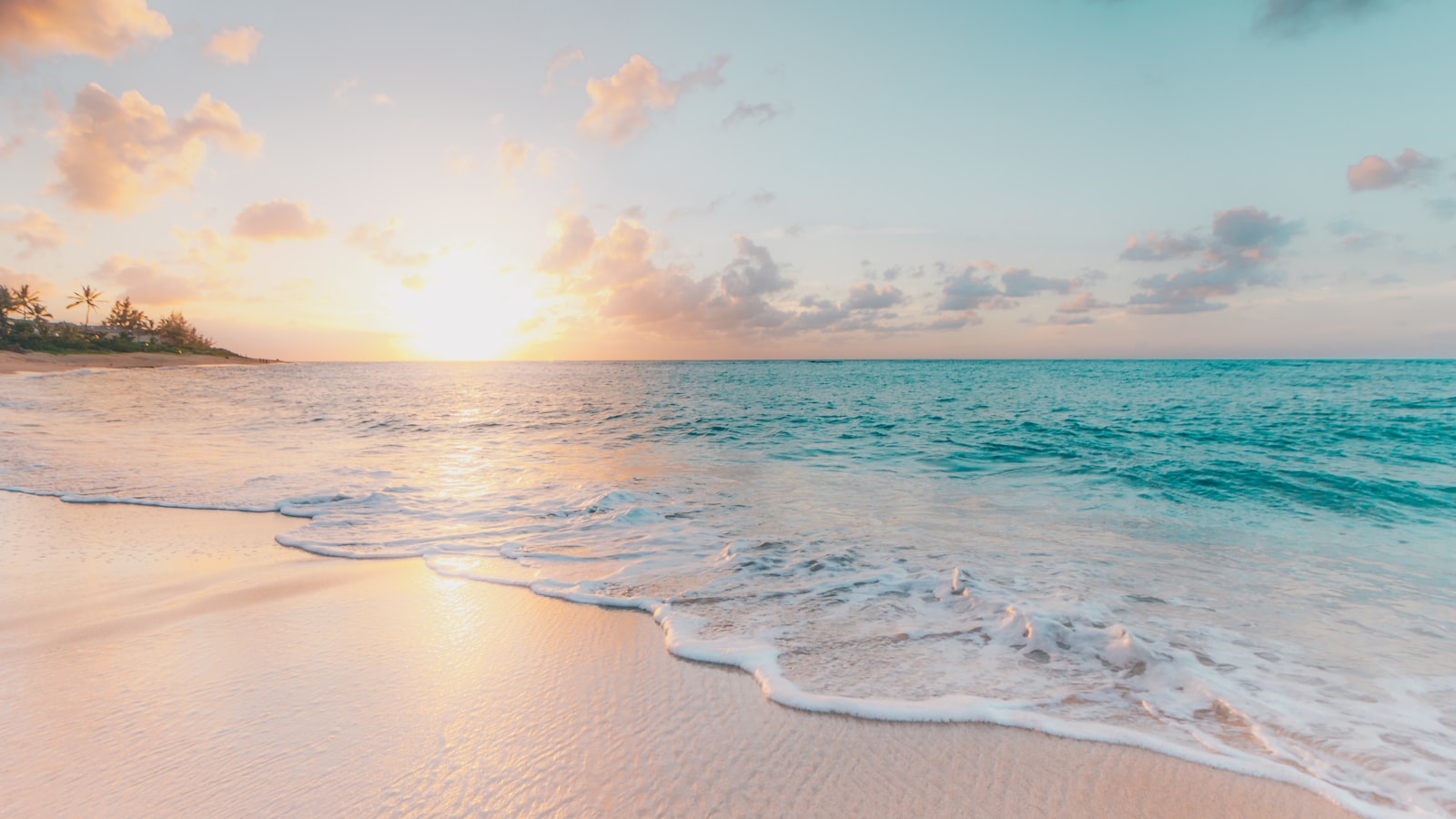
The Caribbean's best beaches in 2026 range from Turks and Caicos' powdery Grace Bay to Anguilla's serene Shoal Bay, Jamaica's lively Seven Mile Beach, and Aruba's calm Eagle Beach. Whether you want secluded coves, vibrant nightlife, or family-friendly shallows, the region offers exceptional sand, clear water, and distinct character across twelve standout destinations.
The Caribbean holds more than 700 islands, each competing for attention with white sand, turquoise water, and year-round warmth. But not all beaches deliver the same experience. Some excel at seclusion, others at snorkeling or resort access. This guide identifies twelve beaches that consistently rank among the region’s best, based on water clarity, sand quality, accessibility, and the range of experiences they support.
We’ve organized these picks by what travelers prioritize most: calm water for families, dramatic scenery for photographers, lively scenes for social travelers, and remote stretches for those seeking solitude. Each entry includes practical details—price ranges drawn from partner booking data, optimal travel windows, and the type of traveler each beach serves best. No beach is perfect for everyone, but these twelve represent the strongest options across the Caribbean region in 2026.
Grace Bay, Turks and Caicos
Grace Bay stretches three miles along Providenciales’ northeast coast, backed by a continuous line of resorts and low-rise hotels. The sand is fine-grained calcium carbonate, almost white under midday sun, and the water stays shallow for 50 yards offshore. That shallow shelf keeps waves minimal, making this one of the calmest beaches in the Caribbean.
The beach’s reputation rests on consistency. Water clarity remains high year-round, aided by the island’s position outside the hurricane belt’s most active zone. Coral reefs lie a short swim from shore, accessible without a boat. The reef structure supports snorkeling but also anchors the sand, preventing erosion that plagues other Caribbean beaches.
Resorts dominate the shoreline, but Turks and Caicos law mandates public beach access, so non-guests can reach any section. Mid-range properties start around $250 per night; luxury options run $500–$900. Peak season runs December through April, when North American visitors fill rooms and prices climb. May through November offers better rates, though September and October bring the highest hurricane risk.
Grace Bay suits travelers who want a polished beach destination without compromising on water quality. Families appreciate the shallow entry and calm conditions. Couples find enough resort dining and spa options to avoid renting a car. The beach lacks nightlife energy—this is not a party destination—but for postcard-perfect water and reliable weather, it remains a top choice.
Seven Mile Beach, Jamaica
Seven Mile Beach curves along Negril’s western edge, anchoring Jamaica’s most laid-back resort zone. The beach actually measures closer to four miles, but the name stuck. Unlike Grace Bay’s resort-dominated feel, Seven Mile mixes all-inclusives, small guesthouses, beach bars, and open stretches where vendors sell jerk chicken and fresh coconut.
The sand tilts golden rather than white, and the water clarity doesn’t match Turks and Caicos. But Seven Mile compensates with atmosphere. Reggae drifts from open-air bars, cliff divers perform at Rick’s Café a few miles south, and the sunset views draw crowds every evening. The beach’s southern sections near resorts like Sandals and Couples stay quieter; the northern stretches near Negril Village see more local vendors and a livelier vibe.
Pricing varies widely. Budget guesthouses start around $80 per night, mid-range hotels run $150–$250, and all-inclusive resorts range from $300–$600. The all-inclusive model dominates here, which can limit interaction with local restaurants and culture if you stay on-property. December through April offers the driest weather, but shoulder months like May and November deliver good conditions at lower rates.
Seven Mile suits travelers who want beach time but also crave music, local flavor, and a social scene. It’s less polished than Turks and Caicos, with occasional seaweed and vendors who can be persistent. But for travelers who value character and nightlife alongside sand and sun, this beach remains a Caribbean standout.
Eagle Beach and Palm Beach, Aruba
Aruba sits outside the hurricane belt, 15 miles off Venezuela’s coast. That position brings consistent trade winds, dry weather, and two beaches that rank among the Caribbean’s most reliable. Eagle Beach runs quieter and wider, with powdery white sand and iconic divi-divi trees bent by constant wind. Palm Beach, a mile north, packs in high-rise resorts, water sports operators, and a busier atmosphere.
Eagle Beach offers more space. The sand stretches 150 feet from water to the first row of low-rise hotels, giving beachgoers room to spread out. The water stays calm most days, though wind can kick up chop in the afternoon. Palm Beach trades space for convenience—resorts like the Marriott and Hyatt line the shore, and you can book jet skis, parasailing, and catamaran tours without leaving the beach.
Both beaches benefit from Aruba’s arid climate. The island averages just 20 inches of rain annually, so overcast days are rare. Water clarity stays high because minimal runoff reaches the coast. The trade-off is vegetation—Aruba’s landscape looks scrubby compared to lusher islands like Jamaica or St. Lucia.
Hotel rates on Palm Beach start around $200 per night for mid-range properties; luxury resorts run $400–$700. Eagle Beach skews slightly cheaper, with condos and smaller hotels starting near $150. Peak season runs January through March, when snowbirds from North America fill the island. Summer months offer better deals and nearly the same weather.
Aruba’s beaches suit travelers who prioritize sun guarantees over tropical scenery. Families like the calm water and resort infrastructure. Honeymooners appreciate the sunset views and upscale dining in nearby Oranjestad. If you want predictable weather and polished beach facilities, Aruba delivers.
Shoal Bay East, Anguilla
Anguilla built its reputation on beaches, and Shoal Bay East stands out even on an island with 33 named strands. The beach curves for a mile, backed by low vegetation and a handful of small resorts and beach bars. The sand is fine and white, and the water glows in shades of blue that shift with the angle of the sun.
Shoal Bay excels at space and tranquility. Even during peak season, the beach rarely feels crowded. A coral reef runs parallel to shore about 100 yards out, creating a sheltered lagoon ideal for swimming and snorkeling. The reef keeps waves small and protects the shoreline, though strong swimmers can venture beyond it for deeper exploration.
Anguilla lacks large resorts, which keeps the beach low-key but also limits accommodation options. Small hotels like Shoal Bay Villas and Ku sit directly on the sand, with rates starting around $250 per night. Luxury villas farther inland run $400–$1,000+. The island has no airport that handles commercial jets, so visitors fly into St. Maarten and take a 20-minute ferry or a smaller plane.
The extra travel effort filters out casual tourists, which suits travelers seeking seclusion. Beach bars like Gwen’s Reggae Grill and Madeariman serve fresh lobster and rum punch, but nightlife stays minimal. December through April brings the best weather and the most visitors. May and June offer a sweet spot—lower rates, fewer crowds, and still-reliable conditions before the August–October hurricane window.
Shoal Bay East fits travelers who want a quiet, high-quality beach experience without mega-resort infrastructure. It’s not the easiest Caribbean destination to reach, but for those prioritizing sand, water, and peace, the effort pays off.
Trunk Bay, U.S. Virgin Islands
Trunk Bay sits on St. John’s north shore, inside Virgin Islands National Park. The beach stretches about a quarter-mile, framed by green hills and rocky points. An underwater snorkel trail with marked plaques runs along the eastern reef, making this one of the few Caribbean beaches where first-time snorkelers can explore coral without a guide.
The National Park Service manages the beach, which means an entrance fee ($5 per person as of 2026) but also consistent maintenance and lifeguard coverage. Facilities include restrooms, showers, a snack bar, and equipment rentals. The beach lacks hotels—the nearest resorts sit in Cruz Bay, a 20-minute drive west—but day-trippers from St. Thomas arrive by ferry and taxi, so midday crowds build during peak season.
St. John’s protected status keeps development minimal. Two-thirds of the island is national park, which preserves scenery but limits lodging. Cruz Bay offers small inns and vacation rentals starting around $150 per night; villas with water views run $300–$600. The island has no airport, so visitors ferry from St. Thomas after flying into Cyril E. King Airport.
Trunk Bay suits travelers who want natural beauty and easy snorkeling in a protected setting. The underwater trail works well for families with kids who are new to snorkeling. Photographers appreciate the lush backdrop and clear water. The beach doesn’t offer seclusion—it’s one of the Caribbean’s most visited—but the combination of park infrastructure, reef access, and scenic setting justifies the crowds.
Best months are December through April for calm seas and clear skies. Summer brings more humidity and afternoon rain showers, but also lower ferry and accommodation costs. Hurricane season runs June through November, with September and October posing the highest risk.
Pink Sands Beach, Bahamas
Harbour Island sits off Eleuthera’s northeast coast, a three-mile-long island reached by water taxi from the main island. Pink Sands Beach runs along the eastern shore for three miles, named for the faint rose tint in the sand. The color comes from microscopic coral insects mixed with crushed shells, visible when the sand is wet or under low sun.
The beach’s appeal extends beyond the novelty color. The sand is soft, the water stays clear, and the Atlantic swells that reach the shore create a gentle surf without strong currents. A shallow shelf extends offshore, making swimming safe for most ages. The beach remains largely undeveloped—a few small resorts and private homes back the sand, but no high-rises or large hotels.
Bahamas resorts on Harbour Island lean upscale. Pink Sands Resort and Coral Sands Hotel sit directly on the beach, with rates starting around $400 per night and climbing past $800 for premium rooms. The island’s small size and limited lodging keep visitor numbers manageable, which preserves the beach’s quiet character but also raises costs.
Access requires effort. Fly into North Eleuthera Airport, take a taxi to the ferry dock, then catch a water taxi to Harbour Island. The multi-step journey discourages day-trippers, which works in favor of overnight guests. December through April offers the calmest seas and sunniest skies. May and June provide a transition period with good weather and slightly lower rates.
Pink Sands suits travelers who want a distinctive, high-end beach experience with a quiet, upscale atmosphere. Families find the calm water and soft sand ideal for young kids. Couples appreciate the romantic setting and boutique lodging. The beach won’t fit budget travelers, but for those willing to pay, it delivers a memorable Caribbean experience.
Bavaro and Macao Beaches, Punta Cana
Punta Cana anchors the Dominican Republic’s east coast, and Bavaro Beach serves as the region’s main draw. The beach runs for miles, lined with all-inclusive resorts that dominate the landscape. The sand is white, the water is warm, and the resort infrastructure—pools, restaurants, bars—sits steps from the shore.
Bavaro fits travelers who want a turn-key vacation with minimal planning. All-inclusive resorts like Barceló, Iberostar, and Excellence Punta Cana package rooms, meals, drinks, and activities into a single rate, typically ranging from $150–$400 per person per night depending on the property tier. The beach itself stays busy with resort guests, water sports, and vendors offering excursions.
Macao Beach, 20 minutes north, offers a wilder alternative. The beach remains largely undeveloped, backed by dunes and palm trees rather than resorts. The Atlantic surf here is stronger, attracting bodyboarders and surfers. A few beach shacks serve fresh seafood and cold drinks, but infrastructure is minimal. Most visitors reach Macao as part of a day trip or ATV tour from Punta Cana resorts.
Punta Cana’s appeal is accessibility and value. Direct flights from North America are frequent and often cheap. The all-inclusive model removes the need to budget for meals or drinks. The trade-off is authenticity—staying on a resort compound limits exposure to Dominican culture, local restaurants, and off-property exploration.
Best months are December through April, when weather is dry and temperatures stay in the low 80s. Summer brings more humidity and occasional rain, but also lower resort rates. Hurricane season peaks in September and October, though Punta Cana’s location on the eastern tip of Hispaniola often avoids direct hits.
Flamenco Beach, Culebra, Puerto Rico
Culebra sits 17 miles east of mainland Puerto Rico, a small island with 2,000 residents and one of the Caribbean’s most celebrated beaches. Flamenco Beach curves for a mile along the island’s north shore, backed by hills and scrub vegetation. The sand is white, the water is clear, and two rusted tanks—relics from when the U.S. Navy used the island for target practice—sit partially submerged at the beach’s western end, now covered in graffiti and serving as quirky landmarks.
Flamenco is a public beach managed by local authorities, with no hotels directly on the sand. Campsites sit behind the beach, available by reservation, and a handful of small guesthouses and vacation rentals operate in the nearby town of Dewey. This keeps the beach free of resort development but also limits immediate lodging. Most visitors day-trip from the main island or stay in basic accommodations.
The water at Flamenco stays calm inside a protected bay, ideal for swimming and snorkeling. The beach has restrooms, showers, and a small concession stand, but bring your own snorkel gear and beach supplies—rental options are limited. Weekends and Puerto Rican holidays draw crowds from the mainland, but weekdays remain quieter.
Culebra requires a ferry or small plane from Ceiba or San Juan. Ferries cost around $5 but sell out quickly, especially in high season. Flights run more frequently but cost $60–$100 each way. Accommodation on Culebra is sparse—expect $100–$200 per night for basic guesthouses or Airbnbs. Camping at the beach starts around $20 per night.
Flamenco suits adventurous travelers who value natural beauty over resort amenities. The rustic vibe and ferry logistics filter out visitors seeking luxury. But for those willing to rough it slightly, Flamenco delivers one of the most scenic and unspoiled beaches in the Caribbean.
The Baths, Virgin Gorda, British Virgin Islands
The Baths don’t fit the typical Caribbean beach mold. Instead of a long stretch of sand, you get a geological wonder—massive granite boulders stacked along the shore, creating caves, grottos, and tidal pools. The beach itself is small, maybe 100 yards, but the real draw is exploring the rock formations and the sheltered pools they create.
The formations date back millions of years, formed by volcanic activity and erosion. Today, they create a natural playground. Visitors climb over and under boulders, wade through waist-deep pools, and emerge onto hidden beaches. The main pool, shielded from waves by the rocks, stays calm and clear, ideal for swimming and snorkeling.
Access requires a $3 entrance fee managed by the BVI National Parks Trust. A ladder and rope system helps visitors navigate the rocks, but the route involves climbing and can be tricky for young kids or anyone with mobility issues. The beach has minimal facilities—a small bar and restroom near the entrance—and no hotels on-site. Nearby resorts like Rosewood Little Dix Bay and Biras Creek offer luxury stays, with rates starting around $600 per night.
Virgin Gorda sits in the British Virgin Islands, which means separate entry requirements from the U.S. Virgin Islands despite their proximity. Fly into Tortola’s Terrance B. Lettsome Airport, then take a ferry to Virgin Gorda. The multi-step journey adds complexity but keeps visitor numbers manageable.
The Baths suit travelers who want a unique, active beach experience. It’s not a place to lie on a towel all day—you come to explore. Photographers love the rock formations and light play in the grottos. Snorkelers find good reef access just offshore. Best months are December through April, when seas stay calm and the pools are easiest to navigate.
Crane Beach, Barbados
Crane Beach occupies a protected cove on Barbados’ southeast coast, backed by pink-hued cliffs and the historic Crane Resort. The beach is small—maybe 150 yards wide—but the setting is dramatic. Waves roll in from the Atlantic, creating a shore break that’s fun for bodyboarders but requires caution for weaker swimmers.
The sand at Crane has a pinkish tint, similar to Harbour Island, though less pronounced. The color comes from crushed coral mixed with shells. The beach sits at the base of a cliff, accessed by stairs or an elevator from the resort. The Crane Resort dominates the cove, but the beach is public, so non-guests can access it, though parking is limited.
The resort itself dates to the 1800s and mixes historic buildings with modern condos. Rates start around $300 per night and climb past $600 for oceanfront suites. The property includes pools, restaurants, and a spa, making it easy to combine beach time with resort amenities. If you’re not staying at the Crane, reaching the beach involves finding parking near the top of the cliff and walking down.
Barbados sits farther east than most Caribbean islands, which means it catches more Atlantic swell. Crane Beach sees larger waves than sheltered western beaches, which makes it less ideal for young kids or timid swimmers. But for travelers who enjoy bodysurfing or simply watching powerful surf in a scenic setting, Crane delivers.
Best months are December through May, when weather is dry and waves are consistent but not overwhelming. Summer and fall bring more humidity and the possibility of hurricanes, though Barbados sits on the southern edge of the hurricane belt and sees fewer direct hits than islands farther north.
Grand Anse Beach, Grenada
Grand Anse stretches two miles along Grenada’s southwest coast, a few minutes from the capital, St. George’s. The beach is wide, the sand is golden, and the water stays calm thanks to the sheltered bay. Unlike many top Caribbean beaches, Grand Anse retains a local feel—Grenadians use the beach, not just tourists, and beach bars serve local food rather than generic resort fare.
The beach is public and accessible from multiple points, with parking near several entrances. Small hotels and guesthouses line the road behind the sand, offering budget and mid-range options starting around $100 per night. Larger resorts like Sandals and Radisson Grenada sit at the beach’s southern end, with rates climbing to $250–$500. The mix of lodging keeps the beach diverse in terms of visitors and atmosphere.
Water clarity at Grand Anse is good but not exceptional—runoff from the island’s lush interior occasionally clouds the bay. The trade-off is scenery. Grenada’s volcanic landscape and rainforest create a greener, more dramatic backdrop than drier islands like Aruba. The beach itself offers calm swimming, and the nearby town of Grand Anse has restaurants, shops, and local markets within walking distance.
Grenada sits in the southern Caribbean, which puts it at the edge of the hurricane belt. The island sees fewer storms than northern destinations, though the official season still runs June through November. December through May brings the driest weather and the most visitors. Shoulder months like June and July offer a balance of good conditions and lower rates.
Grand Anse suits travelers who want a quality beach experience with access to local culture. It’s not as polished as Turks and Caicos or as dramatic as The Baths, but it offers a relaxed, authentic Caribbean vibe at a reasonable price.
Deadman’s Beach, Peter Island, British Virgin Islands
Peter Island is a private island in the British Virgin Islands, home to a single resort and five beaches. Deadman’s Beach runs along the island’s north shore, a half-mile crescent of white sand backed by coconut palms and sea grape trees. The name comes from pirate legend, though the beach today is serene rather than sinister.
The beach is quiet by design. Peter Island Resort limits guest numbers, which keeps Deadman’s Beach from ever feeling crowded. The water is calm and clear, protected by the surrounding islands of the Sir Francis Drake Channel. Snorkeling is good just offshore, and the resort offers complimentary kayaks, paddleboards, and snorkel gear.
Staying on Peter Island requires booking the resort, which runs $500–$1,200+ per night depending on the season and room type. The rate includes meals, water sports, and boat transfers from Tortola. The all-inclusive structure and private-island setting come at a premium, but for travelers seeking exclusivity and natural beauty, Peter Island delivers.
Access is controlled—the resort arranges boat transfers from Tortola, and day visitors are not allowed. This filters out crowds but also limits flexibility. You’re committing to the resort’s dining, activities, and pace for the duration of your stay. The island has hiking trails, a spa, and additional beaches to explore, but nightlife and off-property exploration aren’t options.
Deadman’s Beach suits honeymooners, couples, and anyone seeking a true escape. It’s not a family destination—the resort skews adult-focused, and the price point is high. But for travelers who prioritize seclusion and pristine beach conditions, few Caribbean spots match Peter Island.
How We Chose These Beaches
We evaluated Caribbean beaches based on four main criteria: water quality, sand quality, accessibility, and the range of experiences each destination supports. Water quality includes clarity, calmness, and consistency—beaches with reliable conditions year-round ranked higher than those dependent on specific seasons or weather patterns. Sand quality considers texture, color, and the beach’s physical setting, including backdrop scenery and natural features.
Accessibility measures how easily travelers can reach the beach, including flight options, ground transport, and proximity to lodging. Beaches requiring multiple connections or limited lodging didn’t disqualify themselves, but we noted the trade-offs. We prioritized destinations that serve a clear traveler profile—families, couples, adventurers, budget travelers—over trying to claim any beach works for everyone.
We cross-referenced partner booking data to establish typical accommodation costs and travel windows. Price ranges reflect mid-range and upscale lodging options based on searches conducted in late 2025 for 2026 travel. Rates fluctuate by season, availability, and booking lead time, so the figures serve as guidelines rather than guarantees.
We excluded beaches with persistent safety issues, pollution problems, or heavy coastal development that degrades the natural setting. We also avoided destinations where access restrictions or political instability create significant travel complications. The goal was to identify beaches that deliver exceptional experiences without major logistical hurdles or compromises in quality.
Compare These Destinations

Frequently Asked Questions
What is the best time of year to visit Caribbean beaches?
December through April is peak season across the Caribbean, offering the driest weather, calmest seas, and warmest temperatures. This period also brings the highest hotel rates and the most crowds. May and June offer a sweet spot—reliable conditions with lower prices before summer humidity peaks. Hurricane season runs June through November, with September and October posing the highest storm risk. Southern islands like Aruba, Grenada, and Barbados sit outside or on the edge of the hurricane belt and see fewer disruptions.
Which Caribbean beach has the clearest water?
Grace Bay in Turks and Caicos consistently ranks among the Caribbean's clearest waters, thanks to offshore reefs that filter currents and the island's position away from major runoff sources. Shoal Bay East in Anguilla and the beaches around Peter Island in the British Virgin Islands also deliver exceptional clarity. Water clarity varies by season and weather—calm conditions after dry spells produce the best visibility, while storms and rain can temporarily cloud even the clearest beaches.
Are Caribbean beaches free to access?
Most Caribbean beaches are public by law, though access points and parking may be limited near resort-heavy areas. Some exceptions include beaches within national parks, which charge entrance fees—Trunk Bay in the U.S. Virgin Islands costs $5 per person, and The Baths in Virgin Gorda charges $3. Private island resorts like Peter Island restrict access to resort guests only. Even where beaches are technically public, resorts may control the immediate area, making it easier to access beaches near your accommodation.
What should I pack for a Caribbean beach vacation?
Reef-safe sunscreen is essential—many Caribbean destinations ban sunscreens with oxybenzone and octinoxate to protect coral reefs. Bring a rash guard or swim shirt for extended sun exposure, especially if snorkeling. Water shoes help on rocky entry points and protect against sea urchins. A dry bag keeps phones and valuables safe on boat trips or beach days. Snorkel gear is useful if you plan to explore reefs regularly, though many beaches and resorts offer rentals. Insect repellent helps during evening hours, particularly on greener islands like Grenada and Jamaica.
Which Caribbean beach is best for families with young children?
Grace Bay in Turks and Caicos offers the most family-friendly combination of calm, shallow water, soft sand, and nearby resort amenities. Eagle Beach in Aruba provides similar conditions with predictable weather year-round. Bavaro Beach in Punta Cana works well for families seeking all-inclusive convenience—meals, activities, and childcare options are typically included. Shoal Bay East in Anguilla delivers calm water and a sheltered lagoon, though lodging options are more limited. Avoid beaches with strong surf like Crane Beach in Barbados or Macao Beach in Punta Cana for younger swimmers.
Do I need a passport to visit all Caribbean beaches?
U.S. citizens do not need a passport to visit Puerto Rico or the U.S. Virgin Islands—a government-issued ID suffices. All other Caribbean destinations require a valid passport. Some islands, including those in the British Virgin Islands and certain Dutch territories, require passports with at least six months of validity remaining. Check entry requirements for your specific destination, as visa rules vary. Canadian and European travelers face different requirements, so verify based on your citizenship and the islands you plan to visit.