







Mexico's best all-inclusive resort destinations include Cancun for variety and nightlife, Playa del Carmen for walkable beach towns, Tulum for boutique bohemian luxury, Cabo San Lucas for desert-meets-ocean drama, and Punta Mita for quiet refinement. Each offers distinct landscapes, vibes, and price points to match different travel styles.
Mexico has refined the all-inclusive resort model into an art form. From the white-sand Caribbean coasts to the rugged Pacific cliffs, the country offers concentrated pockets of development where resorts compete on quality, service, and amenities. Choosing the right destination depends less on abstract rankings and more on matching your priorities—whether that’s family infrastructure, adult-only serenity, nightlife access, or natural setting—to the character of each zone.
This guide examines the most established all-inclusive resorts clusters in Mexico, focusing on what distinguishes each location, typical pricing frameworks, and who benefits most from booking there. We’ve prioritized destinations with critical mass—enough properties to offer choice across budgets and styles—and infrastructure mature enough to support reliable transfers, dining variety, and activity options beyond the resort gates.
Cancun: Maximum Choice and Hotel Zone Infrastructure
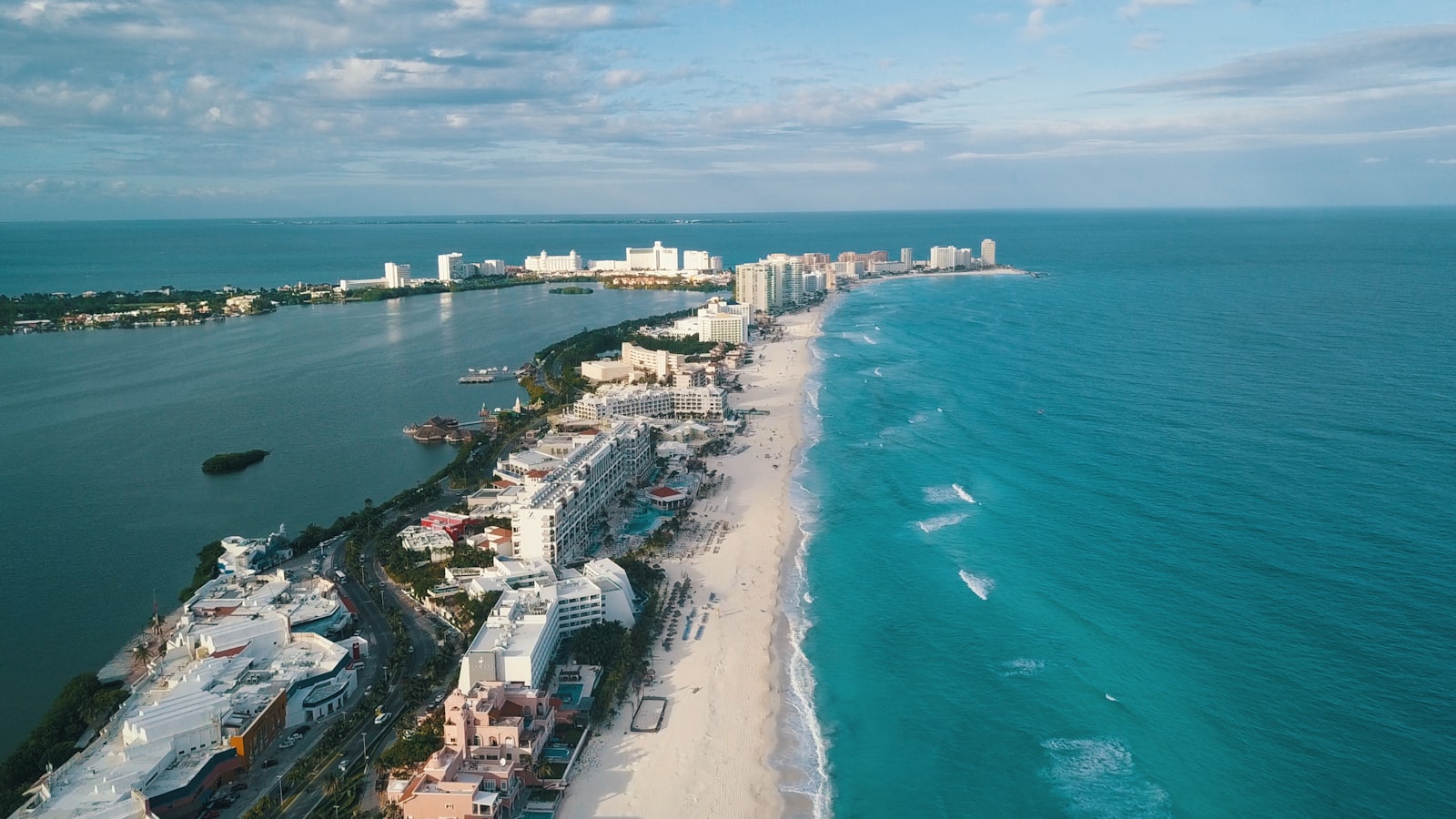
Cancun remains Mexico’s all-inclusive headquarters for straightforward reasons: density, airlift, and range. The Hotel Zone packs dozens of properties along a 14-mile barrier island, from budget-conscious chains to ultra-luxury enclaves. You’ll find direct flights from most major North American cities, often at competitive fares, and ground transfers that rarely exceed 30 minutes.
The destination serves families particularly well. Resorts here lean into kids’ clubs, waterparks, and structured programming, with brands like Moon Palace and Nickelodeon Hotels building entire experiences around multigenerational travel. Adult-only sections and properties exist—Live Aqua and Secrets variants provide quieter alternatives—but Cancun’s baseline assumption is volume and activity.
Pricing spans a wide band. Standard all-inclusive rooms start around $150-$250 per night during shoulder seasons (May, September-October), climbing to $300-$500 for mid-tier properties in peak winter and spring break windows. Top-end resorts and butler-service categories push $600-$1,000+ nightly. The beach itself—broad, powdery, and turquoise—delivers the postcard Caribbean aesthetic, though some stretches face persistent seaweed seasonally, particularly late spring through early fall.
Cancun works best for first-time visitors to Mexico’s beach destinations, groups with varied age ranges, and travelers who value predictability and amenity breadth over distinctive local character. Optimal months: December through April for weather stability, though November and early May offer cost savings with minimal compromise.
Playa del Carmen: Walkable Town Access and Riviera Maya Positioning
Playa del Carmen distinguishes itself through hybrid access. While the hotel zones north and south of town center offer traditional all-inclusive strips, the destination retains a walkable urban core—Quinta Avenida—lined with restaurants, bars, shops, and the ferry terminal to Cozumel. This configuration suits travelers who want the option to leave resort grounds without requiring a taxi or tour.
The resort stock here skews slightly more European and adult-oriented than Cancun, with brands like Playacar Palace, Sandos, and the Mahekal Beach Resort blending all-inclusive models with neighborhood integration. Properties tend toward mid-size—200 to 400 rooms—rather than the mega-complexes common farther north. The beaches are narrower than Cancun’s, with occasional rocky patches, but the town’s social energy compensates for travelers who prioritize variety.
Expect nightly rates from $180-$300 for solid mid-range all-inclusives in shoulder periods, $350-$600 in high season. Luxury adults-only properties command $500-$800+. The proximity to Tulum (45 minutes south) and Cozumel (40-minute ferry) adds day-trip flexibility without changing hotels, a logistical advantage for week-long stays.
Playa del Carmen fits couples and friend groups who want structured resort amenities but also value spontaneous restaurant exploration and nightlife beyond hotel entertainment. Best visited November through April; May and October offer good weather with lower rates, while summer brings heat, humidity, and higher seaweed likelihood.
Tulum: Boutique Emphasis and Boho-Luxe Atmosphere
Tulum operates on a different all-inclusive philosophy. The destination favors smaller properties—often 30 to 100 rooms—with design-forward aesthetics, wellness programming, and eco-conscious branding. True mega-resorts are rare; instead, you’ll encounter boutique hotels that bundle meals, sometimes drinks, and curated experiences into packages that feel less like traditional all-inclusives and more like immersive retreats.
The beach zone stretches along a narrow road bordered by the Caribbean on one side and jungle on the other. Electricity came late here, and many properties still emphasize low-impact design: palapa roofs, natural materials, minimal air conditioning. This translates to higher prices relative to amenities—$400-$700 per night is common for boutique all-inclusive arrangements, with top properties reaching $1,000+ for suites.
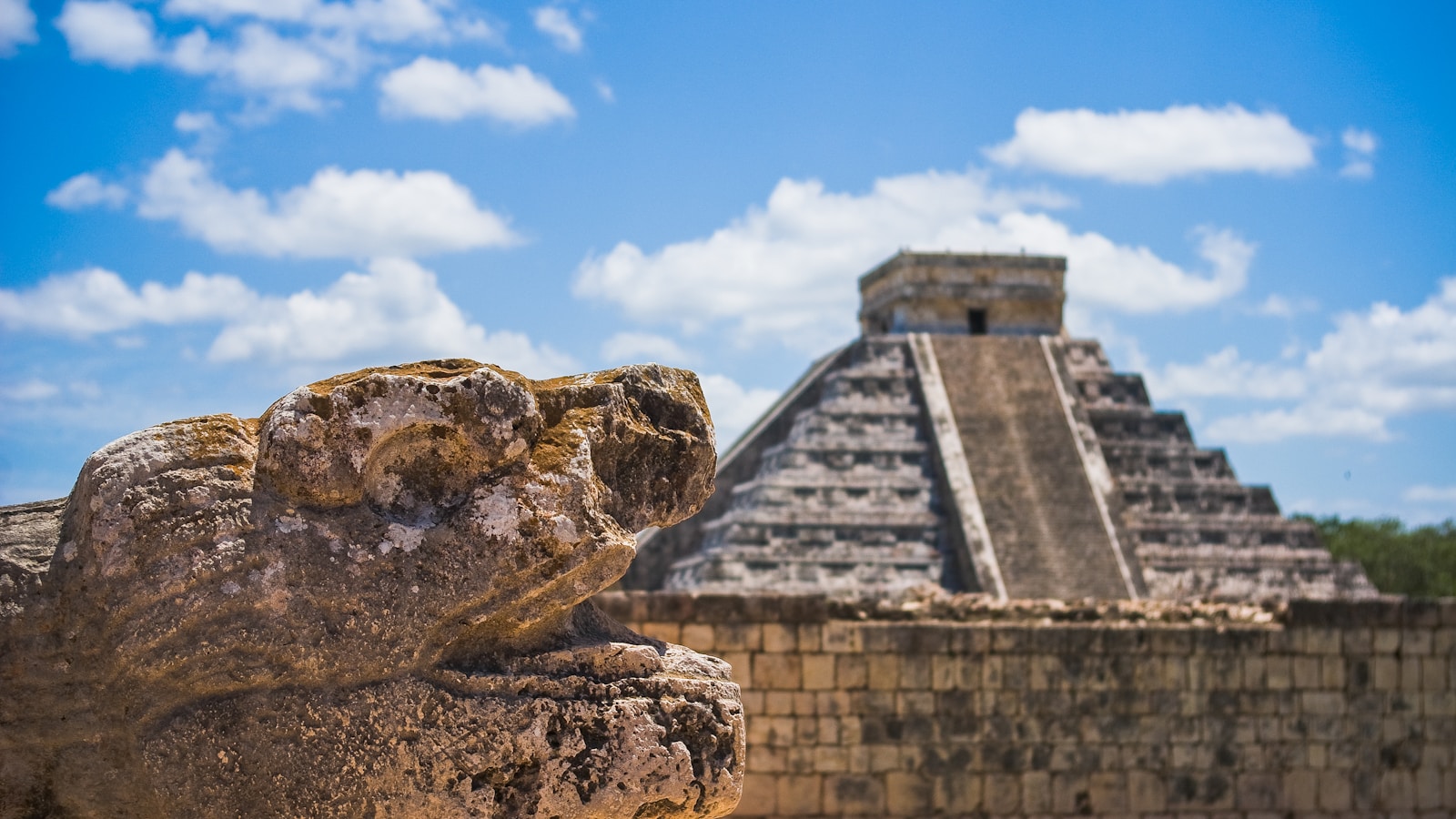
Tulum’s appeal centers on atmosphere rather than facility count. You won’t find sprawling waterparks or nightly Vegas-style shows. Instead, expect beachfront yoga, mezcal tastings, cenote access, and design that photographs exceptionally well. The nearby archaeological site and the town’s growing restaurant scene add cultural texture absent from pure resort zones.
This destination suits design-conscious couples, solo travelers seeking community, and groups prioritizing wellness and aesthetics over activity volume. The lack of major resort infrastructure means fewer families and a quieter, more intentional pace. Optimal months mirror the broader Riviera Maya: December-April for peak conditions, November and May for value, though Tulum’s boutique properties often maintain steadier year-round pricing due to niche positioning.
Cabo San Lucas: Desert Drama and Pacific Energy
Cabo San Lucas and the broader Los Cabos corridor deliver a sharply different aesthetic from the Caribbean side. Here, arid mountains drop into the Pacific and Sea of Cortez, creating a landscape of rock formations, dramatic sunsets, and surf rather than calm turquoise shallows. The water is cooler, swimmable primarily at protected beaches, and the energy feels more rugged.
The all-inclusive inventory concentrates along the Corridor—the 20-mile stretch between Cabo San Lucas and San José del Cabo—and includes major players like Pueblo Bonito, Secrets, and the adults-only Le Blanc. Many properties perch on cliffsides with ocean views but require shuttles or walks to beach access. Those prioritizing in-water time should verify beach quality and wave conditions during booking.
Pricing ranges from $250-$400 nightly for standard all-inclusives in shoulder seasons (May-June, September-October), escalating to $450-$700 in winter high season (December-March). Ultra-luxury resorts and villa-style accommodations reach $1,000+ easily. The destination’s proximity to U.S. West Coast cities—two to three-hour flights from California—makes it logistically efficient for shorter stays.
Cabo suits travelers who prioritize sport fishing, golf (the corridor hosts world-class courses), and vibrant nightlife. The town of Cabo San Lucas itself offers concentrated bar and club scenes, while San José del Cabo provides a quieter, art-gallery-lined alternative. Families visit, but the vibe skews more toward adult groups and couples. Best months: November through May for comfortable temperatures and minimal rain; summer brings intense heat and occasional tropical storm risk.
Punta Mita: Refined Seclusion and Luxury Concentration
Punta Mita, located 45 minutes north of Puerto Vallarta on the Pacific coast, represents Mexico’s highest concentration of luxury all-inclusive and ultra-inclusive resorts. The peninsula hosts a gated development anchored by Four Seasons and St. Regis properties, with additional high-end options like Conrad, W, and boutique villa resorts filling the surrounding area. This isn’t a destination for budget all-inclusives—it’s built explicitly for the premium segment.
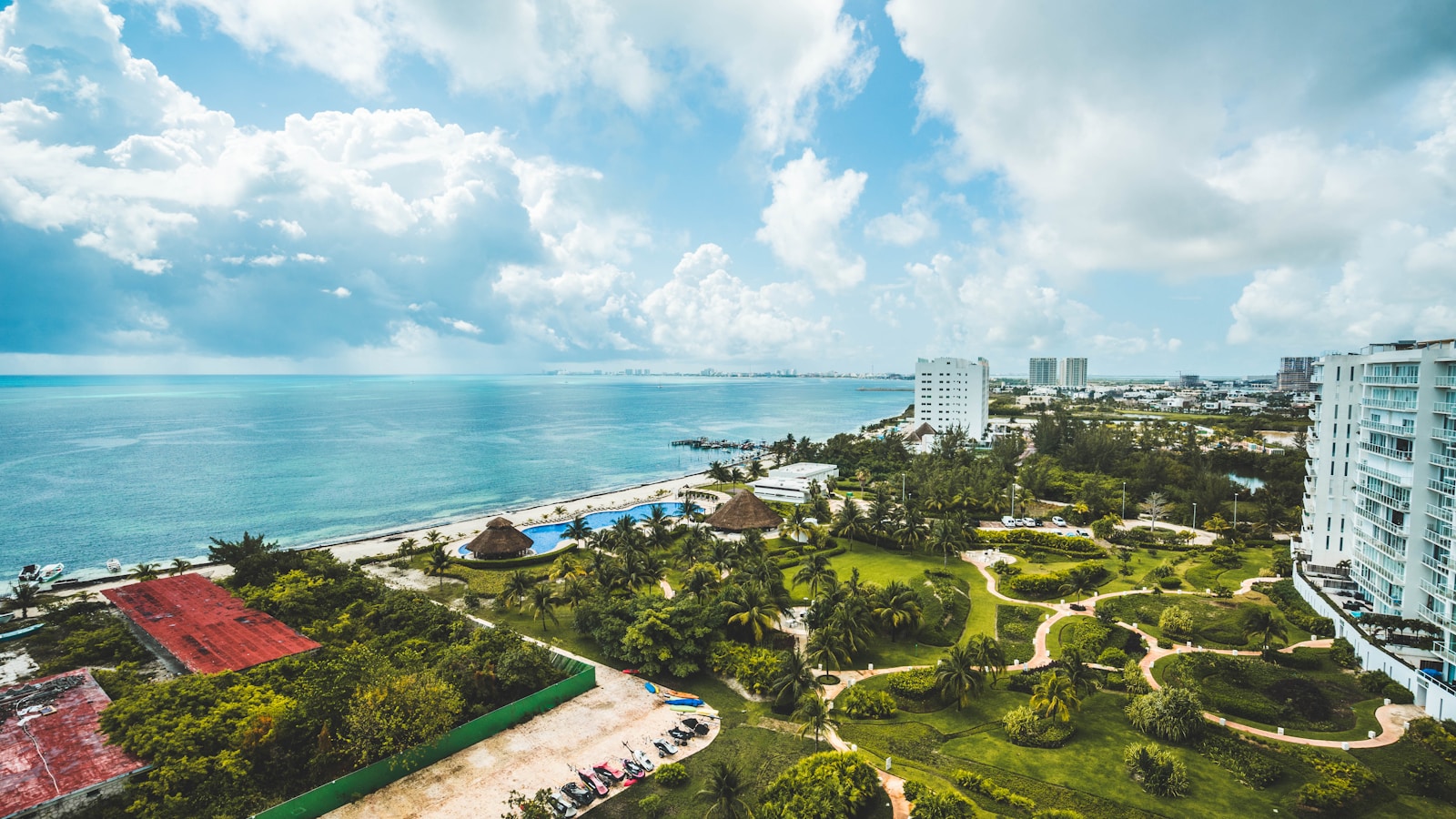
The setting combines Pacific coastline with Sierra Madre mountain backdrops, surf breaks suitable for beginners and intermediates, and golf courses designed by Jack Nicklaus. The beaches here are less crowded than Cabo’s or Cancun’s, partly due to limited public access and partly due to the area’s quieter development ethos. Water temperatures stay comfortable year-round, and the Banderas Bay location provides some shelter from open-ocean swells.
Nightly rates rarely dip below $500 for all-inclusive packages, with most luxury properties ranging $700-$1,200 and multi-bedroom villas or peak-season bookings exceeding $2,000. What you’re paying for: low guest-to-staff ratios, chef-driven dining, personalized service models, and exclusivity. Properties here often cap occupancy and emphasize privacy over animation.
Punta Mita fits well-heeled couples, milestone celebrations, and groups willing to invest significantly for refined experiences and minimal crowds. Families visit, but the atmosphere is hushed compared to Cancun’s energy. Ideal months: November through April for dry, warm weather; May and October offer slight savings but higher humidity. Summer monsoon season (July-September) brings afternoon rains and is best avoided unless rates drop substantially.
Riviera Nayarit: Emerging Stretch Beyond Punta Mita
The broader Riviera Nayarit—extending north from Punta Mita through towns like Sayulita, San Pancho, and up to the Nayarit-Sinaloa border—presents a less developed but growing all-inclusive landscape. Properties here mix international chains with Mexican-owned resorts, often at price points below Punta Mita’s premium tier but above the mass-market offerings in Cancun.
The region’s appeal lies in variety: surfer-friendly beach towns, fishing villages, mangrove estuaries, and stretches of near-empty coastline. All-inclusive resorts cluster in pockets rather than forming continuous hotel zones, which means more distance between properties but also less visual density. Brands like Hard Rock, Iberostar, and boutique groups have staked claims, targeting travelers who want Pacific access without Cabo’s crowds or Punta Mita’s price floor.
Rates typically fall between $200-$450 per night for mid-range to upscale all-inclusives, with seasonal variation similar to other Pacific destinations. The infrastructure is less mature than Cancun’s—some areas require longer transfers from Puerto Vallarta’s airport, and dining options outside resorts can be limited in smaller villages.
This destination rewards travelers seeking undercovered territory, surfers, and those who prefer proximity to authentic Mexican towns over resort-dense strips. Best months align with the Pacific coast calendar: November-May for optimal conditions, with December-February being peak. Summer heat and humidity are significant; visit June-October only if dramatic cost savings justify the trade-offs.
Puerto Vallarta Proper: Urban Resort Hybrid
Puerto Vallarta itself—the city rather than the resort corridors north and south—offers a distinct all-inclusive model. Here, resorts integrate with an established urban grid, cobblestone streets, the Malecón boardwalk, and a functioning town economy not solely dependent on tourism. Properties like Villa Premiere, Secrets Vallarta, and Fiesta Americana Puerto Vallarta cluster along the hotel zone beaches, but downtown and the Romantic Zone remain walkable and vibrant.
This setup mirrors Playa del Carmen’s hybrid advantage: you can commit to all-inclusive convenience while retaining easy access to independent restaurants, galleries, and nightlife. The beaches in town don’t match the postcard perfection of the Riviera Maya or Punta Mita’s exclusivity, but they’re serviceable and the ocean swimmable year-round.
Pricing runs $180-$350 for standard all-inclusives in shoulder periods, $300-$600 in high season. The city’s size and competition keep rates modestly lower than comparable quality in Cabo or Cancun. Puerto Vallarta International Airport serves the region efficiently, with direct flights from across North America.
The destination suits travelers who want resort amenities without isolation, LGBTQ+ travelers (the Romantic Zone is particularly welcoming), and those who value walkable urban texture. Families visit, but the city’s layout favors adults and couples. Optimal timing: November-April for weather, with late April-May offering heat but lower crowds and costs.
How We Evaluated These Destinations
We assessed Mexico’s all-inclusive resort destinations using several criteria: resort density and variety (ensuring genuine choice across price tiers and styles), infrastructure maturity (reliable airport access, transfer efficiency, and beyond-resort options), beach and natural setting quality, seasonal consistency, and alignment with specific traveler profiles. Pricing data reflects observed ranges from partner platforms and industry rate trackers, not promotional offers or first-time user discounts. We excluded destinations with fewer than a dozen all-inclusive properties or those requiring complex multi-leg transfers. Weather guidance derives from historical climate averages; specific year conditions vary. No destination here is universally “best”—each serves different priorities, and the right choice depends on whether you prioritize variety, exclusivity, town access, landscape type, or budget parameters.
Compare These Destinations


Frequently Asked Questions
Which Mexican all-inclusive destination offers the best value for money?
Cancun and Puerto Vallarta typically offer the most competitive pricing due to high resort density and airline competition, with solid mid-range all-inclusives starting around $150-$250 per night in shoulder seasons. Playa del Carmen follows closely. Cabo and Punta Mita skew premium, while Tulum's boutique model commands higher rates for fewer amenities. Value depends on what you prioritize—Cancun delivers the most facilities per dollar, while Puerto Vallarta adds walkable town access at similar cost.
When is the cheapest time to book all-inclusive resorts in Mexico?
May through mid-June and September through early November represent shoulder periods with lower rates across most Mexican destinations, often 30-40% below winter peak pricing. Late August and early September hit the absolute low but coincide with hurricane season's highest risk. Booking windows matter too—rates typically drop 90-120 days out for shoulder periods, while peak winter weeks (December-February) often price best six months in advance. Flash sales occasionally beat these patterns but require flexibility.
Are Cancun or Cabo better for families with young children?
Cancun generally serves families with young children more comprehensively. The destination offers more properties with dedicated kids' clubs, waterparks, and shallow-entry pools. Flight options from eastern North America are broader and often cheaper. Cabo's beaches are less universally swimmable due to Pacific currents and waves, though resorts compensate with pools. Cabo suits families with older children interested in activities like snorkeling, fishing, or surf lessons. For children under eight, Cancun's infrastructure and beach safety provide clearer advantages.
Do all-inclusive resorts in Tulum offer the same amenities as Cancun?
No. Tulum's all-inclusive properties are typically smaller, boutique-focused, and emphasize design and wellness over facility count. You won't find large waterparks, multiple buffets, or nightly entertainment productions common in Cancun. Instead, expect yoga, spa treatments, farm-to-table dining, and curated experiences. Tulum resorts often limit room counts to preserve atmosphere, and some use eco-friendly power systems that affect air conditioning availability. Tulum trades Cancun's volume and variety for aesthetic cohesion and intentional pacing.
Is Punta Mita worth the higher cost compared to other Mexican beach destinations?
Punta Mita justifies its premium for travelers prioritizing service levels, exclusivity, and refined dining over activity variety or nightlife access. The destination offers lower guest density, higher staff-to-visitor ratios, and properties designed around privacy rather than animation. If your priorities include championship golf, quiet beaches, and personalized attention, the cost differential makes sense. If you value resort variety, town exploration, or cost-per-amenity efficiency, destinations like Playa del Carmen or Puerto Vallarta deliver better returns.
Can you easily leave all-inclusive resorts in Mexico to explore local areas?
It depends on the destination. Playa del Carmen and Puerto Vallarta offer the easiest off-resort exploration, with walkable town centers, public beaches, and independent dining within short distances. Cancun's Hotel Zone requires taxis but provides access to downtown and nearby towns. Tulum's beach zone is more isolated but the town is reachable by bike or taxi. Cabo's Corridor resorts and Punta Mita's gated enclave require deliberate planning and transportation to leave property. Resort location within each destination significantly affects exploration ease.