






Adventure travel in 2026 spans rainforest zip-lining in Costa Rica, alpine trekking in New Zealand, surfing Morocco's Atlantic coast, and wildlife safaris near Cape Town. We prioritize destinations with reliable infrastructure, year-round or seasonal accessibility, diverse activity options, and accommodations from budget hostels to mid-range lodges. Vietnam's karst landscapes and Iceland's volcanic terrain also rank high for thrill-seekers.
Adventure travel keeps evolving, but the fundamentals remain the same: accessible wilderness, dependable logistics, and activities that push comfort zones without requiring sponsorship deals or specialist gear. The destinations below made our 2026 list because they balance those elements while offering genuine variety—surf breaks and summits, desert crossings and jungle canopy tours, wildlife encounters and multi-day treks. We’ve noted typical price ranges for mid-tier hotels based on partner booking data, though rates shift with season and demand. No destination here demands months of training or five-figure budgets, and each works for travelers who want more than a resort stay but less than an expedition.
The adventure travel category has broadened in recent years, pulling in soft-adventure options alongside classic adrenaline pursuits. That’s reflected in this list: some picks suit first-timers testing their limits, others reward experienced trekkers and climbers. What they share is infrastructure mature enough to handle independent travel, enough English to navigate bookings and safety briefings, and a critical mass of operators competing on price and quality.
Costa Rica: Rainforest Canopy and Two-Coast Surf
Costa Rica has spent decades fine-tuning its adventure infrastructure, and it shows. The country packs cloud forests, active volcanoes, Pacific and Caribbean coastlines, and whitewater rivers into a landmass smaller than West Virginia. Zip-lining through Monteverde’s canopy remains a staple, but the real draw for many is the sheer density of activities within short travel windows: you can surf Tamarindo in the morning, soak in Arenal hot springs by evening, and raft the Pacuare River the next day.
The Pacific coast delivers consistent surf from April through October, with breaks ranging from mellow beach breaks at Nosara to more demanding reef setups near Santa Teresa. Monteverde and the Osa Peninsula offer serious hiking, the latter home to Corcovado National Park and some of Central America’s highest biodiversity counts. Manuel Antonio blends accessible trails with decent snorkeling, though crowds peak during North American winter holidays.
Lodging: Budget hostels start around $15–25 per night; mid-range eco-lodges and beach hotels typically run $80–150. Upscale jungle retreats can push $250–400, especially near Arenal and the Osa Peninsula.
Best months: December through April for dry-season reliability on the Pacific side. May through November brings rain but lower prices and emptier trails; the Caribbean coast (Puerto Viejo, Tortuguero) reverses that pattern, with better weather from September to October and February to April.
Who it suits: First-time adventure travelers, families with older kids, couples mixing adrenaline with downtime. English is widespread, operators are accustomed to varying skill levels, and medical facilities in San José are solid. The country’s “pura vida” ethos translates to a laid-back vibe that takes the edge off logistical hiccups.
New Zealand: Alpine Trails and Year-Round Adrenaline
New Zealand built its tourism reputation on scenery and safe thrills, and both remain top-tier. The South Island’s Southern Alps anchor multi-day treks like the Milford, Routeburn, and Kepler tracks—all managed through a Department of Conservation hut system that keeps permits and gear requirements simpler than comparable routes in Nepal or Patagonia. Queenstown functions as an adrenaline hub: bungee jumping, skydiving, jet boating, and canyon swinging all operate year-round with rigorous safety oversight.
The North Island offers a different mix—volcanic hikes around Tongariro, black-sand surf beaches on the west coast, and geothermal zones near Rotorua. Mountain biking has surged in the past decade, with purpose-built trail networks in Rotorua, Queenstown, and the newer Craters of the Moon terrain. Heli-skiing and glacier hiking (Franz Josef, Fox Glacier) cater to higher budgets, though glacier access has tightened as ice fields recede.
Lodging: Hostel dorm beds sit around $25–40 NZD; private rooms in motels or budget hotels run $90–140 NZD. Mid-range lodges and boutique stays often fall between $180–280 NZD, while luxury lodges in Fiordland or Central Otago can exceed $500 NZD per night.
Best months: November through March for tramping (hiking) and alpine activities; June through September for skiing and snowboarding. Shoulder seasons—April, May, October—offer fewer crowds and stable weather, though some high-country huts close.
Who it suits: Solo travelers, groups seeking multi-activity itineraries, and anyone prioritizing safety infrastructure. English is universal, trail signage is thorough, and the country’s compact size makes it feasible to sample both islands in two to three weeks. The cost is higher than Southeast Asia or Central America, but so is the ease of navigation.
Vietnam: Karst Peaks, Jungle Trails, and Coastal Kite Surfing
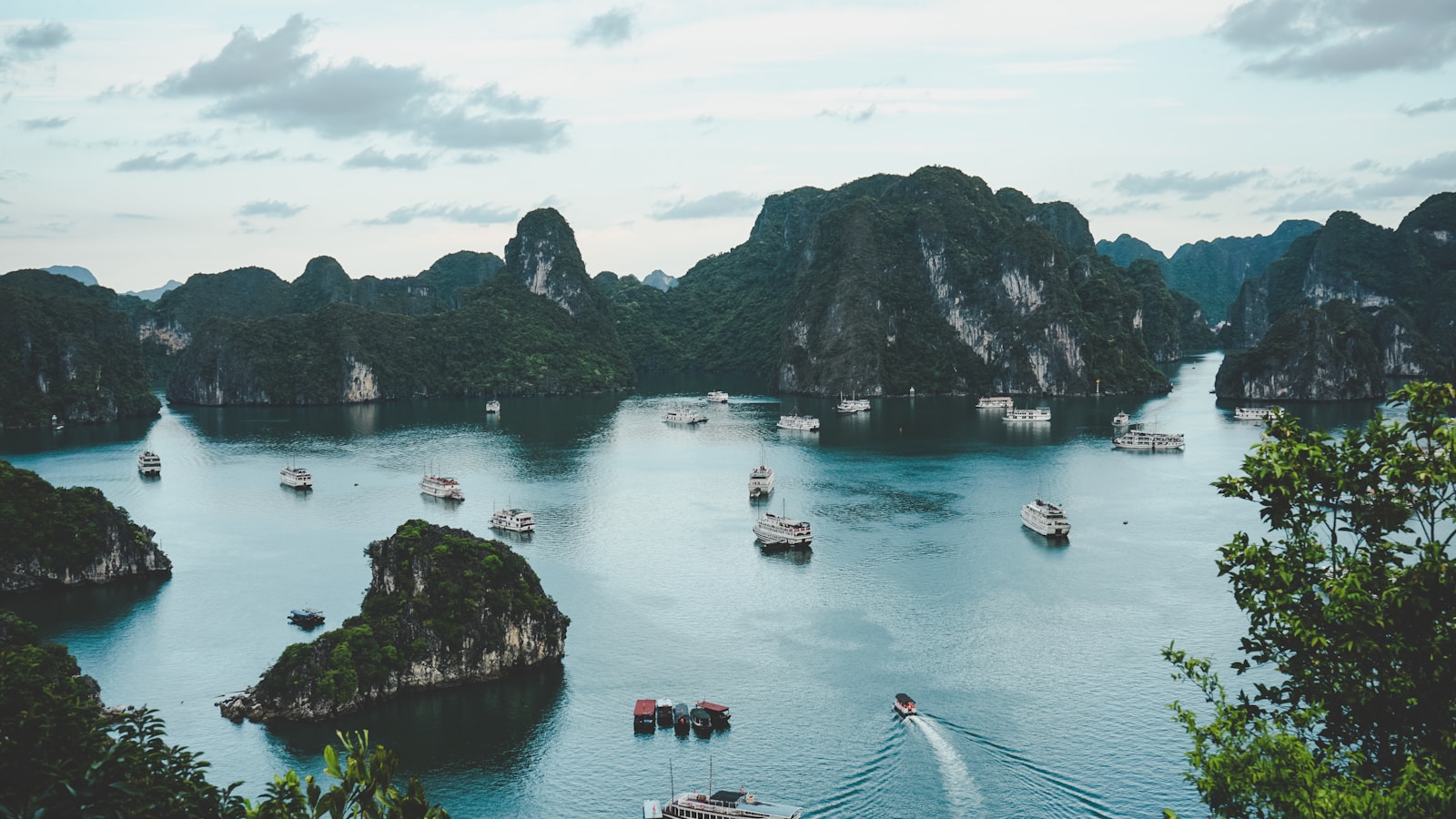
Vietnam delivers adventure on a budget, with karst landscapes in the north, central highlands for trekking, and a long coastline that’s caught the attention of kite surfers and rock climbers. Ha Long Bay’s limestone pillars are the postcard image, but nearby Cat Ba Island and the less-trampled Lan Ha Bay offer kayaking and rock climbing with fewer tour boats. Sapa and the northern highlands remain the go-to for multi-day treks through terraced rice paddies and hill-tribe villages, though infrastructure improvements mean you’ll rarely feel off-grid.
Central Vietnam’s Phong Nha-Ke Bang National Park hosts some of the world’s largest cave systems, including Son Doong—though that requires a multi-day expedition and a roughly $3,000 permit. More accessible options like Paradise Cave and Dark Cave offer half-day or full-day tours. The coastal city of Mui Ne has evolved into a kite-surfing hub, with consistent wind from November through March and a cluster of schools catering to beginners.
Lodging: Budget guesthouses start at $10–20 per night; mid-range hotels typically run $35–70. Boutique properties in Hoi An, Hanoi’s Old Quarter, or beach resorts near Nha Trang can reach $100–180, though competition keeps prices lower than comparable Southeast Asian destinations.
Best months: October through April for the north and central regions; May through September is hot and humid, with typhoons possible along the coast. Southern Vietnam (Ho Chi Minh City, Mekong Delta) stays warm year-round, with a rainy season from May to November.
Who it suits: Budget-conscious travelers, backpackers, and those comfortable with a bit of chaos. English proficiency varies, especially outside major hubs, but booking apps and translation tools bridge most gaps. The food is exceptional, the pace is fast, and the variety of landscapes means you can pivot from mountain trekking to beach lounging without long transits.
Morocco: Sahara Treks and Atlantic Surf
Morocco layers desert expeditions, mountain hikes, and Atlantic swells into a North African package that’s easier to navigate than its reputation suggests. The High Atlas Mountains offer trekking routes around Toubkal—North Africa’s highest peak—with summer ascents manageable for fit hikers and winter climbs requiring crampons and ice-axe skills. Multi-day treks through Berber villages provide cultural immersion alongside the physical challenge, and guides are easy to hire in Imlil or Marrakech.
The Sahara draws visitors for camel treks and overnight camps near Merzouga or M’Hamid, though the “desert” experience is more scrubland and dunes than endless sand seas. Still, the night skies and silence deliver. On the coast, Taghazout and nearby breaks have become a European surf destination, with consistent swells from October through March, warm water, and a growing roster of surf camps and hostels.
Lodging: Riads and budget hotels in Marrakech or Fes start around $20–40 per night; mid-range options run $60–120. Surf camps in Taghazout often bundle accommodation and lessons for $30–60 per day. High-end desert camps and boutique riads can push $200–350, especially in peak season.
Best months: March through May and September through November for trekking; the Atlas gets snow and cold from December through February, while summer heat (June to August) can be punishing at lower elevations. Coastal surf is best October through March, though water temperatures stay mild year-round.
Who it suits: Travelers seeking cultural depth alongside physical activity, surfers looking for uncrowded breaks, and anyone willing to negotiate and navigate a bit of hassle. French and Arabic dominate, though English is increasingly common in tourist zones. The food, architecture, and markets add texture that pure-adventure destinations sometimes lack.
Iceland: Volcanoes, Glaciers, and Midnight Sun Hikes
Iceland’s volcanic terrain and glacial rivers create an adventure playground that feels more alien than remote. The Laugavegur Trail is the marquee trek—four to five days through geothermal valleys, lava fields, and black-sand deserts, typically hiked from late June through early September when huts and weather are most reliable. Glacier hikes on Vatnajökull and Sólheimajökull are accessible as half-day tours, with operators providing crampons and guides. Ice cave tours run during winter months, when glacial melt stabilizes and blue ice caves become navigable.
River rafting, snorkeling the Silfra fissure (between tectonic plates), and off-road highland driving draw smaller crowds but require more planning or higher budgets. The midnight sun from May through July extends activity windows, while winter (November to February) brings Northern Lights potential but limited daylight and road closures in the interior.
Lodging: Hostels and guesthouses start around $50–80 per night for dorm beds or basic private rooms; mid-range hotels run $120–200. Reykjavik accommodation skews pricier, while rural guesthouses and farmstays offer better value. Mountain huts on the Laugavegur cost around $60–80 per night and book out months ahead.
Best months: June through August for trekking and highland access; September and April–May for shoulder-season deals and fewer crowds, though weather is less predictable. December through February for Northern Lights and winter activities, accepting short daylight hours and potential road disruptions.
Who it suits: Photographers, solo travelers, and those who prioritize landscapes over cultural immersion. English is nearly universal, infrastructure is excellent, and safety standards are high—but costs can add up quickly. Renting a 4×4 and self-catering helps manage budgets, though many prefer guided tours for glacier and ice-cave activities.
South Africa (Cape Town and Garden Route): Sharks, Peaks, and Coastal Trails
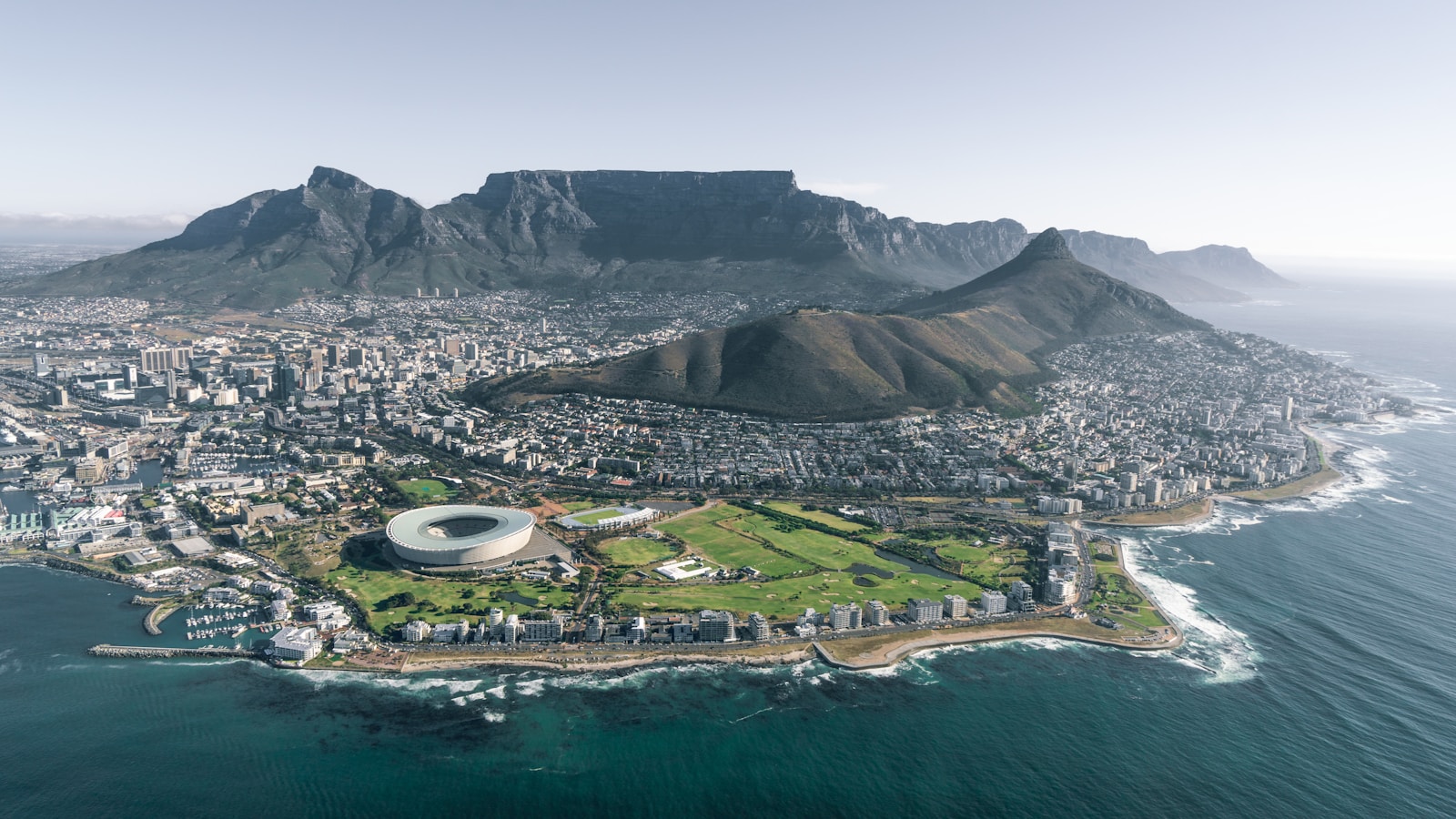
Cape Town serves as a base for Table Mountain hikes, shark-cage diving in Gansbaai, and multi-day drives along the Garden Route. The city’s iconic flat-topped peak offers dozens of routes—some scrambles, others straightforward climbs—and the cable car provides a bail-out option if weather turns. Lion’s Head is the quick summit for sunrise or sunset, while the Twelve Apostles and Skeleton Gorge offer longer, quieter trails.
Shark-cage diving operates year-round but peaks from April to September, when great whites congregate off Dyer Island. The experience is divisive—some find it thrilling, others feel it’s overhyped—but operators maintain solid safety records. The Garden Route, stretching east from Cape Town to Port Elizabeth, layers coastal hikes (Otter Trail, Tsitsikamma), bungee jumping at Bloukrans Bridge, and canopy tours through indigenous forests. Addo Elephant National Park and private reserves near Kruger offer safari add-ons, though the latter requires a separate flight or long drive.
Lodging: Cape Town hostels start around $12–20 per night; mid-range hotels and guesthouses run $60–120. Garden Route towns (Knysna, Plettenberg Bay) offer similar ranges, with backpacker lodges and self-catering cottages common. Luxury safari lodges near Kruger can exceed $400–600 per night, all-inclusive.
Best months: September through April for Cape Town and the Garden Route, when weather is warmer and drier. May through August brings winter rains and cold, though it’s peak season for shark diving and whale watching (southern right whales in Hermanus). Safari regions are year-round, with dry winter months (May to September) offering better wildlife viewing.
Who it suits: Wildlife enthusiasts, hikers who want ocean views, and travelers comfortable navigating a car-dependent region. English is the primary language in tourism sectors, roads are well-maintained, and Cape Town’s food and wine scene adds appeal. Safety concerns exist in certain urban areas, but standard precautions and reliable transportation minimize risks.
Patagonia (Argentina and Chile): Wind, Ice, and Multi-Day Treks
Patagonia’s reputation hinges on a handful of iconic treks: Torres del Paine’s W and O circuits in Chile, and Argentina’s Fitz Roy massif near El Chaltén. Both deliver jagged peaks, glacial lakes, and weather that shifts from sun to sleet within hours. The W Trek takes four to five days, with refugio (hut) or camping options; the longer O Circuit adds another three to four days and sees fewer hikers. El Chaltén’s trails are mostly day hikes—Laguna de los Tres and Laguna Torre are the classics—though multi-day routes into the Southern Patagonian Ice Field require guides and experience.
Perito Moreno Glacier near El Calafate offers accessible ice trekking, with half-day or full-day tours on the glacier’s surface. Ushuaia, the world’s southernmost city, functions as a jumping-off point for Tierra del Fuego National Park hikes and Antarctic cruises, though the latter is a budget-buster. The region’s remoteness and wind are defining features—expect gusts that flatten tents and cancel flights.
Lodging: El Chaltén and Puerto Natales hostels start around $20–35 per night; mid-range hotels run $80–140. Refugios on the W Trek cost $60–100 per night with meals included, though camping is cheaper at $30–50. El Calafate skews pricier, with mid-range hotels at $100–180 and luxury lodges exceeding $300.
Best months: November through March is the trekking season, with December and January seeing the most crowds and highest prices. Shoulder months (November, March) offer better deals and fewer hikers, though some refugios and services may not be fully operational. April through October is off-season, with heavy snow, closures, and extreme cold.
Who it suits: Experienced hikers who want dramatic scenery and don’t mind unpredictable weather. Logistics require advance planning—permits for Torres del Paine sell out months ahead, and flights to Patagonia connect through Buenos Aires or Santiago, adding travel time. Spanish proficiency helps but isn’t essential, and tour operators in Puerto Natales and El Chaltén cater to international travelers.
Japan (Japanese Alps and Hokkaido): Temple Trails and Backcountry Powder
Japan doesn’t top most adventure lists, but the Japanese Alps offer accessible multi-day treks through alpine terrain, while Hokkaido delivers some of the world’s best powder skiing. The Tateyama Kurobe Alpine Route and trails around Kamikochi provide summer trekking with mountain huts every few hours—Japan’s hut system rivals New Zealand’s for comfort and efficiency, with meals included and bookings available online.
Hokkaido’s ski resorts—Niseko, Furano, Rusutsu—draw international crowds for deep, dry snow from December through February. Backcountry access is straightforward for those with avalanche training, and guided tours cater to varying skill levels. The Kumano Kodo pilgrimage trails on the Kii Peninsula blend cultural and physical experiences, with routes passing centuries-old temples and shrines, punctuated by stays in traditional ryokan.
Lodging: Mountain huts in the Alps cost around $60–100 per night with meals; ryokan along the Kumano Kodo range from $80–200, depending on amenities. Hokkaido ski towns offer hostels starting at $30–50 and mid-range hotels at $100–180. Tokyo and Kyoto accommodation adds cost but isn’t required for adventure-focused itineraries.
Best months: July through September for alpine trekking, when huts are open and snow has cleared from higher elevations. December through February for skiing, though January brings the deepest snow and coldest temperatures. April and May offer cherry blossoms and fewer crowds, but mountain access is still limited.
Who it suits: Travelers who want adventure infrastructure at its most refined, skiers chasing powder, and those who appreciate cultural layers alongside physical activity. English signage is improving but remains patchy outside major cities, and Japan’s higher costs mean daily budgets trend above Southeast Asia or Central America. The payoff is exceptional food, safety, and efficiency that makes logistics nearly frictionless.
How We Chose These Destinations
We built this list by prioritizing destinations with reliable infrastructure, diverse activity offerings, and accessibility for travelers who don’t have specialized training or unlimited budgets. Each location needed a range of accommodation options, transparent pricing from local operators, and enough English-language resources to handle bookings and safety briefings independently. We cross-referenced partner booking data for typical hotel costs, consulted activity operator websites for seasonal windows, and verified that medical facilities and evacuation logistics exist within reasonable reach.
We excluded destinations where political instability, recent natural disasters, or prohibitive permit costs create unnecessary friction. We also skipped places that require months of advance planning or depend on a single activity—variety matters, since weather, fitness, or mood can shift plans mid-trip. Every destination here supports solo travelers, small groups, and couples, with options spanning soft adventure (guided day hikes, beginner surf lessons) to more demanding pursuits (multi-day treks, technical climbs). Pricing reflects mid-range expectations; budget travelers can cut costs by choosing hostels and self-catering, while those with larger budgets will find upscale lodges and private guides widely available.
We didn’t rank these destinations in order of preference—your ideal choice depends on climate tolerance, activity priorities, and whether you value cultural immersion or pure landscape. What they share is a proven track record of delivering adventure travel experiences without the hype or hidden costs that plague less-established markets.
Compare These Destinations

Frequently Asked Questions
What is the cheapest adventure travel destination for 2026?
Vietnam and Morocco offer the lowest daily costs, with budget accommodation starting around $10–20 per night and meals for $3–8. Activity costs—kayaking in Ha Long Bay, trekking near Sapa, or surfing in Taghazout—typically run $20–50 per day. Costa Rica and South Africa sit slightly higher, while New Zealand, Iceland, and Patagonia require larger budgets due to accommodation and activity operator pricing.
Do I need travel insurance for adventure activities?
Yes. Standard travel insurance often excludes activities like bungee jumping, heli-skiing, or scuba diving below certain depths. Look for policies that explicitly cover your planned activities, including emergency evacuation and medical treatment. Many adventure operators require proof of insurance before allowing participation. Premiums vary based on coverage limits and activity risk levels, typically adding $50–150 for a two-week trip.
Can beginners handle these adventure destinations?
Most destinations on this list offer beginner-friendly options alongside advanced activities. Costa Rica, New Zealand, and South Africa have mature tourism industries with operators accustomed to varying skill levels. Vietnam and Morocco require more self-reliance but still cater to first-timers. Patagonia and Iceland demand better fitness and weather awareness. Always communicate your experience level when booking, and don't hesitate to choose guided options for technical activities.
What is the best time of year for adventure travel?
It depends on the destination and activity. Shoulder seasons—April to May and September to October in many regions—offer fewer crowds and stable weather, though some high-altitude trails or seasonal activities may be unavailable. Summer (June to August in the Northern Hemisphere, December to February in the Southern) brings peak conditions but higher prices and busier trails. Winter works for skiing, desert trekking, and certain wildlife experiences.
How far in advance should I book adventure travel?
For popular treks like Torres del Paine or New Zealand's Great Walks, book huts and permits three to six months ahead. Patagonia and Iceland summer accommodations fill early, so secure lodging two to three months out. Vietnam, Morocco, and Costa Rica allow more flexibility, though Christmas and New Year periods require advance booking everywhere. Guided activities like shark-cage diving or ice-cave tours often need only one to two weeks' notice outside peak season.
Are these destinations safe for solo travelers?
Yes, with standard precautions. New Zealand, Iceland, Japan, and Costa Rica have low crime rates and robust tourist infrastructure. Vietnam, Morocco, and South Africa require more situational awareness—avoid walking alone at night in cities, use reputable transportation, and keep valuables secure. Solo travelers often join group tours or stay in hostels to meet others. Women traveling solo should research destination-specific considerations, particularly in Morocco and parts of South Africa.