








Quick Answer
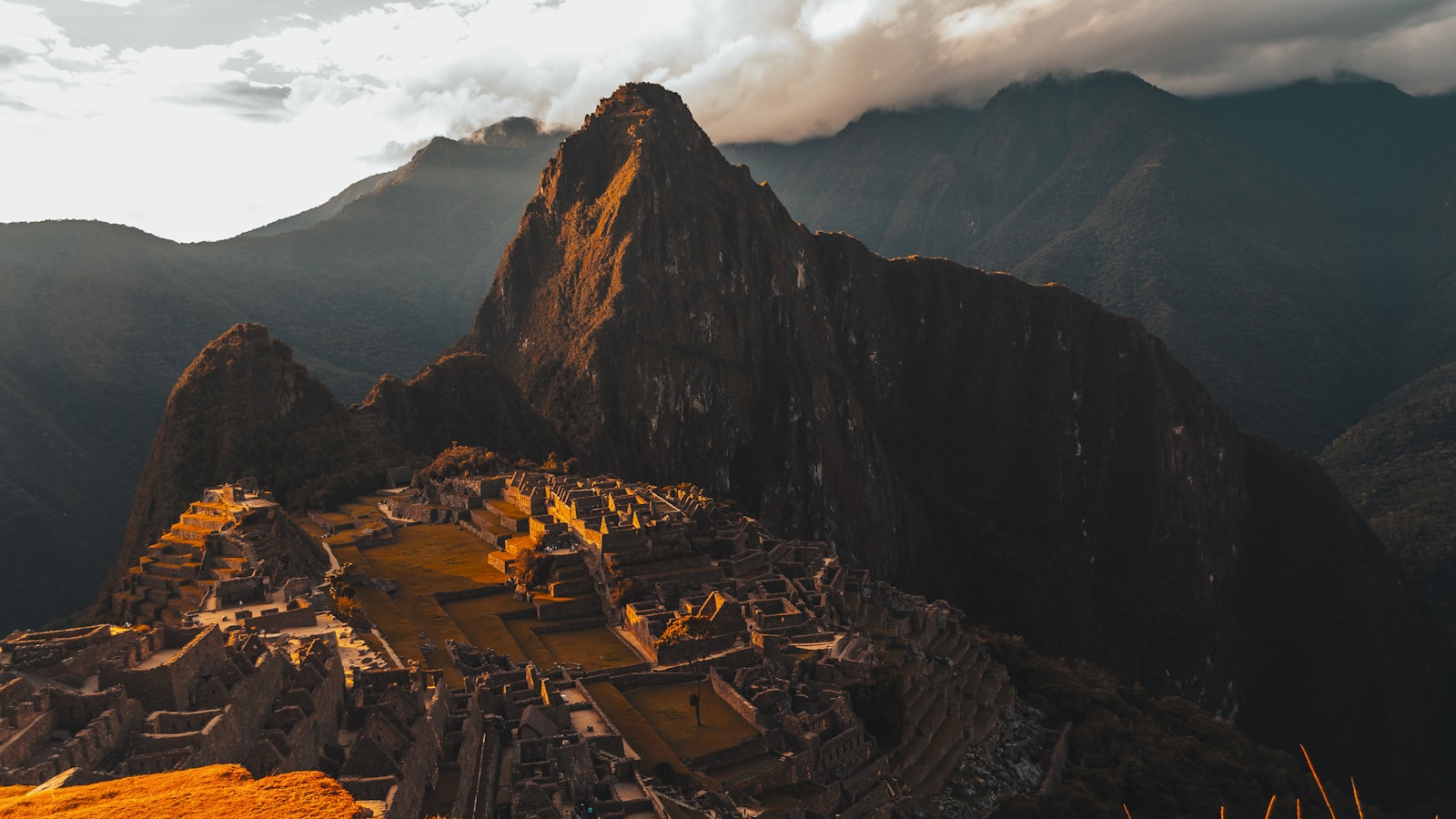
Sacred Valley is famous for its Inca ruins, traditional Quechua communities, and dramatic Andean scenery stretching between Cusco and Machu Picchu. Hotels start from $95/night, and the dry season from May through October is the most reliable window for clear skies and comfortable trekking conditions.
Explore Sacred Valley in Detail
Find Hotels in Sacred Valley
Hotel listings for Sacred Valley are currently being updated.
Top Tours in Sacred Valley

Sacred Valley Full-Day Ruins and Market Tour
Visits Pisac ruins and market, the Maras salt ponds, Moray terraces, and Ollantaytambo fortress with a Spanish and English-speaking guide. Lunch at a local Urubamba restaurant is included.
Book This Tour →
Ollantaytambo Citadel Walking Tour with Local Guide
Explores the Inca fortress terraces and water fountains of Ollantaytambo with a Quechua-speaking guide who covers the site's role in the 1536 resistance against Spanish forces.
Book This Tour →
Urubamba Food and Market Experience
Walks through Urubamba's central market sampling chicha morada, cuy, and chupe de camarones, then visits a Chinchero weaving cooperative to see natural dye techniques firsthand.
Book This Tour →Top Things to Do in Sacred Valley
The experiences travelers come back to Sacred Valley for, year after year.
Itineraries for Sacred Valley
Day-by-day plans built by travelers who actually went.
Sacred Valley in 3 Days
The essential first-time itinerary — the must-sees you came for, plus the local moments you came home talking about.
Sacred Valley for Couples
Quiet mornings, slow dinners, and the views the brochures don't show. Built for two.
Sacred Valley with Kids
Activities everyone enjoys, restaurants that welcome little ones, and downtime built into the plan.
Getting Around Sacred Valley
Renting a car is one of the best ways to explore Sacred Valley at your own pace. Compare rates from all major suppliers in one search.
Best Time to Visit Sacred Valley
Best months to visit Sacred Valley: April–June and September–October offer mild weather and fewer crowds. July–August is peak season. December–February is coldest but cheapest.
Why Visit Sacred Valley?
The Sacred Valley of the Incas, known locally as Valle Sagrado, runs along the Urubamba River between Cusco and Aguas Calientes and holds some of the most intact Inca archaeological sites in Peru. Travelers find that Ollantaytambo stands out as the valley’s most compelling town, with a functioning Inca street grid and a massive hillside fortress where massive fitted stone terraces rise above the plaza. Entry to the ruins is covered by the Boleto Turistico, a regional pass that costs around 130 soles and bundles access to several sites. Pisac, at the eastern end of the valley, offers both a sprawling hilltop citadel with agricultural terraces and ceremonial baths, and a market in the town plaza where artisans sell woven textiles and ceramics most days of the week, with Sunday drawing the largest crowds.
Beyond the archaeological circuit, the valley rewards slower travel. The Maras salt ponds, a network of roughly 3,000 terraced evaporation pools still worked by local families, sit about 7 kilometers from the village of Maras and can be reached by a short hike or by hiring a taxi from Urubamba for around 40 soles. Nearby, the circular Inca agricultural terracing at Moray presents concentric rings descending into the earth, believed to have functioned as a crop laboratory testing microclimates. In terms of food, travelers consistently highlight dining in Urubamba, which has become the valley’s culinary center. Restaurants there serve cuy al horno, slow-roasted guinea pig presented whole, as well as chupe de camarones, a thick Andean shrimp chowder made with local river prawns. The elevation throughout the valley sits between roughly 2,800 and 3,000 meters above sea level, noticeably lower than Cusco’s 3,400 meters, which makes it a popular acclimatization base before heading higher.
For travelers interested in living culture rather than ruins alone, several communities around Chinchero and Pisac offer textile weaving demonstrations run by Quechua women’s cooperatives, where visitors can watch natural dyeing using cochineal and native plants and purchase directly from the weavers. Chinchero itself has a colonial church built on Inca foundations overlooking a broad plateau with views toward the snow-capped peaks of the Chicón and Pitusiray ranges. The combination of accessible archaeology, working agricultural traditions, and a landscape that shifts from cloud forest to open valley floor makes Sacred Valley a destination that holds up well beyond a single day trip from Cusco.
Frequently Asked Questions — Sacred Valley
How much do hotels in Sacred Valley cost?
Budget guesthouses and hostals in towns like Ollantaytambo and Urubamba start from around $95/night for a clean private room. Mid-range properties with breakfast and valley views typically run $95 to $200 per night. Luxury hacienda-style lodges, particularly around Urubamba, can reach $400 or more per night.
When is the best time to visit Sacred Valley?
The dry season from May through October brings clear skies, cooler nights, and the most stable trekking conditions, making it the most popular window. June and July are the busiest months, so booking accommodation and site tickets in advance is practical. The wet season from November through April sees fewer crowds and greener landscapes, but afternoon rain showers are frequent.
How many days do I need in Sacred Valley?
Two to three days allows enough time to visit Pisac, Ollantaytambo, Maras, and Moray without rushing. Staying three nights also gives you a day to explore Chinchero and browse the market there. Travelers using the valley as an acclimatization stop before Machu Picchu often find this length comfortable before continuing by train from Ollantaytambo.
Is Sacred Valley safe for tourists?
The Sacred Valley is generally considered safe for tourists, with the main towns of Pisac, Urubamba, and Ollantaytambo being well-accustomed to visitors. Standard precautions apply, such as keeping valuables out of sight in markets and using registered taxis rather than unmarked vehicles. Altitude sickness is a more practical concern than crime for most visitors, given elevations of 2,800 to 3,000 meters.
What area should I stay in?
Ollantaytambo is a popular base because it sits at the western end of the valley near the train station for Machu Picchu and has a walkable Inca-era town center. Urubamba, in the center of the valley, offers the most restaurant and service options and easier access to Maras and Moray. Pisac suits travelers who want to be near the Sunday market and the eastern ruins with a quieter town feel.
How do I get around Sacred Valley?
Colectivo minibuses run frequently between Pisac, Urubamba, and Ollantaytambo along the main road and cost 5 to 10 soles per leg. Private taxis can be hired in any of the main towns for day trips to Maras and Moray, typically for 60 to 100 soles depending on distance and waiting time. The train between Ollantaytambo and Aguas Calientes, operated by PeruRail and Inca Rail, is the standard connection to Machu Picchu.
What food should I try in Sacred Valley?
Cuy al horno, whole roasted guinea pig, is the regional specialty and is served at traditional restaurants in Urubamba and Pisac. Chupe de camarones, a hearty Andean river shrimp soup thickened with potato and chili, is common along the Urubamba River corridor. Chicha morada, a sweet non-alcoholic drink made from purple corn, and chicha de jora, the fermented corn beer used in Inca ceremonies, are both worth trying and available at most local markets.