








Quick Answer
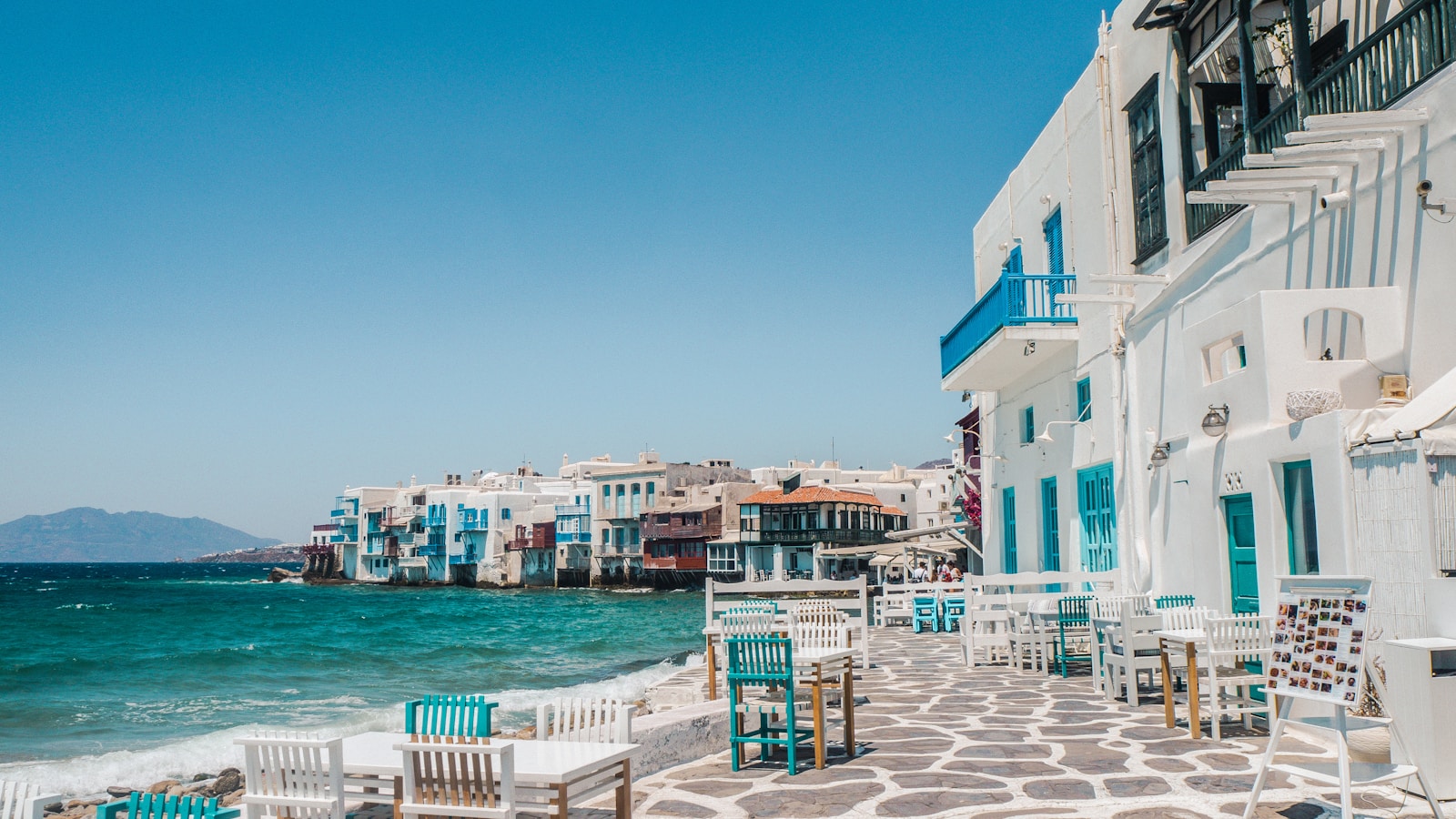
Rhodes is famous for its UNESCO-listed medieval Old Town and long stretches of Aegean coastline. Hotels start around $105/night, making it accessible without going budget-only. The sweet spot for visiting is late April through June or September through October, when crowds thin and temperatures stay comfortable for both sightseeing and swimming.
Explore Rhodes in Detail
Find Hotels in Rhodes
Hotel listings for Rhodes are currently being updated.
Top Tours in Rhodes

Rhodes Old Town Medieval Walking Tour
A guided walk through the Old Town's Street of the Knights, the Palace of the Grand Master, and the Ottoman-era Suleiman Mosque, with context on the island's layered history from Byzantine to Knights Hospitaller rule.
Book This Tour →
Lindos Village and Acropolis Day Trip from Rhodes Town
Guided coach transfer to Lindos, time at the clifftop Acropolis overlooking St. Paul's Bay, and a free afternoon to explore the whitewashed village lanes and grab lunch at a harbourside taverna.
Book This Tour →
Rhodes Street Food and Taverna Tasting Tour
Small-group evening tour through the Old Town market and Nea Agora area sampling pitaroudia, grilled octopus meze, and local Emery white wine, with stops at family-run spots off the main tourist drag.
Book This Tour →Top Things to Do in Rhodes
The experiences travelers come back to Rhodes for, year after year.
Itineraries for Rhodes
Day-by-day plans built by travelers who actually went.
Rhodes in 3 Days
The essential first-time itinerary — the must-sees you came for, plus the local moments you came home talking about.
Rhodes for Couples
Quiet mornings, slow dinners, and the views the brochures don't show. Built for two.
Rhodes with Kids
Activities everyone enjoys, restaurants that welcome little ones, and downtime built into the plan.
Getting Around Rhodes
Renting a car is one of the best ways to explore Rhodes at your own pace. Compare rates from all major suppliers in one search.
Best Time to Visit Rhodes
Best months to visit Rhodes: April–June and September–October offer mild weather and fewer crowds. July–August is peak season. December–February is coldest but cheapest.
Why Visit Rhodes?
Rhodes sits at the southeastern edge of the Aegean, and travelers find it unusually rewarding because it layers ancient history, medieval architecture, and genuine beach time into one island. The Old Town of Rhodes is one of the best-preserved medieval fortified cities in Europe, surrounded by walls built by the Knights of St. John in the 14th and 15th centuries. Walking the Street of the Knights, a remarkably intact cobblestone lane lined with the inns of the various knightly orders, takes about 20 minutes at a leisurely pace and costs nothing to stroll. The Palace of the Grand Master at the top of the Old Town charges around 8 euros for entry and gives a clear sense of the island’s layered occupations, from ancient Greek to Byzantine to Ottoman.
Beyond the Old Town, the village of Lindos sits about 55 kilometers south of Rhodes Town and draws visitors for its whitewashed Cycladic-style houses and the Acropolis of Lindos perched dramatically above the bay. Entry to the acropolis runs roughly 12 euros, and the climb up takes around 20 minutes on foot. The beach directly below, St. Paul’s Bay, is a sheltered cove with calm, clear water and a small church at the water’s edge. Back in Rhodes Town, the Mandraki Harbor is worth an evening walk, where the two bronze deer statues on pillars mark the supposed site of the ancient Colossus of Rhodes, one of the Seven Wonders of the ancient world.
Food on Rhodes leans heavily on fresh seafood and local produce. Travelers consistently highlight pitaroudia, crispy chickpea fritters seasoned with onion and herbs, as a snack worth seeking out at tavernas in the Old Town’s market area. Meze platters built around grilled octopus, taramosalata, and local white wine from the Emery winery in the Embonas village inland give a solid picture of the island’s culinary identity. The Nea Agora market area near Mandraki offers a range of cafes and small restaurants where a full meal with wine typically runs 15 to 25 euros per person, well below what similar settings cost on better-marketed islands like Santorini.
Frequently Asked Questions — Rhodes
How much do hotels in Rhodes cost?
Budget and three-star hotels in Rhodes start around $105 per night, particularly in the newer town area around Mandraki Harbor or along Elli Beach. Mid-range four-star options typically run $160 to $220 per night, while five-star properties and boutique hotels inside or near the Old Town can reach $300 or more. Prices climb sharply in July and August and drop noticeably if you book for May, June, or September.
When is the best time to visit Rhodes?
Late April through June and September through mid-October offer the most balanced conditions, with sea temperatures warm enough to swim, daytime highs in the mid-20s Celsius, and significantly fewer crowds than peak summer. July and August are busy and hot, with temperatures regularly exceeding 35 degrees Celsius and beaches at Faliraki and Tsambika filling up quickly. Winter months are quiet and mild but many beach-facing restaurants and smaller hotels close seasonally.
How many days do I need in Rhodes?
Four to five days covers the main bases comfortably: one to two days for the Old Town, a day trip to Lindos, an afternoon at Tsambika or Anthony Quinn Bay, and time to explore the inland villages around Embonas. If you want to add boat excursions to nearby Symi island or spend more time at quieter beaches on the west coast near Ialyssos, a full week makes sense. Three days is workable but will feel rushed if you want both the historic and beach sides of the island.
Is Rhodes safe for tourists?
Rhodes has a low rate of serious crime and is considered a safe destination for solo travelers, couples, and families. The Old Town can get crowded and pickpocketing around busy market streets is the main practical concern, so standard precautions with bags and valuables apply. The beaches at Faliraki have historically had a reputation for a louder nightlife scene, which may not suit all travelers, but the rest of the island is relaxed and family-friendly.
What area should I stay in?
Staying inside or just outside the walls of the Old Town puts you closest to the medieval sights and evening dining in the Socratous Street area, though rooms here book up early and can be noisy at night. The northern tip of Rhodes Town near Mandraki Harbor and Elli Beach balances easy access to both the Old Town and the sea, and is where most mid-range hotels are concentrated. Families often prefer the resort strip around Ixia and Ialyssos a few kilometers west of town, where larger hotels have pools and direct beach access.
How do I get around Rhodes?
The island has a public bus network run by KTEL with two main terminals in Rhodes Town: one serving the eastern coastal villages including Lindos, and one covering the western side toward Ialyssos and Kameiros. A bus to Lindos costs around 5 euros each way and takes about 90 minutes. Renting a car or scooter opens up the inland areas and less-visited beaches significantly, with car rentals starting around 35 to 50 euros per day from agencies near the harbor. Taxis are available but can be difficult to find during peak season without prearranging.
What food should I try in Rhodes?
Pitaroudia, crispy chickpea and herb fritters, are a local specialty that shows up as a mezze starter across tavernas in the Old Town and is worth ordering early. Fresh grilled fish and octopus dried on outdoor lines before cooking are staples along the harbor areas in both Rhodes Town and Lindos. Locally produced honey from the island's interior and soumada, a sweet almond-based drink, are sold at the covered market near Mandraki. For wine, bottles from the Emery winery in Embonas village appear on most local menus and pair well with seafood meze platters.