








Quick Answer
Oaxaca is famous for its indigenous culinary traditions, colonial architecture, and Zapotec heritage. Hotels start from $95/night, making it accessible without sacrificing character. The dry season from October through April offers the most comfortable weather, with the Día de los Muertos celebrations in late October and early November drawing significant crowds.
Explore Oaxaca in Detail
Find Hotels in Oaxaca
Hotel listings for Oaxaca are currently being updated.
Top Tours in Oaxaca

Oaxacan Street Food and Market Walking Tour
Walk through Mercado 20 de Noviembre and Mercado Benito Juárez sampling tlayudas, chapulines, and tejate with a local guide who explains the Zapotec roots of each dish.
Book This Tour →
Monte Albán and Zapotec Heritage Day Trip
Travel by van from Oaxaca centro to the Monte Albán archaeological site, with a guided walk of the main plaza, ball court, and tomb structures overlooking the Valles Centrales.
Book This Tour →
Artisan Villages and Mezcal Palenque Tour
Visit the woodcarving workshops of San Martín Tilcajete and stop at a small mezcal distillery near Matatlán to see traditional clay-pot distillation and taste several espadín expressions.
Book This Tour →Top Things to Do in Oaxaca
The experiences travelers come back to Oaxaca for, year after year.
Itineraries for Oaxaca
Day-by-day plans built by travelers who actually went.
Oaxaca in 3 Days
The essential first-time itinerary — the must-sees you came for, plus the local moments you came home talking about.
Oaxaca for Couples
Quiet mornings, slow dinners, and the views the brochures don't show. Built for two.
Oaxaca with Kids
Activities everyone enjoys, restaurants that welcome little ones, and downtime built into the plan.
Getting Around Oaxaca
Renting a car is one of the best ways to explore Oaxaca at your own pace. Compare rates from all major suppliers in one search.
Best Time to Visit Oaxaca
Best months to visit Oaxaca: April–June and September–October offer mild weather and fewer crowds. July–August is peak season. December–February is coldest but cheapest.
Why Visit Oaxaca?
Oaxaca sits in a highland valley about 1,500 meters above sea level, and the city punches well above its size when it comes to food, art, and pre-Columbian history. The Zócalo, the main plaza surrounded by portales and the 16th-century Catedral de Oaxaca, anchors daily life in a way that still feels organic rather than staged. A short walk north leads to the Macedonio Alcalá pedestrian street, lined with galleries, mezcal bars, and restaurants where travelers regularly encounter local chefs riffing on traditional mole negro — the complex chili-and-chocolate sauce that takes days to prepare correctly.
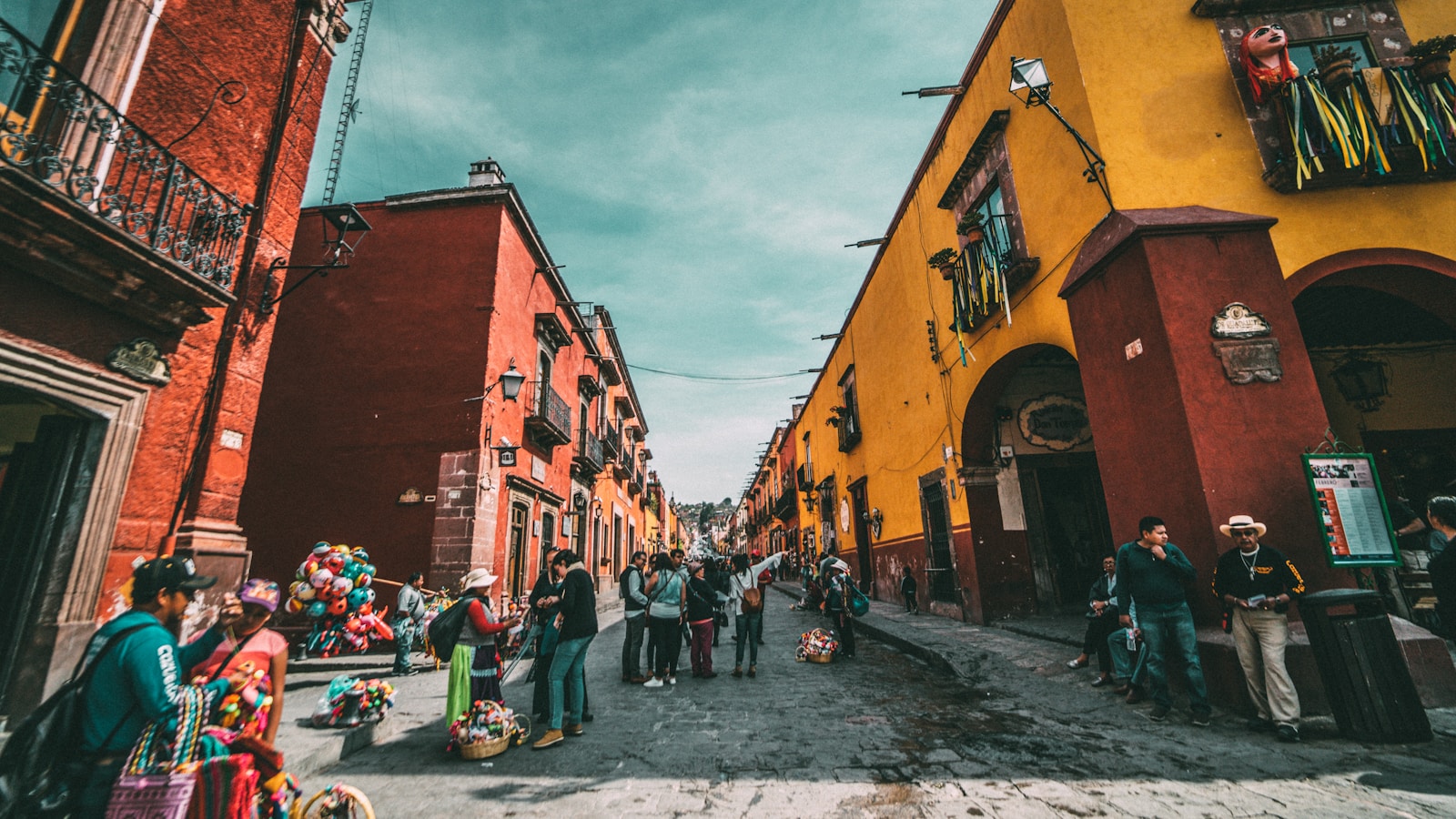
Beyond the centro histórico, the neighborhood of Jalatlaco offers narrow cobblestone streets, brightly painted facades, and smaller guesthouses that attract photographers and slow travelers. A roughly 45-minute drive outside the city brings visitors to Monte Albán, the ancient Zapotec capital perched on a leveled hilltop with panoramic valley views and ceremonial platforms dating back over 2,000 years. Entrance fees run around 90 Mexican pesos for general admission. Closer to town, the Mercado 20 de Noviembre is the place to eat tasajo — a thinly sliced, air-dried beef grilled over charcoal — alongside freshly made tlayudas, the large crunchy tortillas topped with black bean paste, Oaxacan string cheese (quesillo), and your choice of meat. Expect to spend under 100 pesos for a full plate.
The mezcal scene gives Oaxaca another dimension entirely. The villages of the Valles Centrales, including San Martín Tilcajete and the mezcal-producing town of Matatlán about an hour from the city, have turned artisan production into a cultural draw. Travelers find that booking a palenque visit — a small distillery where mezcal is still made with clay pots and wooden mallets — provides far more context than any bar tasting. Back in the city, the Museo de las Culturas de Oaxaca, housed in the former convent of Santo Domingo de Guzmán, displays Mixtec gold jewelry and jade masks recovered from Tomb 7 at Monte Albán, objects that are genuinely difficult to put in perspective until you’re standing in front of them.
Frequently Asked Questions — Oaxaca
How much do hotels in Oaxaca cost?
Budget rooms in guesthouses around the centro histórico or Jalatlaco typically start around $40 to $60 per night. Mid-range boutique hotels run $95 to $150 per night, which is roughly the sweet spot for quality and location. Luxury options like Camino Real Oaxaca, set inside a converted 16th-century convent, can reach $250 or more depending on season.
When is the best time to visit Oaxaca?
October through April is the dry season and generally the most comfortable time to visit, with mild temperatures in the mid-20s Celsius most days. Late October and early November bring Día de los Muertos celebrations centered on the Panteón General cemetery, which are visually striking but push hotel prices up and rooms sell out weeks in advance. July brings the Guelaguetza festival of indigenous dance, also very popular and worth planning around if traditional culture is your focus.
How many days do I need in Oaxaca?
Four to five days gives you enough time to explore the centro histórico, visit Monte Albán, eat your way through the markets, and do at least one day trip to the Valles Centrales villages. If mezcal distilleries, the Hierve el Agua petrified waterfalls, or the weekly market at Tlacolula are on your list, add one or two more days. Oaxaca rewards a slower pace.
Is Oaxaca safe for tourists?
Oaxaca city is generally considered one of the safer destinations in Mexico for tourists, and the centro histórico and Jalatlaco neighborhood see heavy foot traffic throughout the day and evening. Standard precautions apply: avoid displaying expensive gear openly, use registered taxis or Uber rather than flagging cars on the street at night, and check current travel advisories from your home government before departure. The state of Oaxaca has rural areas with different conditions, so research specific routes if you plan independent travel outside the city.
What area should I stay in?
The centro histórico puts you within walking distance of the Zócalo, Mercado 20 de Noviembre, the Santo Domingo church, and the Macedonio Alcalá pedestrian street — a practical and atmospheric base. Jalatlaco, a neighborhood about 10 minutes' walk east of the Zócalo, is quieter and has a strong concentration of small boutique hotels and cafes popular with longer-stay visitors. Both areas fill up during Día de los Muertos and Guelaguetza, so book early for those dates.
How do I get around Oaxaca?
The centro histórico is compact enough that most sights are walkable once you're based there. Collectivo minivans run fixed routes to surrounding villages like Tlacolula and San Bartolo Coyotepec for around 15 to 25 pesos per ride and depart from the second-class bus terminal on Trujano street. Uber operates in Oaxaca city and is generally reliable and inexpensive for cross-town trips. For Monte Albán and more distant day trips, organized tours or a hired driver are more practical than trying to navigate independently by public transit.
What food should I try in Oaxaca?
Mole negro — a slow-cooked sauce built from dried chilies, chocolate, and spices — is the dish most associated with the region and appears over turkey or chicken in countless restaurants and family kitchens. Tlayudas are large, partially crisped tortillas spread with black bean paste and topped with quesillo (the local string cheese) and your choice of tasajo or chorizo, available at Mercado 20 de Noviembre for under 100 pesos. Tejate, a cold drink made from cacao and mamey sapote seed, and chocolate atole are both traditional beverages worth seeking out, and chapulines — toasted grasshoppers seasoned with lime and chili — are a snack sold throughout the markets that most visitors try at least once.