








Quick Answer
Nara is famous for its free-roaming deer and ancient temples, including the giant Buddha at Todai-ji. Hotels start from $110/night, and the most comfortable time to visit is late March to early May or October to November, when crowds are manageable and the weather cooperates.
Explore Nara in Detail
Find Hotels in Nara
Hotel listings for Nara are currently being updated.
Top Tours in Nara

Nara Park and Todai-ji Guided Walking Tour
Walk through Nara Park with a local guide, visit Todai-ji's Great Buddha Hall, and learn the history of the Nara period while navigating the deer that freely roam the grounds.
Book This Tour →
Naramachi Food and Culture Half-Day Tour
Sample kakinoha-zushi and local sake in the Naramachi merchant district, stopping at traditional machiya shophouses and a working craft workshop near Ganrin-ji.
Book This Tour →
Kasuga Taisha Lantern Shrine and Isuien Garden Experience
Visit the lantern-lined cedar path leading to Kasuga Taisha shrine, then explore Isuien Garden's views framed against Todai-ji's roofline, finishing with miwa somen noodles at a nearby restaurant.
Book This Tour →Top Things to Do in Nara
The experiences travelers come back to Nara for, year after year.
Itineraries for Nara
Day-by-day plans built by travelers who actually went.
Nara in 3 Days
The essential first-time itinerary — the must-sees you came for, plus the local moments you came home talking about.
Nara for Couples
Quiet mornings, slow dinners, and the views the brochures don't show. Built for two.
Nara with Kids
Activities everyone enjoys, restaurants that welcome little ones, and downtime built into the plan.
Getting Around Nara
Renting a car is one of the best ways to explore Nara at your own pace. Compare rates from all major suppliers in one search.
Best Time to Visit Nara
Best months to visit Nara: April–June and September–October offer mild weather and fewer crowds. July–August is peak season. December–February is coldest but cheapest.
Why Visit Nara?
Nara served as Japan’s first permanent capital in the 8th century, and that history is still physically present in ways few cities can match. Todai-ji, a UNESCO World Heritage Site, houses a 15-meter bronze Buddha statue inside one of the largest wooden structures on earth, and entry costs around 600 yen. The surrounding Nara Park is home to roughly 1,200 sika deer that roam freely among visitors and temples, and deer crackers called shika senbei are sold throughout the park for about 200 yen a bundle. The deer are genuinely wild animals, though, so families with small children should stay alert.
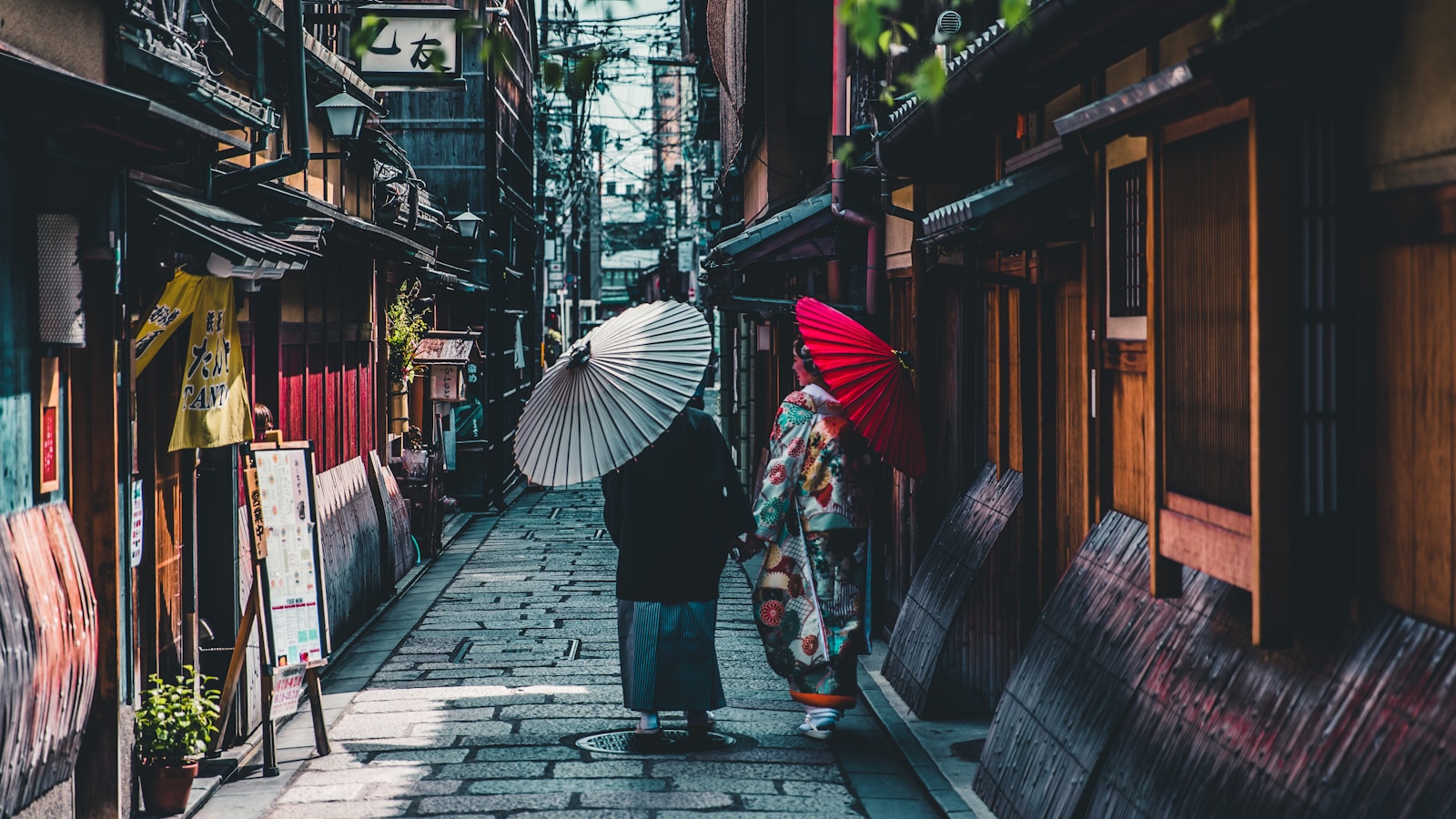
Beyond the deer and the Great Buddha, Nara rewards slower exploration. Kasuga Taisha, a Shinto shrine dating to 768 CE, lines its forested approach with hundreds of stone lanterns that are only lit twice a year during the Mantoro festivals in February and August. A short walk south brings travelers into the Naramachi neighborhood, a well-preserved merchant district of machiya townhouses that now contain small craft shops, cafes, and galleries without the tour-bus intensity of Kyoto’s equivalent lanes. The area around Isuien Garden, a paid Japanese strolling garden with a 500-yen entry fee, offers a rare chance to view Todai-ji’s roofline framed by carefully arranged ponds and clipped trees.
Food in Nara leans toward earthy, regional flavors. Kakinoha-zushi, pressed sushi wrapped in persimmon leaves, is the dish most associated with the city, available in shops near Kintetsu Nara Station for around 1000 to 1500 yen for a small box. Miwa somen, thin wheat noodles produced in nearby Miwa and served cold with dipping broth, appears on menus throughout the central area. Nara is also one of Japan’s main sake-producing prefectures, and several small breweries around the old town offer tastings. The city is compact enough that most of Nara Park, Naramachi, and the central temple circuit can be covered on foot in a day, though two or three days allows for a much more relaxed pace.
Frequently Asked Questions — Nara
How much do hotels in Nara cost?
Budget hotels and business hotels like ibis Styles start around $95 to $110 per night. Mid-range options such as Dormy Inn Nara run approximately $110 to $150, while the historic Nara Hotel, the city's premier property near Nara Park, can reach $300 or more per night depending on the season.
When is the best time to visit Nara?
Late March to early May brings cherry blossoms to Nara Park and mild temperatures around 15 to 20 degrees Celsius, making it the most popular window. October through November is equally appealing when maple foliage colors the hillsides around Kasuga Taisha and crowds thin compared to spring. July and August are hot and humid, and accommodation prices during Golden Week in early May spike noticeably.
How many days do I need in Nara?
One full day covers the main highlights: Nara Park, Todai-ji, and a walk through Naramachi. Two days allows you to add Kasuga Taisha, Isuien Garden, and the quieter temples on Wakakusa Hill without rushing. If you plan to visit Horyuji Temple, a UNESCO site about 11 km southwest of central Nara, budget a third day or at least a dedicated half-day trip.
Is Nara safe for tourists?
Nara is considered one of Japan's safer cities for travelers, with low rates of petty crime. The main practical concern in Nara Park is the sika deer, which can headbutt or bite if they expect food and don't receive it, so keeping snacks out of sight is genuinely useful advice. Standard urban precautions apply around busy areas near Kintetsu Nara Station during peak tourist weekends.
What area should I stay in?
Staying near Kintetsu Nara Station puts you within easy walking distance of Nara Park, Naramachi, and most temple sites, making it the most practical base for first-time visitors. The area around JR Nara Station is slightly further from the main sights but has a wider range of budget accommodation. Families visiting the deer park benefit most from the Kintetsu Station side, as Todai-ji is roughly a 15-minute walk from there.
How do I get around Nara?
The central sights in Nara Park and Naramachi are walkable from Kintetsu Nara Station, and most visitors cover the main circuit on foot. City loop buses run between major temples and gardens for around 100 to 210 yen per ride, and day passes are available. For Horyuji Temple and more distant sites, local JR trains or taxis are the practical options, as the JR Yamatoji Line connects central Nara to Horyuji in about 11 minutes.
What food should I try in Nara?
Kakinoha-zushi, vinegared fish pressed in persimmon leaves, is the most identifiable local specialty and is available at shops near Kintetsu Nara Station for around 1000 to 1500 yen a box. Miwa somen, thin wheat noodles served cold with broth, is widely available and particularly refreshing in warmer months. Nara is also a significant sake-producing prefecture, and several small brewers in the old town area offer tastings of locally made junmai varieties.