








Quick Answer
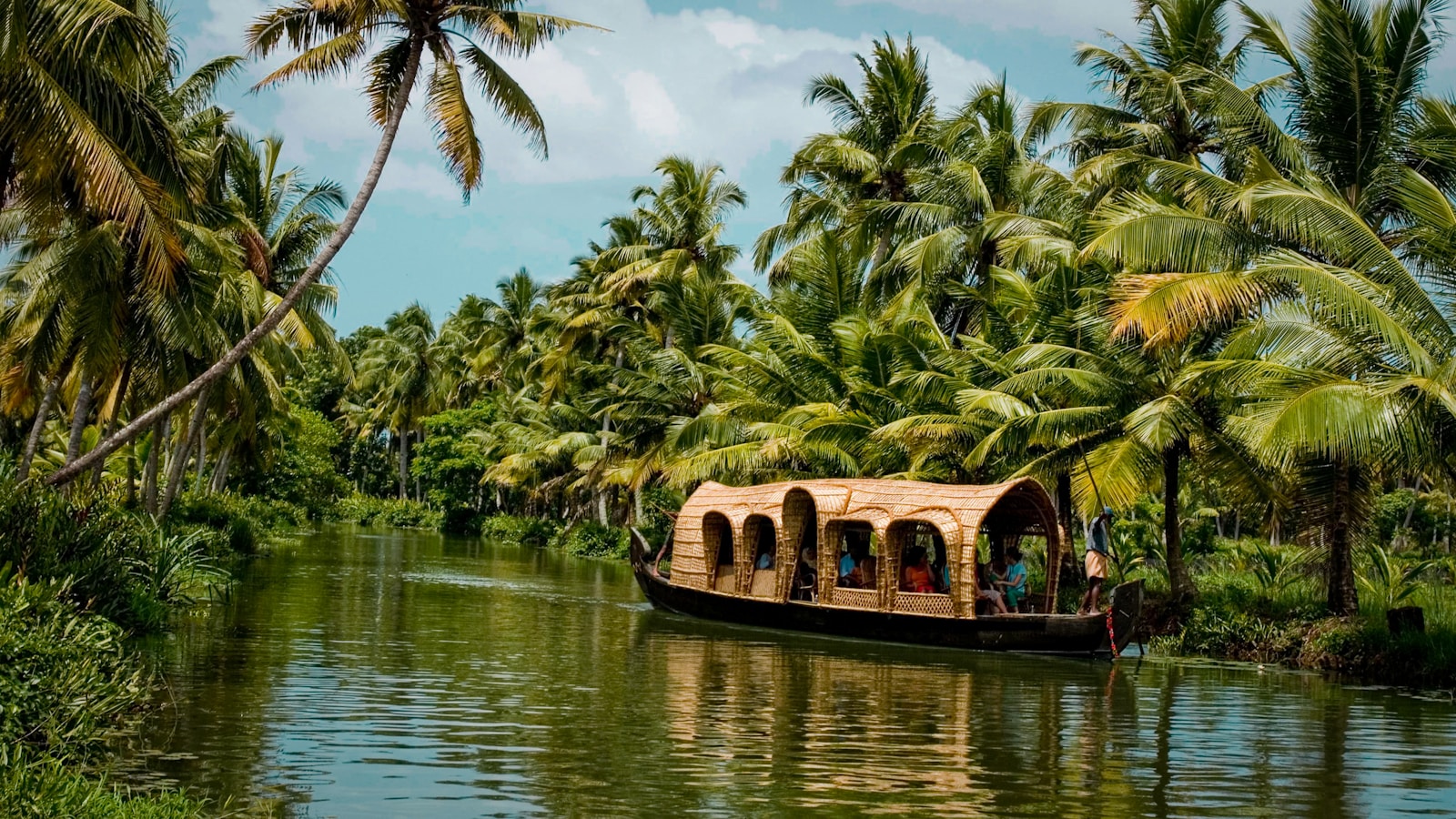
Kerala is famous for its backwater canals, Ayurvedic wellness retreats, and spice-scented coastal towns. Hotels start from $60/night, and the best time to visit is November through February when skies are clear and humidity drops to a comfortable level for sightseeing and beach days.
Explore Kerala in Detail
Find Hotels in Kerala
Hotel listings for Kerala are currently being updated.
Top Tours in Kerala

Fort Kochi Heritage Walking Tour & Spice Market Visit
Walk through Fort Kochi's colonial lanes past St. Francis Church and the Chinese fishing nets, then browse the spice warehouses of Mattancherry where black pepper and cardamom are sold wholesale.
Book This Tour →
Alleppey Backwaters Half-Day Canoe & Houseboat Experience
Paddle through the narrow canals of Alappuzha by canoe before boarding a traditional kettuvallam for lunch, served as a Kerala sadya with rice, sambar, and coconut chutney.
Book This Tour →
Kerala Cooking Class & Local Market Tour in Kochi
Shop for fresh kokum and curry leaves at a local Ernakulam market, then learn to prepare fish moilee and appam in a home kitchen with a local host.
Book This Tour →Top Things to Do in Kerala
The experiences travelers come back to Kerala for, year after year.
Itineraries for Kerala
Day-by-day plans built by travelers who actually went.
Kerala in 3 Days
The essential first-time itinerary — the must-sees you came for, plus the local moments you came home talking about.
Kerala for Couples
Quiet mornings, slow dinners, and the views the brochures don't show. Built for two.
Kerala with Kids
Activities everyone enjoys, restaurants that welcome little ones, and downtime built into the plan.
Getting Around Kerala
Renting a car is one of the best ways to explore Kerala at your own pace. Compare rates from all major suppliers in one search.
Best Time to Visit Kerala
Best months to visit Kerala: April–June and September–October offer mild weather and fewer crowds. July–August is peak season. December–February is coldest but cheapest.
Why Visit Kerala?
Kerala sits on India’s southwestern tip and delivers a genuinely different experience from the country’s northern heritage trail. The backwaters around Alleppey, locally called Alappuzha, are the centrepiece for many travelers. Renting a traditional kettuvallam houseboat for a night costs roughly $80 to $150 per couple and lets you drift through narrow canals lined with coconut palms, past villages where fishermen still use Chinese fishing nets inherited from medieval trade routes. Those same nets are a fixture along Fort Kochi’s waterfront, where the colonial quarter mixes Portuguese-era churches like St. Francis Church, Dutch architecture, and a thriving contemporary art scene anchored by the Kochi-Muziris Biennale venue at Aspinwall House.
For wellness travelers, Kerala is one of the few places where classical Panchakarma Ayurvedic treatments are genuinely embedded in daily life rather than packaged as a resort add-on. Towns like Varkala and Thrissur have clinics charging from around $30 per session for authentic treatments administered by certified practitioners. Varkala itself sits on a clifftop above a beach with red laterite cliffs dropping into the Arabian Sea, and the cliff promenade has a laid-back mix of cafes, yoga studios, and small shops selling locally sourced coconut oil products. Kovalam, about 16 kilometers from Thiruvananthapuram, is the more developed beach option with Lighthouse Beach offering calmer entry points for swimmers.
The food alone justifies the trip. Travelers find Kerala’s cuisine distinct from most Indian cooking they may have tried elsewhere. A fish curry made with Kodampuli, the sour dried kokum fruit, served alongside appam, a soft lacy rice crepe, is a breakfast or dinner staple you will encounter everywhere from street stalls to family-run homestays. Kerala prawn moilee, a mild coconut milk-based curry, is another dish worth seeking out. In Thrissur and Kozhikode, local restaurants serve Malabar biryani, a rice dish cooked with short-grain kaima rice and layered with spiced meat, that differs noticeably from Hyderabadi or Lucknowi styles. The spice markets of Mattancherry in Kochi, where cardamom, black pepper, and cinnamon are sold by the kilogram, are worth a browse even if you are not buying.
Frequently Asked Questions — Kerala
How much do hotels in Kerala cost?
Budget guesthouses and 3-star hotels in Kerala start from around $60/night, particularly in Kochi and Varkala. Mid-range 4-star options typically run $90 to $130/night, while luxury properties like the Taj Malabar or Kumarakom Lake Resort charge $200 or more. Homestays in backwater villages near Alleppey can be found for $40 to $60/night and often include meals.
When is the best time to visit Kerala?
November through February is the most comfortable window, with dry weather, manageable humidity, and temperatures around 28 to 32 degrees Celsius. March and April get hot and hazy. The monsoon arrives in June and runs through September, which is when Kerala sees heavy rainfall, though some travelers visit specifically for the green landscape and discounted Ayurvedic treatment packages offered during this season.
How many days do I need in Kerala?
Seven to ten days is a practical length to cover the main highlights without rushing. Spending two days in Fort Kochi, two nights on an Alleppey houseboat or canal tour, two days in Varkala or Kovalam for beach time, and one or two days in Munnar for tea estate scenery gives a well-rounded trip. Shorter five-day visits work if you focus on just Kochi and the backwaters.
Is Kerala safe for tourists?
Kerala is widely considered one of India's safer states for domestic and international travelers, including solo women travelers. Fort Kochi, Varkala, and Alleppey all have established tourist infrastructure with reliable accommodation and transport. Standard precautions apply around crowded areas and night travel in unfamiliar places, and it is worth keeping an eye on local weather advisories during monsoon season due to occasional flooding in low-lying backwater areas.
What area should I stay in?
Fort Kochi is the most atmospheric base, with walkable colonial streets, good restaurant options, and easy access to ferry services. Alleppey town is the right choice if backwaters are your priority. Varkala Cliff is best for beach-focused stays with a quieter, less commercialized feel than Kovalam. Thiruvananthapuram, the state capital, is practical if you need airport access but is not the most scenic option for leisure travelers.
How do I get around Kerala?
Kerala has a functional state bus network and a railway line running along the coast connecting Thiruvananthapuram, Kollam, Alleppey, Ernakulam (Kochi), Thrissur, and Kozhikode. Train journeys between major towns are affordable, typically under $5 for second-class tickets. Auto-rickshaws handle short urban trips in most towns, and app-based cabs like Uber and Ola operate in Kochi and Thiruvananthapuram. Renting a car with a driver for around $40 to $60 per day is the most flexible option for reaching inland areas like Munnar.
What food should I try in Kerala?
Appam with fish moilee is a classic combination worth seeking out at any local restaurant or homestay breakfast table. Kerala fish curry made with kokum rather than tamarind has a sharper, more distinctive sourness and is typically eaten with red boiled rice. Puttu and kadala curry, a breakfast of steamed rice cylinders served with black chickpea stew, is widely available and costs very little at local eateries. In the Malabar north around Kozhikode, try the local biryani made with short-grain kaima rice, which has a lighter texture than most versions you may have tried elsewhere.