






Quick Answer
Cusco is the former Inca capital and the launching point for Machu Picchu, with a colonial center built on Inca foundations at 11,200 feet of altitude. Plaza de Armas, the 12-angled stone wall, and Sacsayhuaman fortress define the city. Hotels start from $75/night. May through October is dry season and ideal for trekking.
Explore Cusco in Detail
Find Hotels in Cusco
Hotel listings for Cusco are currently being updated.
Top Tours in Cusco

Machu Picchu Full-Day Tour from Cusco
Train from Cusco to Machu Picchu with guided tour of the ruins, lunch, and return train. Long day. Book at least a month ahead, ideally three.
Book This Tour →
Sacred Valley Full-Day Tour
Pisac ruins and market, Ollantaytambo fortress, and Chinchero village with weaving demonstration. Lunch buffet included. Essential acclimatization before Machu Picchu.
Book This Tour →
Rainbow Mountain Trekking Day Trip
Pre-dawn departure to the Vinicunca rainbow mountain trail (4,800m altitude). 3-hour round-trip hike with breathtaking colored mineral views. Not for the unacclimatized.
Book This Tour →Top Things to Do in Cusco
The experiences travelers come back to Cusco for, year after year.
Itineraries for Cusco
Day-by-day plans built by travelers who actually went.
Cusco in 3 Days
The essential first-time itinerary — the must-sees you came for, plus the local moments you came home talking about.
Cusco for Couples
Quiet mornings, slow dinners, and the views the brochures don't show. Built for two.
Cusco with Kids
Activities everyone enjoys, restaurants that welcome little ones, and downtime built into the plan.
Getting Around Cusco
Renting a car is one of the best ways to explore Cusco at your own pace. Compare rates from all major suppliers in one search.
Best Time to Visit Cusco
Best months to visit Cusco: April–June and September–October offer mild weather and fewer crowds. July–August is peak season. December–February is coldest but cheapest.
Why Visit Cusco?
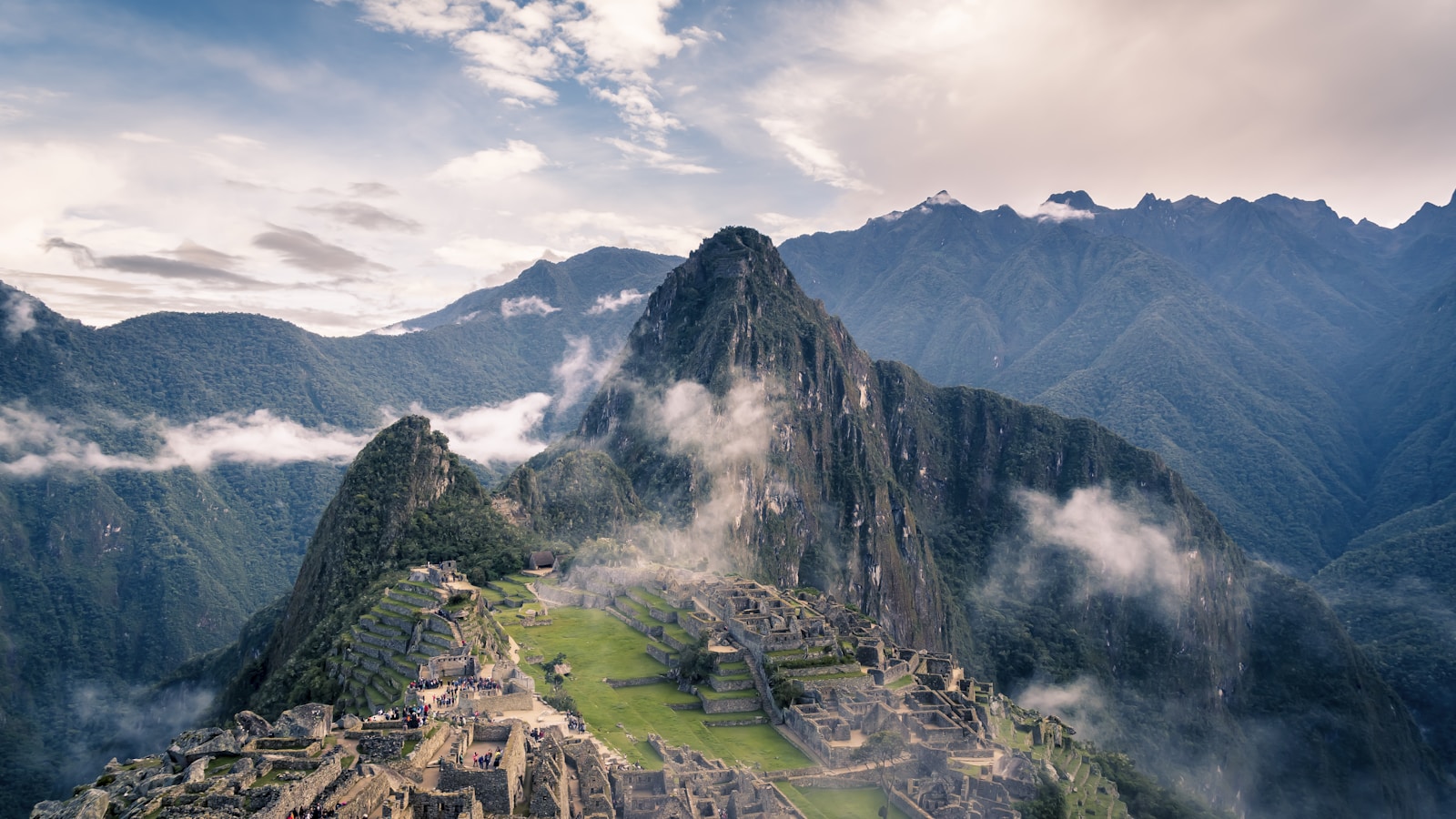
Cusco is the city you base out of for Machu Picchu and which deserves its own credit. The Spanish built their colonial capital on top of the Inca capital, and the resulting layered architecture (Inca stones at the base, Spanish baroque on top) makes it one of South America’s most photogenic centers.
Plaza de Armas anchors the city with the Cathedral of Cusco on one side (with one of the most famous Andean Last Supper paintings inside, featuring guinea pig as the main dish). Qorikancha was the most important Inca temple, walls covered in gold sheets before the Spanish stripped them and built the Santo Domingo monastery on top. The 12-angled stone in Hatun Rumiyoc Street is the famous Inca masonry photo, fitted perfectly without mortar. The San Pedro Market is the working food market with cuy (guinea pig), chicha (corn beer), and dozens of varieties of Andean potatoes. San Blas is the hilly artisan neighborhood with painted streets and the best textile shops. Sacsayhuaman fortress on the hill above the city has the massive zigzag walls and is the New Year’s Eve gathering spot. Beyond the city, the obvious play is Machu Picchu: 3.5 hours by train from Ollantaytambo, or 4 days on the Inca Trail (book 6 months ahead). The Sacred Valley (Ollantaytambo, Pisac, Chinchero) is an essential 1-2 day prelude or detour. Rainbow Mountain (Vinicunca) is a brutal 4,800m altitude day hike. Cusco is at 11,200 feet, give yourself two days to acclimatize before any trek. Coca tea is the local altitude remedy.
Frequently Asked Questions — Cusco
How much do hotels in Cusco cost?
Hostels start at $15/night for private rooms. 3-star hotels run $75-$140. 4-star hotels are $140-$260. Luxury 5-star hotels like Belmond Monasterio, Palacio del Inka, or JW Marriott El Convento are $400-$900/night.
When is the best time to visit Cusco?
May through October is dry season with sunny days (mid-70s) and cold nights (30-40F). June and July are the busiest. November through April is rainy season but warmer at night. Inti Raymi (June 24) is the major Inca festival. Avoid Inca Trail in February (closed for maintenance).
How many days do I need in Cusco?
Four days minimum: two for acclimatization plus the city, one for Sacred Valley, one for Machu Picchu (as overnight in Aguas Calientes). Five to seven days lets you add Rainbow Mountain or an Inca Trail trek (4 days).
Is Cusco safe for tourists?
Cusco is generally safe with standard precautions. The main risks are altitude sickness (acclimatize 2+ days before trekking) and petty theft around San Pedro Market. Use Uber or registered taxis. Solo female travel is comfortable with awareness.
What area should I stay in?
Plaza de Armas area for first-timers who want central walking distance to everything. San Blas for artistic neighborhood feel with painted streets and steep hills. Sacred Valley (Urubamba) for lower altitude and easier acclimatization. Skip hotels far from the historic center.
How do I get around Cusco?
Walking covers the historic center but expect steep hills and the altitude makes it tiring. Taxis to anywhere in the city are 5-10 soles ($1.50-3). Uber works. The bus to Sacsayhuaman is cheap. Train to Machu Picchu is essential and books up early.
What food should I try in Cusco?
Cuy (guinea pig, the traditional Andean dish) at MAP Cafe or Chicha, alpaca steak at Limo, lomo saltado at any local restaurant, chicharron (fried pork) at Pucara, and the chicha morada (purple corn drink) everywhere. Coca tea is the altitude remedy.