

South Korea vs Japan: Which Should You Visit in 2026?
At a glance
| Best for | South Korea | Japan |
| Standout strength | K-pop culture, tech innovation, spicy food, nightlife until 6am | Ancient temples, precision transit, refined cuisine, reliable everything |
| Hotels from | $85/night | $110/night |
| Best time to visit | April to May, September to October | March to May, September to November |
| Days needed | 7 to 10 days (Seoul 4, Busan 3, Jeju 3) | 10 to 14 days (Tokyo 4, Kyoto 3, Osaka 2, rural 3) |
| Vibe | Fast-paced, late-night, plastic-surgery billboards, karaoke rooms on every block | Punctual, polite, Instagram-perfect moments, strict restaurant hours |
Cost comparison
Hotels per night:
- South Korea: Budget $50 to $85, mid-range $100 to $160, luxury $220 to $450
- Japan: Budget $75 to $110, mid-range $140 to $200, luxury $300 to $600
Daily budget per person (hotels, food, transport, entry fees):
- South Korea: Budget $90, mid-range $180, luxury $400+
- Japan: Budget $130, mid-range $240, luxury $500+
Roundtrip flights (economy, 2026 estimates):
- NYC to Seoul: $650 to $950 (13.5 hours direct)
- NYC to Tokyo: $700 to $1,100 (14 hours direct)
- London to Seoul: $550 to $850 (11 hours direct)
- London to Tokyo: $600 to $950 (12 hours direct)
- LA to Seoul: $450 to $750 (11 hours direct)
- LA to Tokyo: $500 to $800 (11.5 hours direct)
Five-day trip total (mid-range, solo traveler):
- South Korea: $1,550 to $1,850 (flights $750, hotels $500, daily expenses $300)
- Japan: $2,000 to $2,400 (flights $800, hotels $700, daily expenses $500)
South Korea delivers better value across the board. A bowl of kimchi jjigae costs $6 in Seoul versus $14 for ramen in Tokyo. Subway rides run $1.20 in Seoul, $2.50 in Tokyo. Both countries offer excellent public transit, but your money stretches 30% further in South Korea. You can find hotels in Seoul at better rates than comparable Tokyo neighborhoods, especially in trendy areas like Hongdae or Gangnam.
Things to do
Top 3 in South Korea
Gyeongbokgung Palace and Bukchon Hanok Village (Seoul): The 1395 palace complex covers 40 acres in central Seoul, with the changing of the guard at 10am and 2pm drawing crowds. Walk 15 minutes north to Bukchon, where 900 traditional hanok houses line steep alleys. Rent a hanbok (traditional dress) for $15 and spend three hours photographing yourself in courtyards. Skip weekends when tour groups clog the main paths. The nearby Insadong district sells real pottery and overpriced “traditional” snacks.
Jagalchi Fish Market and Gamcheon Culture Village (Busan): Korea’s largest seafood market opens at 5am with ajummas (older women) selling live octopus, sea squirt, and hagfish. Pay $25 for a plate of raw fish downstairs, then ride it upstairs where a restaurant will grill it free. Gamcheon village, 20 minutes by bus, is a hillside slum turned art project with murals covering every surface. Sunset from the upper streets hits different. Takes half a day including the 45-minute photo queue at the Little Prince statue.
Seongsan Ilchulbong and Manjanggul Cave (Jeju Island): This volcanic crater on Jeju’s east coast requires a 30-minute hike up 600 steps for sunrise views over black rock and ocean. The UNESCO-listed lava tube stretches 8km (you walk 1km of it), with stone formations that actually justify the $4 entry fee. Jeju works best with a rental car ($45 per day). Three days covers the highlights without rush, including Hallasan mountain and the haenyeo diving women museums.
Top 3 in Japan
Fushimi Inari Shrine (Kyoto): Ten thousand orange torii gates climb Mount Inari in switchbacks that take two hours to summit. Most tourists quit after 30 minutes and the first photo op, so push to the top for actual solitude. Free entry, open 24 hours. The surrounding district serves inari sushi (fried tofu pockets) at a dozen small shops. Pair this with Kinkaku-ji (Golden Pavilion) and Arashiyama bamboo grove for a full Kyoto day, though you’ll share the bamboo with 5,000 other people.
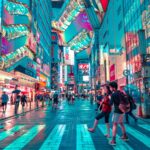
Shibuya Crossing and Shinjuku (Tokyo): The world’s busiest intersection moves 3,000 people per light change. Watch from the Starbucks second floor, then walk 12 minutes to Meiji Shrine’s forest entrance. Shinjuku shifts from department stores to Golden Gai’s 200 tiny bars (most charge $10 to $20 cover) to Kabukicho’s neon chaos. Robot Restaurant closed permanently, but the area still delivers sensory overload. Omoide Yokocho alley serves yakitori under dim bulbs where salarymen drink until last train.
Hiroshima Peace Memorial and Miyajima Island: The A-Bomb Dome stands exactly as it did in 1945, across from a museum that requires 90 minutes and emotional bandwidth. Ferry to Miyajima (10 minutes, $4) to see the floating torii gate at high tide and deer that bow for crackers. Climb Mount Misen via ropeway ($10) or hiking trail (90 minutes up). The island supports a full day. Stay overnight if you want the gate photos without cruise ship crowds.
Category winners: Food goes to Japan for technical precision, though South Korea wins on spice and variety of banchan (free side dishes). Seoul’s Gangnam and Hongdae districts stay open later with better energy than Tokyo’s early-closing izakayas, giving nightlife to South Korea. Japan dominates on preserved culture (Kyoto’s temples trump anything in Seoul) while South Korea offers modern culture through K-pop, cosmetics, and tech districts. Nature splits: Japan has better mountains and onsen towns, South Korea has dramatic coastlines and less tourist infrastructure in rural areas.
When to go
South Korea: March to May brings cherry blossoms (peak early April in Seoul) and temps from 50°F to 70°F. June through August hits 85°F with humidity that makes subway platforms unbearable. September and October deliver 60°F to 75°F with fall colors peaking mid-October in Seoraksan National Park. November to February drops to 25°F to 40°F, but hotel rates fall 40%. Skip late July when monsoon rains flood hiking trails. The Boryeong Mud Festival in July draws party crowds to the coast.
Japan: Cherry blossoms run late March in Tokyo, early April in Kyoto, with hotels tripling in price. May and June offer 65°F to 75°F before rainy season hits. July and August bring 85°F heat and festival season (Gion Matsuri in Kyoto, Tenjin Matsuri in Osaka). September sees typhoons but also momiji (fall leaves) starting in northern regions. October and November deliver 55°F to 70°F with peak foliage mid-November in Kyoto. Winter (December to February) goes to 35°F to 45°F, perfect for onsen towns and skiing in Hokkaido or Nagano.
Who should pick South Korea
- Budget travelers who want big-city energy without Tokyo prices, especially solo travelers using hostels ($25 per night) and street food ($4 meals)
- Night owls who drink soju until sunrise in Hongdae clubs or noraebang (karaoke) rooms that charge by the hour ($15 to $30)
- K-pop and K-drama fans making pilgrimages to filming locations, SM Entertainment building, or Gangnam’s plastic surgery district
- Food adventurers chasing spicy stews, live octopus, and endless banchan refills at meals where the ajumma judges your empty soju bottles
- First-time Asia visitors who want familiar brands (7-Eleven everywhere), solid English signage in Seoul, and less formal cultural rules than Japan
Who should pick Japan
- Culture seekers who prioritize ancient temples, tea ceremonies, geisha districts, and places where Instagram hardly captures the actual experience
- Train enthusiasts and efficiency lovers who geek out over Shinkansen bullet trains (up to 200mph) running on 60-second schedules
- Food purists chasing Michelin stars (Tokyo has more than Paris), omakase sushi counters, and regional specialties done to obsessive standards
- Families with young kids who need reliable everything, from clean public restrooms to vending machines every 100 feet and Pokemon Centers in major cities
- Rural explorers heading to onsen villages, hiking the Kumano Kodo pilgrimage, or cycling the Shimanami Kaido between islands
Or visit both?
Geography makes this easy. Seoul to Tokyo takes 2.5 hours by air ($120 to $250 one-way on budget carriers like Jeju Air or Peach). A two-week combined trip works: five days in Seoul (plus day trip to DMZ or Suwon Fortress), quick flight to Tokyo, then seven days covering Tokyo, Kyoto, and Osaka via JR Pass ($280 for seven days of unlimited trains).
Day 1 to 3: Seoul (Gyeongbokgung, markets, nightlife)
Day 4: Busan (KTX train 2.5 hours, $50)
Day 5: Fly Busan to Tokyo ($180)
Day 6 to 8: Tokyo (Shibuya, Asakusa, day trip to Nikko)
Day 9 to 11: Kyoto (temples, Fushimi Inari, Nara day trip)
Day 12 to 13: Osaka (castle, Dotonbori food scene)
Day 14: Fly home from Osaka
This routing avoids backtracking. Book open-jaw flights (into Seoul, out of Osaka) to save a positioning flight. The countries share enough DNA (Confucian values, rice-based cuisine, efficient transit) that you won’t get culture shock whiplash, but they differ enough to justify visiting both.
Bottom line
South Korea wins on value and nightlife energy. Japan wins on refinement and depth of cultural sites. First-timers to Asia should probably pick Japan for its easier tourist infrastructure and iconic experiences (Kyoto temples, Tokyo crossing, Mount Fuji views), but travelers on tighter budgets or those seeking modern Asian culture will get more bang from South Korea. The honest answer is both countries deserve 10 days each, and neither works well as a quick stopover. If forced to choose one for 2026, go to South Korea if you’re under 35 and want to party, Japan if you’re older or traveling with kids. Or ignore this advice and find hotels in Tokyo for spring cherry blossoms because some experiences transcend budget spreadsheets.
FAQs
Which is cheaper, South Korea or Japan?
South Korea costs 25% to 35% less across hotels, food, and daily expenses. A mid-range Tokyo hotel runs $140 to $200 per night versus $100 to $160 in Seoul’s equivalent neighborhoods. Restaurant meals average $8 to $15 in Seoul, $12 to $25 in Tokyo. Transportation costs less in South Korea ($1.20 subway rides versus $2.50), though Japan’s JR Pass offers value for multi-city trips. Budget $90 daily in South Korea versus $130 in Japan for the same comfort level. Flights cost roughly the same from North American cities.
Which is safer?
Both rank among the world’s safest countries with violent crime nearly nonexistent for tourists. Japan edges slightly ahead on petty theft (nearly zero even in crowded areas), while Seoul sees occasional pickpocketing in Hongdae or Itaewon nightlife districts. Women travel solo comfortably in both countries. Japan’s earthquake preparedness exceeds South Korea’s. The biggest risks are jaywalking fines in South Korea ($30) and missing last trains in both countries, forcing expensive taxis home.
Which is better for families?
Japan handles families more smoothly with cleaner facilities, more English signage, and attractions designed for kids (Pokemon Centers, Studio Ghibli Museum, teamLab digital art). Trains have dedicated family cars. Restaurants welcome children but close early (7pm to 8pm in many places). South Korea offers cheaper family hotels and theme parks (Lotte World, Everland), plus kids eat free with the endless banchan. Both countries lack baby-changing stations in men’s restrooms. Japan wins for families prioritizing convenience, South Korea for those watching budgets.
Which is better for first-time international travelers?
Japan’s infrastructure makes it easier despite the language barrier. Signs include English, trains run perfectly on time, and cultural rules around tipping (don’t) and restaurant etiquette are clear. South Korea has more English speakers in Seoul, especially younger people, but less English signage outside major tourist zones. Both countries use cash heavily despite being high-tech. Japan feels more foreign in daily interactions (bowing, removing shoes, onsen etiquette), while South Korea’s coffee shop and nightlife culture reads more Western. Japan wins narrowly for true first-timers who want predictability.
Can I see both in one trip?
Yes, and you should if you have two weeks. Seoul to Tokyo flights take 2.5 hours and cost $120 to $250 on budget airlines. The countries sit close enough (750 miles) that ferry options exist between Busan and Japanese ports, though flights save time. A Seoul-Tokyo-Kyoto-Osaka routing works cleanly without backtracking. Don’t attempt both in under 10 days or you’ll spend more time in airports than temples. Spring (April to May) and fall (September to October) overlap nicely for weather in both countries. Book open-jaw flights to avoid returning to your entry city.