





Quick Answer
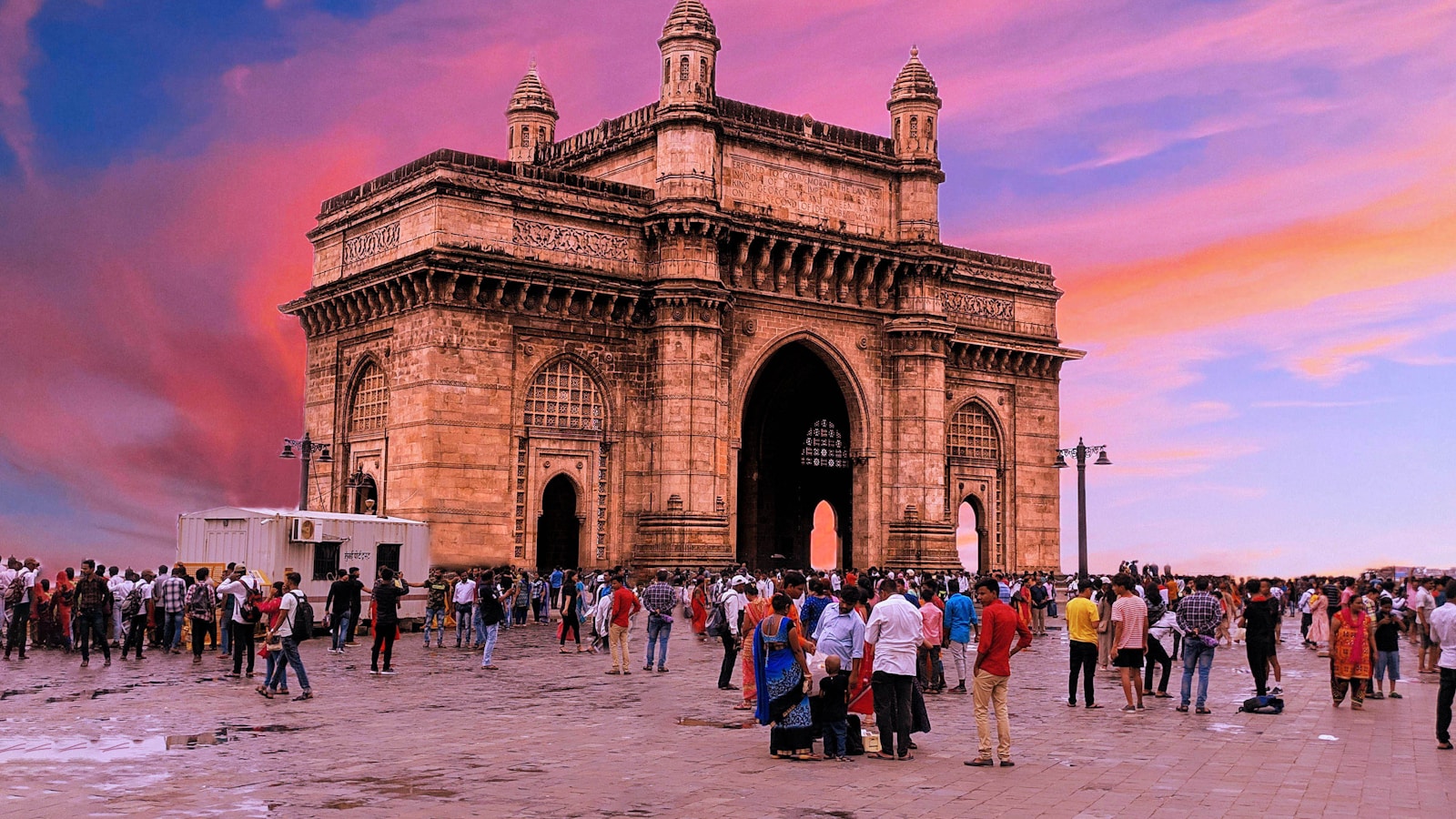
Mumbai is India at full volume. Bollywood and the Gateway of India, 20 million people, the street food of your dreams, and colonial-era Gothic buildings that look like Bombay High Court was airlifted from London. Hotels start from $80/night and November through February is the comfortable dry season.
Explore Mumbai in Detail
Find Hotels in Mumbai
Hotel listings for Mumbai are currently being updated.
Top Tours in Mumbai

Mumbai City Heritage Walking Tour
Guided walk from the Gateway of India through Colaba, Fort, and the colonial architecture of CST station and Bombay High Court.
Book This Tour →
Mumbai Street Food and Markets Tour
Evening food walk through Crawford Market, Mohammed Ali Road, and Chowpatty Beach with 10 street food tastings.
Book This Tour →
Elephanta Caves Half-Day Tour
Ferry from the Gateway of India to the UNESCO-listed Elephanta Caves with their 7th century rock-cut Shiva sculptures.
Book This Tour →Top Things to Do in Mumbai
The experiences travelers come back to Mumbai for, year after year.
Itineraries for Mumbai
Day-by-day plans built by travelers who actually went.
Mumbai in 3 Days
The essential first-time itinerary — the must-sees you came for, plus the local moments you came home talking about.
Mumbai for Couples
Quiet mornings, slow dinners, and the views the brochures don't show. Built for two.
Mumbai with Kids
Activities everyone enjoys, restaurants that welcome little ones, and downtime built into the plan.
Getting Around Mumbai
Renting a car is one of the best ways to explore Mumbai at your own pace. Compare rates from all major suppliers in one search.
Best Time to Visit Mumbai
Best months to visit Mumbai: April–June and September–October offer mild weather and fewer crowds. July–August is peak season. December–February is coldest but cheapest.
Why Visit Mumbai?
Mumbai is the city where you understand modern India in three days. It is loud, it is overwhelming, it is wealthy and poor side by side, and it does not slow down for anyone.
The colonial architecture in South Mumbai is genuinely staggering. The Chhatrapati Shivaji Terminus is the most beautiful train station on Earth, built in 1888 in full Gothic glory. The Gateway of India and the Taj Mahal Palace Hotel are the iconic harbor pair. The street food is one of the world’s great cuisines. Pav bhaji on Chowpatty Beach at sunset. Vada pav at any corner stall. Bhel puri eaten with your hands at Juhu. The Dharavi slum tour (the one made famous by Slumdog Millionaire) is controversial but eye-opening when done with a respectful local guide. The contrast between the Antilia tower (the most expensive private home on Earth) and the slums below is the entire story of modern India in one view. Five days for a first visit. The traffic is a real factor in planning your day. Stay in Colaba or Bandra.
Frequently Asked Questions — Mumbai
How much does a hotel in Mumbai cost per night?
Mumbai hotels run $80-$485 per night depending on category and season. Mid-range properties average $150-$280 per night. Book 60-90 days ahead during peak season for the best rates.
What is the best time to visit Mumbai?
November through February delivers the best weather and value combination in Mumbai. Shoulder months offer lower prices with decent conditions. Avoid major holidays and local events when rates spike.
How many days do you need in Mumbai?
4 to 5 days is the sweet spot for Mumbai. That gives you enough time to hit the main sights, a day trip or two, and a buffer day to slow down.
Is Mumbai safe for tourists?
Mumbai is generally safe with low violent crime against tourists, though the volume of people, traffic, and energy can feel overwhelming. Pickpockets work crowded transit. Scams (gem schemes, overcharging taxis) target tourists. Air quality is poor. Tap water unsafe.
What is the best area to stay in Mumbai?
Colaba and Fort in South Mumbai for the heritage walking neighborhood and most iconic hotels. Bandra and Juhu for the trendy beach areas and Bollywood scene. Avoid eastern suburbs and northern Mumbai for first-time visitors.
How do I get around Mumbai?
Use Uber and Ola (the Indian Uber) rather than haggling with auto-rickshaws and taxis. The local trains are an experience but extremely crowded; ride a train but not at rush hour. Walking is hard outside specific neighborhoods. Traffic is brutal, allow buffer.
Do I need to speak the local language to visit Mumbai?
English is widely spoken in Mumbai, especially in tourism, hotels, and business. Hindi and Marathi are the local languages. Even taxi drivers usually speak enough English to handle tourist needs.